Water Damage Restoration in Easton
A wet room needs more than a cleared puddle. Restoration begins by tracing the release, identifying soaked materials and choosing a drying approach that reaches beneath the surfaces that still look intact.
(888) 480-6221Discuss the wet roomsDescribe the source, affected level and present water depth when requesting help with cleanup.
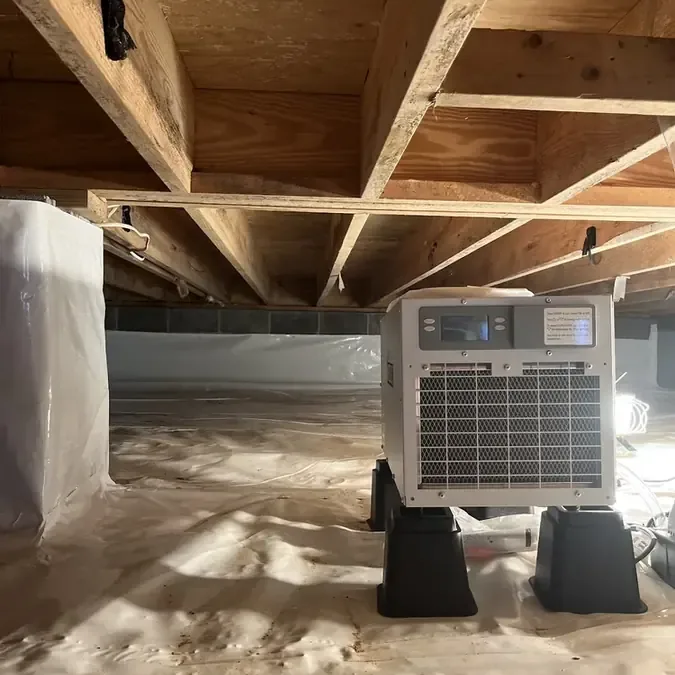
Early decisions can limit additional damage
- 1
Keep the approach safe
Standing water near electrical equipment requires a safe assessment before entry. Occupants should remain outside any room with sagging overhead material or an uncertain electrical condition.
- 2
Address the continuing release
An accessible shutoff can stop an active plumbing leak when reaching it is safe. Roof entry, drain backups and outside flooding need their own source response.
- 3
Record the first visible signs
Photographs from a dry position can preserve the water boundary, affected furnishings and initial ceiling marks. The discovery time helps explain the sequence of the loss.
- 4
Describe what is affected
A useful cleanup request identifies the wet level, apparent source and affected finishes. Mention sewage, inaccessible rooms or water still entering before discussing equipment or drying arrangements.
Cleanup follows the water's route
The starting point might be a fixture, appliance, roof opening or flooded lower level. Each service below explains the surfaces to inspect and the decisions that shape the cleanup.
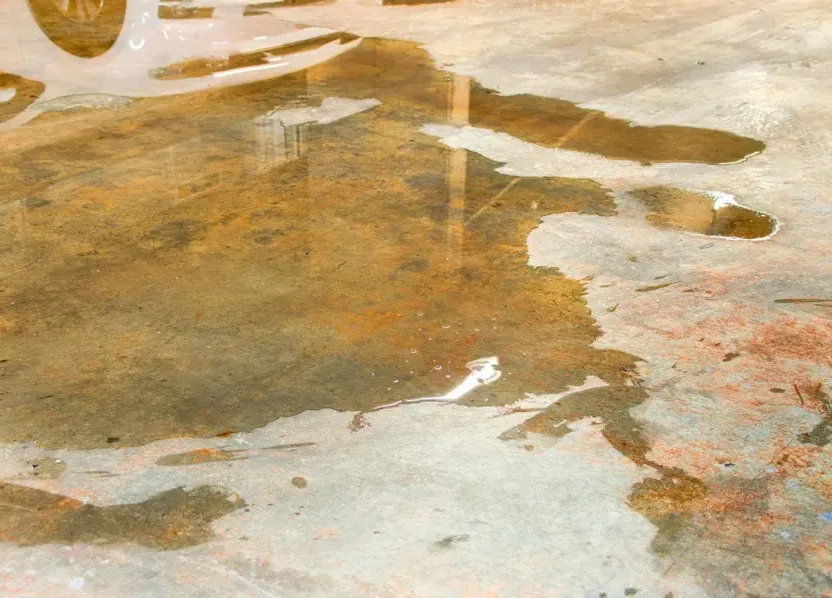 Slab Leak Water DamageMoisture beneath flooring calls for inspection of the concrete and the materials covering it.Inspect beneath the finish
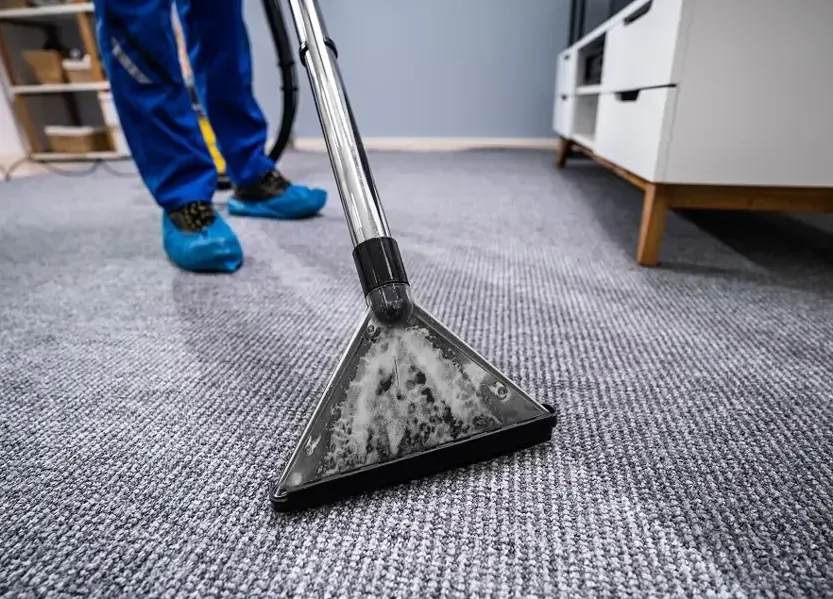 Water Extraction and RemovalStanding water is recovered before saturated carpet, floor seams and room edges receive closer inspection.Recover water from room edges
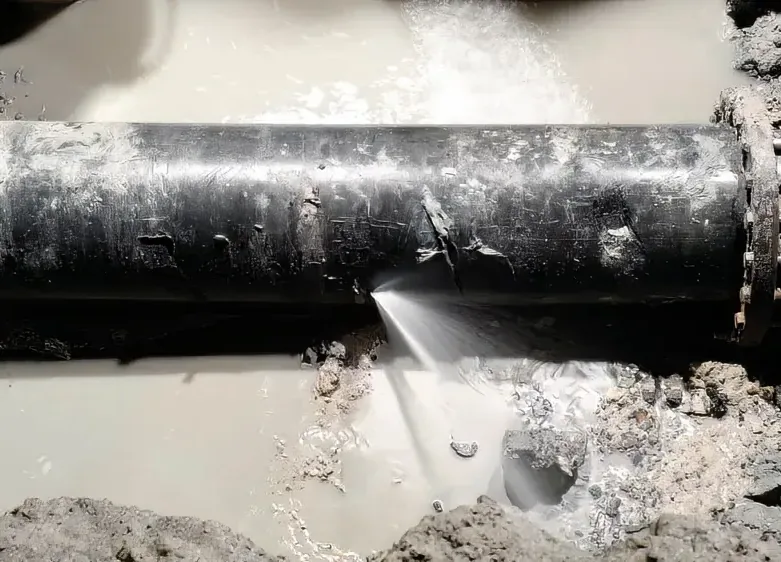 Pinhole Leak Water DamageA tiny pipe opening can leave a hidden trail through wall cavities and adjoining finishes.Follow the hidden damp trail
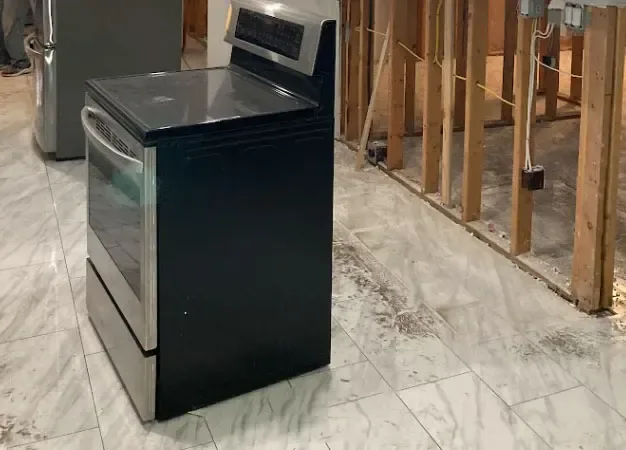 Burst Pipe Water DamageA sudden pipe release needs source control followed by cleanup across every affected room.Map the sudden release
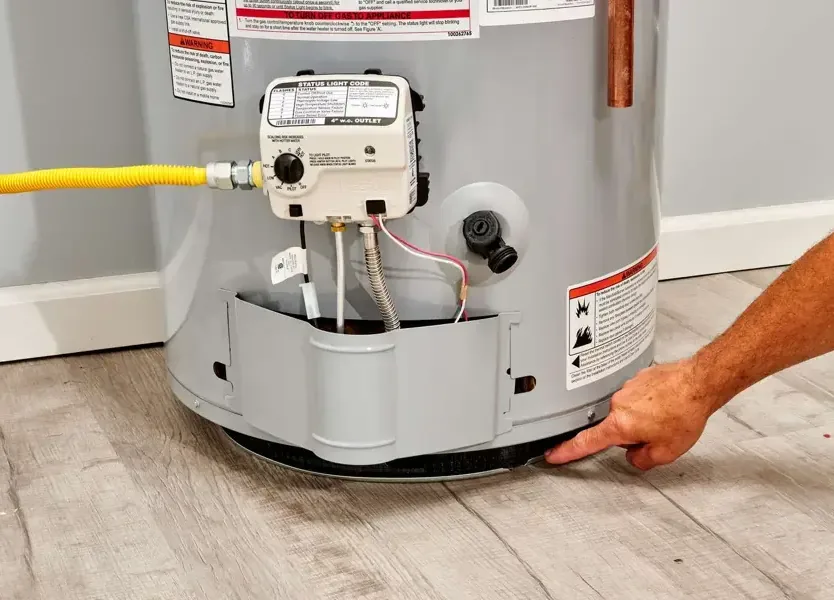 Water Heater Leak CleanupWater around a heater may reach platform edges, nearby storage and the adjoining room.Check around the heater
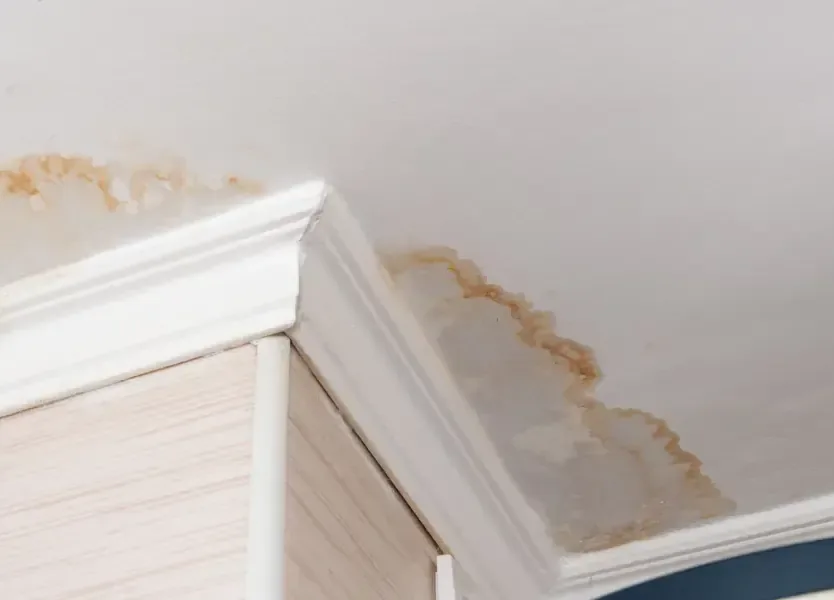 Ceiling Leak Water DamageOverhead staining needs an assessment of ceiling stability and moisture above the visible surface.Assess the overhead stain
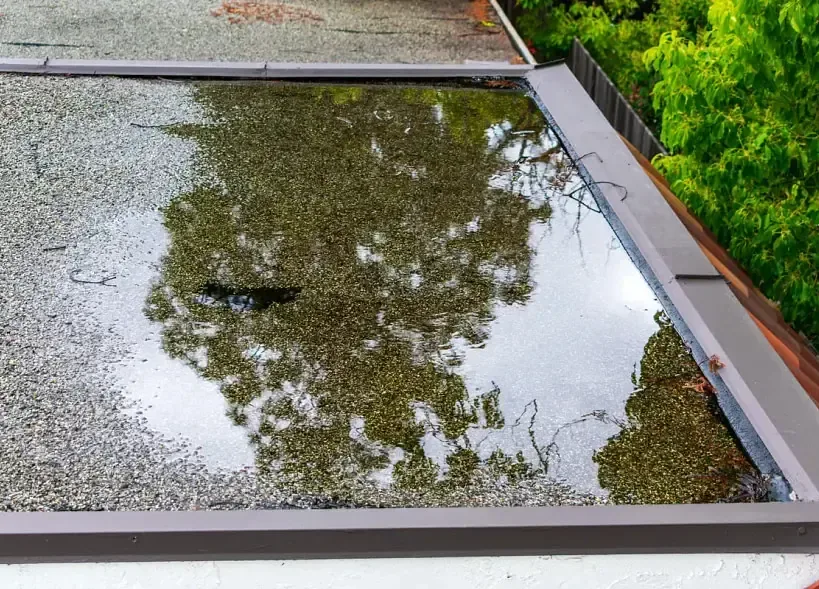 Roof Leak Water DamageRain entering overhead can travel through insulation before appearing on interior ceilings or walls.Trace indoor rain entry
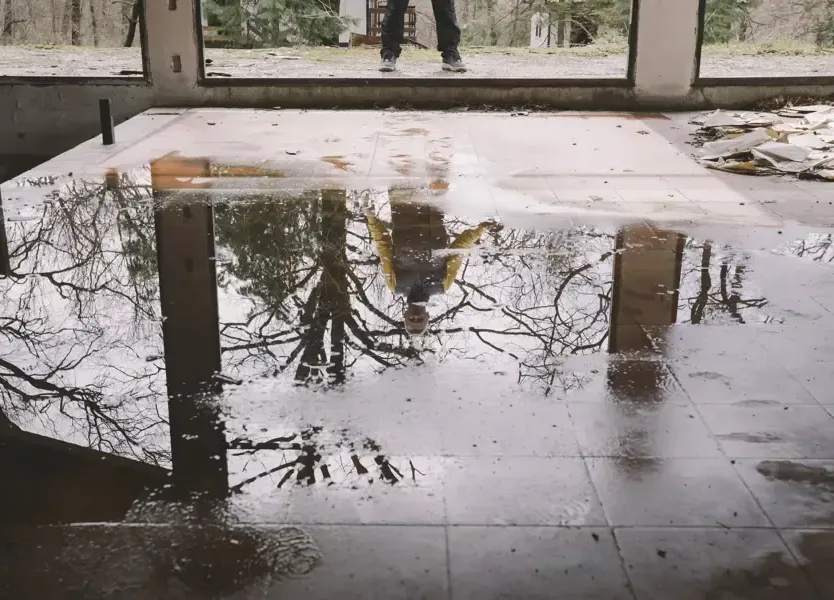 Storm Flood CleanupOutside water brings dirt indoors and changes decisions about porous materials and cleaning access.Plan muddy water cleanup
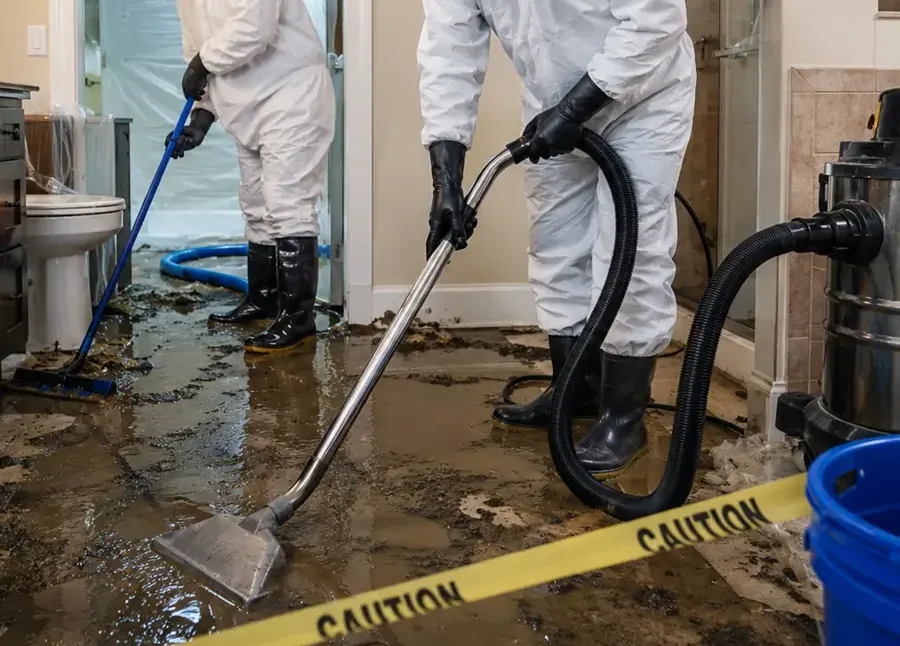 Sewage Backup CleanupA contaminated drain overflow needs separation from occupied rooms and careful handling of affected materials.Separate contaminated spaces
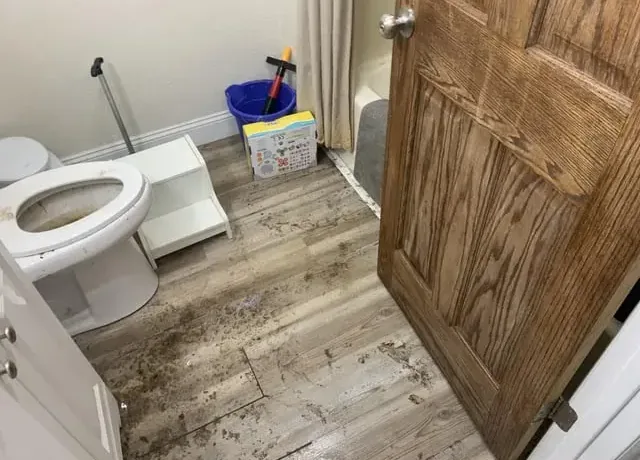 Toilet Overflow CleanupThe overflow source determines cleanup needs around the toilet base, flooring and nearby bathroom trim.Inspect the bathroom perimeter
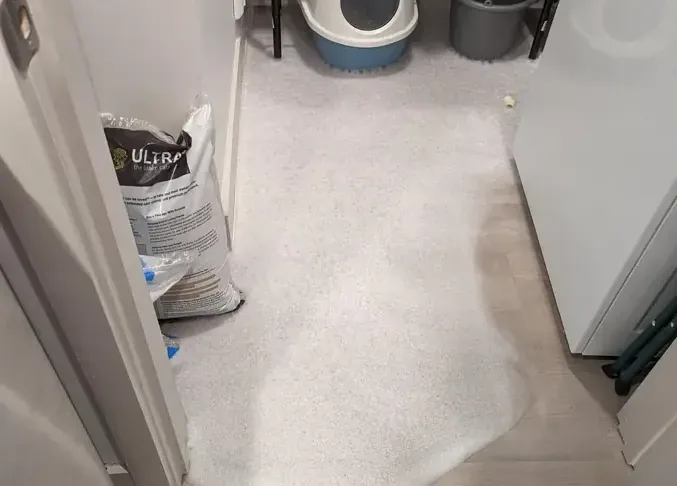 Appliance Leak Water DamageLeaking washers and dishwashers can send water beneath cabinets long before the puddle becomes obvious.Look behind wet cabinetry
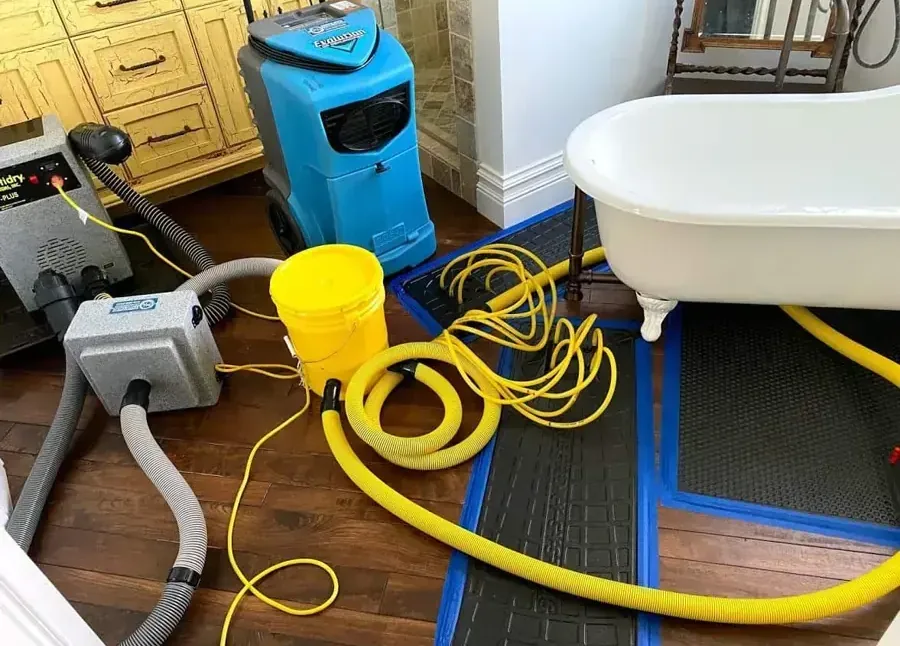 Shower Pan Leak Water DamageRepeated shower leakage warrants inspection beyond tile faces, including adjacent walls and the floor beneath.Investigate beneath the shower
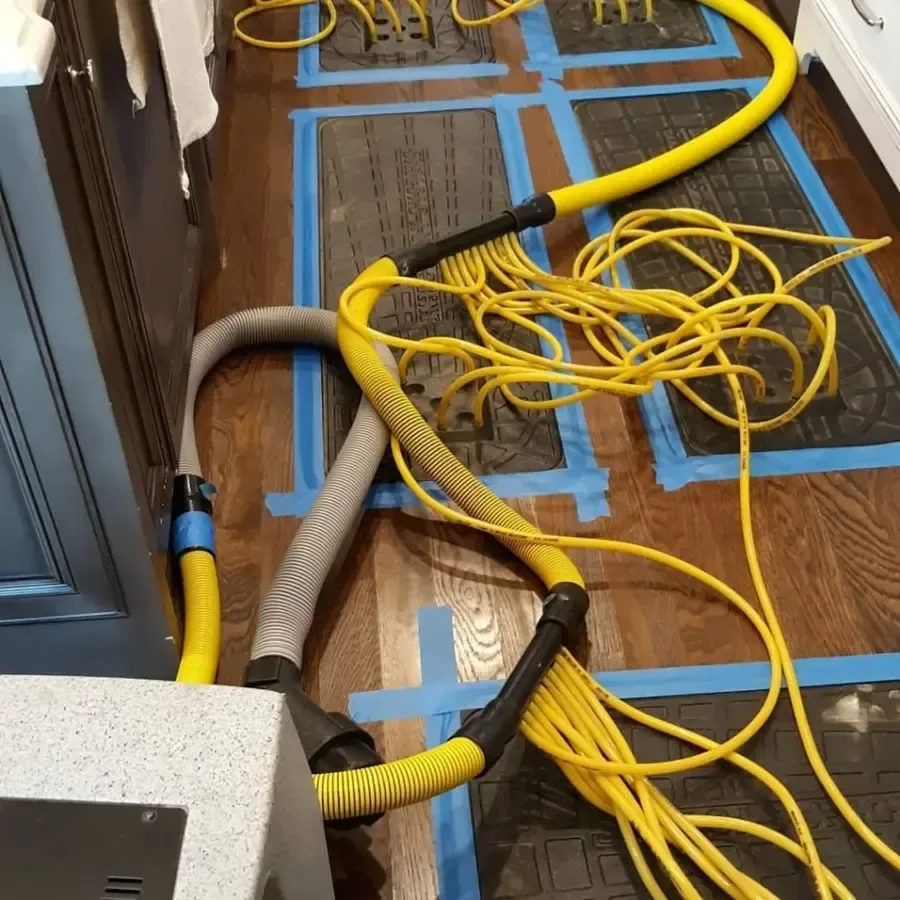
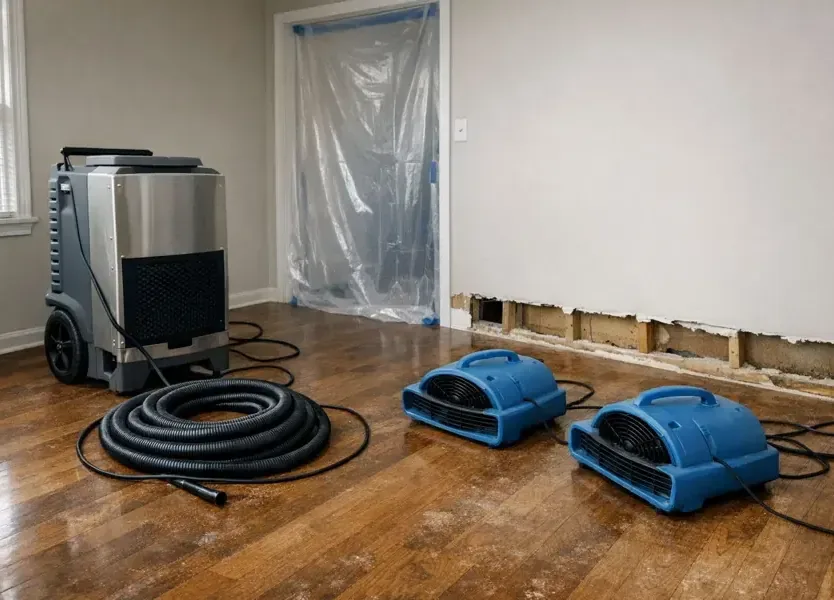 Structural Drying and DehumidificationMoisture measurements shape equipment placement and show whether concealed building materials are continuing to dry.Track moisture through drying
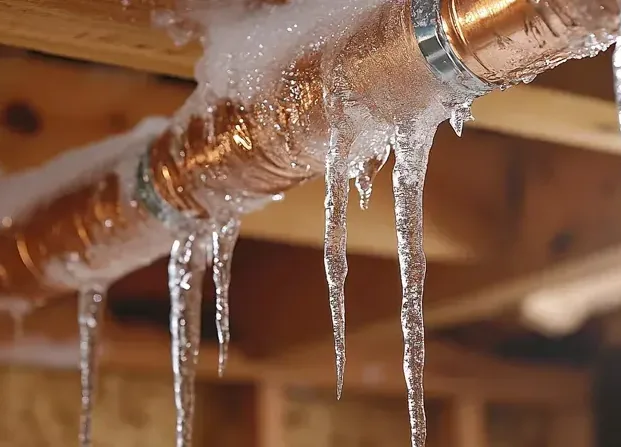 Frozen Pipe Water DamageA thawing rupture can release water into concealed spaces even after a cold spell passes.Assess damage after thawing
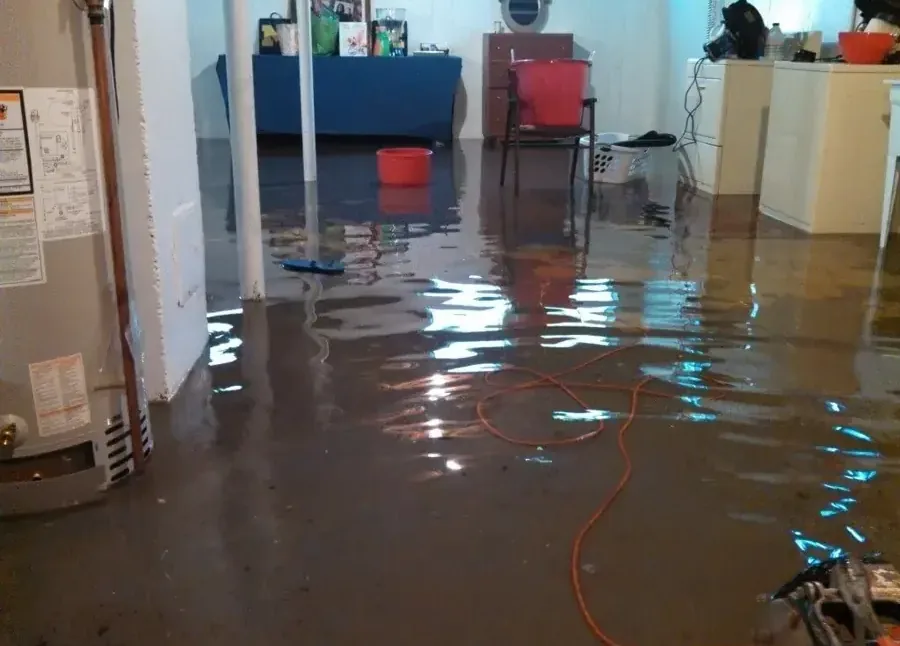 Basement Water RemovalLower-level water removal includes entry assessment, safe extraction and attention to finished wall bottoms.Clear the lower level
What affects restoration costs in Easton?
The cost depends on the amount of water, its condition and the materials it reached. A shallow accessible spill has different removal and drying needs from water concealed beneath flooring or contamination throughout a finished room.
These ranges describe cleanup planning, not a property-specific quote. The inspection establishes affected materials, equipment needs and any separate work required to stop the source.
Limited accessible damage
$1,000 to $2,500
Several affected assemblies
$2,500 to $7,500
Extensive interior involvement
$7,500 to $15,000+
Different sources require different handling
A fresh supply release
Water from a supply connection still needs prompt recovery. Contact with surrounding materials and time indoors affect how the cleanup is approached.
Recover accessible waterAn appliance discharge
Wash water can carry residue into flooring joints and cabinet bases. Cleanup considers the contents of the discharge as well as the amount released.
Inspect appliance runoffA sewage overflow
Drain contamination requires restricted access and deliberate handling of soaked porous finishes. Separating the affected room helps protect the rest of the property.
Address contaminated drainsDecisions should have a documented reason
A useful restoration record connects each action to an observed condition. Instead of relying on the appearance of a dry floor, it follows the affected materials from the first assessment through equipment adjustments and the final moisture assessment.
What the cleanup record captures
Initial condition
The first notes identify where water was found, which rooms were accessible and whether the release remained active. Photographs establish a starting point before furniture or damaged finishes move.
Material findings
Readings are associated with specific surfaces and locations. This makes a damp wall base distinguishable from a dry upper wall and helps explain why access is needed in particular areas.
Removal decisions
The record describes which materials were retained, lifted or discarded and why. Water condition, physical damage and access to concealed moisture all affect those decisions during the cleanup.
Drying adjustments
Equipment placement may change as different materials release moisture. Recording those changes helps connect the drying approach to the room's actual progress instead of an assumed fixed schedule.
Final assessment
The closing assessment compares the remaining readings with appropriate dry references. Any unfinished plumbing, roof or finish work is identified so the owner can arrange the necessary follow-through.
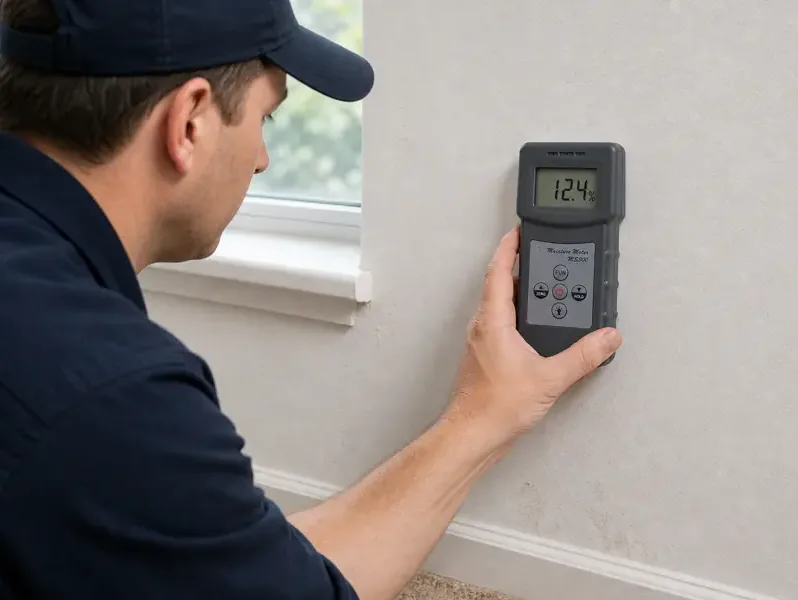
The visible surface is the starting point
Water can collect behind trim, beneath flooring and inside a wall even when the room looks nearly dry. An assessment compares those concealed possibilities with the actual moisture readings, then identifies what needs extraction, access, cleaning or controlled drying.
Define the boundary
Checks extend beyond the obvious puddle to adjoining finishes so the drying plan includes the full affected area rather than only its center.
Choose suitable access
The material's condition and the water source determine whether drying can proceed in place or whether damaged layers need removal for access.
Manage the indoor air
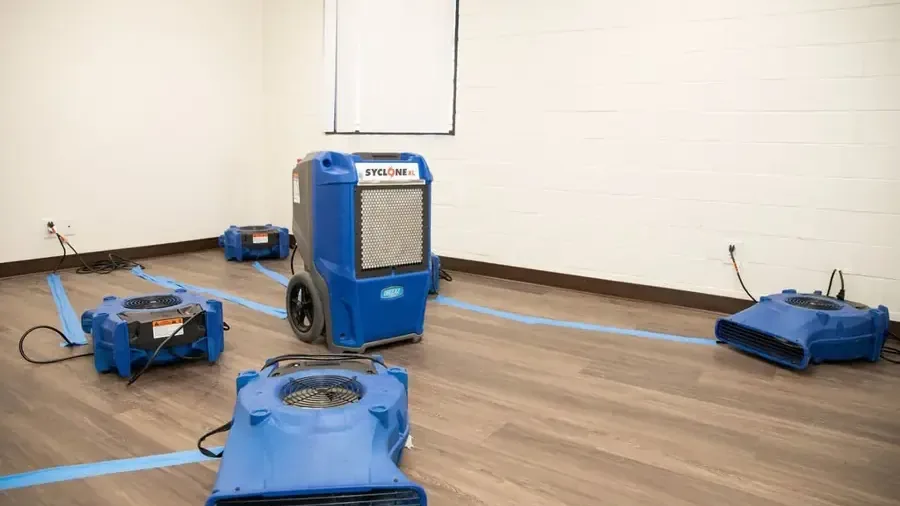
Air movement and dehumidification work together to carry moisture away from wet materials while controlling the room conditions around the drying equipment.
Document the finish
Closing records summarize material readings, remaining source concerns and any areas awaiting further work so the property owner understands the next practical step.
Records for a coverage discussion
Photographs, source notes and itemized restoration records help explain the damage. The insurer determines coverage from the policy and the circumstances of the loss.
- 1Capture affected rooms before moving damaged items when safe.
- 2Keep receipts for cleanup and necessary source work.
- 3Record when the water was first discovered indoors.
- 4List damaged contents separately from building finishes.
- 5Ask which documents the claim representative needs for assessment.
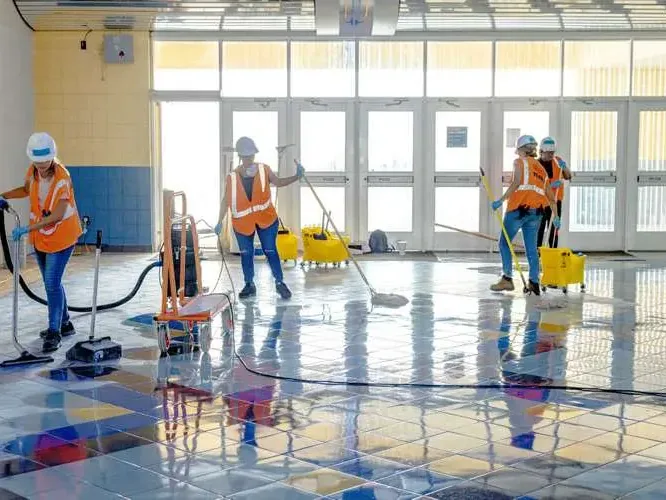
What water damage and drying can look like
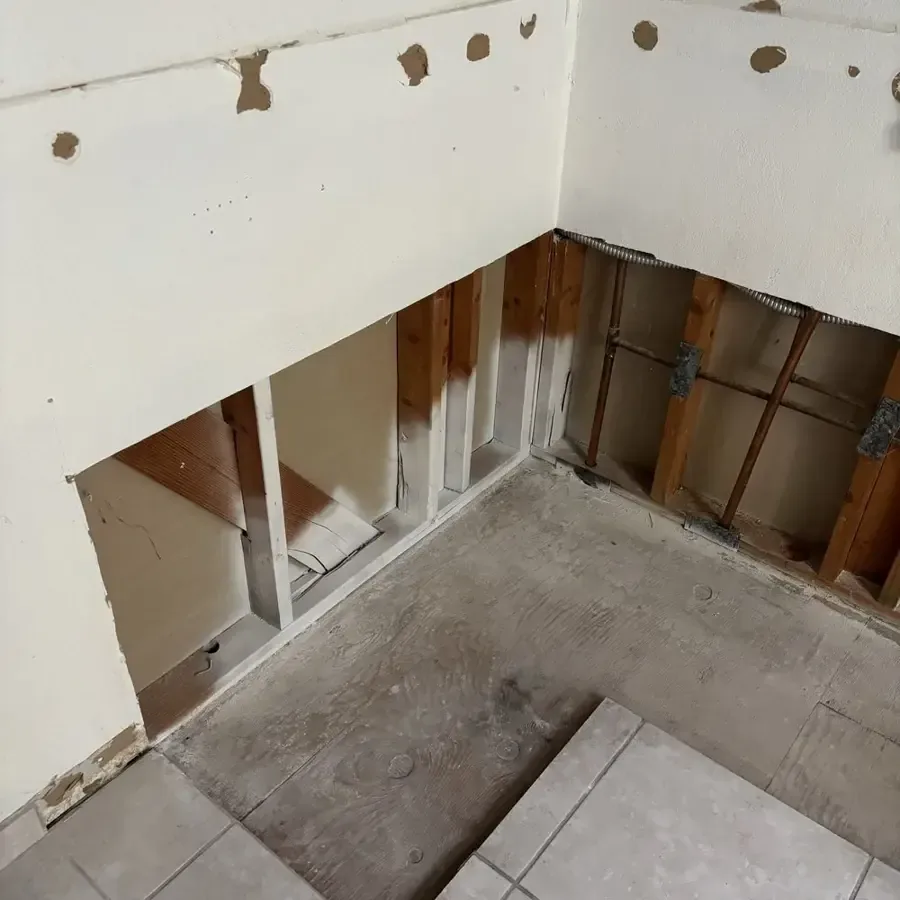
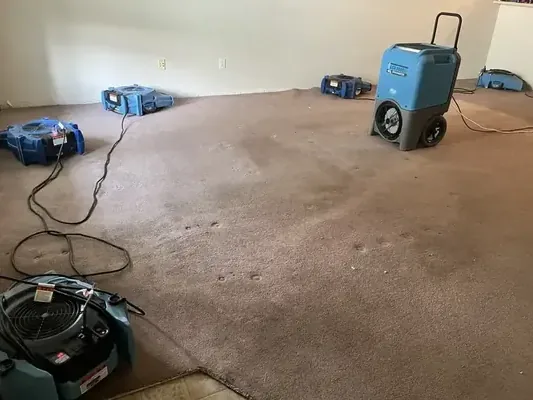
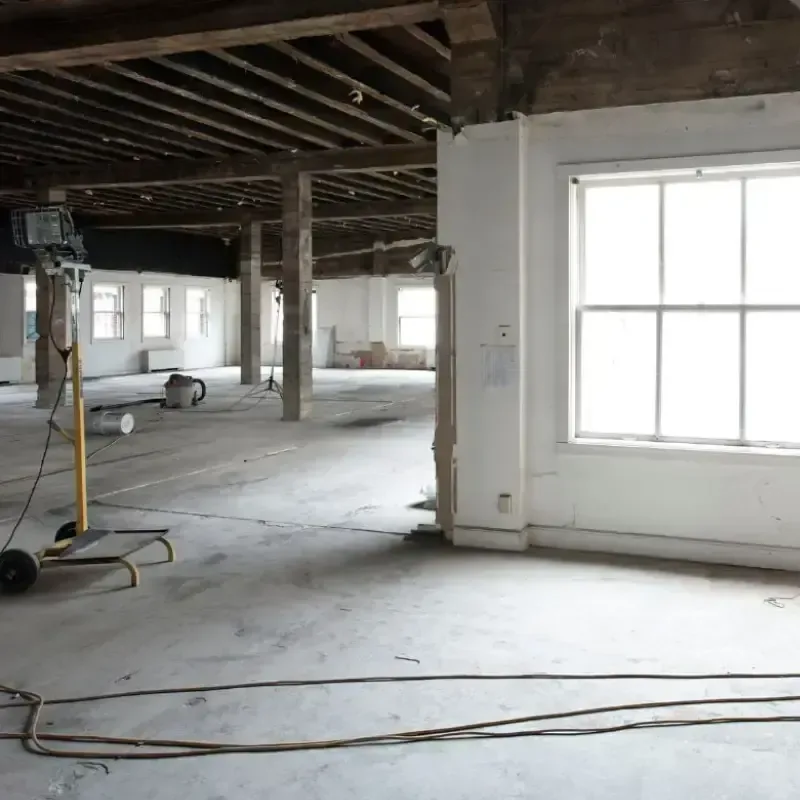
Easton homes and business interiors
Localities and connecting routes
Postal areas
Nearby service areas
Give the property location and access details
North Easton and South Easton have distinct postal areas. ZIP 02334 serves post office boxes, while 02357 serves Stonehill College; a property location is more useful than a ZIP alone.
For a cleanup request, identify the affected level and entrance restrictions. A description of the wet rooms helps establish the next assessment questions before equipment selection.
(888) 480-6221Explain the property's accessEaston, MA
[email protected]
Outdoor water and indoor damage
The town's waterways belong to the Taunton River Watershed. Outdoor water and an indoor plumbing release need different assessments, beginning with the route of entry and the condition of affected building materials.
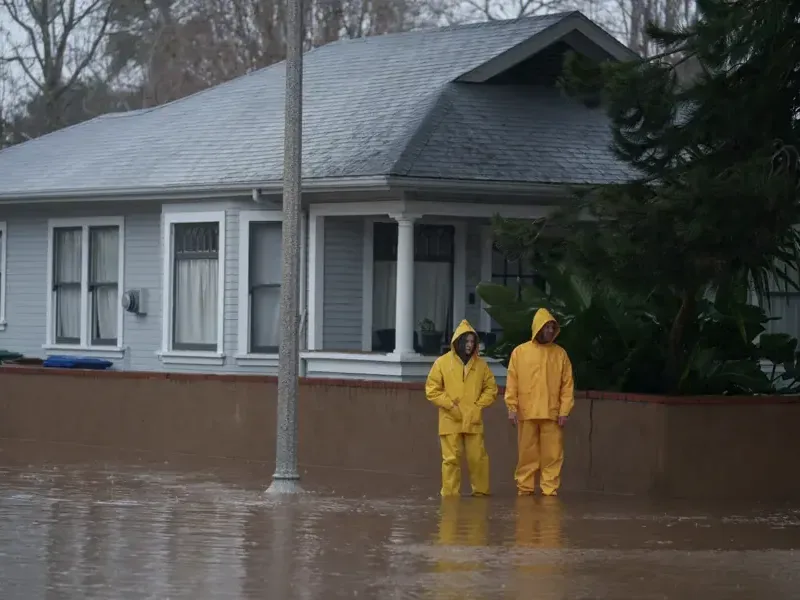
Hockomock Swamp provides natural flood control for the region. Its wetland system includes freshwater wetlands, woodland swamp, ponds and streams, making water storage part of the surrounding landscape.
Borderland State Park occupies part of the town's northwest, while Wheaton Farm Conservation Area lies in the southwest. Leach Pond is within the state park and adds another named water feature.
- Water entering below A wet lower level needs a check of the entry route before extraction begins, especially if additional water continues to arrive.
- Concealed supply leakage A stain beside a pipe chase can extend beyond its visible outline. Material measurements help identify the actual wet boundary.
- Overhead rain entry Roof leakage may appear away from the original opening after traveling across framing. Interior cleanup includes the hidden route overhead.
- Fixture contamination A backed-up fixture can affect adjoining flooring and trim. Occupants should keep away from the spill until contamination is assessed.
- Incomplete drying A dry-looking finish can cover wet material. Follow-up readings help prevent closing an assembly while moisture remains trapped beneath it.
Questions after discovering water damage
Describe what changed in the room
A short account of the source and wet surfaces helps focus the first conversation about practical cleanup.
(888) 480-6221Talk through the damage01Is a dry-looking floor enough to finish cleanup?
The crew checks moisture in the layers beneath the visible surface before closing the drying work. A floor can lose its visible puddle while the underlayment or wall base stays wet. Material readings help determine whether additional extraction, access or drying is still needed before finishes are closed.
02What information helps with the first cleanup call?
The most useful details are the apparent source, whether water is still entering, the affected level and the materials involved. A caller can also mention unsafe electrical conditions, sewage or a sagging ceiling. Those observations help shape the initial assessment and access plan.
03Can furniture stay in an affected room?
That depends on the water condition and the space needed for cleanup. Contents may need relocation or isolation to expose wet flooring and allow equipment access. Heavy items should remain undisturbed when moving them would require entering standing water or crossing an unsafe surface.
04Who determines whether insurance covers the loss?
The insurer examines the policy and the cause of the damage. Restoration photographs and work records describe the affected property and the cleanup performed. They support that assessment, but the coverage decision and any deductible remain matters for the insurer and policyholder.
05Does the entire wet floor need replacement?
The decision depends on the flooring material, the condition of the water and whether the underlying layers can dry. Some finishes can be retained; others lose their integrity or prevent access. Inspection should establish the affected assembly before a removal decision is made.
06What happens if a pipe is still leaking?
Source correction and restoration need coordination. Extraction cannot provide a lasting result while a pipe continues releasing water into the same cavity. A plumbing professional addresses the defect, while the cleanup scope identifies water already absorbed by surrounding walls, ceilings or floor materials.
07Why might drying equipment need to move?
Different materials dry at different rates, and a room's moisture pattern changes during the work. Equipment may be repositioned to reach a remaining wet area or improve airflow. Progress readings should explain those adjustments and show which materials still need attention before completion.
08Should occupants walk through a sewage spill?
Access should remain restricted to prevent spreading contamination to other rooms. Footwear, contents and cleaning tools can carry residue across the property. A cleanup assessment establishes containment, removal and surface treatment needs before the affected space is returned to ordinary household use.
09Does a nearby wetland determine the cleanup approach?
The actual water inside the building determines the work. Its source, contamination, depth and contact with materials all matter. A property beside a wetland still needs an individual assessment, just as an appliance leak requires tracing the discharge through the specific room involved.
Make the next step specific to the damage
Describe the wet surfaces, active source and affected floor of the building. That information starts a practical conversation about removal, cleaning and drying.