Water Damage Restoration in Westwood
A wet room needs a clear next step. Water damage restoration in Westwood starts by separating the source problem from the soaked materials, then planning removal, cleanup and drying around the actual damage.
(888) 480-6221Discuss the wet roomsA clear description of the leak helps establish the right cleanup priorities before work begins.
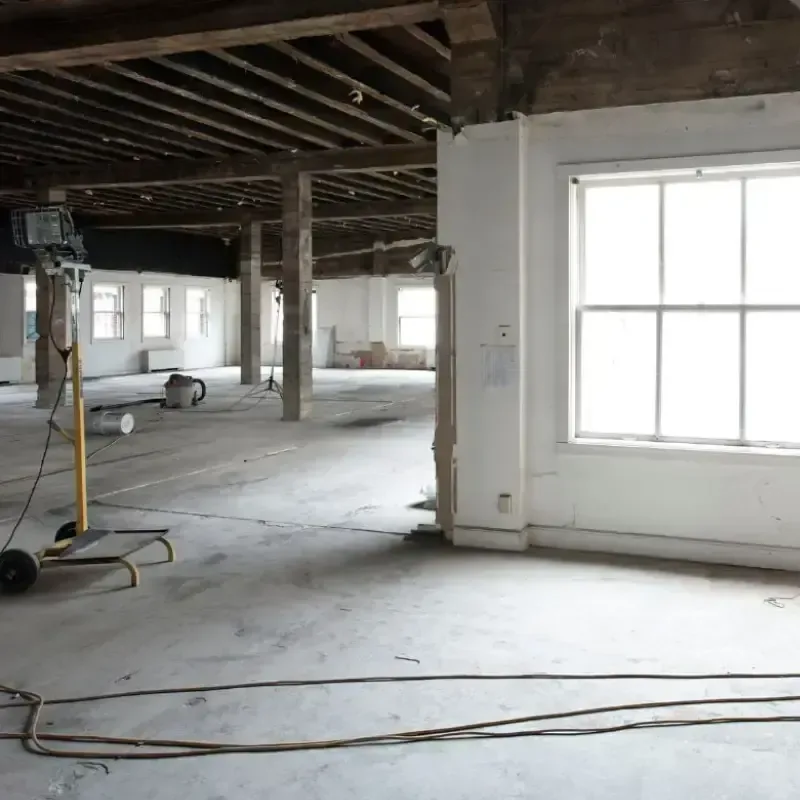
Make the next decision from a safe position
- 1
Keep clear of hazards
Standing water near powered equipment, outlets or a sagging ceiling deserves a safe boundary. Occupants should leave the affected space until access can be assessed.
- 2
Stop an indoor supply leak
The district directs customers to the inside valve near the meter for an emergency indoor leak. That valve should only be approached when conditions are safe.
- 3
Record the visible spread
Photos taken from dry areas can capture wet flooring, stained ceilings and damaged contents. A short timeline also helps distinguish continuing leakage from water already released.
- 4
Explain what has changed
A caller can describe the first wet location, whether water remains active and which adjoining rooms are affected. Those details help shape the initial cleanup discussion.
Follow the water to the right service
A ceiling drip, a laundry spill and outside floodwater call for different decisions. Select the visible problem below to understand the affected materials, source checks and cleanup priorities involved.
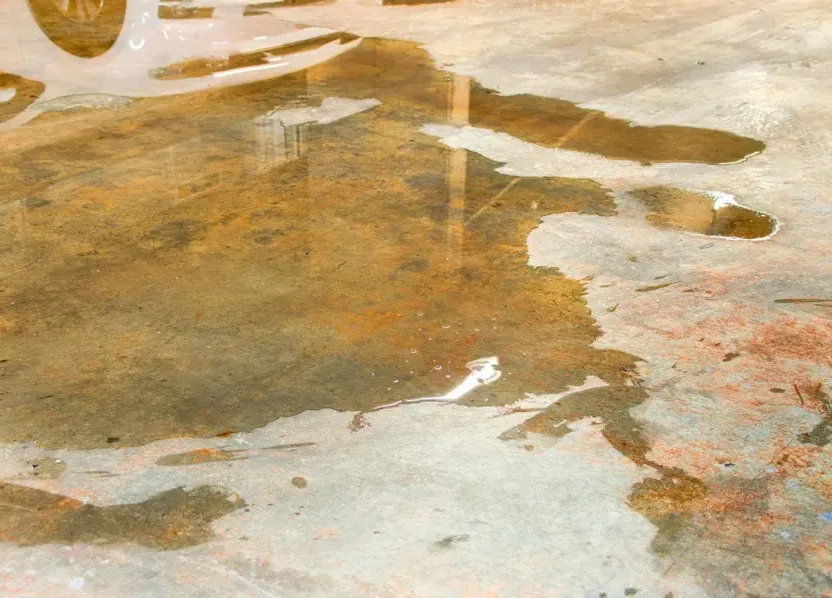 Slab Leak Water DamageMoisture beneath flooring needs careful mapping before decisions about access, extraction and concrete drying begin.Examine moisture beneath finishes
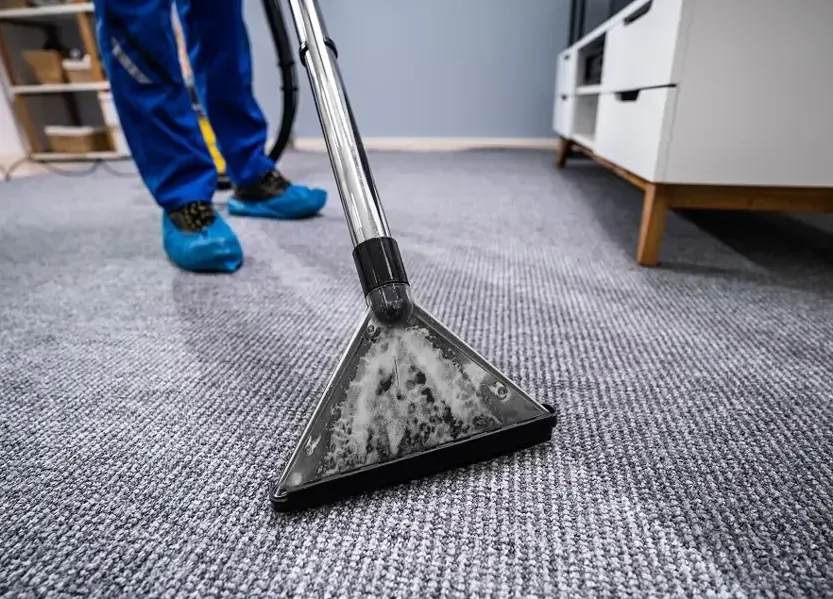 Water Extraction and RemovalStanding water removal clears the way for checking wet carpet, floor edges and adjoining rooms.Address pooled water first
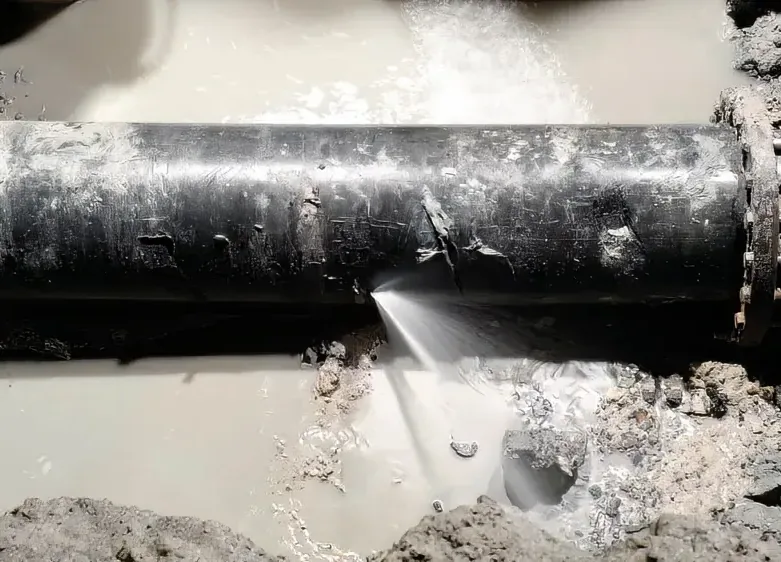 Pinhole Leak Water DamageA persistent concealed spray can soak a wall cavity well beyond the first visible mark.Investigate the concealed spray
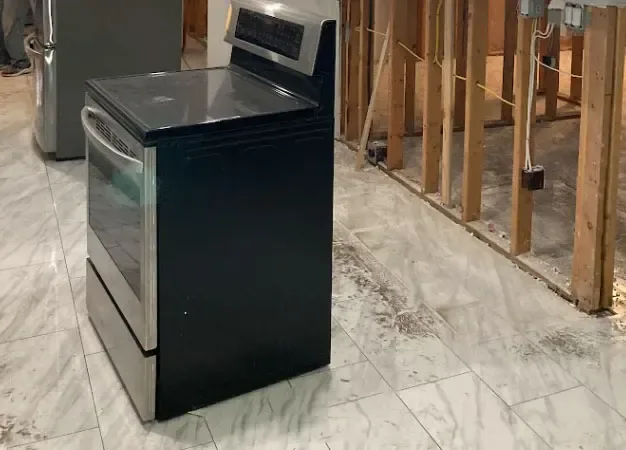 Burst Pipe Water DamageSudden pipe releases require source isolation and an organized response across every room water reached.Manage a sudden pipe release
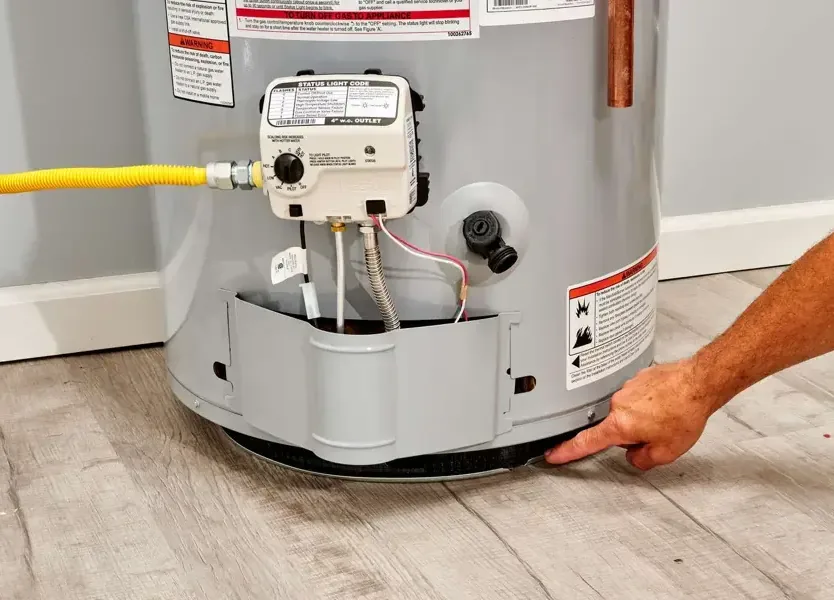 Water Heater Leak CleanupPuddles at the heater can spread beneath nearby flooring while the equipment fault receives attention.Check the equipment footprint
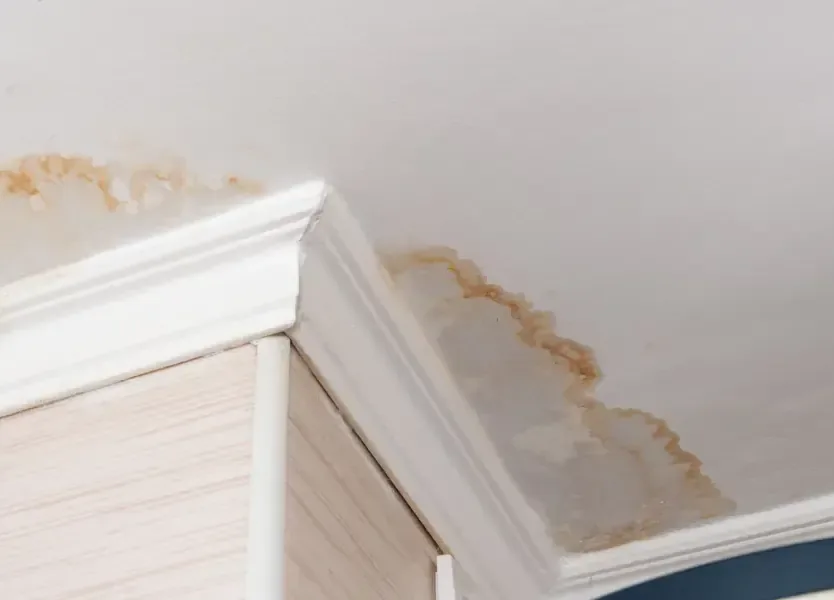 Ceiling Leak Water DamageOverhead drips need source tracing, safe access and checks of the room directly beneath them.Trace the overhead drip
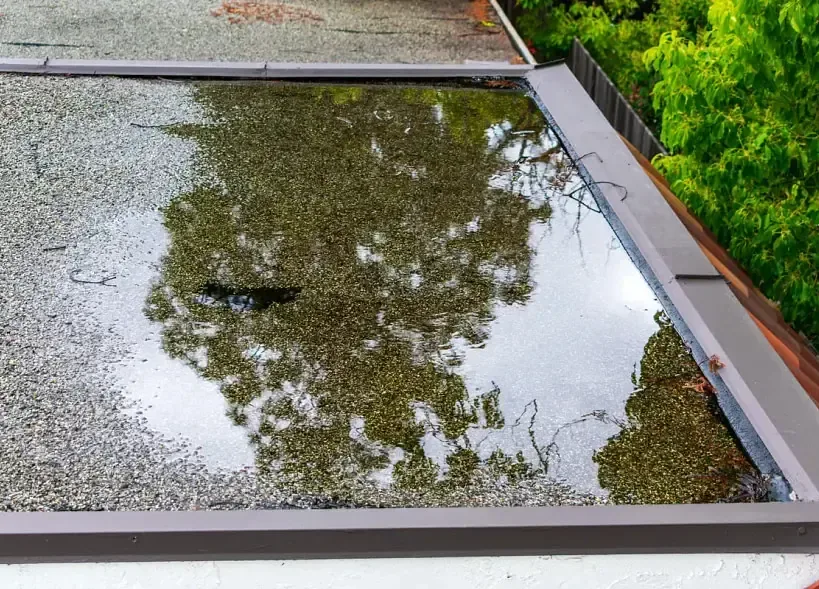 Roof Leak Water DamageRain entry can wet insulation and interior finishes along a route hidden above the ceiling.Follow rainwater inside
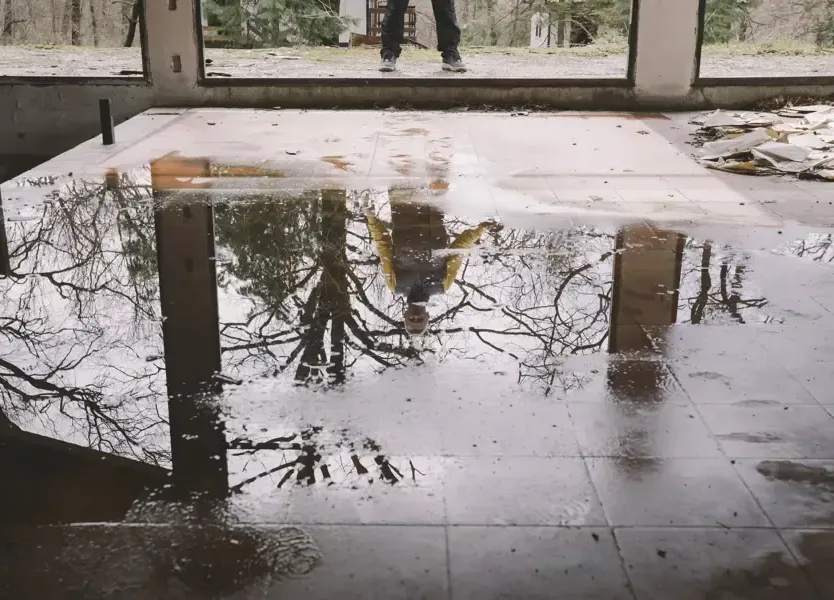 Storm Flood CleanupOutside water leaves debris and contamination concerns that shape material removal and the cleaning sequence.Plan contaminated flood cleanup
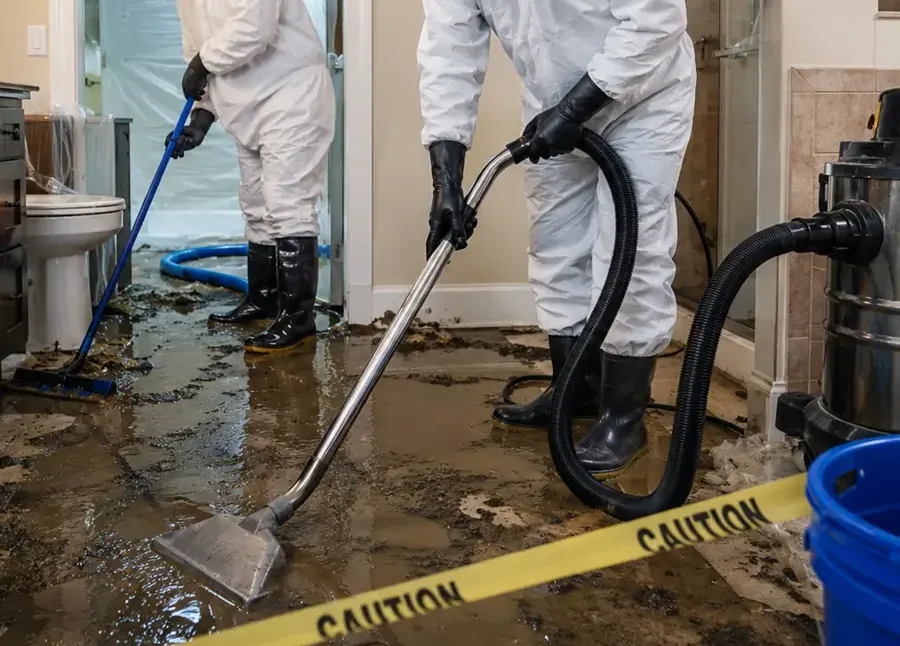 Sewage Backup CleanupDrain backups need restricted access, controlled removal and decisions about porous materials touched by sewage.Separate sewage affected surfaces
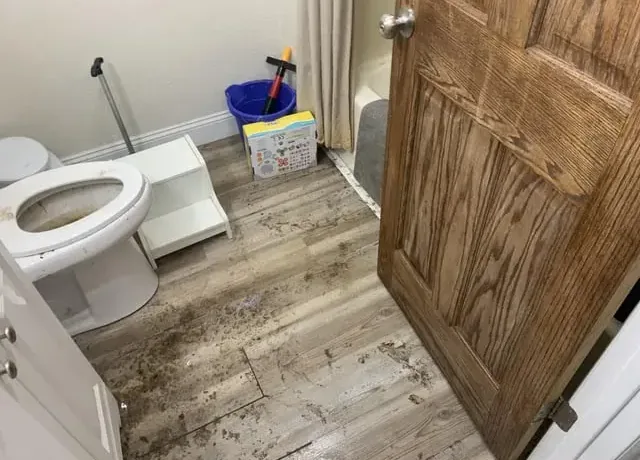 Toilet Overflow CleanupBathroom overflow cleanup depends on what escaped and whether it traveled beneath the visible floor.Check wet bathroom finishes
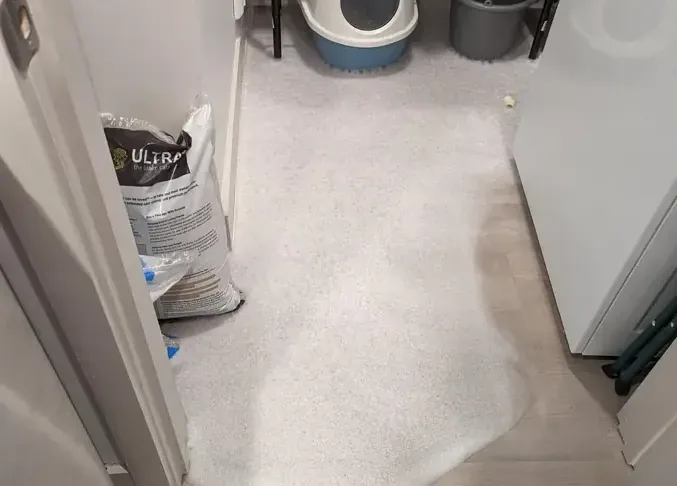 Appliance Leak Water DamageLeaks behind kitchen and laundry appliances can wet cabinet bases before an open puddle appears.Look behind wet cabinets
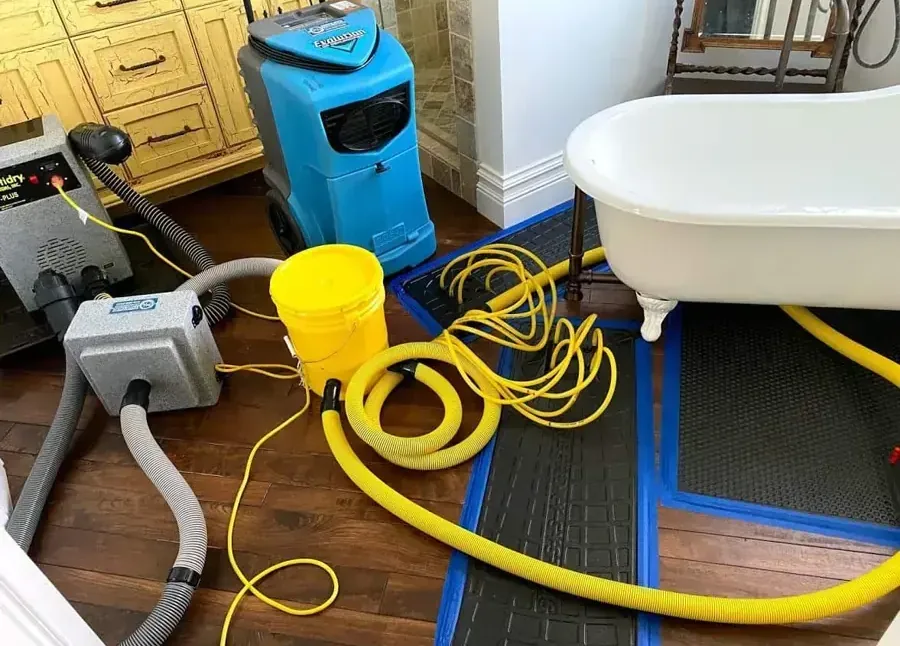 Shower Pan Leak Water DamageRepeated shower wetting calls for source testing and inspection of the adjoining walls and subfloor.Inspect beneath the shower
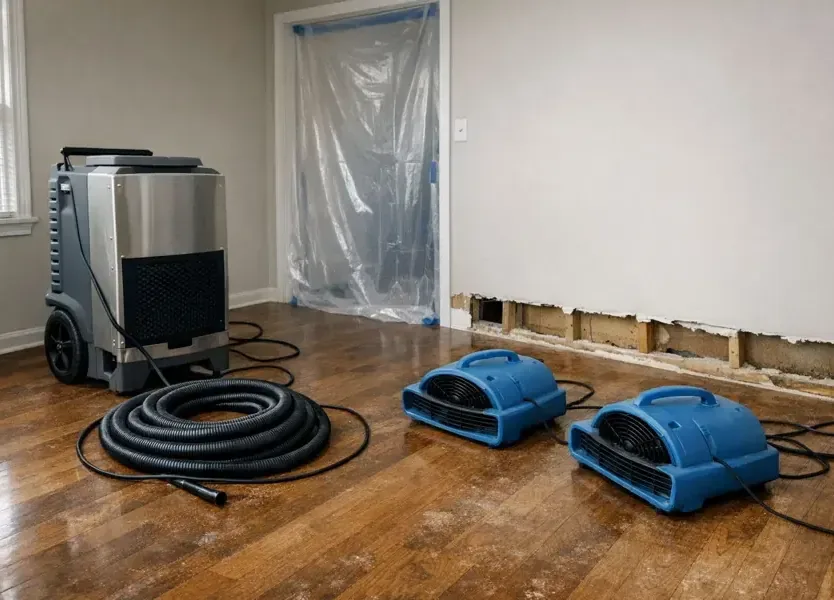 Structural Drying and DehumidificationTargeted airflow and dehumidification help release retained moisture from materials after accessible water is removed.Measure drying progress
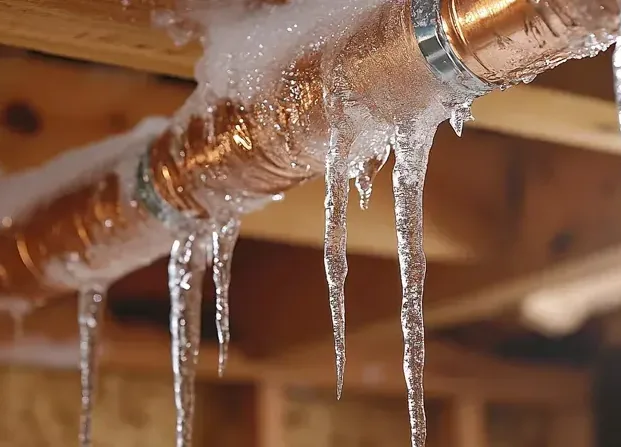 Frozen Pipe Water DamageA thaw can reveal several damaged pipe sections, making controlled source checks essential before drying.Control the thaw release
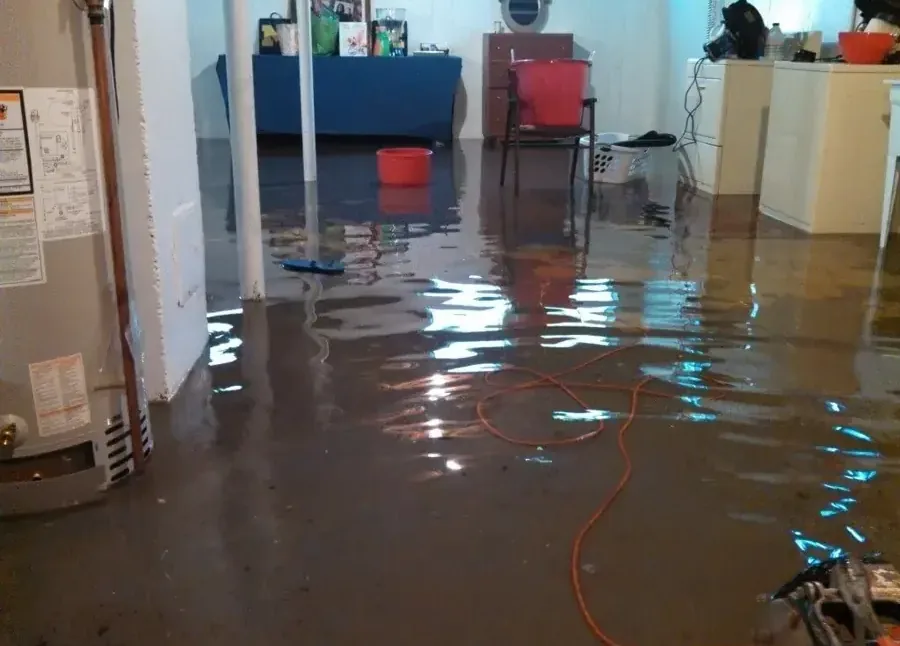 Basement Water RemovalLower level water removal includes access planning, contents protection and inspection of wall bottoms afterward.Recover the lower level
What affects water cleanup costs in Westwood?
The amount of water is only part of the estimate. Access behind finishes, contamination, contents handling and the materials needing drying all affect the scope. A written assessment should connect the price to those specific tasks.
These planning ranges describe cleanup scope. Source repairs, replacement finishes and other separate work should be identified clearly when the property receives its own estimate.
Contained interior wetting
$1,000 to $2,500
Connected room damage
$2,500 to $7,500
Extensive affected assemblies
$7,500 to $15,000+
Water condition changes the cleanup sequence
A fresh supply release
A stopped indoor supply leak may permit drying of sound materials after extraction. The inspection still checks where water traveled and how long materials remained wet.
Explore water removalAppliance water and residues
Laundry and kitchen spills can carry residues into seams and cabinet spaces. The appliance involved and its operating cycle help shape cleaning and material decisions.
Assess appliance spreadDrain waste indoors
Sewage affected spaces require controlled access and deliberate handling of contaminated materials. The cleanup crew assesses water contact and material absorption before separating salvageable items from porous finishes requiring removal.
Arrange sewage cleanupDocument the changes inside the wet area
An organized record turns a confusing water loss into a sequence of decisions. Initial findings, material handling and later measurements should describe the same affected space so the owner can follow what changed during cleanup.
What the record should explain
Source status
The starting notes distinguish a stopped release from an unresolved source and identify any separate plumbing or roof work needed before the affected assembly can return to normal use.
Damage outline
Room names, photographs and wet material locations establish a working boundary. Further inspection may extend that boundary into a closet, adjoining room or cavity that initially looked unaffected.
Handling choices
The record explains which belongings moved, which finishes remained for drying and which materials required removal. Contamination and physical damage help determine the appropriate treatment for each item.
Drying adjustments
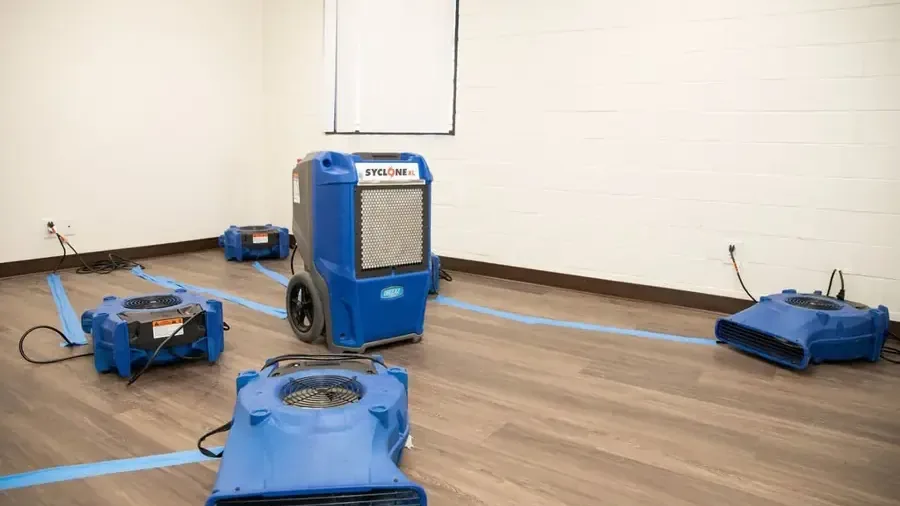
Equipment locations and moisture observations show how the drying plan responds to the assembly. A slow area may need better access rather than another appliance in the middle of the room.
Completion notes
Final observations describe retained materials and any separate work still required. That distinction helps prevent a clean, dry space from being mistaken for a fully rebuilt or source repaired room.
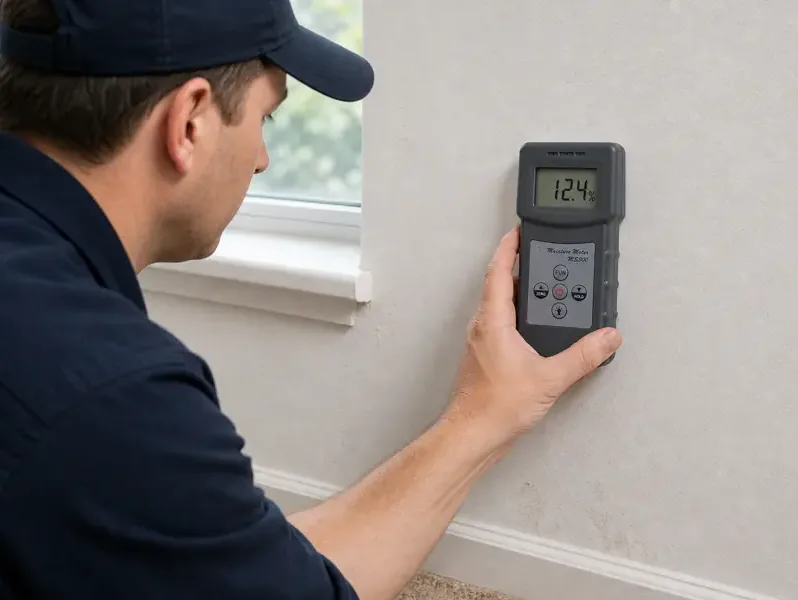
Look beyond the surface that feels dry
Water can leave a visible floor while remaining inside a cabinet base or wall. The cleanup scope follows those hidden connections, with access decisions tied to material condition, contamination and moisture readings instead of appearance alone.
Water path
The assessment follows the leak from its entry point into connected finishes, so isolated stains receive context before any drying equipment is positioned.
Contents decisions
Movable belongings are considered separately from building materials, with wet items documented and separated where safe to protect usable space during cleanup.
Practical access
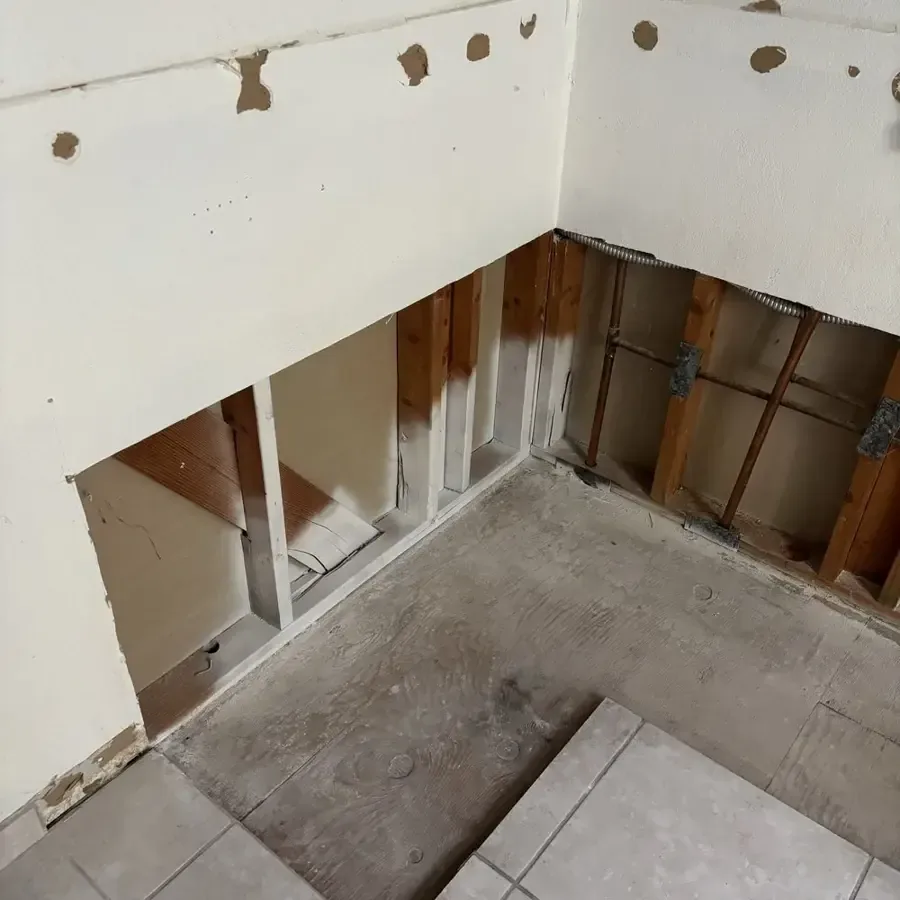
Access openings are planned around the wet assembly and the work needed, with a clear explanation of what can be reached and dried.
Measured endpoint
Drying decisions depend on repeated material readings and conditions inside the work area, giving the owner a useful record of progress toward completion.
Prepare a clear loss record
Photos and itemized work records help explain the damage when discussing a claim. The insurer determines coverage under the specific policy and circumstances.
- 1Photograph the first visible water from a safe location.
- 2Record when the leak was noticed and stopped.
- 3Keep plumber findings with the cleanup paperwork.
- 4List affected contents by room and condition.
- 5Retain estimates, invoices and the final drying record.
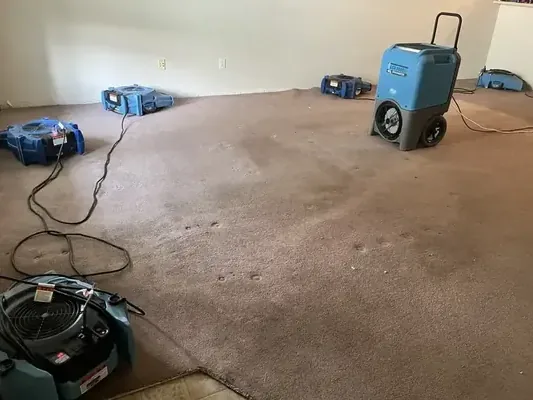
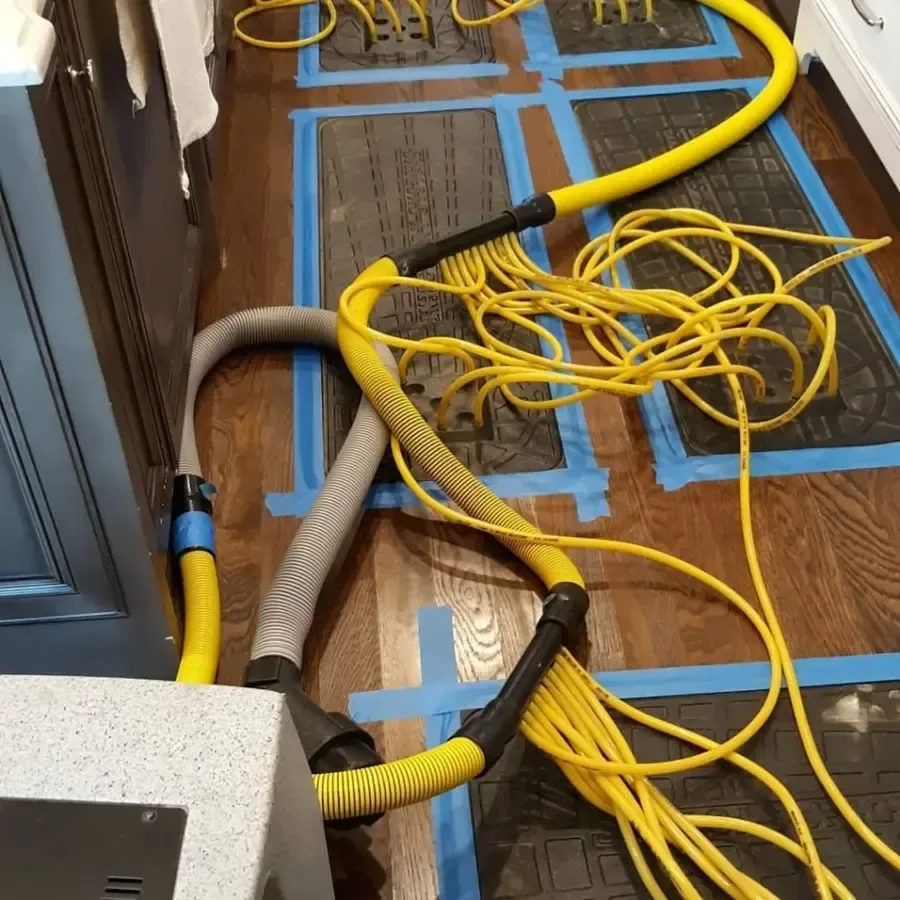
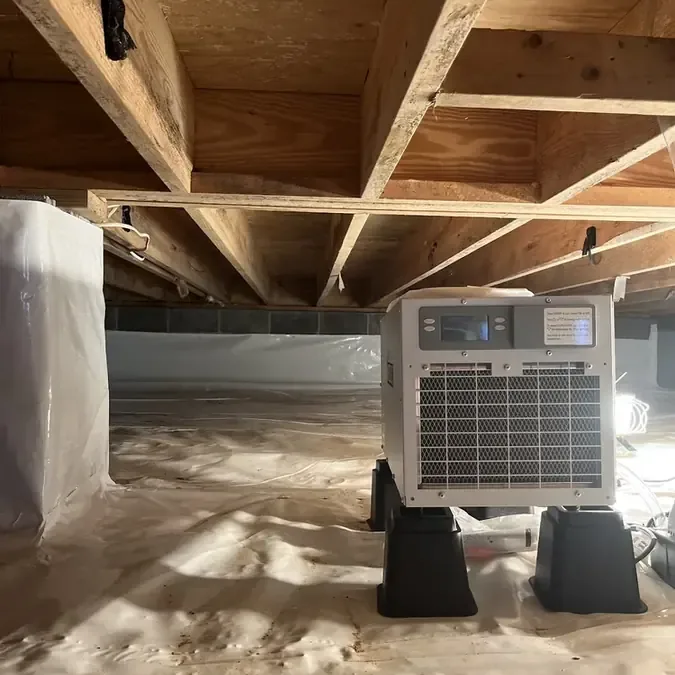
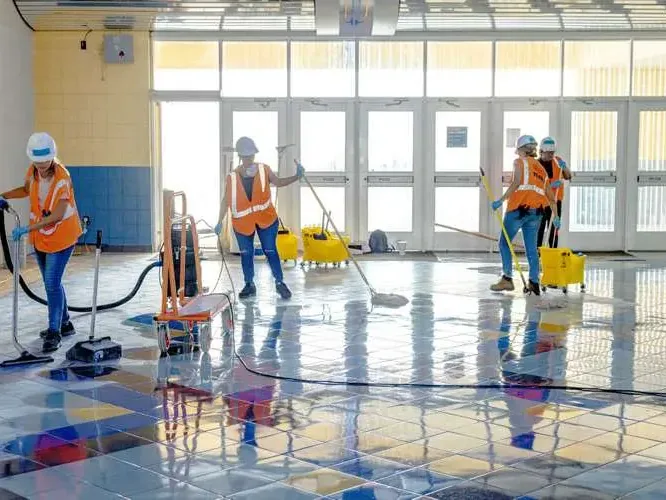
Materials, access and equipment during cleanup
Describe the location and the affected space
Local places and corridors
Town ZIP
Nearby service areas
Useful details for the first conversation
The response discussion can begin with the neighborhood, access conditions and the kind of property involved. Islington and University Station provide recognizable location references within town.
For a home or business, the important interior details are the water source, affected rooms and any safety concern. Access information helps organize the next assessment.
(888) 480-6221Describe access and damageWestwood, MA
[email protected]
Know the shutoff and watch for changes
Dedham-Westwood Water District identifies several household leak warning signs. Its advice connects everyday observations with practical source control, including use of the inside valve near the meter during an emergency indoor leak.
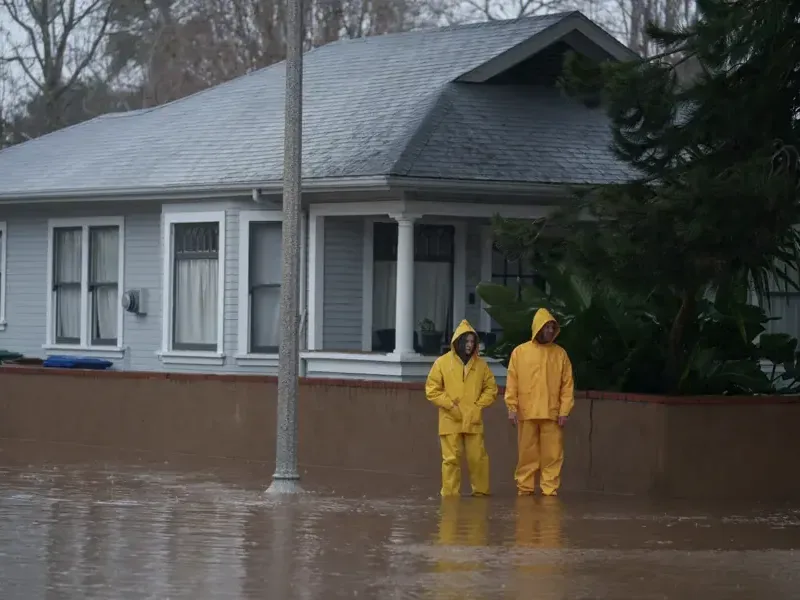
The district directs customers to the valve near the meter for emergency indoor leaks. If that valve fails, the district handles the curb box shutoff.
An unheated vacant property needs plumber winterization under the district's advice. Protecting the water system before an absence is separate from cleaning up a discovered release.
- Cabinet puddles Water beneath a sink cabinet can signal a fixture supply leak. Stored items may hide the earliest wet area from ordinary view.
- Appliance connections The district calls attention to dishwasher and washing machine connections. Dripping there warrants checking adjoining flooring and cabinet edges as well.
- Overhead drips Ceiling water appears on the utility's leak checklist. The source inspection and the condition of overhead finishes both deserve attention.
- Yard bubbling The district asks customers to report bubbling water in a yard or street. Indoor cleanup depends on any water entering the building.
- Heater base Checking a water heater for leaking or puddling is part of the district's advice. Nearby finishes also need inspection after a spill.
Questions after discovering a water problem
Describe the first wet spot
A short description of the source and affected rooms helps organize a useful initial cleanup conversation.
(888) 480-6221Explain the water problem01Where does an indoor leak get shut off?
Dedham-Westwood Water District directs customers with an emergency indoor leak to the inside valve near the meter. Safe access comes first. A failed inside valve requires contacting the district for curb box shutoff, which only the district may operate.
02Does a dry floor mean cleanup is finished?
A floor can look dry while its underlayment or the bottom of a wall remains wet. Inspection should account for those connected materials. Drying progress is assessed through material readings and physical condition, with attention to the original route of the water.
03Can ceiling drips come from plumbing?
The utility includes ceiling drips among its interior plumbing leak warning signs. A source assessment considers the fixtures, piping and other entry routes above the stain. The room below also needs a check for splashes, soaked contents and unsafe overhead material.
04Who handles the private water service pipe?
Customers are responsible for the water service pipe between the shutoff valve and the home or business, as well as plumbing on private property. The district handles the street main and its connection to the shutoff valve. Those responsibilities help direct source repair questions.
05Should a wet washing machine area be checked?
The district lists dripping or puddling at washing machine connections as warning signs. Water may pass beneath the appliance or into adjoining finishes. Cleanup planning should include the concealed floor area and any nearby wall base that received the release.
06What is different about a sewage spill?
Drain waste changes both access and material handling. Occupants should stay out of affected rooms while the contamination boundary is assessed. Some porous materials need removal, and retained surfaces need appropriate cleaning before the drying plan can address remaining moisture in the assembly.
07Can a business organize cleanup around occupied rooms?
A commercial assessment can separate affected spaces from areas suitable for continued use. Access, contamination, electrical conditions and the water path determine that boundary. Managers should identify equipment, stock and shared spaces so the cleanup scope reflects actual operations and property conditions.
08What information helps with an insurance discussion?
Useful records include dated photographs, the discovery timeline, source repair findings and an itemized cleanup scope. Drying observations and invoices add detail later. Coverage decisions belong to the insurer and depend on the policy, cause and circumstances of the particular water loss.
09How should an unheated vacant property be prepared?
The district advises having a plumber winterize a vacant property that will remain unheated. It also assigns customers responsibility for frozen meter repairs when adequate heat protection was absent. Preparation should occur before the property is left in conditions that expose its water system.
Turn a wet room into a clear work scope
Call to discuss the affected rooms, current source condition and access concerns. The next step is a cleanup plan tied to the property's actual damage.