Pinhole Leak Water Damage in Westwood
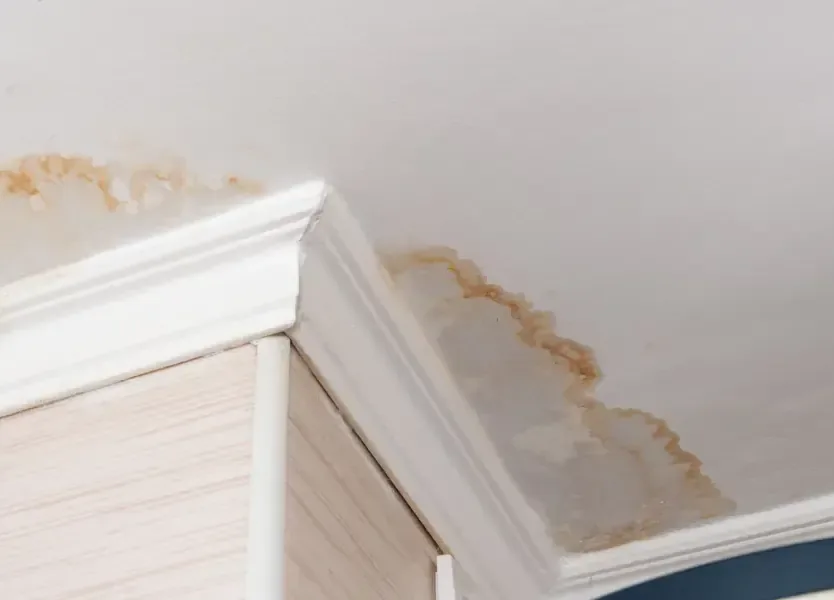
A faint stain can be the visible end of a persistent pipe spray. Pinhole leak cleanup in Westwood examines the cavity behind the mark and the connected finishes before setting the drying scope.
(888) 480-6221Investigate the recurring damp patch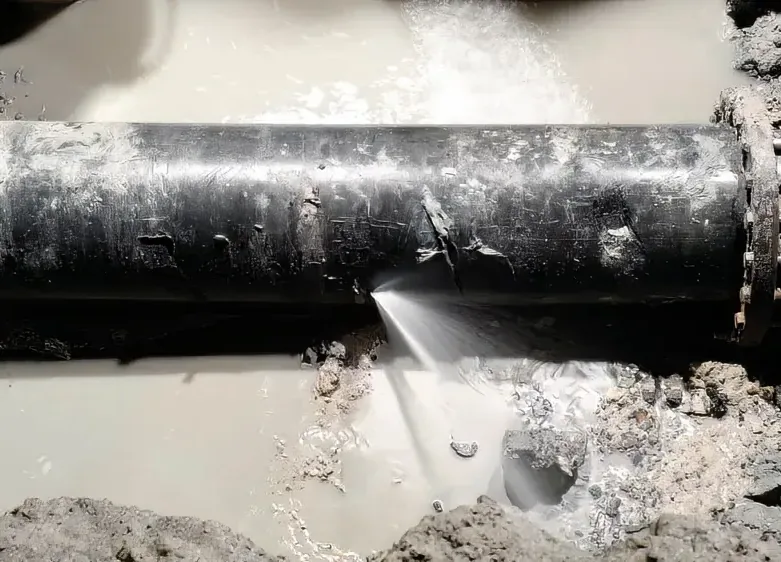
First steps for pinhole leak water damage in Westwood
- 1
Mark the discovery details
A simple note about when discoloration appeared and whether it changed after water use helps preserve the history before the affected wall or ceiling receives any further work.
- 2
Control continuing supply water
An active indoor plumbing leak needs a safe shutoff. The district's designated inside valve is near the meter; inaccessible or failed controls require a separate source isolation response.
- 3
Leave openings available
If a plumber has exposed the pipe, avoid covering that access before the surrounding wet materials are assessed. The opening may reveal moisture beyond the repaired section itself.
- 4
Describe both wall faces
A closet, cabinet or another occupied room may sit behind the visible stain. Identifying those connections helps the assessment inspect the concealed spread with fewer missed wet surfaces.
How pinhole leak water damage work is done in Westwood
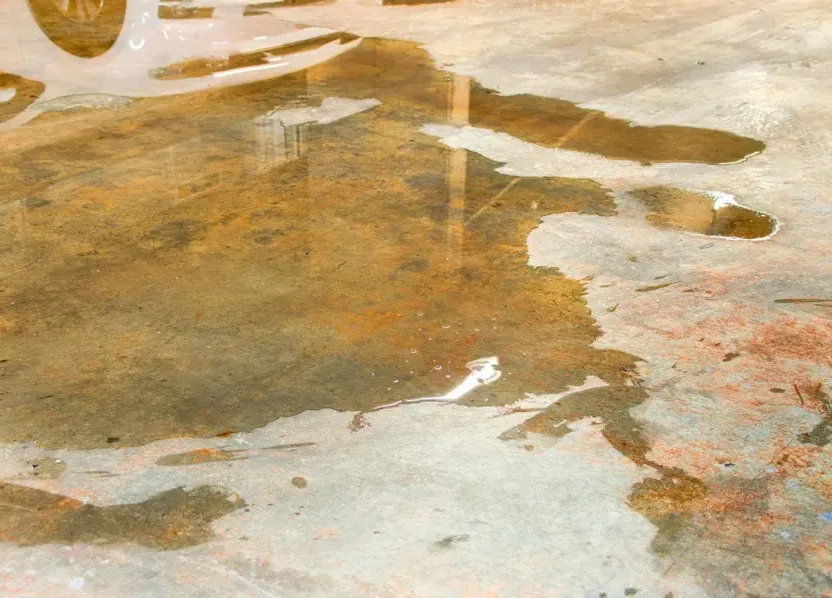
A small pipe opening can send water against the same concealed surface repeatedly. The result may first appear as changed paint, damp trim or a patch that returns after cleaning. Dedham-Westwood Water District lists ceiling drips, water coming from a wall and ground puddling as interior plumbing leak warnings. Those observations give an inspection a starting location; tracing the pipe and testing surrounding materials establish the actual extent of the loss.
What does pinhole leak water damage cost in Westwood, MA?
Pinhole leak cleanup costs in Westwood depend on concealed spread, required openings and the condition of wall and floor layers. An estimate should identify drying access and material handling in addition to the separate plumbing correction.
One accessible cavity
$1,000 to $2,000
Wall and floor spread
$2,000 to $5,000
Multiple concealed areas
$5,000 to $8,500+
Ranges are typical, not a quote: category of water, square footage, material class and how fast drying started move the number most. Run the water damage cost calculator for a closer range.
The pinhole leak water damage process in four steps
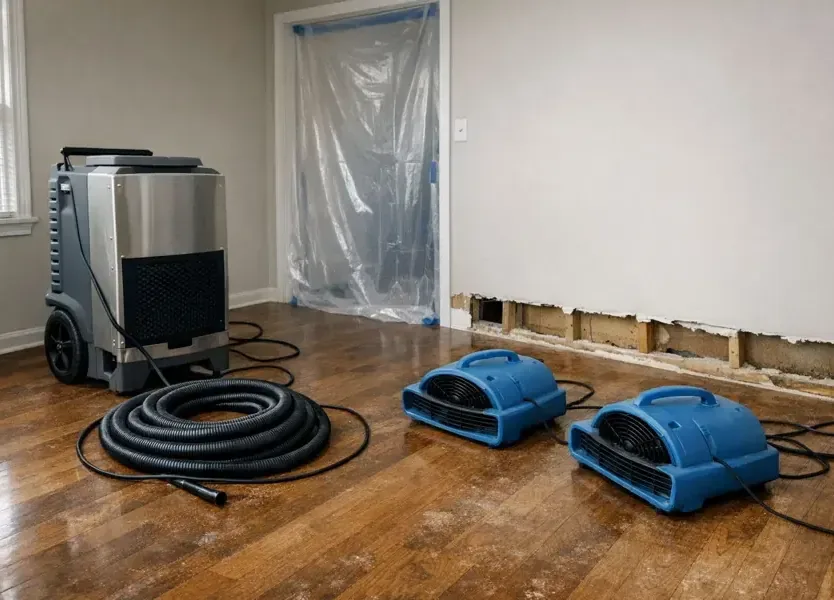
The drying plan follows the materials, water category and access conditions recorded during inspection. Technicians compare repeat measurements with an unaffected reference and adjust equipment when moisture stops falling.
Step 1 Trace the visible change
The inspection compares stain locations and moisture readings, following the likely water path into neighboring finishes and accessible cavities before defining removal boundaries.
Step 2 Incorporate the plumbing findings
Information about the repaired opening helps establish source status. Newly exposed wet layers are documented so the restoration scope reflects more than pipe access alone.
Step 3 Treat each affected layer
Damaged material is handled according to its condition, while retained framing and other suitable surfaces receive a drying arrangement aimed at the concealed wet area.
Step 4 Measure before finish replacement
Followup checks assess progress within the opened assembly. The final record separates completed drying from any remaining plumbing confirmation or replacement of removed surface finishes.
Read the stain as a route into the cavity
The most visible mark may sit below or beside the damaged pipe. Water can follow framing and accumulate where a wall meets the floor. Inspection therefore includes the stain's perimeter, adjoining finishes and accessible spaces on the other side of the wall. A concealed release needs both source correction and a plan for moisture left behind after the pipe stops leaking.
- Compare the discovery timeline with any change in the stain.
- Check trim and flooring directly beneath the affected wall area.
- Note plumbing findings before closing an opened inspection space.
- Examine insulation and other layers exposed during source access.
Match access to the affected materials
Removal decisions should explain what the opening accomplishes. Access for a plumber may reveal wet material beyond the repair itself, while a larger drying opening may be necessary to reach damaged layers. Sound framing can receive directed drying after unsuitable materials are handled. Finishes that have lost their integrity need a documented decision rather than repeated surface treatment.
Homes around Islington, properties along Washington Street and occupied spaces near University Station can describe the relevant room layout when arranging an assessment. A bathroom behind a stained wall or a cabinet covering its base is more useful to the inspection than a guess about the pipe material.
Close the cavity only after reviewing progress
A repaired pinhole removes the ongoing source, but retained moisture still needs attention. The drying record should follow the exposed assembly through repeated checks and explain any slow area. The ceiling leak cleanup page covers overhead wetting when a concealed release reaches the room below. For the wall itself, completion rests on material condition and measurements, with replacement finish work kept distinct from the drying decision.
Pinhole leak water damage across Westwood and nearby towns
Assessment planning covers homes and businesses throughout town, with Islington and Washington Street among useful location references. Describe the stained room and adjoining spaces so the concealed water route can be evaluated.
The same service nearby: pinhole leak water damage in Stoughton, Braintree, Mansfield.
Related water damage services in Westwood
Pinhole Leak Water Damage questions in Westwood, MA
Still dealing with it?
A recurring wall mark deserves a closer look. Describe the changes, nearby fixtures and any pipe access already opened at the property.
(888) 480-6221Discuss the concealed spray01Can a very small opening wet a large area?
A continuing spray can reach several connected materials over time. The inspection follows the water path and measures the affected area instead of judging the scope by the pipe opening alone.
02Does a stain identify the failed pipe?
The stain shows where moisture became visible. Source testing is still needed because water can travel along concealed surfaces before emerging at a wall edge or ceiling.
03Can the wall close after the plumber finishes?
The surrounding materials should be evaluated first. Closing an opening over retained moisture can hide unfinished drying work even when the pipe repair has stopped the release.
04Will the pipe material determine the cleanup?
Material condition and water spread determine the restoration tasks. A plumber evaluates the pipe defect, while the cleanup assessment addresses the walls, floors and cavities that received water.
05Why inspect the room beside the stain?
Water can pass through shared cavities or collect beneath adjoining finishes. Looking at the other side of the assembly helps define a more complete boundary for drying.
06What records matter for a concealed leak?
Useful details include the first visible mark, changes over time, plumber findings and photographs of opened surfaces. Moisture observations then document how the retained materials responded during the drying work.
Resolve the wet cavity after the pipe repair
An inspection can connect the visible stain with the hidden materials and establish a practical drying scope before the wall or ceiling is closed again.