Structural Drying and Dehumidification in Westwood
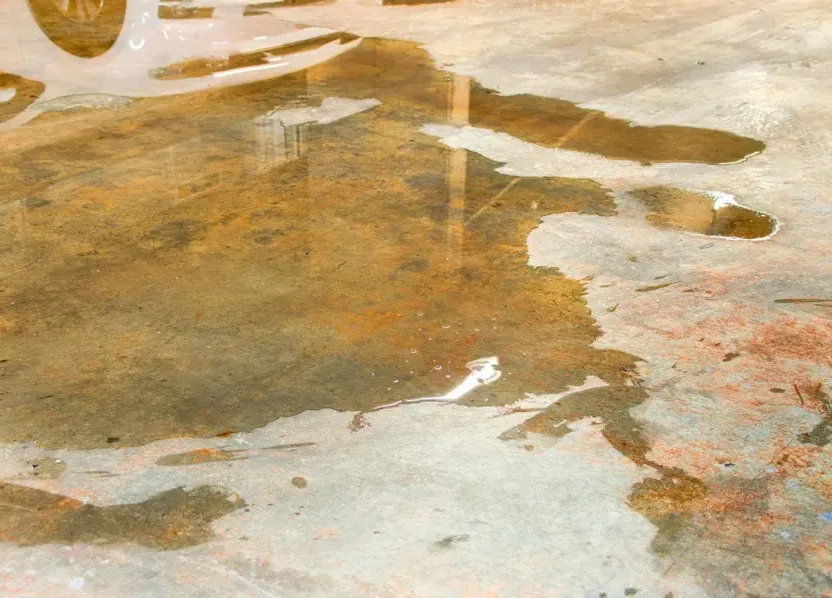
An empty puddle leaves a different problem: water held inside the building. Structural drying in Westwood targets that retained moisture with planned access, directed airflow and observations of how the affected materials respond.
(888) 480-6221Assess the remaining moisture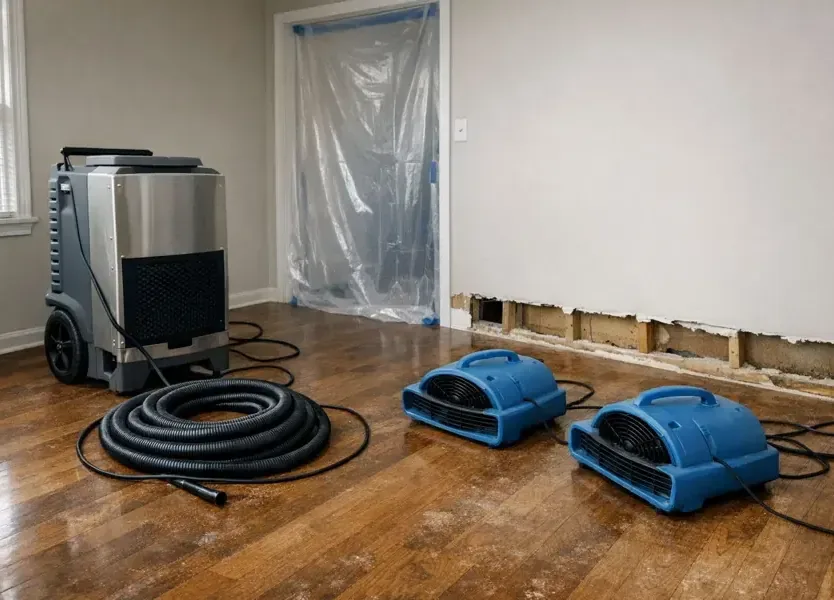
First steps for structural drying and dehumidification in Westwood
- 1
Confirm the source condition
Continuing entry can interrupt drying. Share source findings and identify active leakage before equipment is positioned around retained wet materials.
- 2
Describe earlier removal work
Explain which finishes were opened and what water was extracted. These details help the assessment identify remaining layers rather than assuming every hidden space has already been reached.
- 3
Keep drying paths accessible
Stored contents and furniture can block airflow to wet surfaces. Their placement should follow the work plan, with safe access maintained for equipment checks and later material readings.
- 4
Report changes during drying
New drips, equipment interruptions or a returning stain can change the assessment. Promptly sharing those observations helps keep the drying plan connected to the actual conditions inside the room.
How structural drying and dehumidification work is done in Westwood
Extraction and drying solve different parts of a water loss. Removing reachable liquid clears the room for inspection, but moisture may remain in framing, wall layers and flooring. Structural drying begins by identifying those retained wet materials and giving equipment an effective path to them. The plan should explain what is being dried, how progress will be observed and which source or contamination work must be completed first.
What does structural drying and dehumidification cost in Westwood, MA?
Structural drying costs in Westwood depend on material types, access and the extent of retained moisture. The estimate should explain equipment purpose, observation needs and any openings required to reach wet layers, rather than treating every room identically.
Small drying chamber
$1,000 to $2,000
Multiple material types
$2,000 to $5,000
Dense or extensive assembly
$5,000 to $9,000+
Ranges are typical, not a quote: category of water, square footage, material class and how fast drying started move the number most. Run the water damage cost calculator for a closer range.
The structural drying and dehumidification process in four steps
The drying plan follows the materials, water category and access conditions recorded during inspection. Technicians compare repeat measurements with an unaffected reference and adjust equipment when moisture stops falling.
Step 1 Establish initial material conditions
The assessment identifies wet and comparison areas, documents exposed layers and confirms source status so subsequent readings have a clear purpose within the affected assembly.
Step 2 Arrange equipment around the assembly
Airflow and dehumidification are planned for the retained surfaces, with necessary access identified where a covering or closed cavity prevents effective contact with the wet material.
Step 3 Compare response and adjust
Followup observations test the arrangement. Slow areas are assessed for concealed moisture, obstructed airflow or changing room conditions before the equipment plan is adjusted.
Step 4 Document the drying endpoint
Final material observations and the work record describe the recovered assembly, while any remaining replacement finishes or separate source tasks are clearly distinguished from completed moisture recovery.
Use the visible warning to find the wet assembly
Dedham-Westwood Water District lists ceiling drips, water emerging from a wall and ground puddling among interior plumbing leak warnings. An inspection starts at the observed change and checks connected surfaces. A damp baseboard can sit below a larger wet cavity, while a dry looking floor can cover moisture underneath. Each assembly needs observations suited to its actual material and exposure.
Give airflow a route to retained moisture
Air movers, dehumidification and selective access serve related purposes. Airflow works at exposed wet surfaces, while humidity control helps the surrounding air accept and remove moisture. A closed cavity or covered floor may need additional access before either approach can work effectively. More equipment in an open room cannot substitute for reaching the wet layer behind an intact barrier.
- Identify the retained materials named in the drying scope.
- Record readings at consistent locations for useful comparison.
- Keep equipment paths clear of newly placed furniture or storage.
- Discuss slow areas before assuming the equipment needs more time.
Track progress in an occupied property
University Station's mix of shops, restaurants and condos makes access coordination useful when describing a loss there. Homes in Islington and properties along Washington Street also need a plan fitted to room use and material exposure. Occupants should understand the equipment arrangement and report interruptions so the drying record reflects actual operating conditions.
When reachable liquid remains, water extraction precedes this phase. Later measurements establish whether drying is progressing or a concealed area needs revised access. Completion documentation should identify the retained assembly and remaining replacement tasks, giving the owner a clearer endpoint than equipment removal or the disappearance of a surface mark alone.
Structural drying and dehumidification across Westwood and nearby towns
Drying assessments serve residential and business interiors around town. Provide the affected material types, occupied room needs and existing access openings so equipment and observation points can be organized for the actual assembly.
The same service nearby: structural drying and dehumidification in Stoughton, Braintree, Mansfield.
Related water damage services in Westwood
Structural Drying and Dehumidification questions in Westwood, MA
Still dealing with it?
A cleared floor can still hold moisture beneath its finish. Describe the affected materials and any extraction or opening work already completed.
(888) 480-6221Discuss retained material moisture01Why does a dry surface still need testing?
Moisture can remain beneath a covering or within a thicker material. Readings help assess the assembly beyond the visible face and track its response during drying.
02Do more air movers always help?
Equipment needs access to the wet surfaces. A concealed layer may require an opening or another approach rather than additional airflow in the center of the room.
03Can occupants move the equipment?
Equipment placement serves the drying plan. Changes should be discussed so airflow, safe access and the conditions recorded during material checks remain consistent throughout the work.
04What is the dehumidifier's role?
Humidity control helps remove moisture released into the room air. It works with airflow and material access as part of a coordinated approach to the retained wet assembly.
05What happens when readings stop improving?
The assessment examines access, source status and room conditions. A slow area may need a changed arrangement or closer inspection of moisture trapped behind an existing barrier.
06Is drying complete when equipment leaves?
Completion should be supported by material observations and a clear record. Equipment removal follows that decision, with remaining source or replacement work explained separately to the owner.
Give the wet assembly a measurable drying plan
An assessment can connect access, equipment placement and progress observations so each retained layer receives the attention needed before finish replacement begins.