Brockton Water Damage Restoration
Water crossing a doorway changes the task from mopping to tracing a loss. Restoration in Montello, Campello and Cary Hill starts with the source, the affected materials and a safe path into the building.
(888) 480-6221Discuss the wet roomsA room can look ready before moisture inside its floor and walls has cleared.
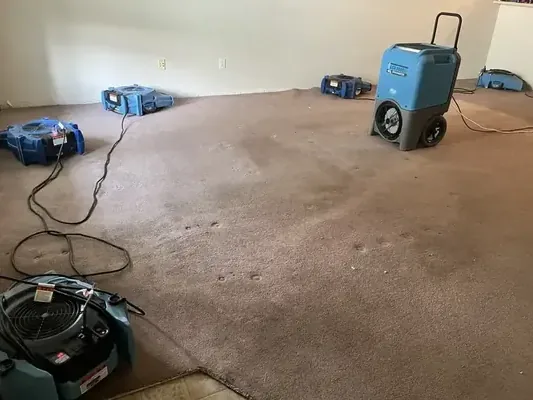
Keep the loss from becoming harder to reach
- 1
Keep people clear
Occupants should stay outside rooms with sagging ceilings, contaminated water or submerged electrical equipment. A dry doorway is a safer place to describe the damage.
- 2
Interrupt a safe source
For a supply leak, an accessible dry shutoff can limit further water. A valve reached through standing water should be left for qualified help to approach.
- 3
Save the first observations
Photos from safe footing can capture where water appeared and which contents became wet. The discovery time and any shutoff action belong with those photographs.
- 4
Explain the affected levels
Mention wet rooms above or below the apparent source. Water can follow cavities and penetrations, so a floor plan helps the assessment begin in the right places.
Cleanup built around the source
A tank leak, overflowing fixture and rainwater entry leave different cleanup needs. These services separate the source of the water from the materials that need removal, cleaning or drying.
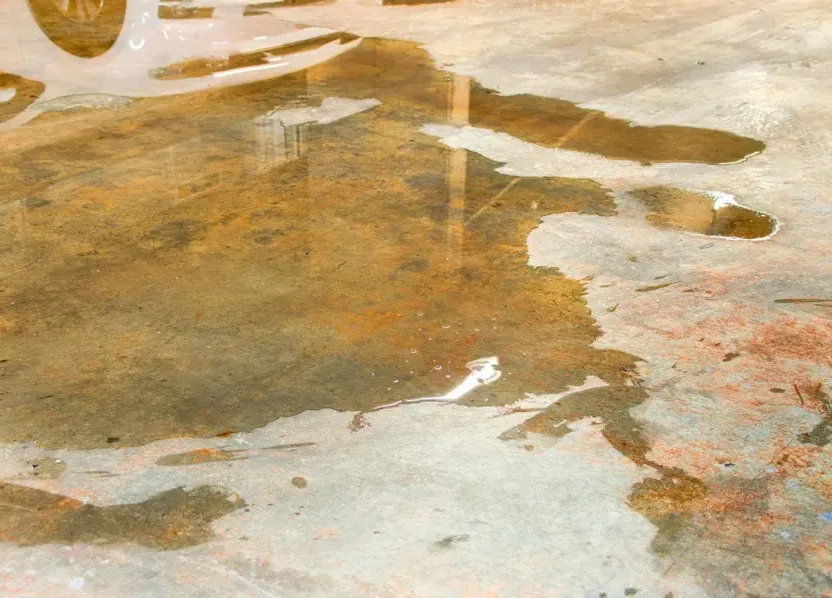 Slab Leak Water DamageDamp floor edges prompt checks beneath finishes before a concrete surface is considered dry.Check below the finish
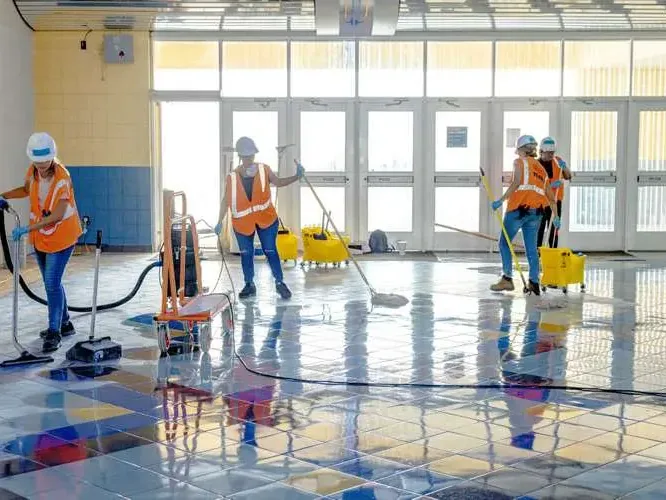
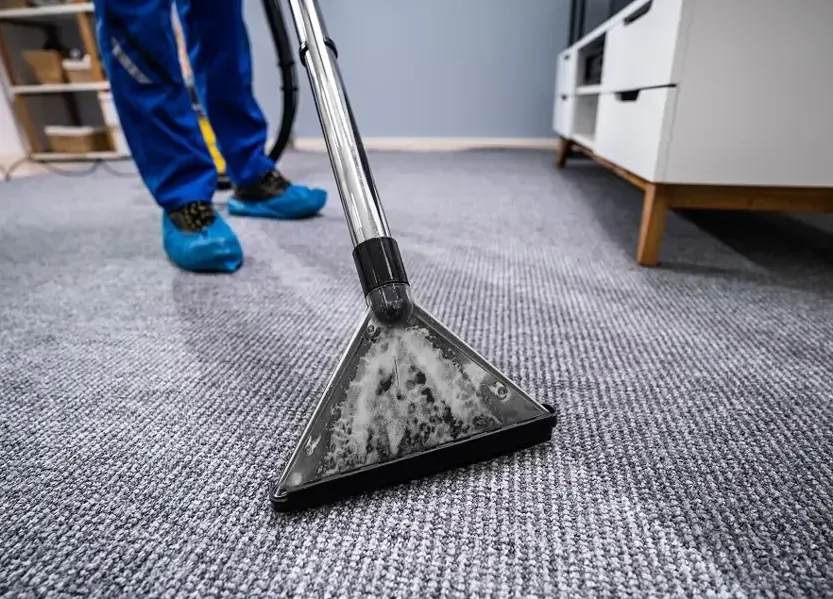 Water Extraction and RemovalStanding water is recovered with equipment suited to the floor and the water condition.Start with water recovery
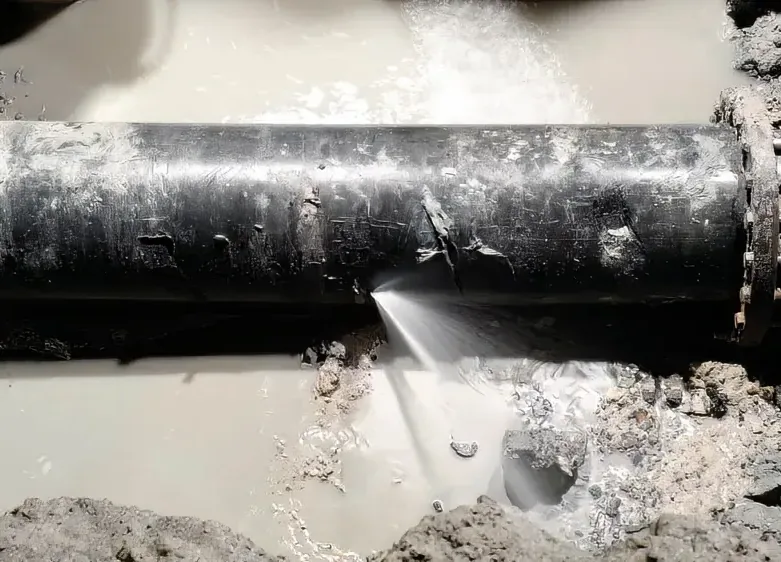 Pinhole Leak Water DamageA quiet supply leak can soak a cavity before the first visible paint change.Locate concealed wetting
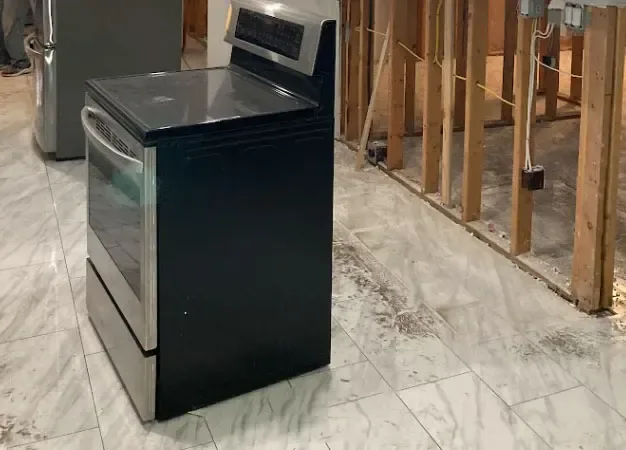 Burst Pipe Water DamageSudden pipe releases need a shutoff followed by a room by room spread assessment.Trace the sudden release
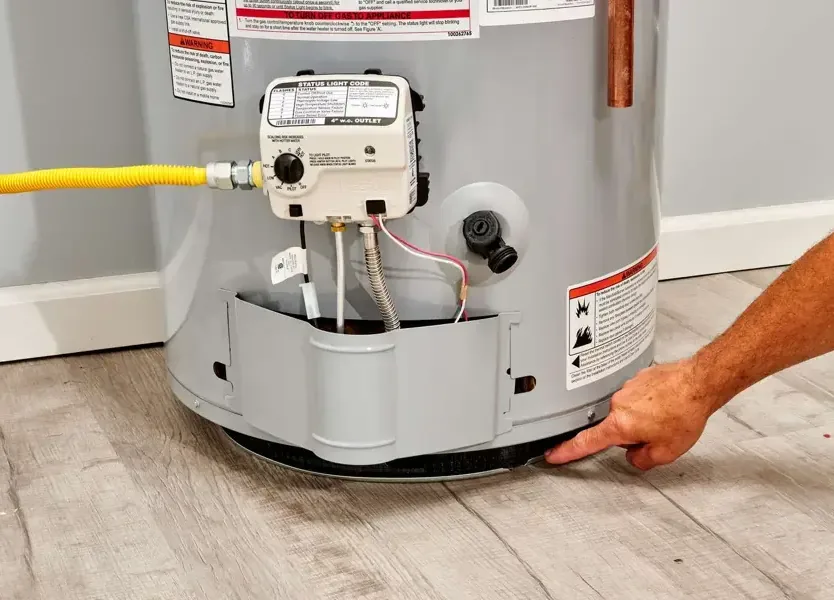 Water Heater Leak CleanupTank water can travel beneath nearby finishes while the equipment area appears mostly contained.Assess the tank spill
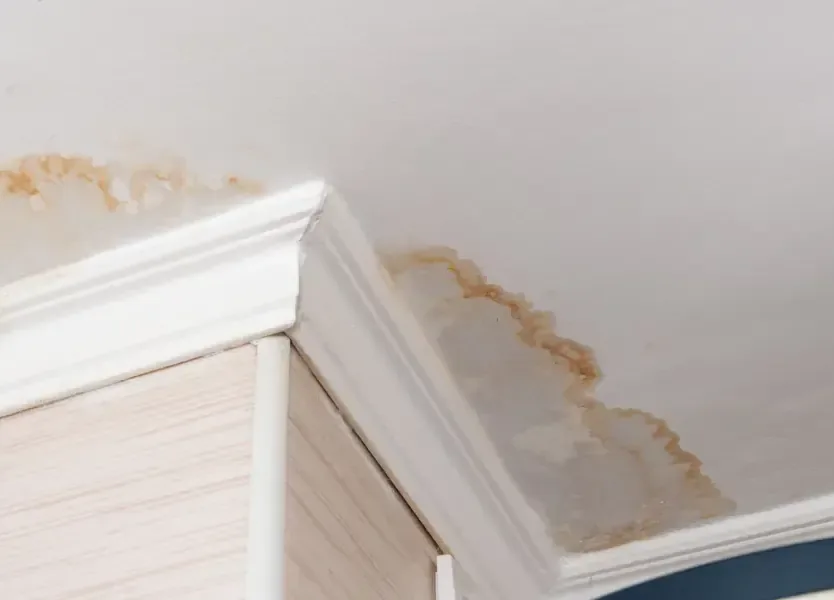 Ceiling Leak Water DamageOverhead staining calls for safe access and inspection of the layers above the room.Inspect overhead damage
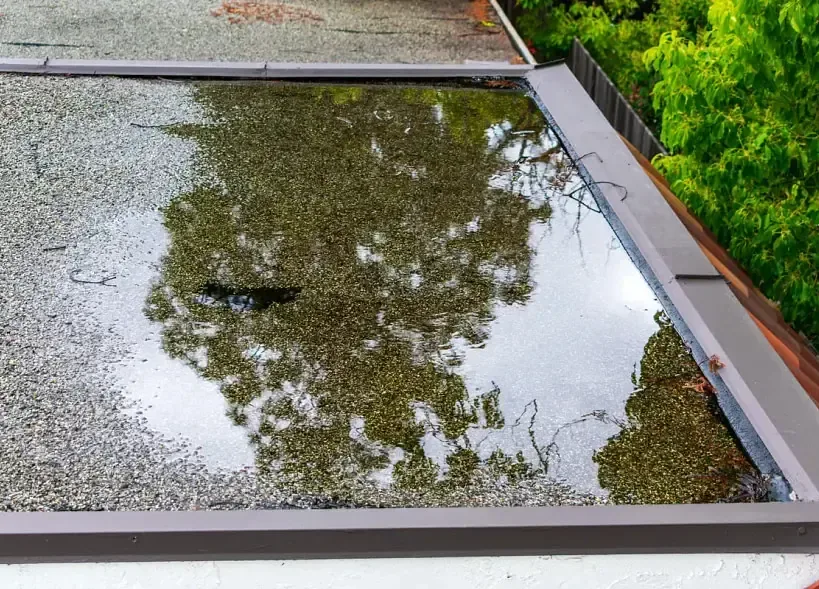 Roof Leak Water DamageInterior drying follows the rainwater path through roof spaces, insulation and affected ceiling finishes.Follow the roof entry
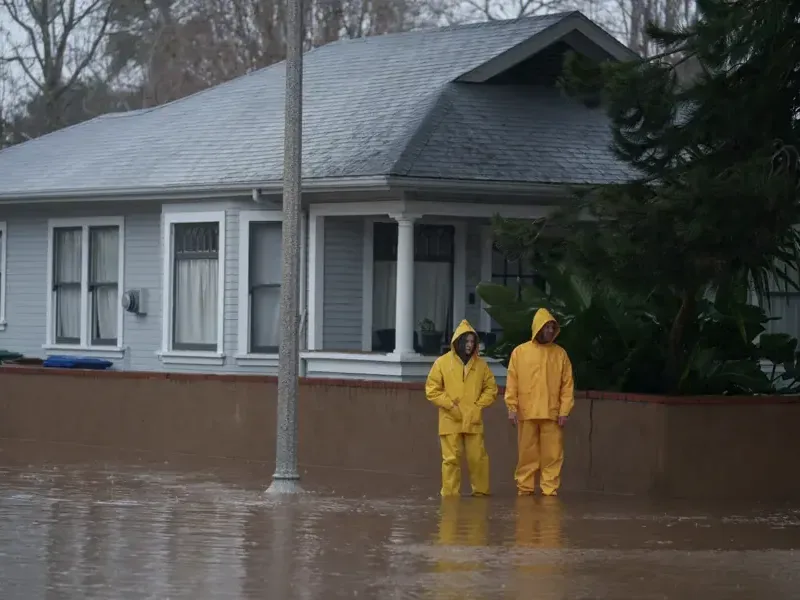
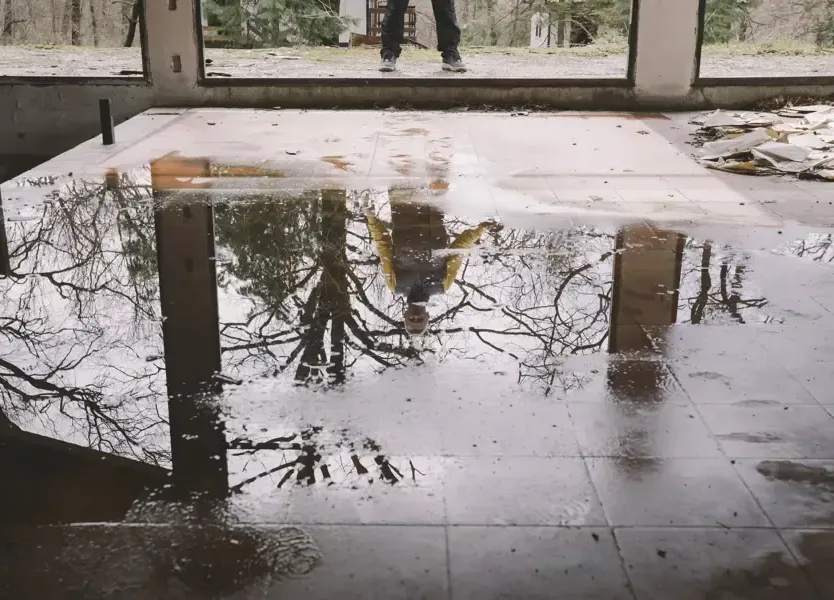 Storm Flood CleanupOutside water brings sediment and cleanup decisions that go beyond simply emptying a room.Plan sediment removal
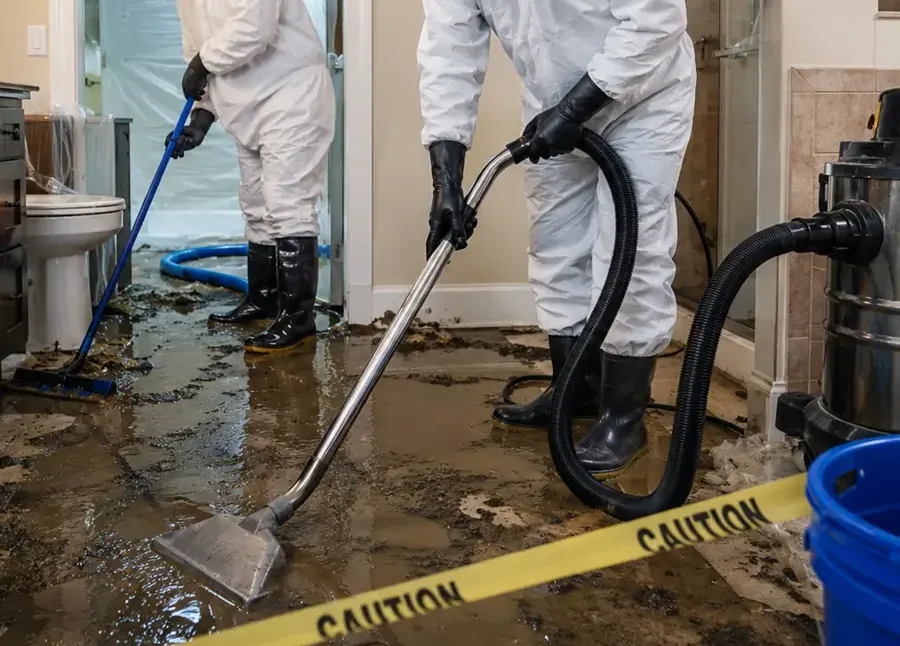 Sewage Backup CleanupDrain backups require separation of contaminated areas and careful handling of affected porous materials.Contain the drain overflow
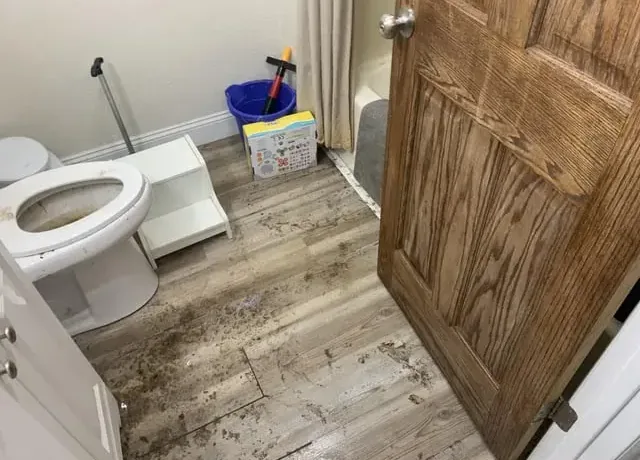 Toilet Overflow CleanupThe source of a toilet spill determines how the bathroom and adjoining rooms are treated.Identify the overflow source
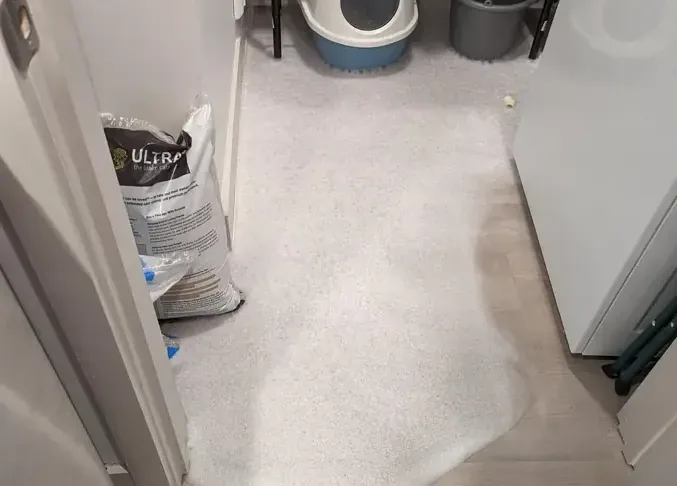 Appliance Leak Water DamageWater behind appliances can reach cabinet bases and flooring seams beyond the visible puddle.Look behind the appliance
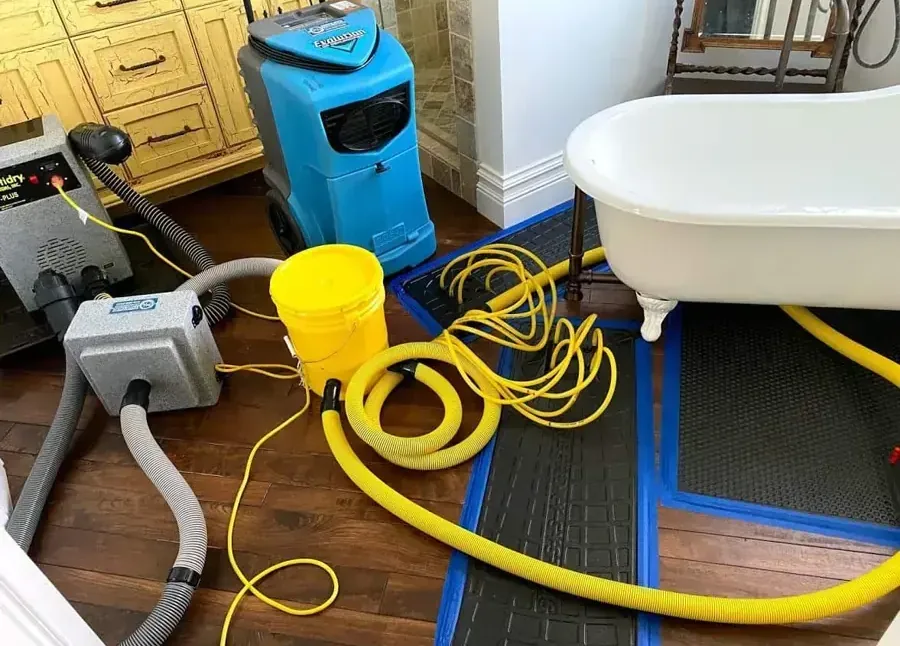 Shower Pan Leak Water DamageRepeated shower leakage needs hidden moisture checks around the enclosure and any room below.Assess the enclosure edges
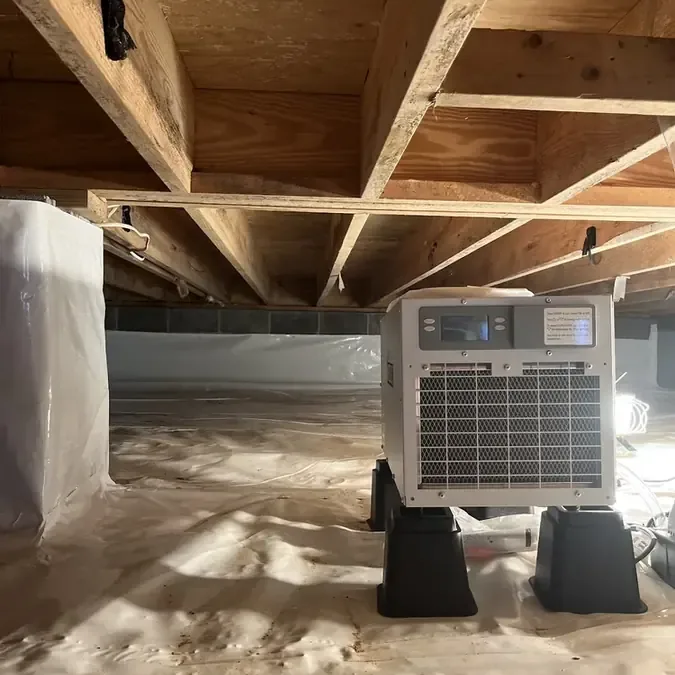
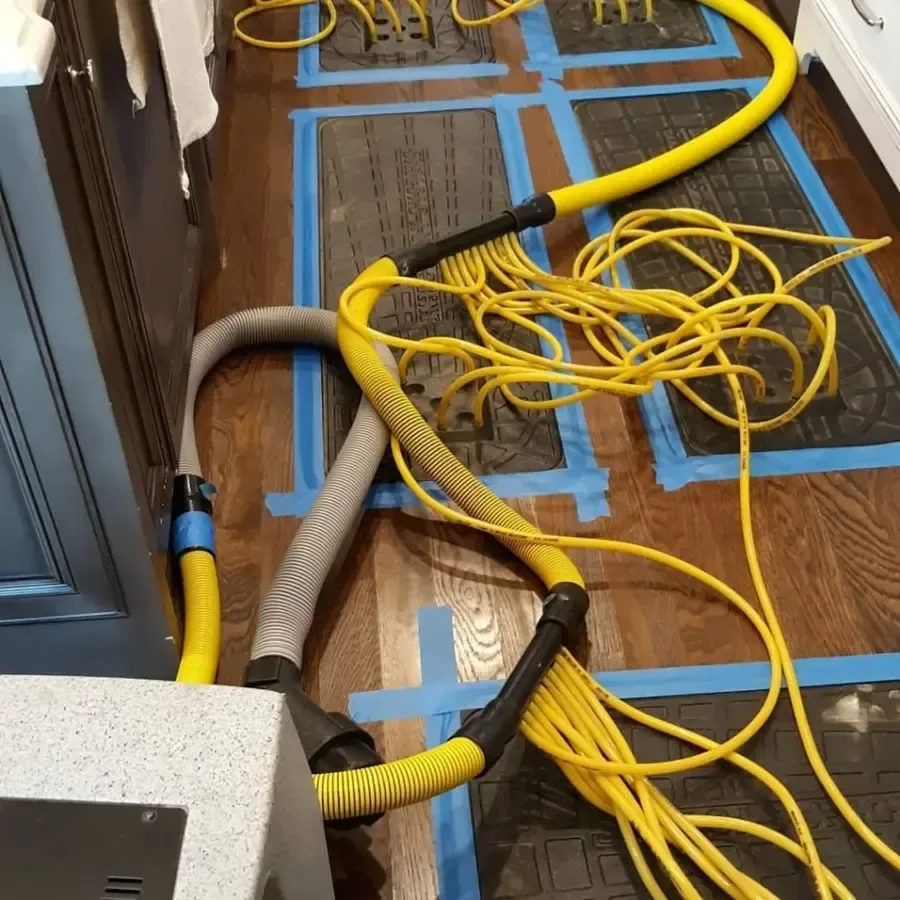
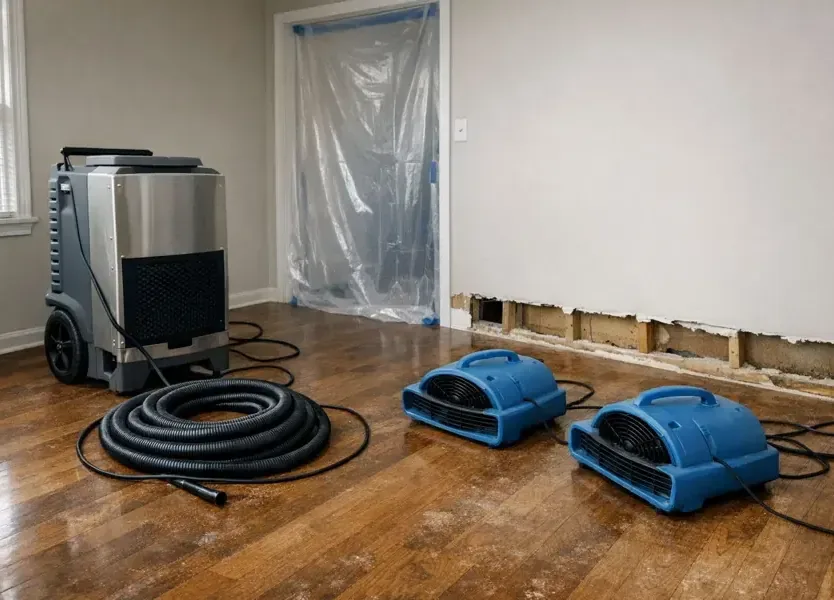 Structural Drying and DehumidificationMaterial readings show whether targeted airflow and dehumidification are reaching the wet assembly effectively.Track material moisture
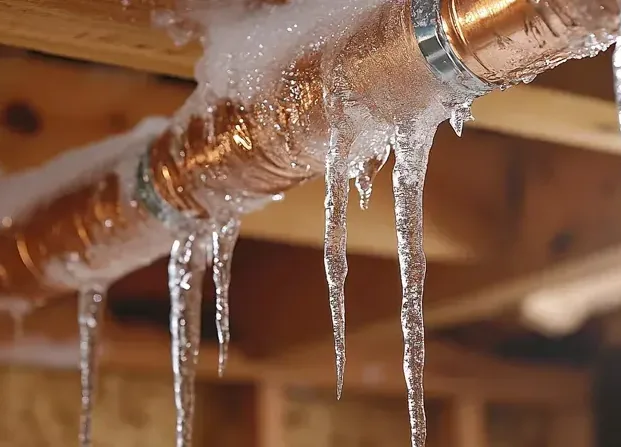 Frozen Pipe Water DamageThawing pipes can release water into concealed spaces after cold exposure interrupts normal flow.Inspect after the thaw
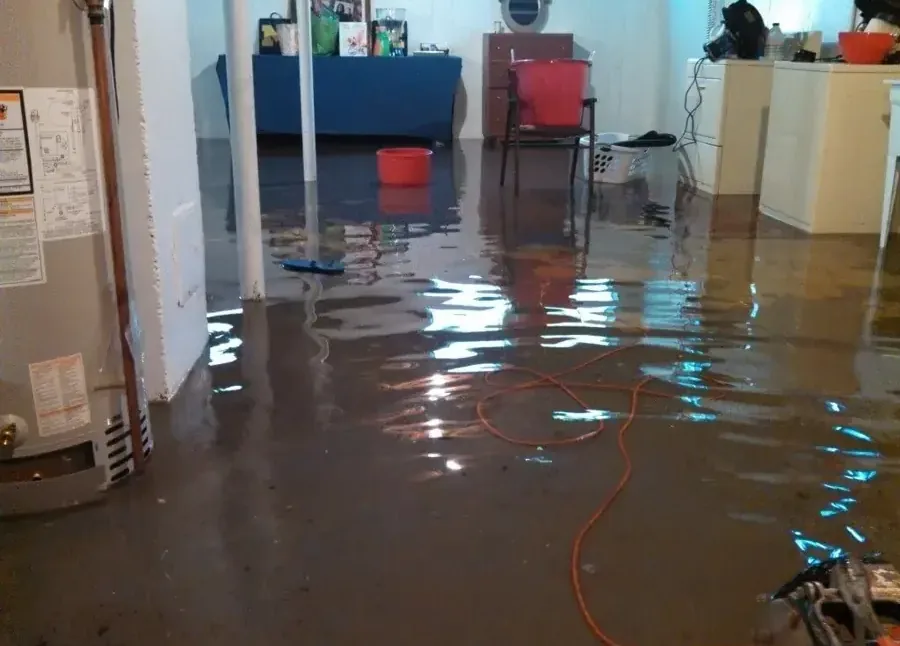 Basement Water RemovalLower level cleanup begins with safe entry and an assessment of the incoming water.Evaluate the lower level
What changes restoration cost in Brockton?
A small accessible leak requires different work from water concealed beneath several rooms. The useful estimate identifies affected materials, water condition, access work and drying needs, with any source repair or finish replacement described separately.
These planning ranges describe cleanup scale. A written assessment should explain the included work and any conditions that could change the final project scope.
Limited wet area
$1,000 to $2,500
Several affected rooms
$2,500 to $7,500
Extensive interior loss
$7,500 to $15,000+
Identify what entered the room
Fresh supply release
A broken supply pipe can begin with clean water. Contact with dirty surfaces and elapsed time still affect the handling of wet building materials.
Supply spill assessmentUsed appliance water
Wash water can contain detergent and residue. The cleanup needs to reach beneath the machine and assess everything the escaping water touched along its path.
Laundry and kitchen spillsSewage affected surfaces
Water backing out of a waste opening calls for restricted access, controlled removal and cleaning before retained surfaces can enter the drying phase.
Drain backup responseDecisions that can be followed later
A restoration record connects the initial damage to the work performed. Photographs, material readings and written scope notes help a property owner understand why a section was opened, why equipment remained and when drying ended.
From discovery through drying
Initial condition
The first entry describes the reported source, affected rooms and any active leakage. Photographs preserve the visible condition before contents move or water removal changes the scene inside the property.
Water recovery
Extraction notes identify the surfaces treated and areas requiring additional access. A soaked underlay or cabinet cavity should remain visible in the record even after the open floor looks clear.
Selective access
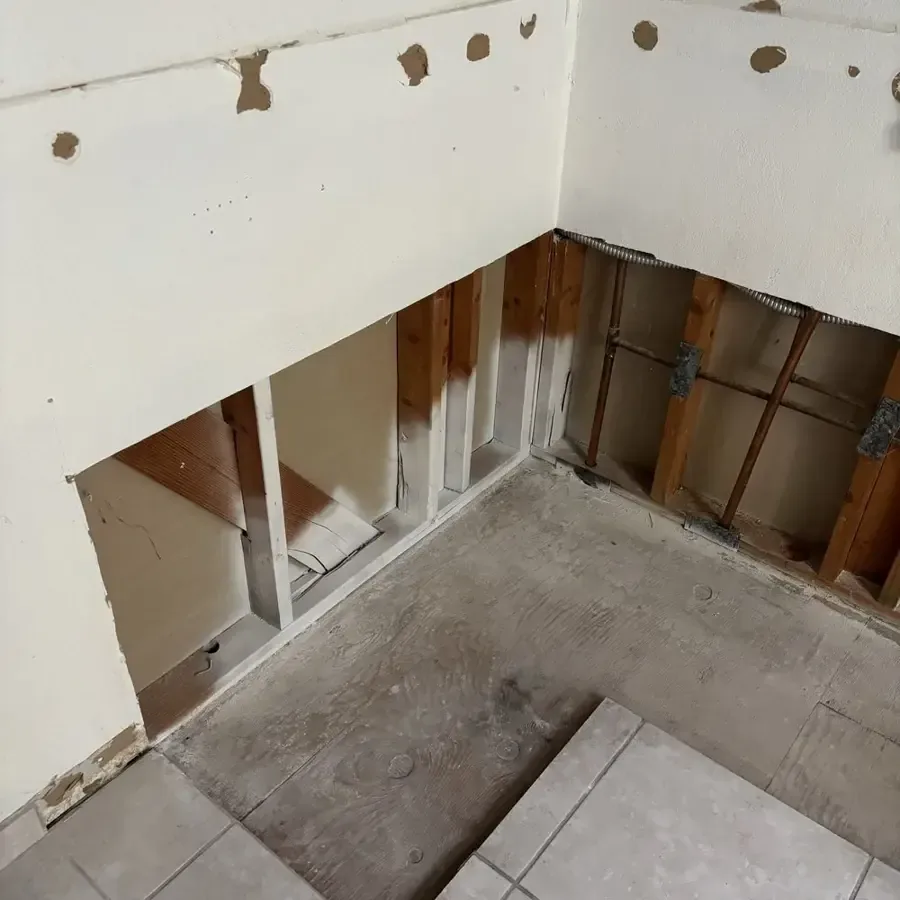
Any proposed opening is tied to a wet layer, contamination concern or obstruction. The owner can consider the reason and extent before affected finishes are removed from the assembly.
Drying changes
Equipment adjustments follow material readings and room conditions. A stalled area may need a different airflow path or access point rather than simply another unattended period with fans running.
Completion detail
Final observations identify the checked materials and remaining repair needs. Cleanup completion and finish replacement are separate decisions, so the handoff should state what is ready for the next trade.
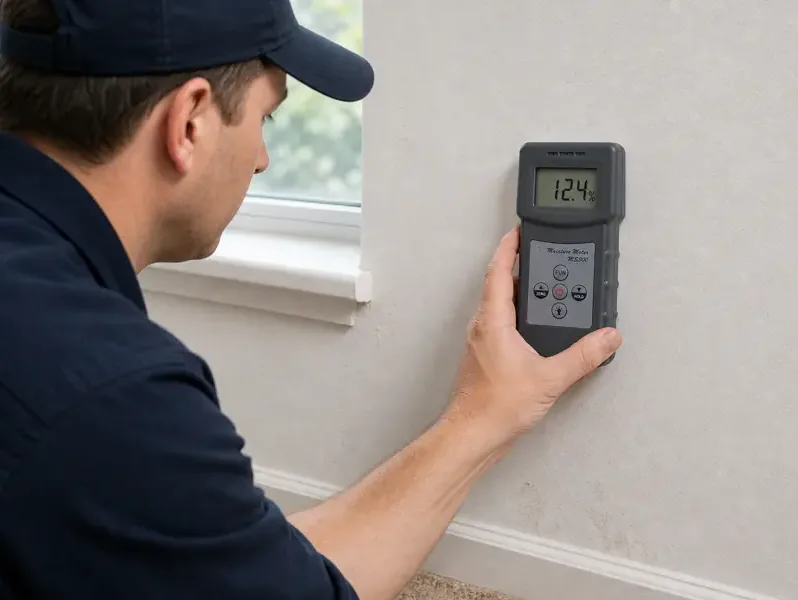
A wet surface is only the starting point
Brockton's urban area lies along the Salisbury Plain River. Inside a building, the cleanup scope follows the actual water path: through a doorway, below a cabinet or down a wall cavity into the room underneath.
Source separation
Supply water, outside entry and drain contents call for different handling. The inspection identifies what entered before drying equipment changes conditions in the room.
Material decisions
Solid framing and layered flooring behave differently when wet. Accessible readings help determine what can remain and what needs removal to expose trapped moisture.
Controlled work areas
Furniture movement, equipment placement and containment should preserve a usable route around the work. Occupants need clear boundaries before cleanup begins indoors.
Recorded progress
A drying visit should leave useful measurements. Comparing the same material locations over time makes slow progress visible and supports a clear completion decision.
Document before the room changes
An insurer can assess a loss more clearly when the reported source, discovery sequence and affected materials appear together in the same record.
- 1Photographs of each wet room from a safe position
- 2The time water was first noticed inside the building
- 3Notes describing any accessible valve that was closed
- 4An inventory of affected furniture and stored belongings
- 5Copies of assessment notes, estimates and drying measurements
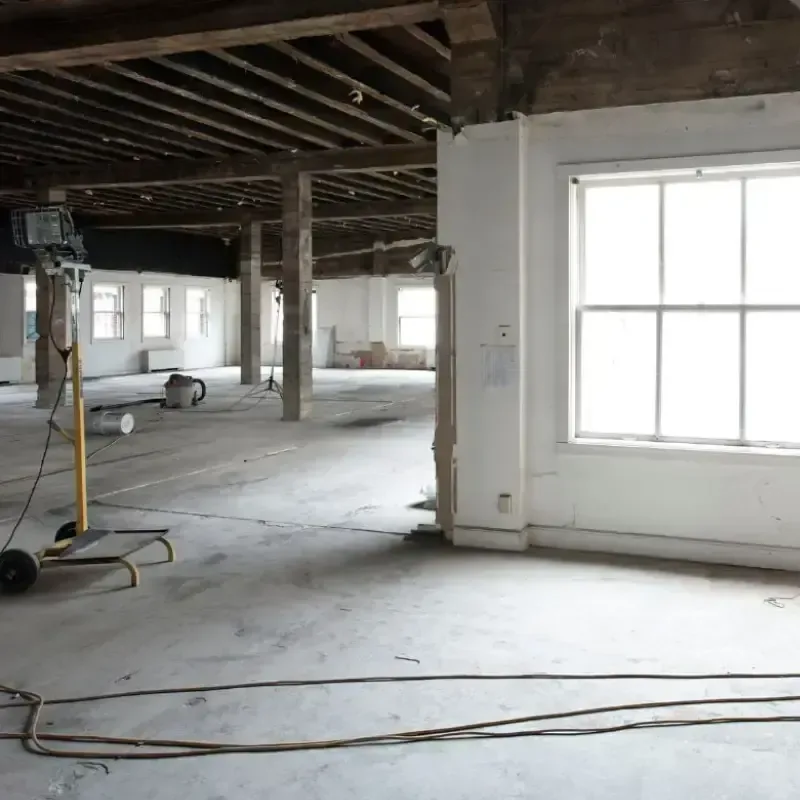
The layers that cleanup may need to reach
Locations and access details
Areas and travel corridors
Residential ZIP areas
Nearby service locations
Describe the entrance and affected level
Montello and Campello are villages within the city. A property description should include the usable entrance, wet rooms and any stairs between equipment access and the affected level.
Cary Hill is served by local bus routes. For an occupied property, mention shared entrances or restricted access so the assessment can account for people using the building.
(888) 480-6221Discuss property accessBrockton, MA
[email protected]
Separate city geography from the actual entry
Winter snowfall and below freezing January conditions make cold weather preparation relevant here. Indoors, the immediate task remains finding whether water arrived through the envelope, a failed pipe or a backed up fixture.
The climate table places the January mean daily minimum at 20.6 degrees Fahrenheit. Exposed plumbing deserves attention when flow changes, especially before a concealed thaw release reaches finished rooms.
The Salisbury Plain River runs through the urban area. Waldo Lake sits within D.W. Field Park. A cleanup inspection follows the property's entry point and the surfaces actually wetted indoors.
- Hidden supply seepage Paint changes and damp cabinet corners can appear after a small leak has already reached the concealed materials behind the finish.
- Water crossing levels A ceiling stain beneath a wet room calls for inspection above and below, including penetrations that carry moisture between assemblies.
- Flooring that conceals water A dry looking finish can cover wet underlay. The assessment should include seams, perimeter edges and accessible comparisons with unaffected material.
- Drain overflow contact A backup can contaminate stored contents and porous finishes. Access restrictions and disposal decisions belong at the beginning of that cleanup.
- Repeated rain entry An intermittent roof leak can rewet a ceiling during drying. Interior recovery needs coordination with correction of the opening above it.
Questions before restoration begins
Describe what changed in the room
A clear account of the first wet area helps focus the assessment and the initial cleanup decisions.
(888) 480-6221Talk through the damage01What information helps during the first call?
The most useful details are the apparent source, affected rooms, discovery time and any active safety concern. A caller can also describe whether water crossed into another level and whether an accessible shutoff has already stopped further entry.
02Does every wet wall need to be opened?
Opening decisions depend on the material, water condition and access to concealed moisture. Some assemblies can dry with targeted equipment, while others need removal of affected layers. The scope should explain each proposed opening and how progress will be checked afterward.
03Is an empty floor ready for new finishes?
Removing standing water clears only the visible part of a loss. Subflooring, wall bases and concealed layers need moisture assessment before covering them again. Replacing finishes too early can hide a wet assembly and make later access more disruptive for the owner.
04Can occupants remain in the building?
That depends on the affected area, contamination, electrical condition and available access routes. A contained clean water loss differs from sewage spread through occupied rooms. The assessment should establish usable spaces and explain any restrictions before equipment or removal work begins.
05How should damaged belongings be recorded?
Photographs and a written list can identify the item, its location and the visible damage. Owners should avoid moving contaminated belongings into unaffected rooms. Disposal decisions and any insurer documentation requirements should be discussed before items leave the property permanently.
06What if the source has already been repaired?
A repaired pipe or roof opening stops new water but leaves the existing moisture behind. Cleanup can begin with the repair details and a check of adjacent assemblies. Notes about where the failure occurred help locate concealed wetting beyond the original symptom.
07Are outside floodwater and pipe water treated alike?
Outside entry can carry sediment and contaminants across surfaces that were previously dry. A supply release starts with a different source. The water assessment determines handling, removal and cleaning decisions before equipment is arranged to dry retained materials throughout the affected space.
08How is the end of drying decided?
Material measurements and their trend support the decision. A surface that feels dry is only one observation. The final record should identify the locations checked, explain any remaining limitation and distinguish completed drying from finish work that still needs another trade.
09Which locations are covered for water damage cleanup?
Water damage services cover Brockton, including Montello, Campello and Cary Hill. The residential ZIP areas listed here are 02301 and 02302. Available work includes extraction, sewage cleanup and drying, with the actual scope determined by conditions at the affected property.
Make the next decision from the wet materials
Describe the source, affected rooms and current access conditions. A focused assessment can turn scattered signs of water into a practical cleanup and drying scope.