Appliance Leak Water Damage in Brockton
A laundry puddle or wet cabinet toe space can be the visible edge of appliance water. Recovery looks behind the machine and beneath adjacent finishes while its failed connection or component receives appropriate service.
(888) 480-6221Discuss the appliance water trail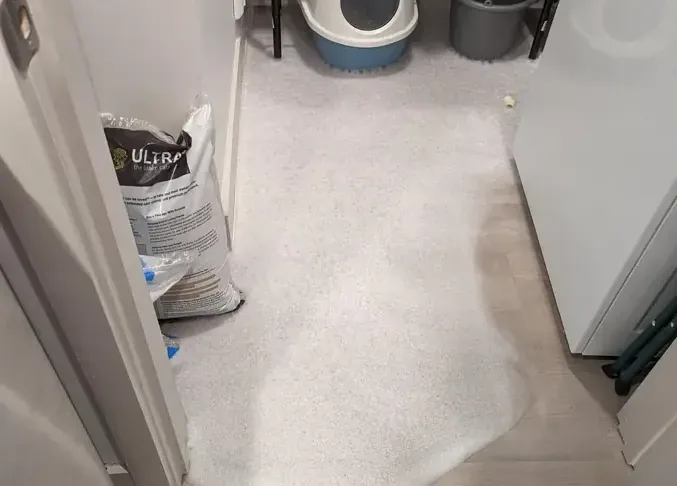
First steps for appliance leak water damage in Brockton
- 1
Avoid handling wet machinery
Wet plugs and controls should remain untouched. Appropriate service personnel should determine safe isolation and movement before the machine footprint is approached for interior cleanup.
- 2
Describe the last operating cycle
Mention the operating cycle, discovery time and floor residue. Those details help identify the escaped water and the handling needed around the machine.
- 3
Keep hidden edges available
Do not cover a wet threshold or swollen cabinet base with temporary finishes. Those areas can show the route into adjoining materials that need inspection after the machine is accessible.
- 4
Save service and damage notes
Photographs of the original water path and the appliance professional's findings help connect source correction with interior recovery. Record affected storage or contents before safe movement changes the scene.
How appliance leak water damage work is done in Brockton
Water under a machine can remain hidden until it reaches a doorway or lifts a flooring seam. In Campello, an appliance leak assessment should begin with what happened during use: a supply release, drain problem or water escaping during a cycle. That history helps define the water condition. The restoration inspection then follows the spill around the machine footprint and into any adjoining floor or cabinet assembly.
What does appliance leak water damage cost in Brockton, MA?
Appliance leak cleanup costs in Brockton depend on access beneath machines, cabinet involvement and layered flooring. The estimate should distinguish extraction and drying from appliance servicing, with any selective removal explained by the affected material condition.
Accessible small leak
$900 to $1,800
Cabinet and floor spread
$1,800 to $4,500
Several concealed areas
$4,500 to $8,000+
Ranges are typical, not a quote: category of water, square footage, material class and how fast drying started move the number most. Run the water damage cost calculator for a closer range.
The appliance leak water damage process in four steps
The drying plan follows the materials, water category and access conditions recorded during inspection. Technicians compare repeat measurements with an unaffected reference and adjust equipment when moisture stops falling.
Step 1 Assess the release history
The assessment links the appliance cycle and observed residue with the water condition, while the appropriate professional establishes safe equipment service and access needs.
Step 2 Expose the machine footprint
Once movement is safe, the inspection follows wetting beneath the appliance and along adjacent cabinet bases, thresholds and floor layers that were previously concealed.
Step 3 Recover and reach the wet layers
Accessible liquid is removed and material decisions establish a usable path for cleaning or drying, with selective openings explained in the written restoration scope.
Step 4 Check before equipment returns
Ending observations assess retained materials and access beneath the appliance so its final placement does not cover an area that still needs drying or repair attention.
Access behind the appliance needs coordination
Pulling a wet machine forward can strain connections or expose electrical components. Occupants should leave unsafe equipment alone and arrange appropriate servicing. Once safe access is established, the floor beneath and behind the appliance can be inspected. The visible front edge rarely shows the entire area that needs recovery.
At a Montello property, useful observations include soapy residue, a swollen cabinet base or water crossing into a different floor finish. Photographs before movement can preserve those signs. The work plan should describe who handles the appliance and how the surrounding area will remain available for restoration.
Follow water through interrupted floor areas
Cabinets and appliances create concealed spaces that can slow drying. A puddle may extend beneath a toe space, along an underlay or through a floor penetration. Each affected layer needs a decision about access, condition and retention.
- Inspect the threshold between laundry and adjoining rooms.
- Check exposed cabinet edges for swelling or separation.
- Document the water condition before cleaning removes residue.
- Assess lower ceilings when an upper floor was affected.
Separate machine repair from material recovery
For a Cary Hill loss, fixing a hose or component stops that source but does not clear moisture from surrounding materials. Water recovery removes accessible liquid, followed by targeted drying of retained surfaces. Wet cabinet materials or trapped flooring layers may need selective removal when they cannot be effectively reached.
The record should explain those choices and identify measurement locations. Drying progress is more useful than an assumed equipment duration, especially behind fixed cabinetry where the wet area is difficult to observe. Before the appliance returns to its final position, the underlying surface and service access should be reviewed so the completed work does not conceal an unfinished wet area.
Appliance leak water damage across Brockton and nearby towns
Appliance water damage cleanup serves Brockton locations in Campello, Montello and Cary Hill. Details about the machine, surrounding cabinets and wet floor transitions help establish access needs before the appliance is moved for service.
The same service nearby: appliance leak water damage in Stoughton, Easton, Braintree.
Related water damage services in Brockton
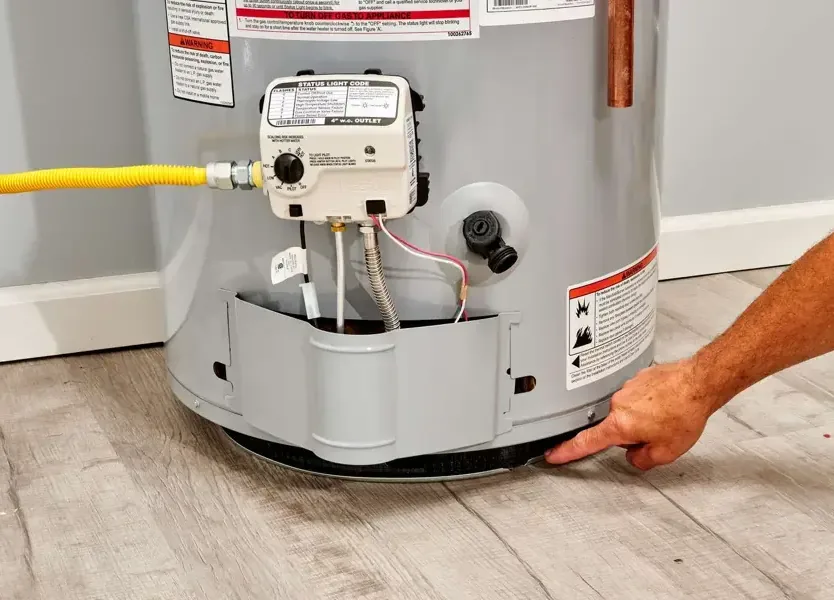
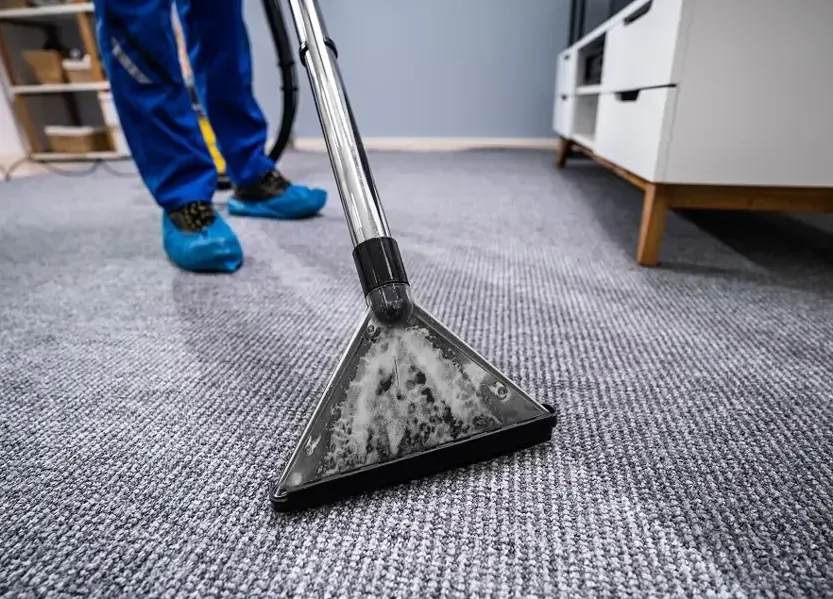
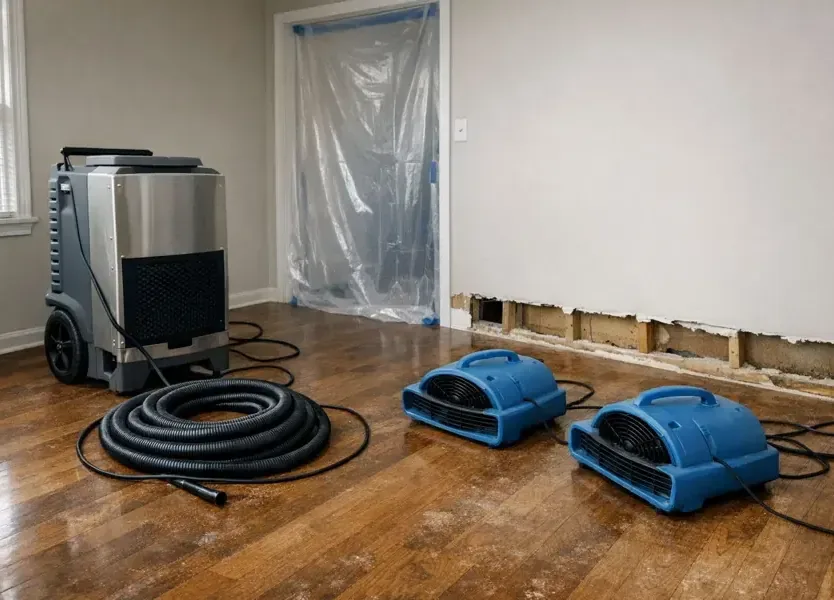
Appliance Leak Water Damage questions in Brockton, MA
Still dealing with it?
A wet toe space or laundry threshold can point to moisture hidden behind equipment. Describe the machine and the first visible change.
(888) 480-6221Discuss the machine footprint01Is a repaired hose the end of the job?
A repaired connection stops the source but leaves any wet flooring or cabinetry behind. Those materials need assessment before the appliance is returned and its footprint becomes difficult to reach again.
02Should the machine be pulled out immediately?
Movement can affect water connections and electrical safety. The appropriate service professional should establish safe handling before the concealed floor area is exposed for restoration inspection and water recovery.
03Why describe detergent or residue?
Residue and the operating cycle help identify the water that escaped. Used appliance water needs handling suited to its condition, including the surfaces and porous materials it contacted during the spill.
04Can cabinets hide a continuing problem?
Water can collect beneath cabinet bases where the open floor dries first. Access and material checks should include those areas before swollen trim is replaced or new finishes conceal the edge.
05What if water reached the ceiling below?
The lower assembly becomes part of the assessment. Occupants should avoid sagging finishes or wet fixtures and report those changes so overhead safety and concealed moisture can be evaluated separately.
06How is drying behind the machine checked?
The plan should identify accessible measurement points and any retained layers. Readings and condition notes support the decision to return the appliance, rather than relying on the appearance of its front edge.
Recover the floor beneath the appliance
Coordinating equipment service with material assessment helps keep wet cabinet edges and concealed flooring accessible until the restoration work is complete.