Mansfield Water Damage Restoration
A spreading puddle, a stained ceiling or a soaked floor needs a clear next step. Mansfield water damage restoration starts with the source, the affected materials and a practical plan for removing moisture.
(888) 480-6221Discuss the wet roomsService covers water and sewage damage, with the work defined after inspecting the affected rooms.
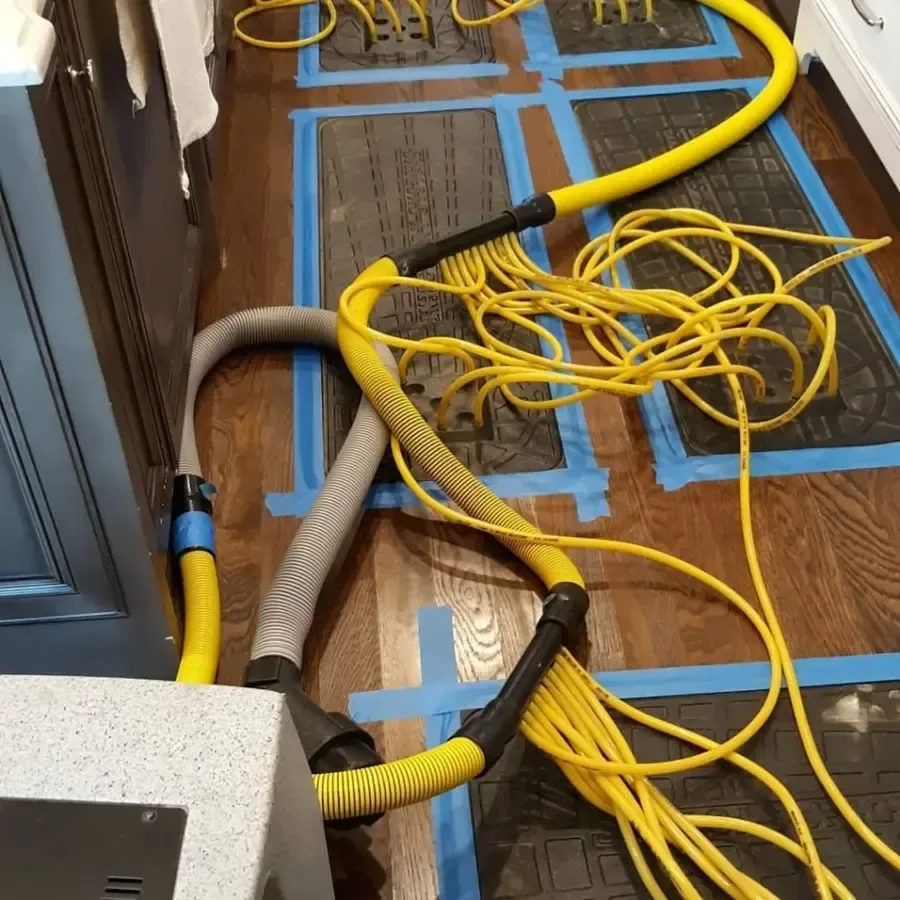
Decisions that keep the problem contained
- 1
Stay outside unsafe rooms
Standing water near electrical equipment and a sagging ceiling both require keeping people away. Entry should wait until the relevant hazards have been assessed by qualified personnel.
- 2
Stop further water use
An overflowing fixture or leaking appliance should stay out of use. A reachable shutoff may limit the release when approaching it does not require entering an unsafe area.
- 3
Record visible changes
Photographs from a dry position can show where wetting first appeared. Notes about the discovery and any source work help explain how the affected area changed.
- 4
Identify the affected spaces
Describe which rooms, floors and belongings are wet when arranging cleanup. Mention a ceiling below the leak, restricted access or sewage so the inspection starts with useful details.
Cleanup for the way water entered
Different water sources leave different cleanup problems. The service descriptions below separate standing water, hidden supply leaks, contaminated overflows and moisture trapped inside building materials so the next decision is clearer.
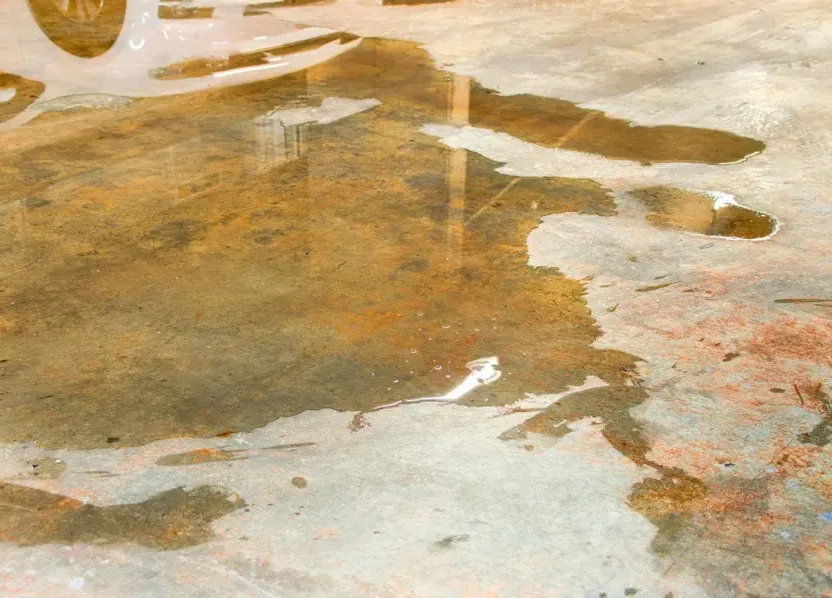 Slab Leak Water DamageMoisture beneath a finished floor needs tracing before coverings conceal a still wet concrete surface.Follow moisture beneath flooring
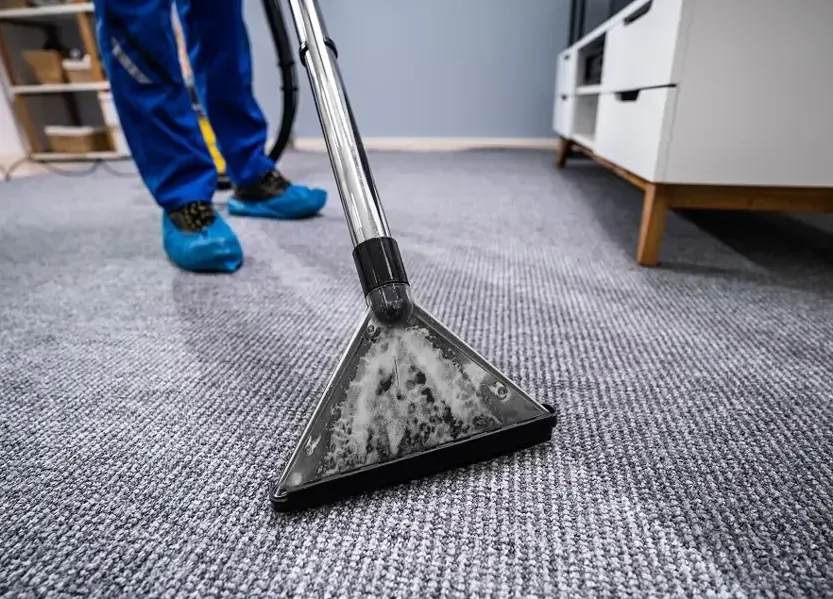 Water Extraction and RemovalStanding water comes out first so soaked materials can be examined and the drying area established.Remove the standing pool
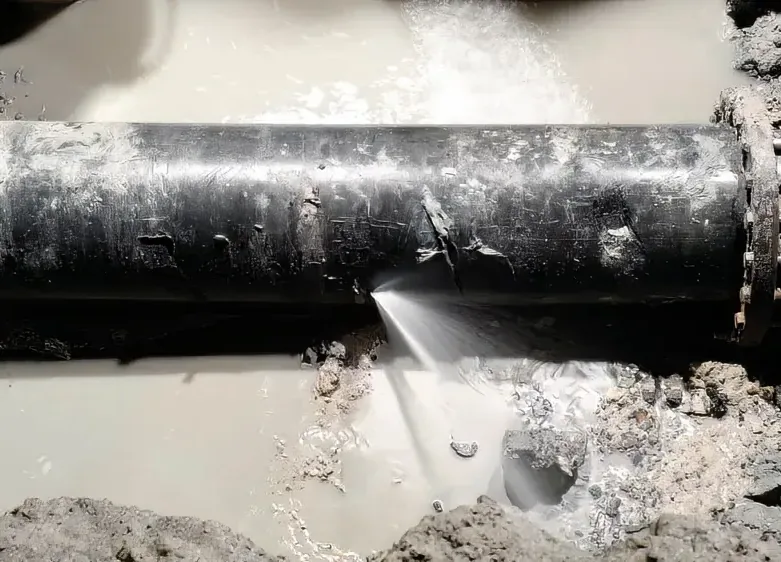 Pinhole Leak Water DamageA small pipe opening can wet concealed framing long before a visible stain attracts attention.Find the small escape
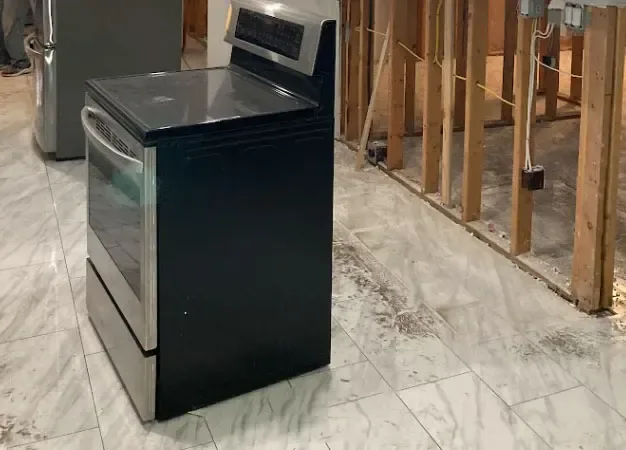 Burst Pipe Water DamageA sudden pipe release calls for source isolation and inspection along the water's path between rooms.Contain a sudden release
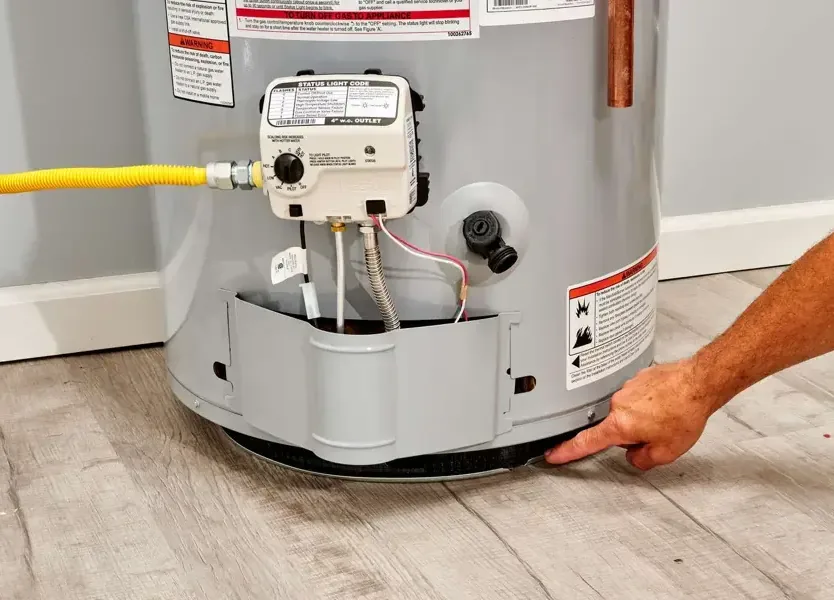 Water Heater Leak CleanupWater around a heater may continue beneath nearby finishes after the visible equipment area appears dry.Check beyond the heater
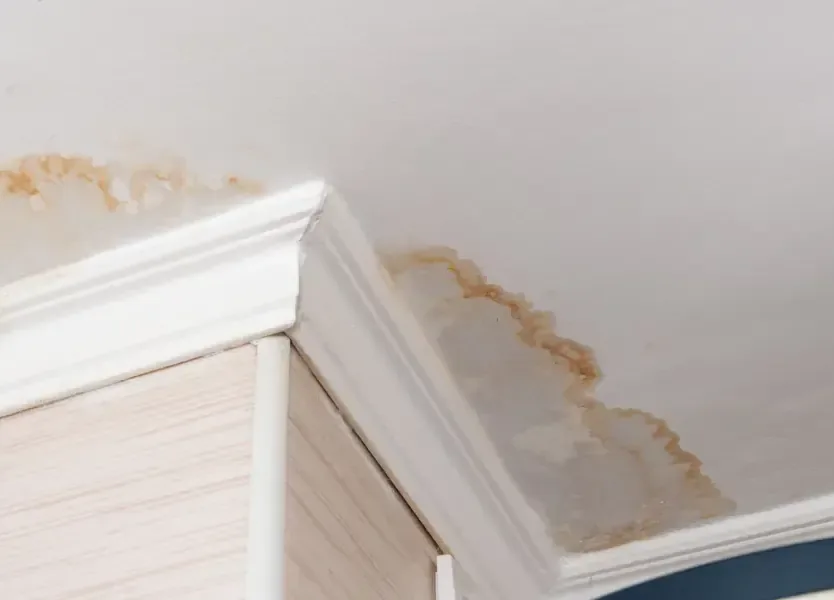 Ceiling Leak Water DamageOverhead stains require checking the space above before wet ceiling material is covered or painted again.Trace the overhead stain
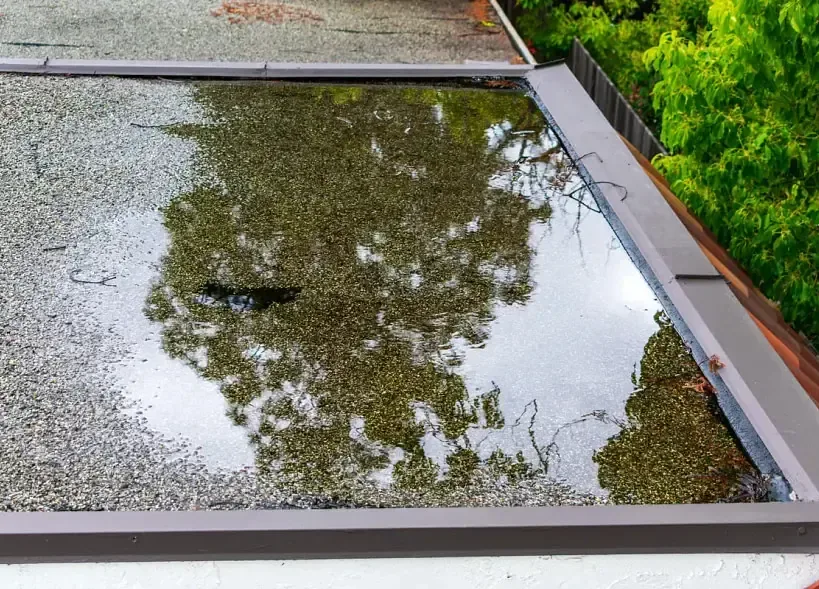 Roof Leak Water DamageInterior cleanup follows the rain entry through insulation, ceiling layers and the room directly below it.Follow rain indoors
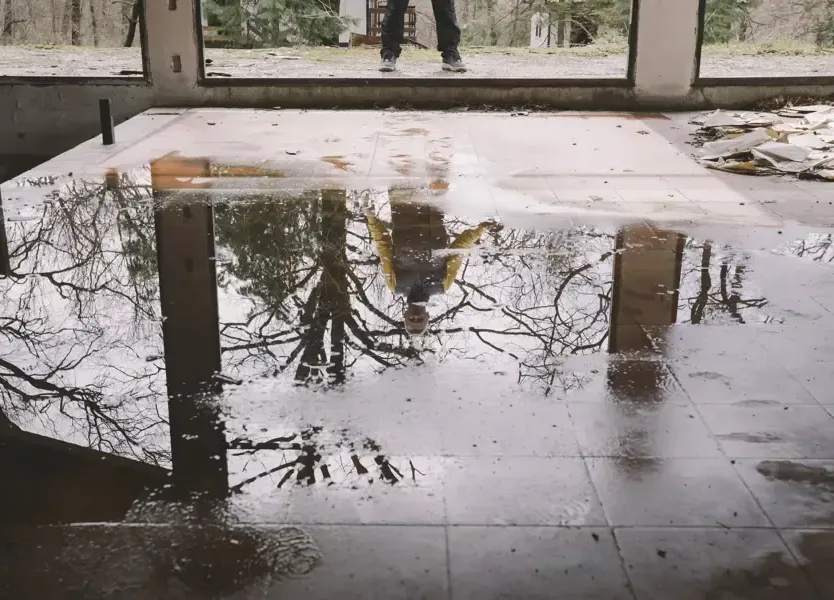 Storm Flood CleanupOutside water brings cleanup decisions about debris, affected belongings and the materials suitable for drying.Address outside water entry
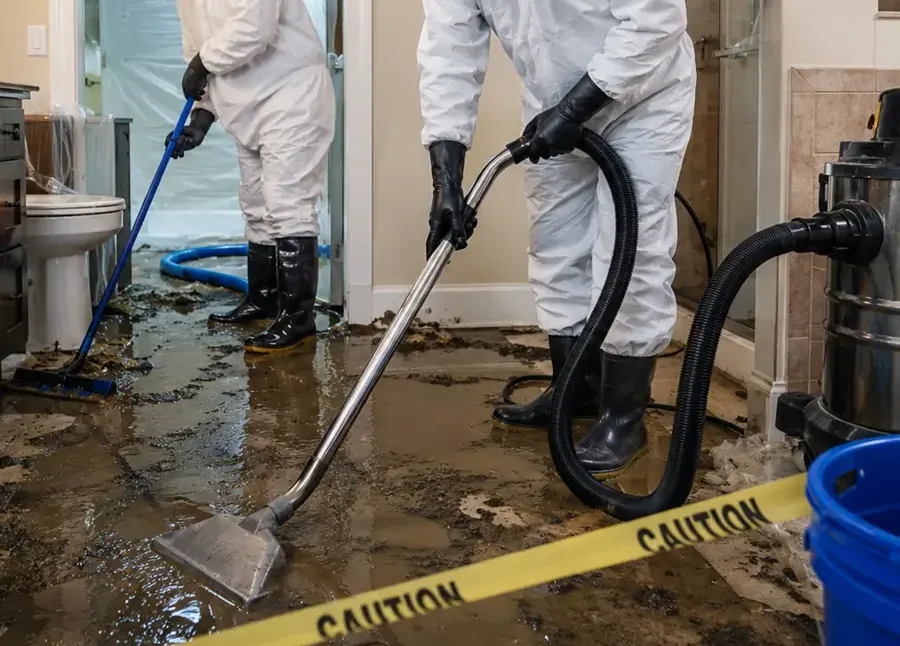 Sewage Backup CleanupDrain overflows require controlled access and careful separation of contaminated contents from the unaffected living space.Separate contaminated materials
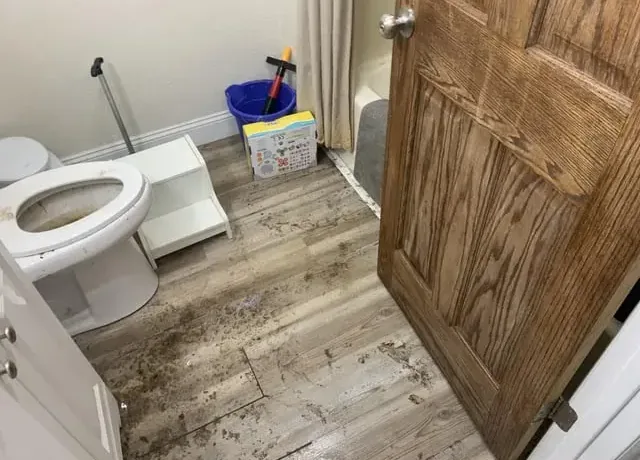 Toilet Overflow CleanupThe toilet's overflow source determines the cleanup approach for bathroom flooring and adjacent wet surfaces.Follow the spill beyond the toilet
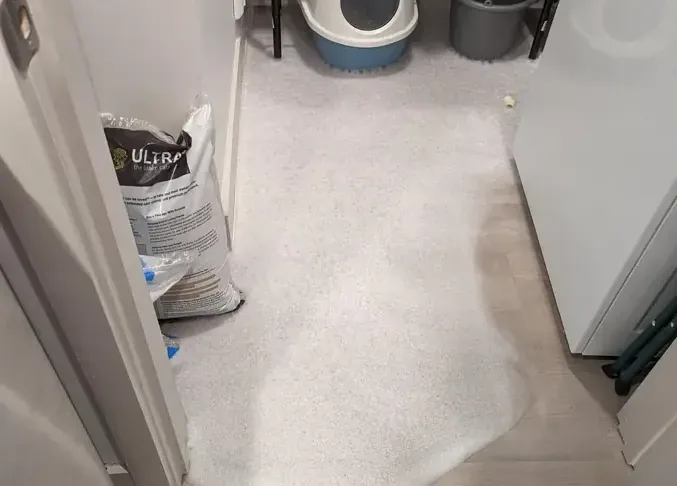 Appliance Leak Water DamageA leaking appliance can send water behind cabinets and beneath flooring beyond the visible kitchen puddle.Inspect concealed cabinet edges
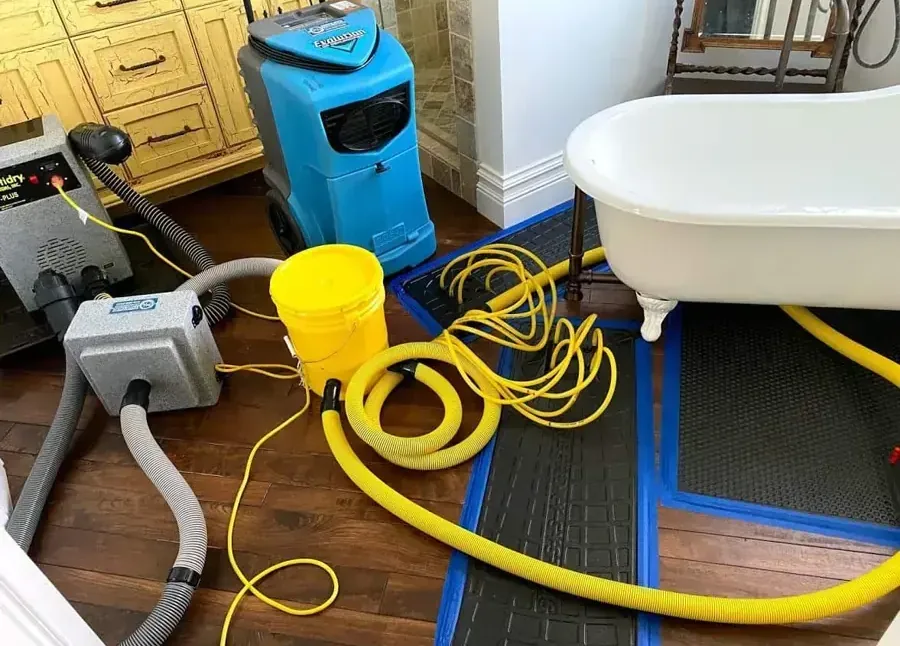 Shower Pan Leak Water DamageRepeated shower leakage needs investigation at the assembly and moisture checks in surrounding walls and floors.Investigate recurring shower moisture
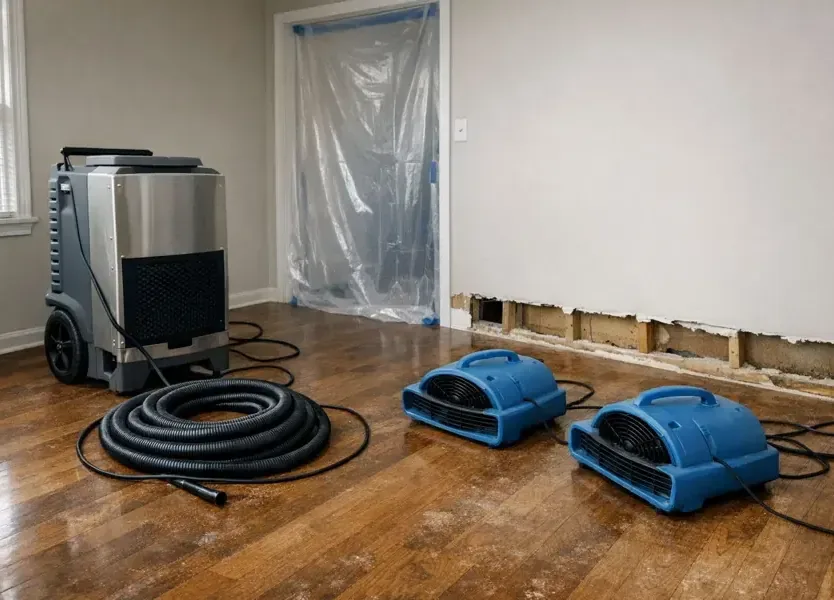 Structural Drying and DehumidificationMeasured drying addresses retained moisture inside framing and subfloors after accessible standing water has been removed.Measure retained material moisture
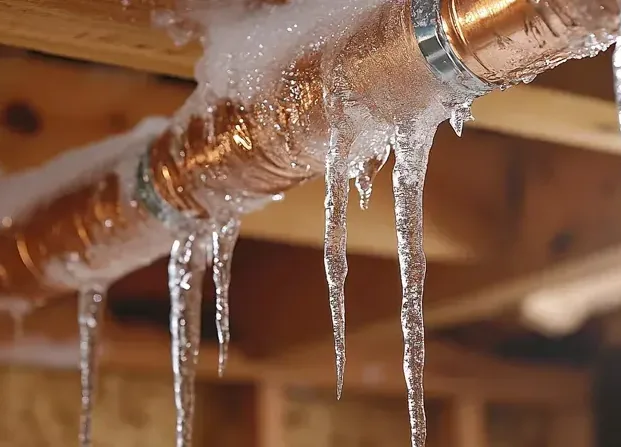 Frozen Pipe Water DamageA thawing split pipe needs safe source control before indoor water removal and concealed cavity assessment.Assess thaw related wetting
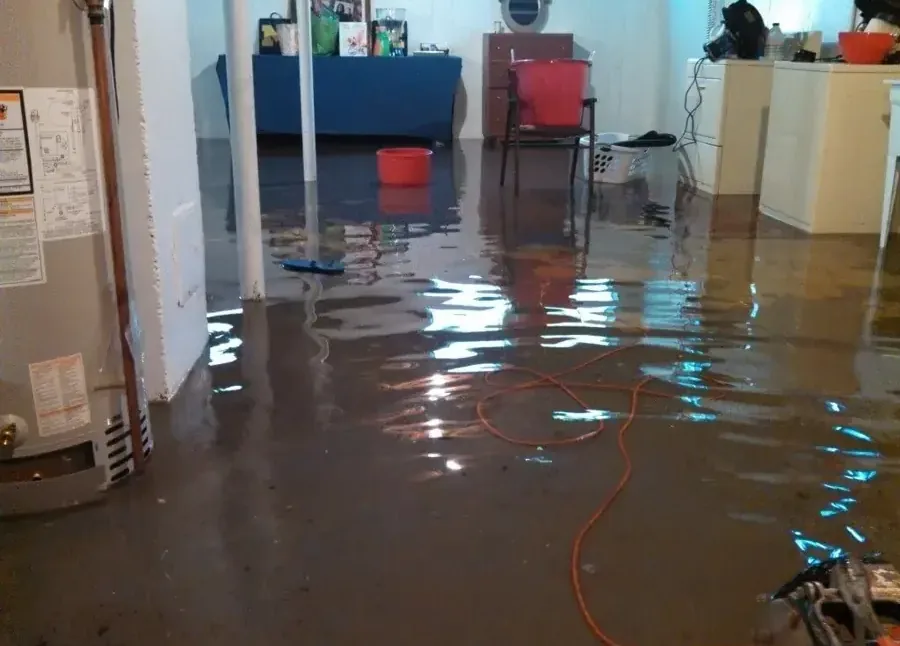 Basement Water RemovalLower level water removal includes checking stairs, equipment access and materials at the bottom of walls.Reach the lower surfaces
What affects water cleanup costs in Mansfield?
Mansfield water cleanup costs depend on the water source, affected area, material access and contamination. These ranges describe different levels of work; the inspection determines which tasks belong in the estimate and whether additional rooms need attention.
An estimate should distinguish extraction, material handling and drying from source correction or replacement finishes so the homeowner can evaluate the work before decisions are made.
Small contained area
$1,000 to $2,500
Several affected assemblies
$2,500 to $7,500
Extensive water spread
$7,500 to $15,000+
Water conditions shape material decisions
Supply water release
An isolated supply leak requires checking how far water traveled and how long materials stayed wet before determining what can remain for monitored drying.
Explore extraction optionsUsed appliance water
Water escaping a working appliance needs assessment of its contents and contact surfaces. Cabinet interiors, flooring seams and nearby belongings may require different handling decisions.
Inspect appliance damageDrain contamination
A sewage overflow calls for restricted access and controlled removal. The affected boundary includes splashed surfaces and materials contacted while contaminated water spread.
Arrange sewage cleanupUseful details remain visible throughout cleanup
A homeowner needs more than an equipment count. The work record should describe the water source, affected materials and changing moisture readings, allowing the drying plan to be assessed as conditions inside the building change.
What the record should contain
Starting condition
The first record identifies the discovery location and visible damage. Photos taken before material removal help preserve the relationship between the water source, wet finishes and affected belongings.
Water pathway
Inspection notes describe how moisture reached neighboring surfaces. A wet cabinet base, a ceiling stain and damp flooring may require separate checks even when they share the same source.
Removal decisions
The scope explains why particular materials are retained or removed. Accessibility, contamination and physical damage all matter when deciding whether equipment can reach moisture inside the affected assembly.
Drying adjustments
Equipment placement can change as readings improve or reveal a stubborn pocket. Recording those adjustments makes the reason for continued drying clearer than simply counting days of equipment use.
Closing information
The closing record identifies dry material readings alongside outstanding work. A repaired pipe, replacement floor covering or other finish decision should have its own clear status before the room is restored.
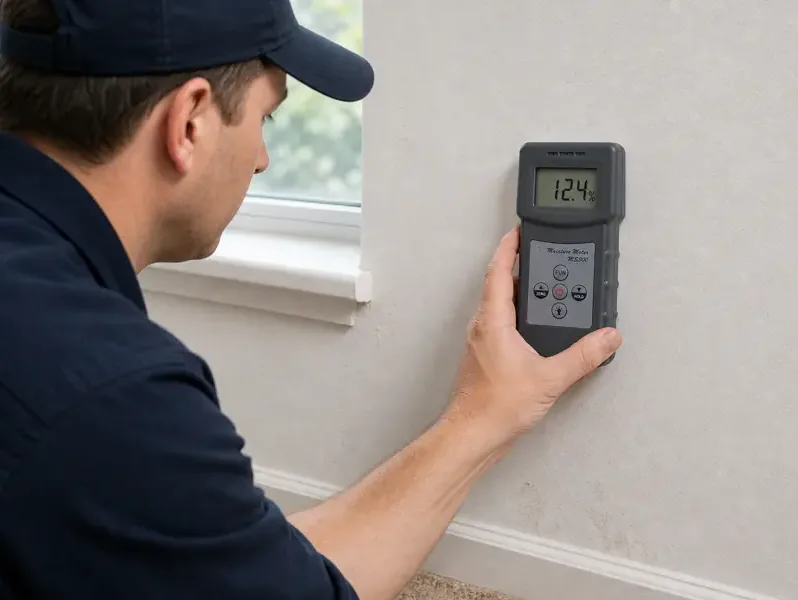
The wet edge is only a starting point
Water can travel behind trim before collecting where it becomes visible. Inspection connects the source with the affected assembly, then separates materials that can be dried from those needing removal. Each decision belongs in the written work scope.
Source status
The initial assessment establishes whether water is still entering and what source work must happen before the drying equipment can do useful work.
Material boundaries
Readings extend beyond the obvious stain to locate damp edges in adjacent finishes, providing a practical boundary for extraction and further inspection.
Contents protection
Movable belongings are assessed separately from building materials so handling choices account for contamination, fragility and the space needed for equipment placement.
Completion record
Final material readings and photographs explain what was dried, what was removed and which remaining source or finish work requires separate attention.
Documents for a coverage discussion
Photographs, a discovery timeline and itemized work records help a property owner discuss the loss with the insurer while cleanup decisions remain tied to conditions.
- 1Photograph the first visible damage from a safe position.
- 2Keep source correction paperwork with the cleanup records.
- 3List belongings that contacted water before discarding anything.
- 4Record changes to the agreed scope in writing.
- 5Save readings and invoices for the claim discussion.
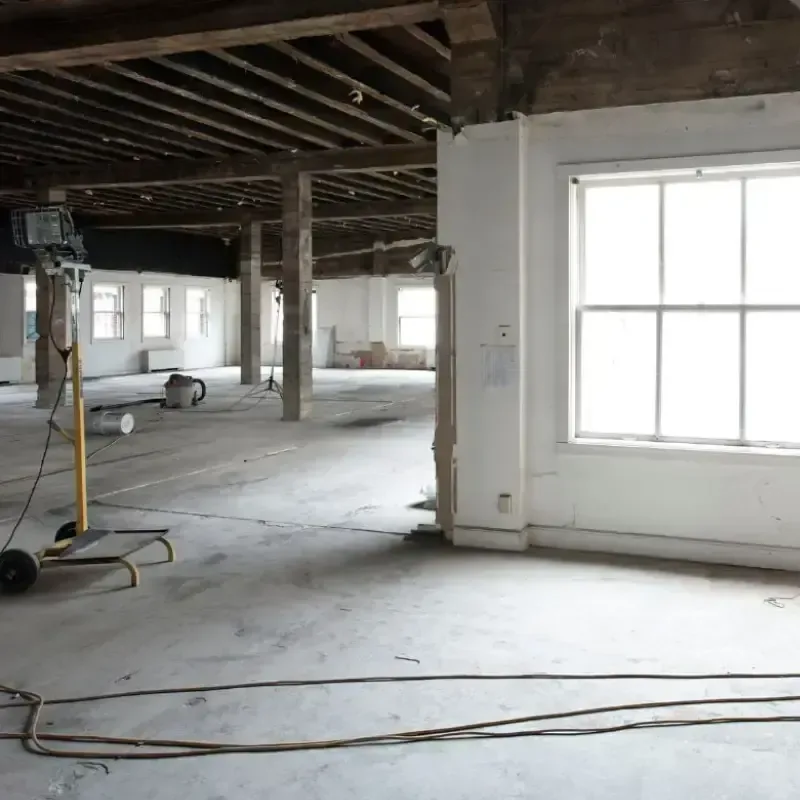
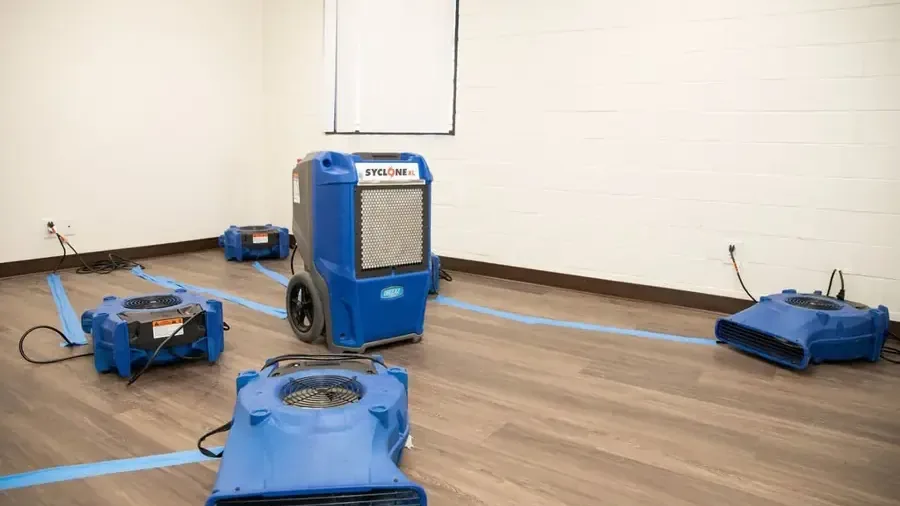
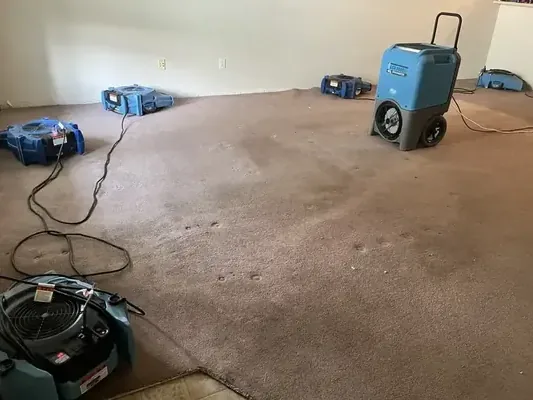
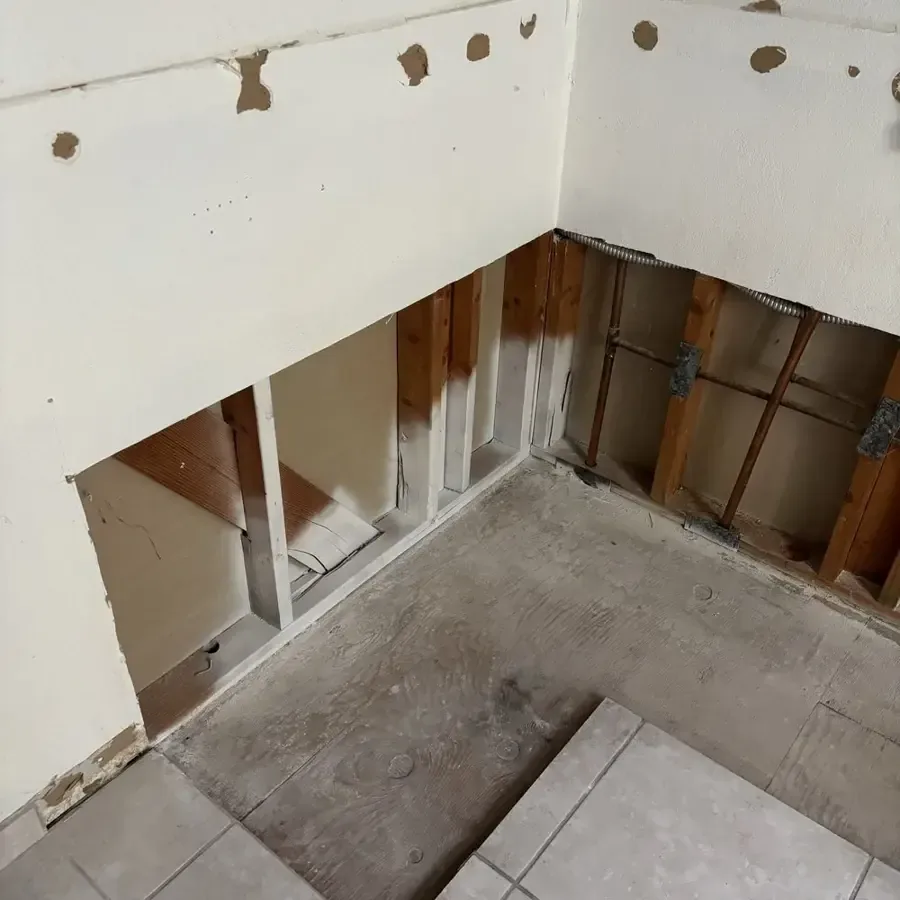
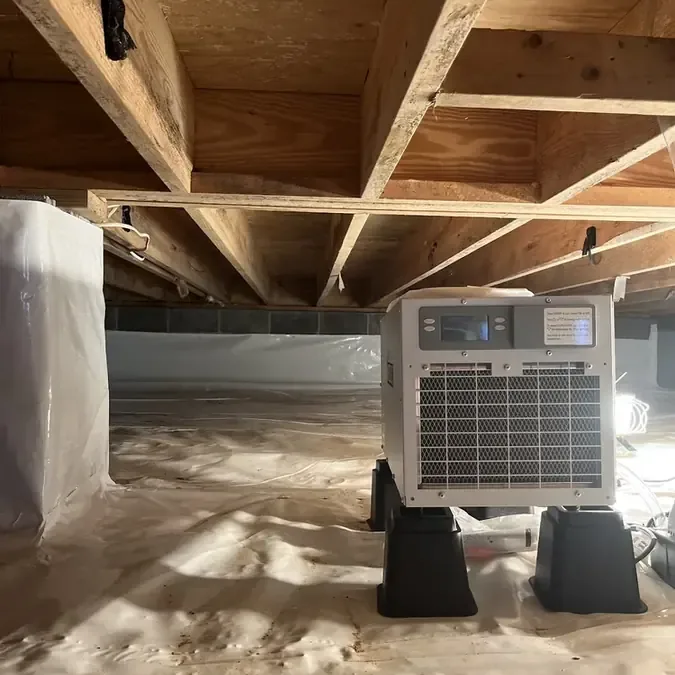
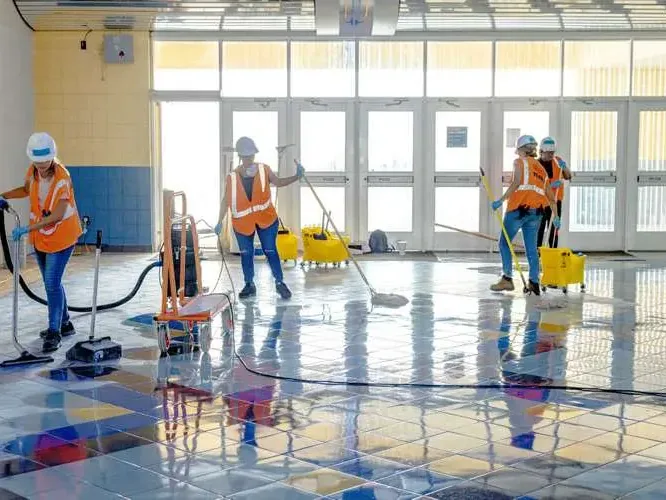
Examples of wet materials and drying access
Water damage help across Mansfield
Areas and travel corridors
Town ZIP
Other service areas
Describe the access as well as the leak
A useful service request includes the wet room, the source if known and any access restrictions. An upstairs ceiling or occupied room can change the inspection sequence.
For shared housing, the property contact should explain which spaces can be entered and where water has appeared. Access coordination helps the assessment follow the full affected area.
(888) 480-6221Explain the affected spaceMansfield, MA
[email protected]
Separate outdoor drainage from indoor leaks
The Canoe River, Rumford River and Wading River belong to the Taunton River Watershed. Inside a building, cleanup decisions start with the actual entry point and the surfaces that contacted water.
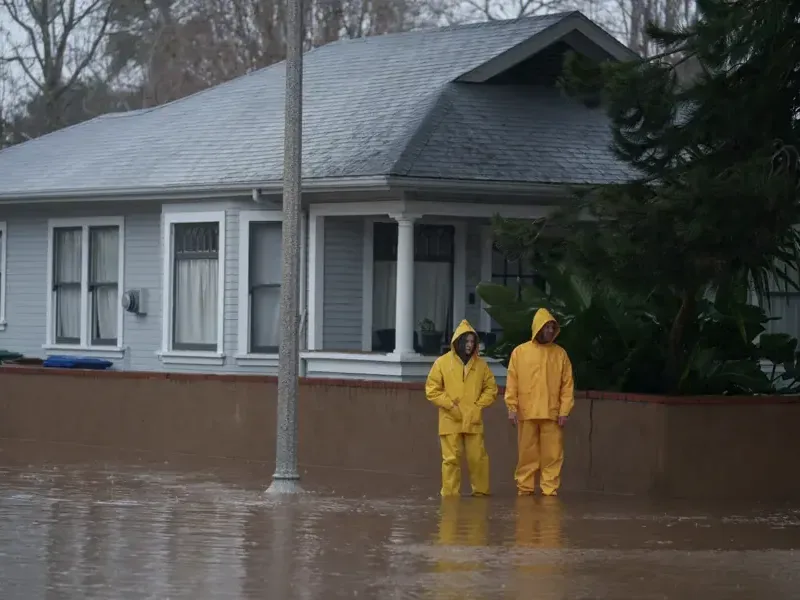
The town's stormwater program targets phosphorus and solids in runoff. For an outside water entry, the cleanup assessment should record sediment and the route into the building before drying begins.
The Mansfield Water Operations Division performs leak detection on the public system. An indoor leak also needs its own source assessment, including the fixtures and private building materials affected by escaping water.
- Hidden floor edges Water along a wall can slip beneath trim and flooring, leaving damp layers beyond the part that can be wiped dry.
- Overhead movement A ceiling stain can sit away from the leak because water follows framing or other surfaces before becoming visible in the room.
- Shared housing access Hawthorne Court includes duplex houses. When water affects adjoining occupied spaces, access planning helps inspection reach the full wet assembly safely.
- Low collection points Water gathering at the bottom of a room can affect wall bases and stored belongings together, requiring separate handling and moisture checks.
- Wet material thickness Dense flooring and layered assemblies need readings. A dry surface alone cannot describe moisture remaining deeper inside affected building materials.
Questions before arranging water cleanup
Describe what changed in the room
The source, wet materials and access conditions help establish where the initial assessment should concentrate its attention.
(888) 480-6221Discuss the damage details01What should a homeowner describe when requesting cleanup?
The most useful details are where water appeared, whether it is still entering and which rooms or belongings are affected. A report of sewage, sagging ceiling material or electrical concerns helps identify areas that need controlled access before the cleanup assessment can proceed.
02Does a dry floor mean the room is ready?
A floor can look dry while its underlayment or the nearby wall base remains damp. Material readings help locate that retained moisture. The drying decision should address the affected layers, with completion recorded before new coverings conceal the assembly again.
03Can cleanup begin before the source is corrected?
Some protective work may be appropriate while source correction is arranged, but continuing water entry changes the scope and can undo drying progress. The assessment should establish which actions can proceed safely and how the source status will be verified during the work.
04How are wet belongings handled during the assessment?
Belongings need separate decisions based on their materials, condition and contact with contaminated water. Photographs and an inventory help preserve a record before movement or disposal. Moving items should also avoid carrying moisture or contamination into an otherwise unaffected part of the home.
05What changes when water comes from a drain?
Drain water requires attention to contamination as well as moisture. Access restrictions, controlled material handling and surface cleaning may become part of the scope. Drying equipment placement follows those decisions so airflow does not spread contamination through occupied spaces or over unaffected belongings.
06Are all wet walls opened during cleanup?
Wall openings depend on the assembly and the moisture inside it. Accessible material that can dry may be retained, while damaged or inaccessible wet layers may need removal. The proposed opening should have a stated purpose and a documented boundary before removal begins.
07What should a written estimate explain clearly?
The estimate should connect each task to the observed damage, including water removal, material handling and monitored drying. Source correction and finish replacement should have a clear status. Any change caused by newly discovered wetting should be explained before the extra work proceeds.
08How does cleanup work in shared housing?
A resident should involve the property contact early when an affected wall, floor or utility area serves adjoining spaces. Entry permissions and the source location matter to the assessment. Inspection then follows the observed moisture rather than stopping automatically at an individual room boundary.
09What records show that drying is complete?
Final readings should identify the materials tested and the conditions used to evaluate them. Photographs and notes should also distinguish retained materials from removed finishes. That record supports the next restoration decision and makes any outstanding source work or remaining access needs visible.
Give the water damage a defined next step
A clear description of the source and wet rooms helps turn an unexpected loss into an inspection, a written scope and measurable drying decisions.