Mansfield Frozen Pipe Water Damage
A frozen pipe problem can become a water damage problem when flow returns through a split. Mansfield cleanup addresses the resulting indoor release, tracing wet cavities and room finishes after the source has been safely controlled.
(888) 480-6221Describe the thaw related release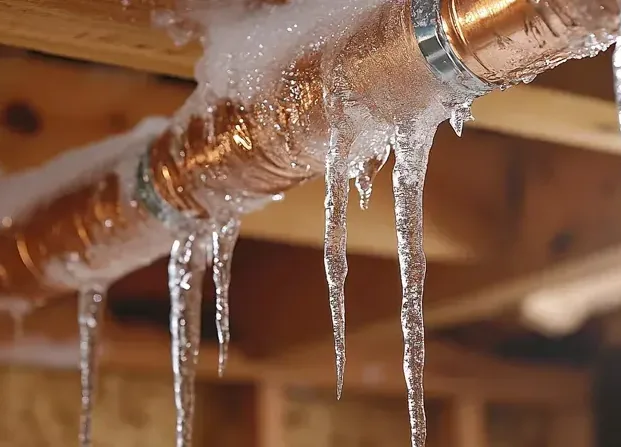
First steps for frozen pipe water damage in Mansfield
- 1
Arrange safe pipe assessment
A suspected frozen or split pipe needs appropriate source attention. Avoid open flames and improvised heating, and keep clear of wet electrical areas while the access conditions are being evaluated.
- 2
Explain the sequence of changes
Describe when flow changed, when water became visible and whether the source was isolated. These details help connect the indoor damage with the pipe condition observed during the assessment.
- 3
Report connected wet spaces
Mention damp flooring, stained wall bases or a ceiling below the pipe area. The cleanup inspection needs to follow water beyond the opening used to reach the damaged source.
- 4
Preserve access for moisture checks
Keep safe approaches to the affected room and exposed cavity clear. Repeated readings around the pipe location and adjacent materials help document the drying condition.
How frozen pipe water damage work is done in Mansfield
Reduced flow and a later indoor puddle describe different stages of a possible frozen pipe loss. At an affected property in Robinsonville, the cleanup assessment starts with the observed pipe condition and the water that entered the building. It should establish whether the release is controlled, then follow moisture through the surrounding cavity and into the room. The amount visible on the floor may leave concealed wet layers unaccounted for.
What does frozen pipe water damage cost in Mansfield, MA?
Frozen pipe cleanup costs in Mansfield reflect the indoor release, cavity access and number of affected assemblies. The estimate should identify water recovery and material drying separately from pipe correction, with added work explained when concealed spread is found.
Single contained release
$1,500 to $3,000
Concealed cavity spread
$3,000 to $7,000
Several thaw-related losses
$7,000 to $12,000+
Ranges are typical, not a quote: category of water, square footage, material class and how fast drying started move the number most. Run the water damage cost calculator for a closer range.
The frozen pipe water damage process in four steps
The drying plan follows the materials, water category and access conditions recorded during inspection. Technicians compare repeat measurements with an unaffected reference and adjust equipment when moisture stops falling.
Step 1 Connect the pipe history with damage
The assessment examines the observed pipe condition, source work and timing of indoor water, then identifies which rooms and concealed areas need investigation for the cleanup scope.
Step 2 Recover released water from affected spaces
Extraction addresses pooling and soaked surfaces. Perimeter checks follow water into wall bases, neighboring coverings and lower assemblies beneath the affected pipe.
Step 3 Expose and dry the retained layers
Necessary openings reach material beyond the pipe access point, and equipment is positioned to remove moisture from framing or floor layers that remain suitable for continued drying.
Step 4 Confirm source and material completion separately
Closing documentation records pipe status alongside final readings, removed finishes and remaining tasks, providing a clear account of the affected rooms after drying.
Keep pipe attention separate from unsafe thawing attempts
A suspected frozen or damaged pipe needs appropriate qualified attention. An open flame or improvised heating attempt can create additional hazards, while a split may release water when flow returns. The cleanup discussion should identify the source status and any work already performed, including whether new water appeared after the initial pipe inspection or isolation.
- Report the sequence from lost flow to visible indoor water.
- Keep clear of wet electrical areas near the affected cavity.
- Identify rooms where water appeared after the source was noticed.
- Save pipe findings for the material damage assessment.
Follow the release inside the building
Water escaping within a wall can move downward before it reaches an exposed surface. Inspection should include the wall base, neighboring flooring and any lower ceiling with signs of wetting. Selected access may be required to evaluate the full assembly, especially where finishes prevent direct readings or restrict a useful drying path to retained framing.
Ginty Corner and West Mansfield are additional service locations where the work is defined by the inspected property. A description of the affected room and any inaccessible pipe space helps focus the assessment without assigning a neighborhood wide freezing pattern.
Use measurements after the water stops
After burst pipe cleanup or extraction addresses the release, moisture inside building layers still needs evaluation. Drying should track those retained materials and identify any section that remains damp. The closing record then separates source completion from the condition of the walls and floors that were wetted during the thaw related loss.
- Document the cavity opened to inspect the affected pipe.
- Check surrounding materials beyond the source access hole.
- Record renewed water entry as a change to the plan.
- Assess final material readings before replacement finishes conceal the assembly.
Frozen pipe water damage across Mansfield and nearby towns
Frozen pipe damage cleanup covers Robinsonville, Ginty Corner and West Mansfield. Assessment follows the observed pipe condition and actual indoor release, with checks for concealed cavity moisture and connected room damage after the source is controlled.
The same service nearby: frozen pipe water damage in Stoughton, Easton, Brockton.
Related water damage services in Mansfield
Frozen Pipe Water Damage questions in Mansfield, MA
Still dealing with it?
A thaw related release needs assessment of the room materials as well as a clear status for the affected pipe.
(888) 480-6221Explain the thaw damage01Can a pipe start leaking as it thaws?
A damaged pipe can release water when flow returns. Any new indoor wetting needs source attention and assessment of the building materials contacted during the release.
02Does restoring flow complete the cleanup?
No. Pipe function and wet building materials require separate evaluation. Moisture may remain inside the cavity, flooring or ceiling after the source has been addressed.
03Should a homeowner heat the pipe with a flame?
Open flames should not be used for thawing. Appropriate qualified attention is needed for the pipe while cleanup planning addresses safe access and any water already released indoors.
04Why inspect beyond the pipe opening?
The source opening may expose only part of the affected cavity. Water can reach nearby framing and floor layers that remain hidden outside the area used for pipe work.
05What if another damp area appears later?
Report the new location and document its condition. Inspection should investigate continuing entry or concealed spread before the original drying boundary is treated as complete.
06How is readiness for wall closure determined?
Source status and retained material readings need evaluation together. The record should explain which layers were dried and any remaining work before new finishes cover the exposed cavity.
Follow the indoor water beyond the split pipe
Describe the sequence of flow changes and wet surfaces so inspection can establish the affected boundary, suitable access and the materials needing continued drying.