Water Extraction and Removal in Stoughton, MA
The extraction crew removes standing water from accessible rooms and checks what remains in the floor assembly. Pumps, recovery tools and drying equipment serve different stages of the loss, with 24/7 dispatch available.
(888) 480-6221Recover the standing water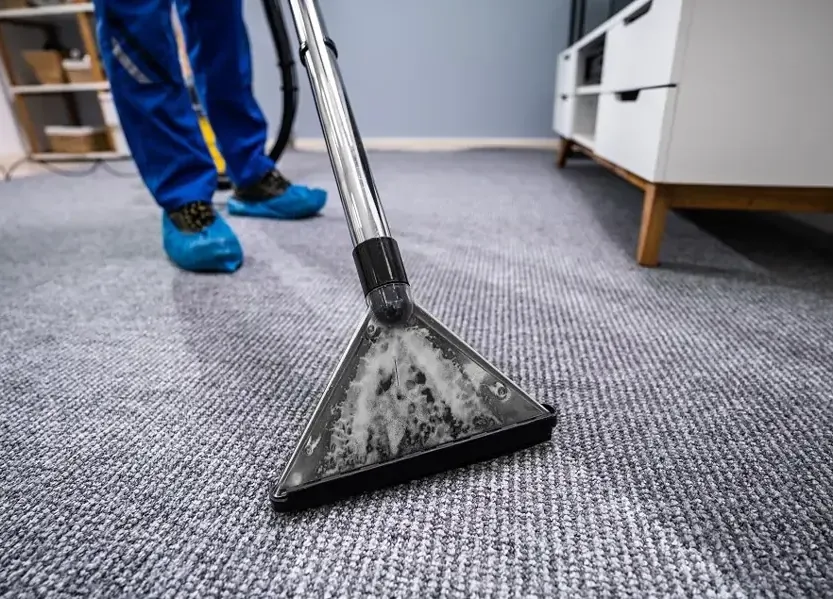
First steps for water extraction and removal in Stoughton
- 1
Stay on dry ground
Occupants should avoid entering standing water where electrical equipment or unknown contamination is present. Immediate danger requires emergency assistance before a restoration assessment.
- 2
Stop a safe supply source
An accessible shutoff can limit a plumbing release. Outside water and drain backups require different precautions, so describe the actual source rather than guessing.
- 3
Protect the exit route
Keep children, pets and stored belongings away from the affected doorway. Avoid walking dirty water into dry rooms while waiting for the extraction assessment.
- 4
Record the water boundary
A few photographs from a safe position show depth, spread and affected items. The crew uses those details alongside measurements taken at the property.
How water extraction and removal work is done in Stoughton
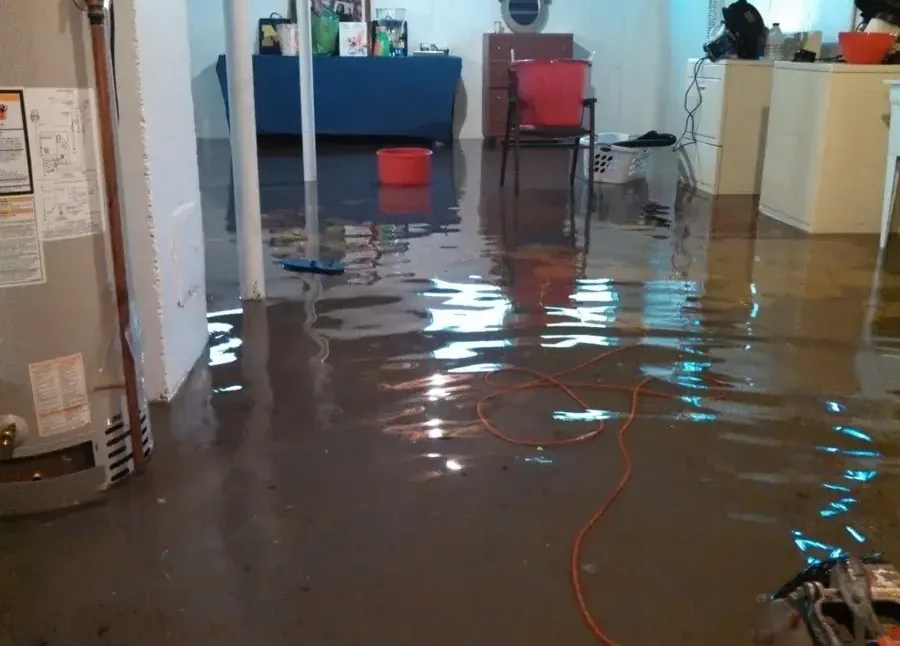
Visible water creates an urgent removal task, but extraction begins with the source and the hazards around it. A shallow supply release over tile differs from dirty water in a lower level. The crew chooses pumps or vacuum extraction for the depth, access and contamination, then measures moisture in the materials left behind. Removing a puddle does not complete structural drying.
What does water extraction and removal cost in Stoughton, MA?
Water extraction typically ranges from $500 to $3,000 for a limited loss, with larger or contaminated projects reaching $3,000 to $8,000 or more. Depth, access, wet area and the material-removal needs matter more than the visible puddle alone.
Limited clean-water recovery
$500 to $1,500
Multiple-room extraction
$1,500 to $3,000
Complex water removal
$3,000 to $8,000+
Ranges are typical, not a quote: category of water, square footage, material class and how fast drying started move the number most. Run the Stoughton water damage cost calculator for a closer range.
The water extraction and removal process in four steps
The drying plan follows the materials, water category and access conditions recorded during inspection. Technicians compare repeat measurements with an unaffected reference and adjust equipment when moisture stops falling.
Step 1 Assess the entry
The response team records source, depth and hazards, then selects an equipment route that protects the unaffected portions of the property.
Step 2 Recover standing water
Extraction tools remove accessible water in controlled passes, with recovery methods adjusted to the flooring condition and the assessed water category.
Step 3 Inspect remaining moisture
The technician checks room edges, lower wall materials and transitions to determine which layers still need drying after visible water disappears.
Step 4 Begin monitored drying
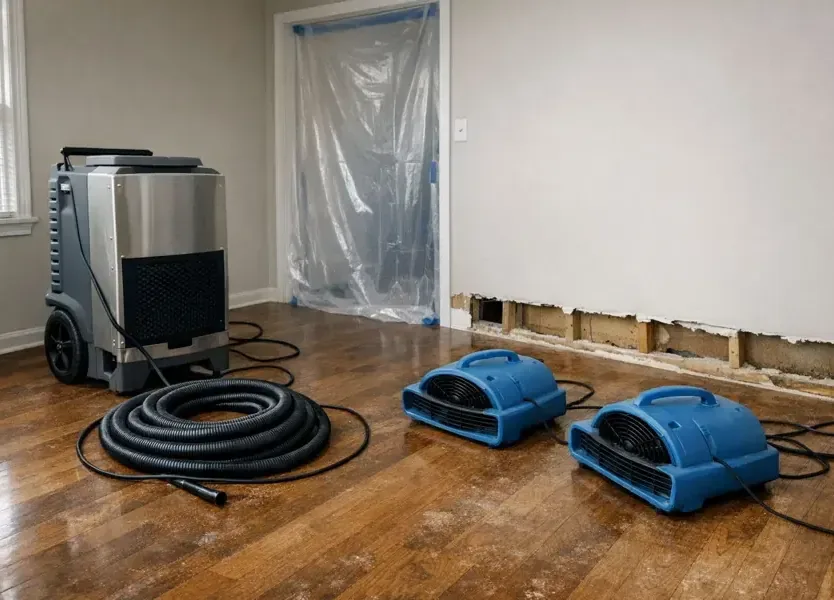
Dehumidification and air movement address the remaining load, while daily measurements determine changes to equipment placement and the final drying endpoint.
Choosing recovery equipment for the actual water
A pump moves deeper standing water, while extraction tools recover water from accessible flooring and suitable textile assemblies. The assessment determines whether a carpet or pad can remain. Contaminated porous material needs a different approach from clean supply water, and the crew avoids spreading dirty water through unaffected rooms while moving equipment.
- Establish a dry access route and identify the source before positioning equipment.
- Inspect floor drains and lower spaces, then choose a discharge route that keeps recovered water away from unaffected areas.
- Separate reusable contents from materials requiring removal.
- Record the wet perimeter before extraction makes the surface look improved.
Street incidents and room-level water removal
Pleasant Street, Lincoln Street and Union Street were affected by the documented June 2023 main-break closures. An extraction request in that area still requires a property-level account of where water entered. A supply leak inside a room, outside runoff and a public-system incident are not interchangeable explanations. Crews use the observed source and material condition to determine the cleanup category.
Near Halloran Park, the same assessment starts with the building rather than assumptions about its surroundings. Ready.gov flood information explains avoidance of unsafe floodwater; the EPA water information provides broader water-quality context.
What follows the last extraction pass
Wall bases, seams and flooring layers may retain water after the visible pool disappears. Technicians map these areas and set air movement and dehumidification to support evaporation. Repeat readings show whether the wet boundary is shrinking and whether hidden spaces require more access. A clean-looking surface can still conceal moisture underneath a cabinet or threshold.
- Track initial and repeat readings at consistent locations.
- List removed materials separately from equipment time.
- Preserve photos showing water depth and affected contents.
- Keep the drying plan open to adjustment when readings stall.
The extraction record and daily drying log help an insurer understand the work. The insurer evaluates coverage under the cause, endorsements and other policy terms, using the submitted records to understand the documented loss.
Water extraction and removal across Stoughton and nearby communities
The restoration team serves ZIP 02072, including Pleasant Street, Lincoln Street, Union Street and the surrounding town. Crews assess the actual water source and wet materials at each property before choosing extraction and drying equipment.
Nearby coverage reaches Brockton, Easton, Braintree, Mansfield, Westwood.
Related water damage services in Stoughton
Water Extraction and Removal questions in Stoughton, MA
Still dealing with it?
Water still covering the floor needs safe access and a recovery plan. Describe the depth and source before entering the room.
(888) 480-6221Discuss standing water depth01Is a household wet vacuum enough?
A household machine may remove a small amount of safe water, but it does not assess electrical hazards, contamination or moisture below finishes. Significant standing water needs an assessment of the whole affected assembly.
02Why does the estimate include drying equipment?
Extraction removes free water. Materials can still hold absorbed moisture afterward, so the scope may include dehumidification, air movement and monitoring to prevent wet layers from being closed in.
03Can carpet remain after extraction?
That depends on the source, contamination, backing, pad and material condition. The assessment should explain whether drying in place is appropriate or whether affected porous material needs removal.
04Will extraction damage the floor?
The crew selects recovery methods for the existing finish and its condition. Water may already have loosened adhesive or swollen layers; photographs distinguish that damage from necessary access or removal.
05Does a dry-looking room need more readings?
Yes. A room may look improved after extraction while wall bases and underlayment remain wet. Repeat material measurements provide stronger evidence of progress than appearance or touch.
06Can an extraction request be made at night?
The response team provides 24/7 dispatch. The initial conversation should identify the source, rooms, standing depth and any electrical or access concern so the team can assess the immediate needs.
Get the free water out and measure what remains
The extraction crew addresses visible water, then the drying team checks the materials that absorbed it and records the next steps.