Water Damage Restoration Stoughton, MA
Water travels beyond the first wet patch. The restoration team provides 24/7 extraction, cavity checks and structural drying, with a moisture record that shows what got wet and when it reached its drying goal.
(888) 480-6221Get spreading water containedServing ZIP 02072 and surrounding communities, with each drying plan matched to the property.
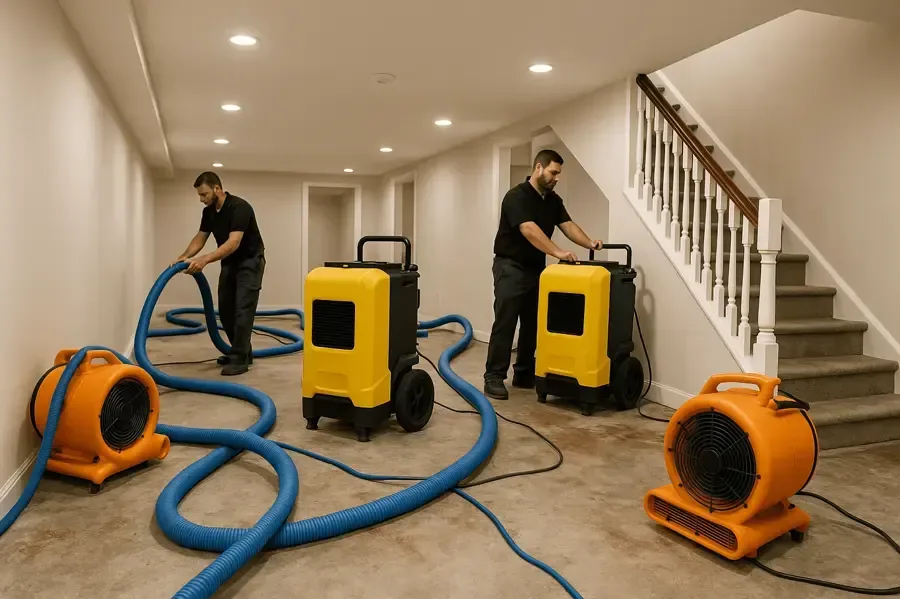
What to do while the water is still moving
- 1
Separate people from hazards
Keep occupants out of rooms with wet outlets, sagging ceilings or contaminated water. Emergency services handle immediate danger; no one should cross standing water to reach a breaker.
- 2
Limit the source safely
Close an accessible supply valve only from a dry position. A drain backup needs water use stopped, while outside flooding requires avoiding the affected entry route.
- 3
Record the visible spread
Photograph the source, water edge and affected contents from a safe place. Those early images help distinguish original damage from later removal and drying work.
- 4
Request water removal
Describe the wet rooms, source and access concerns by phone. The extraction crew assesses the loss before selecting pumps, vacuum equipment and the first drying zones.
Water Damage Restoration Services in Stoughton, MA
A supply failure, a wet ceiling and outside floodwater need different decisions. Select the source or affected material for the first precautions, extraction approach, drying checks and typical cost factors.
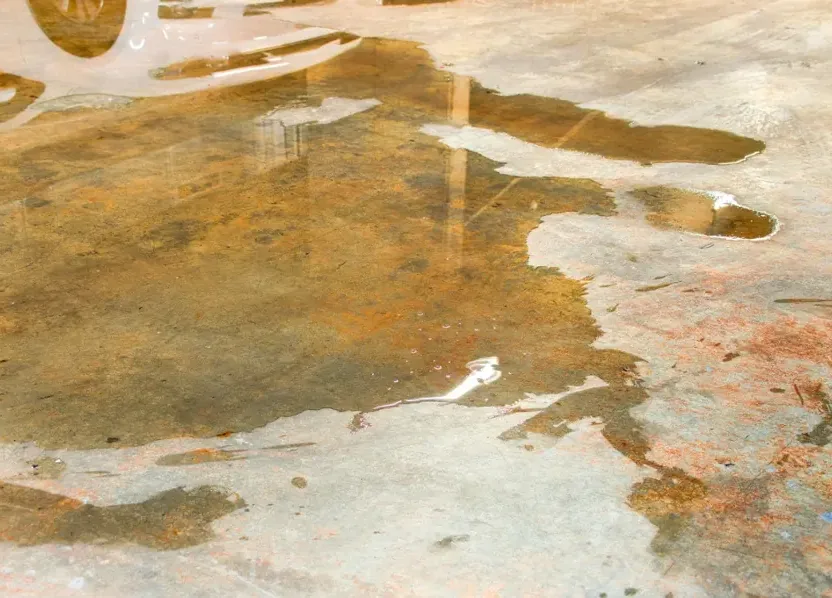 Slab Leak Water DamageDamp flooring over concrete needs a source check and moisture measurements beneath the finish.Inspect the concrete layers
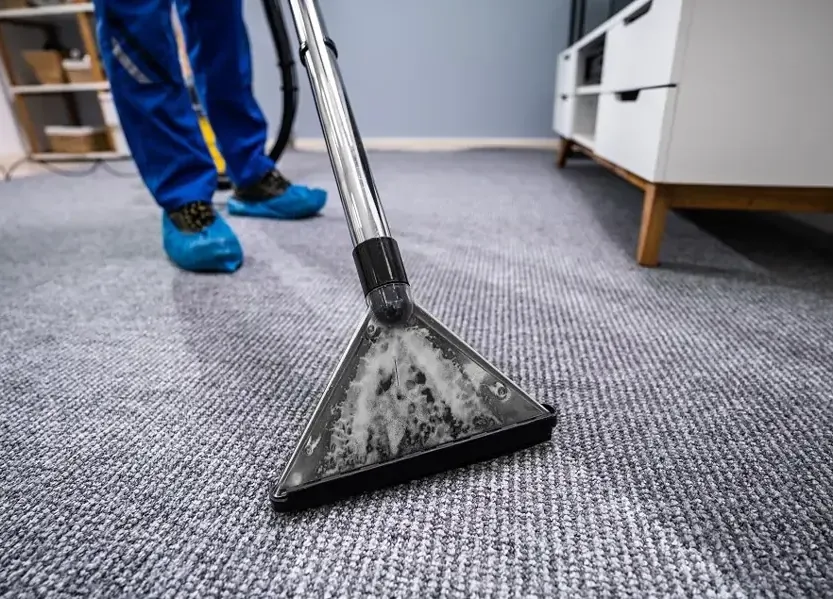 Water Extraction and RemovalStanding water comes out before dehumidifiers tackle the moisture held inside building materials.Recover the standing water
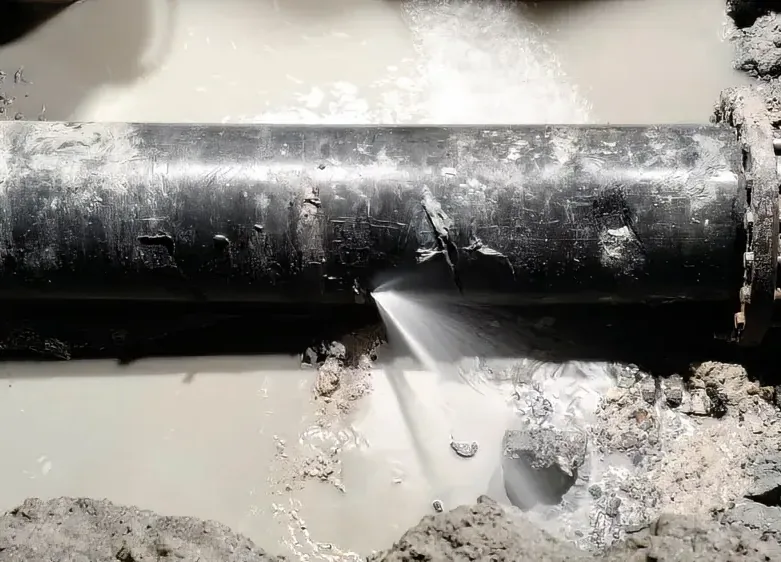 Pinhole Leak Water DamageA small supply opening can soak a wall cavity long before a stain becomes obvious.Trace concealed supply wetting
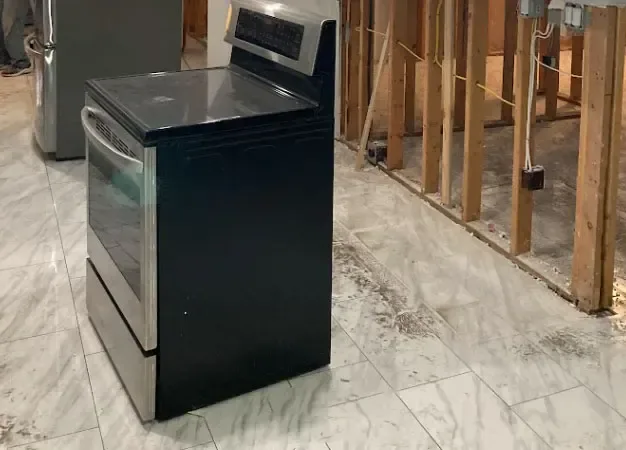 Burst Pipe Water DamageA sudden pipe release calls for isolation, extraction and a room-by-room moisture map.Follow the sudden release
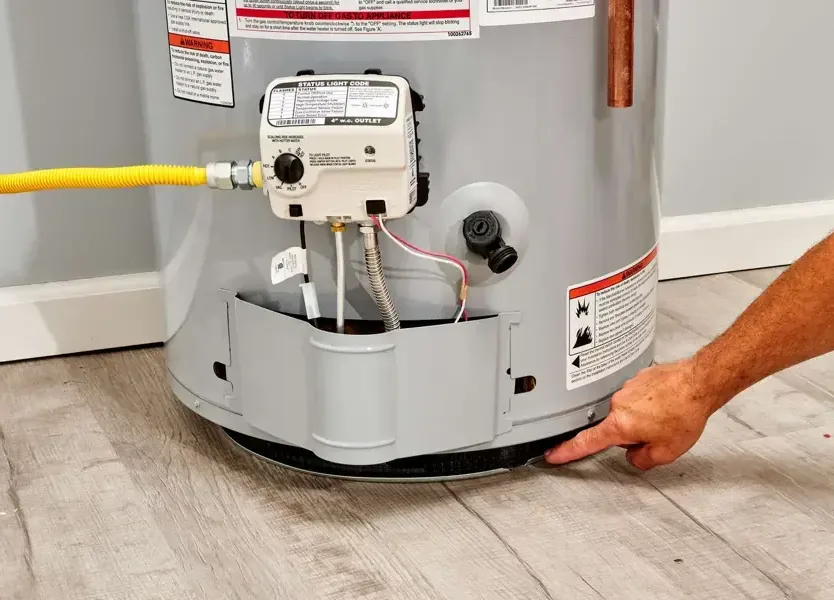 Water Heater Leak CleanupTank leakage can run beneath partitions and soak nearby stored contents or floor finishes.Check the tank surroundings
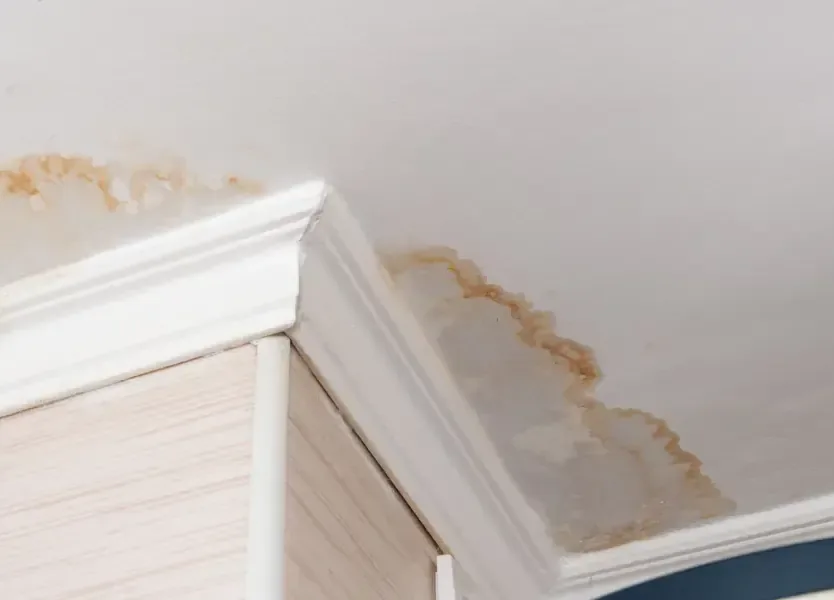 Ceiling Leak Water DamageSagging ceiling material and wet lighting require safe access before drying above the room.Assess the overhead cavity
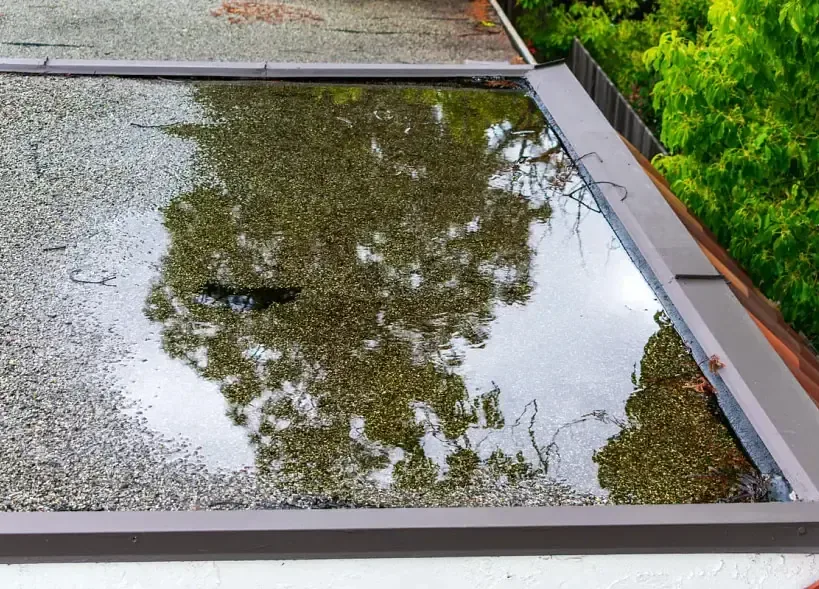 Roof Leak Water DamageRain entry needs tracing through the attic, insulation and ceiling below the roof opening.Follow rain through the attic
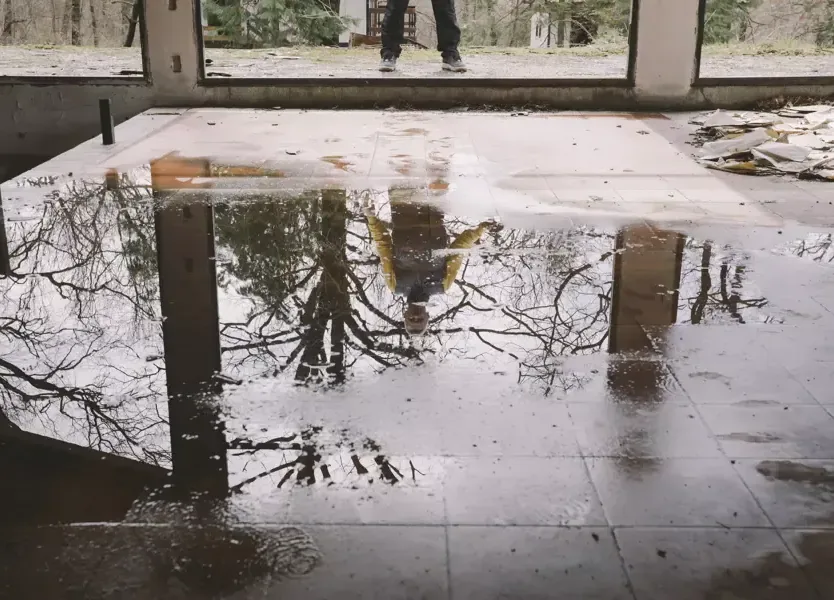 Storm Flood CleanupWater arriving from outside brings a contamination assessment before material removal and drying.Plan contaminated-water cleanup
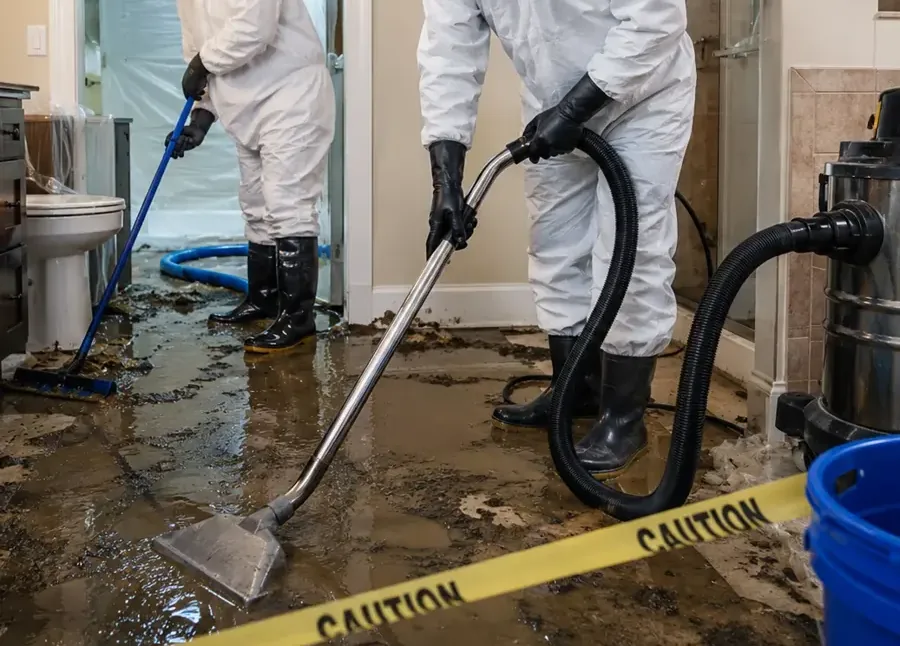 Sewage Backup CleanupDrain backups require containment, protective equipment and removal of contaminated porous materials.Separate the drain-loss area
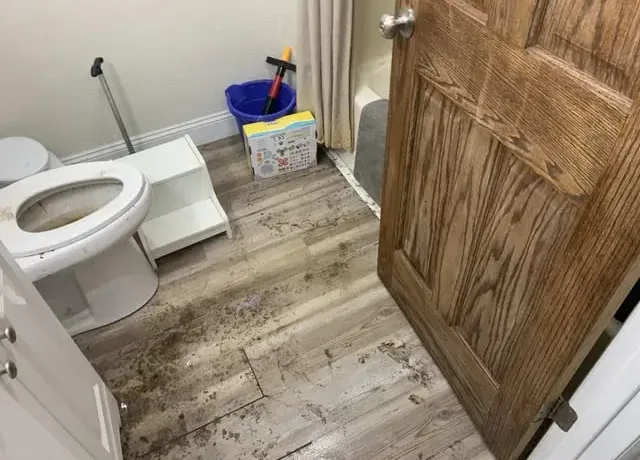 Toilet Overflow CleanupThe source determines whether a bathroom overflow needs clean-water drying or contaminated-water removal.Identify the bathroom source
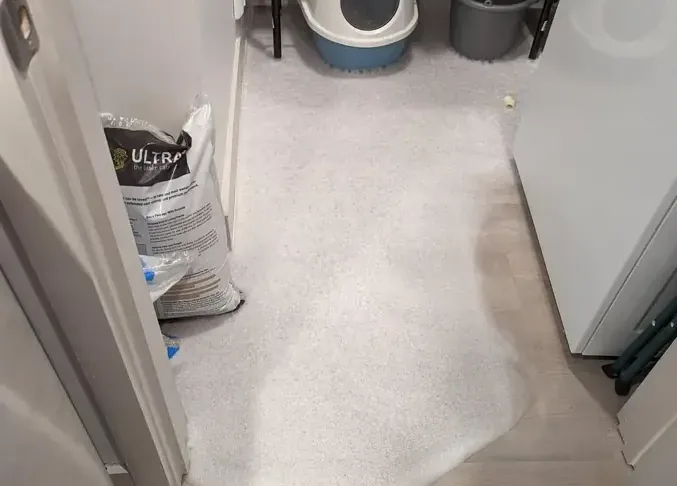 Appliance Leak Water DamageLeaks beneath appliances can reach cabinet bases, underlayment and adjoining rooms before discovery.Look beneath fixed equipment
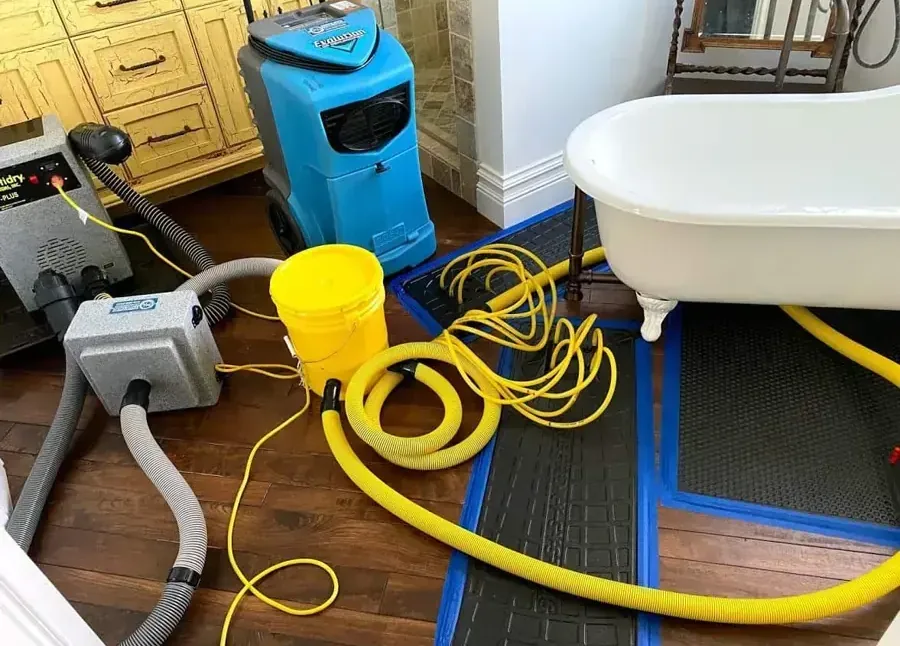 Shower Pan Leak Water DamageRepeated shower leakage demands moisture checks beyond grout, trim and the visible bathroom floor.Investigate recurring shower dampness
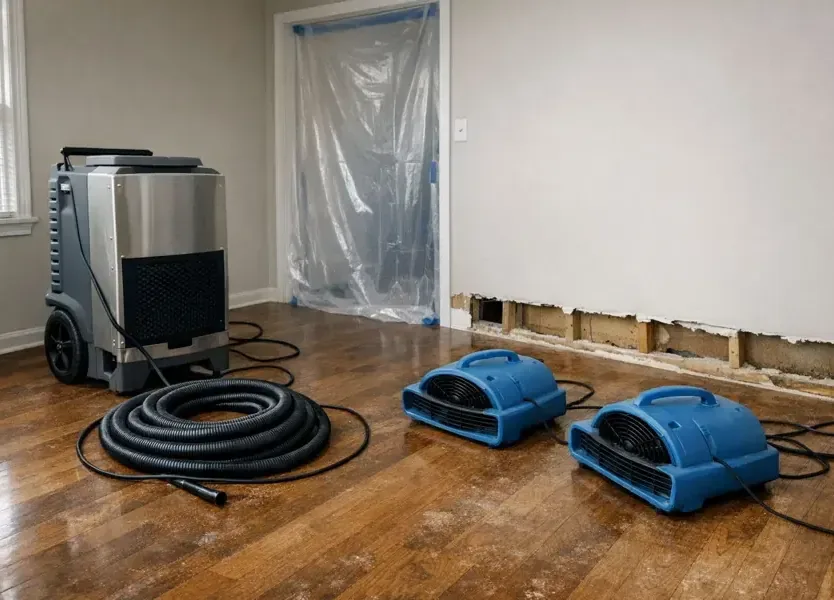 Structural Drying and DehumidificationAir movement and humidity control follow repeat readings in framing, cavities and dense flooring.Measure the retained construction
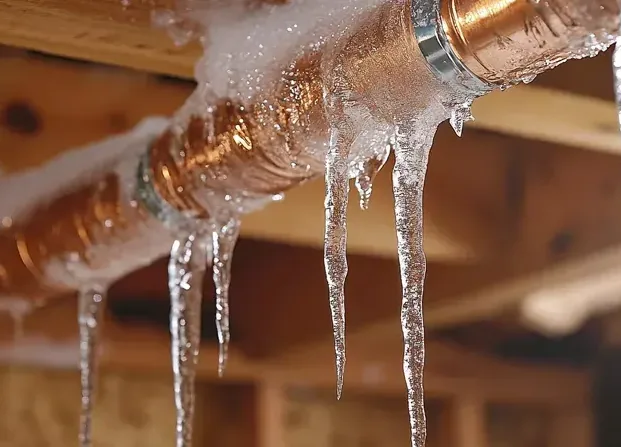 Frozen Pipe Water DamageCold-exposed plumbing can release water during thawing, requiring source control and concealed-space checks.Check the thaw-related spread
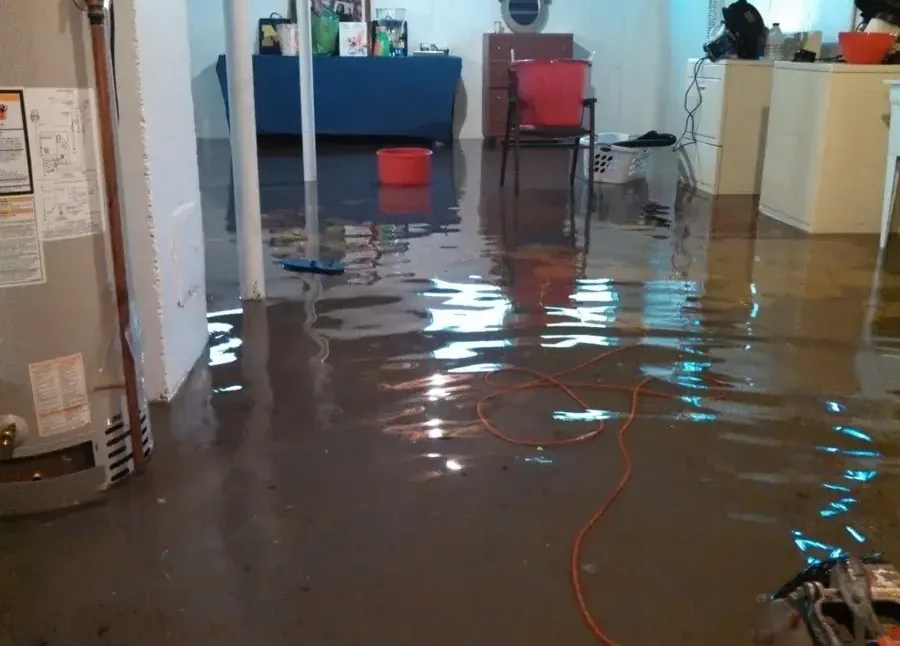 Basement Water RemovalWater in a lower level requires safe electrical access and a careful look at entry routes.Establish safe lower-level recovery
What does water damage restoration cost in Stoughton, MA?
Typical extraction and drying projects range from $1,000 to $7,500, with extensive or contaminated losses costing more. Wet area, water category, material class and the delay before drying starts determine which work belongs in the scope.
These are planning ranges, not a property-specific quote. The cost calculator compares common drivers; the inspection establishes the actual affected materials and work required.
Contained supply release
$1,000 to $2,500
Several affected rooms
$2,500 to $7,500
Contaminated or extensive loss
$7,500 to $15,000+
All water damage categories covered in Stoughton, MA
Category 1: clean source
A sanitary supply release starts with a different exposure profile from a drain backup. Time and contact with other materials can change its condition.
Remove supply waterCategory 2: contaminated water
Appliance discharge and other contaminated sources require careful material assessment. The crew checks the source and affected materials before choosing removal, cleaning and drying methods.
Check appliance damageCategory 3: sewage or floodwater
Sewage and outside floodwater demand protective measures. The cleanup crew removes affected porous materials and cleans accessible surfaces before structural drying.
Contain a sewage lossWater damage dried to the IICRC S500 standard
The drying team measures the assembly, not just the room air. Air movers promote evaporation while dehumidifiers remove released moisture. Repeat readings show whether hidden layers are improving or whether access and equipment placement need to change.
What the drying record follows
Initial moisture map
Technicians mark affected flooring, wall bases and adjoining spaces before equipment begins. The map gives later readings a consistent location and separates visible damage from moisture found with instruments.
Water removal
Extraction reduces the water available to soak deeper into the structure. The crew selects equipment for water depth, access and contamination, then records materials that cannot remain.
Controlled evaporation
Air movers direct airflow across wet surfaces while dehumidifiers control indoor humidity. Equipment placement reflects the room layout and the moisture held in the materials.
Progress checks
Daily measurements compare wet materials with a suitable dry reference. A stalled reading prompts another source check, closer inspection or an adjustment to the drying chamber.
Completion record
The final record explains the drying goal and the readings that support equipment removal. The crew checks concealed layers through suitable access and compares material readings with the drying goal.
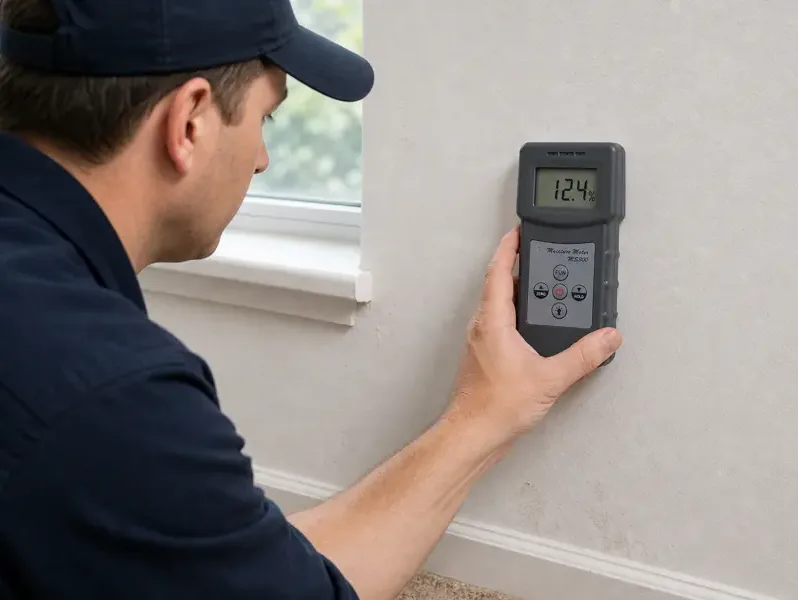
How the restoration team handles a water loss
The first inspection follows the water across room boundaries. A dry-looking threshold may hide wet underlayment, and a ceiling stain may sit below the actual entry point. Technicians record those findings before extraction, selective removal or equipment placement.
Rapid local response
The response team handles active water as urgent, with 24/7 dispatch and a scope based on safe access and the source.
IICRC S500 drying standard
Drying goals use material readings and an unaffected reference, rather than the appearance of a surface or a fixed equipment schedule.
Claim-ready documentation
Photos, moisture maps and daily drying records preserve the reasoning behind extraction, removal and changes to the equipment plan.
Local water experts
The assessment distinguishes an indoor supply release from outside entry, including concerns raised by the town's documented water-main incidents.
Documentation for your insurance claim
A useful claim file shows the initial condition, the affected materials and the reasons for each mitigation step, with dates and repeat measurements.
- 1Timestamped photos before extraction or selective material removal
- 2A moisture map showing rooms and concealed areas checked
- 3Water category and material class recorded during assessment
- 4Daily humidity, temperature and material-moisture observations
- 5An itemized scope linking equipment and removal to the documented loss
What a water damage dry-out looks like in Stoughton
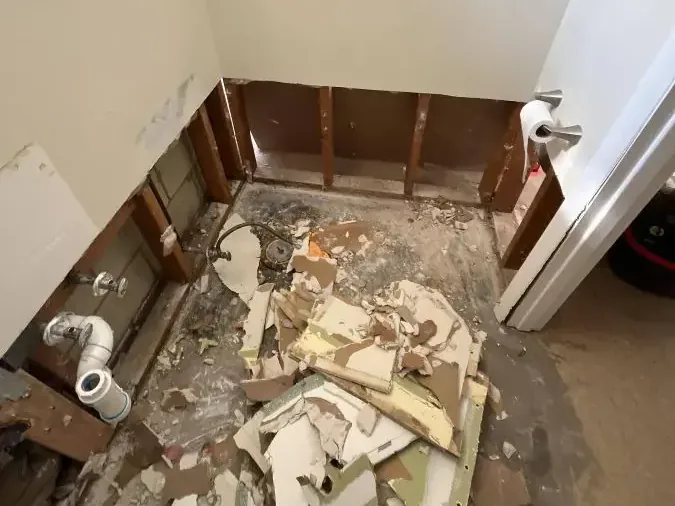
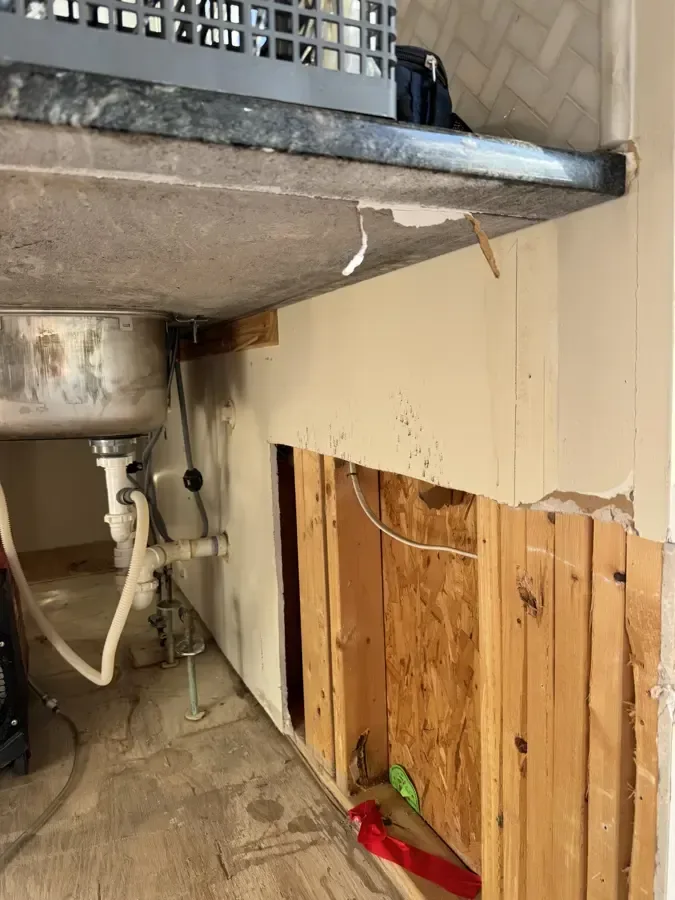
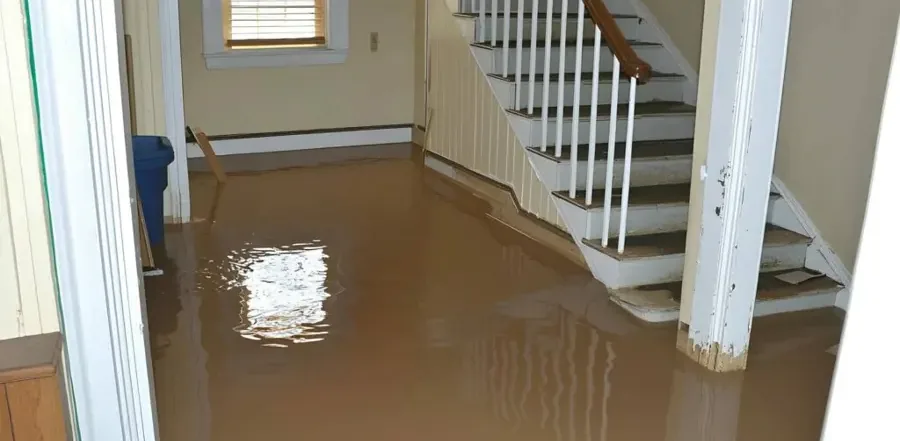
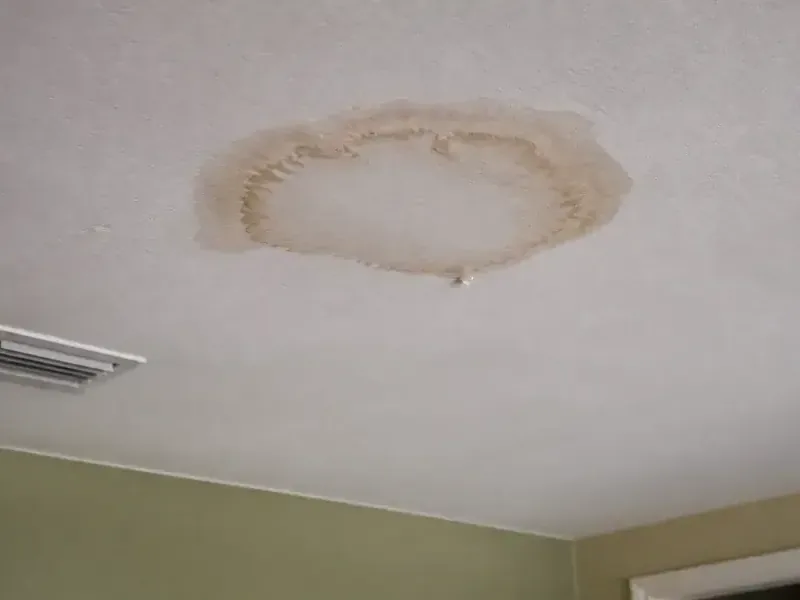
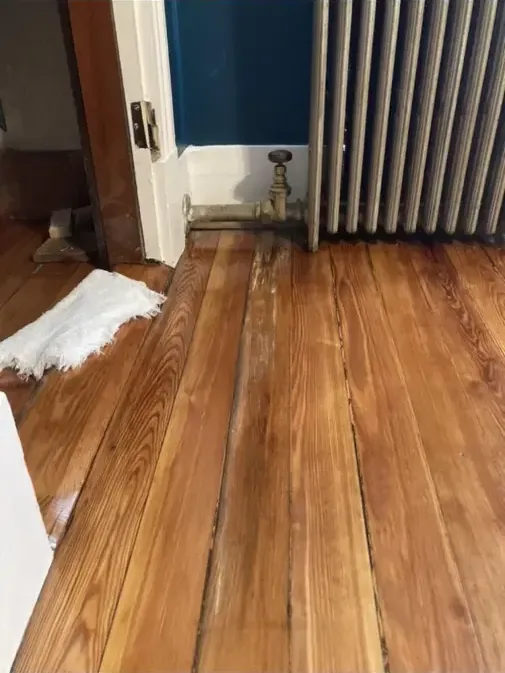
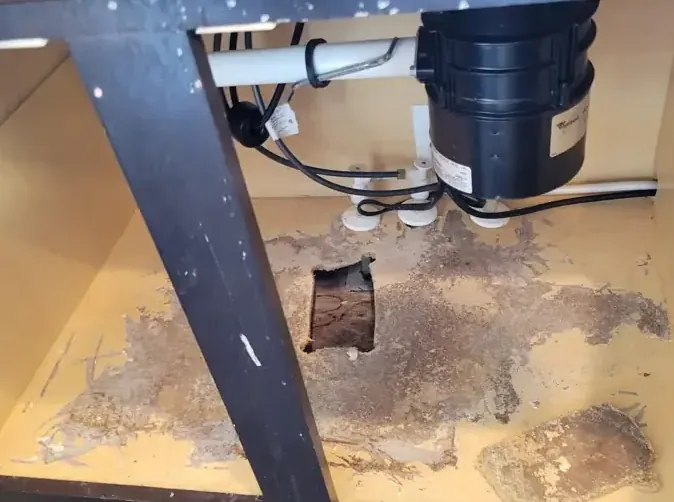
Water damage restoration across Stoughton and ZIP 02072
Streets within the service area
ZIP coverage
Nearby communities
One call reaches Stoughton water damage pros, 24/7
The first conversation establishes the source, wet rooms and immediate access concerns. An active supply leak, outside water and a drain backup each need different precautions.
The response team works from the property's conditions. Mention standing water, affected electrical equipment and any ceiling movement before anyone enters the wet space.
(888) 480-6221Explain the wet roomsStoughton, MA
[email protected]
Public water incidents and winter exposure in Stoughton
The Water Department supplies town water with an MWRA connection. Street-level incidents and winter weather provide useful context, but the restoration assessment still has to establish how water entered the individual property.
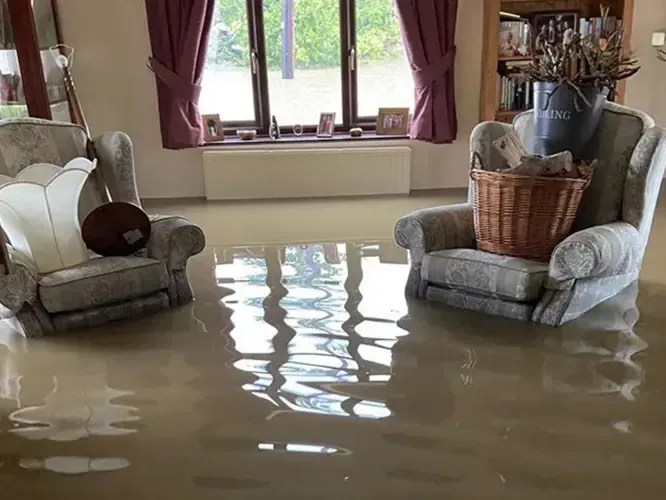
A major water-main break closed Pleasant Street between Lincoln Street and Union Street, with access restrictions affecting Prospect Street, Chestnut Street and Grove Street.
The town recorded 30.9 inches of snow during the blizzard. After heavy snow, property checks focus on active roof leaks, ceiling stains and exposed plumbing that needs attention.
- Public versus private source Crews inspect the private supply and visible entry route, then document the rooms and materials reached by water.
- Pond surroundings At properties near Ames Long Pond, crews check where water entered and record its depth and the rooms it reached.
- Concealed water paths Floor finishes and closed wall cavities can hide moisture beyond the room where the first stain appears.
- Cold-weather conditions The assessment distinguishes a pipe release during thawing from rain or snow entering through the roof assembly.
- Material-specific drying In homes near Halloran Park and Stoughton Public Library, drying equipment is chosen for the wet materials, from plaster walls to hardwood floors.
Water damage questions for Stoughton property owners
Water moving into another room?
The response team helps establish the first precautions and the extraction needs for the wet space.
(888) 480-6221Discuss the water spread01What should happen before water removal starts?
The initial assessment addresses electricity, unstable materials and the source. Occupants stay clear of unsafe rooms. The extraction crew then records the wet area, identifies the water category and selects equipment suited to the depth and access conditions.
02Does drying start after the visible water is gone?
Extraction and structural drying address different parts of the loss. A pump removes standing water, but wall bases, flooring and cavities can retain moisture. Technicians use instruments to locate that remaining water and size the drying equipment.
03Can the equipment leave when the carpet feels dry?
The assessment includes the carpet pad, underlayment and adjacent wall, where moisture can remain after surface extraction. The drying team compares material readings with an unaffected reference and records the result before ending the drying phase.
04How long does a typical dry-out take?
A limited clean-water loss often needs several days, while dense flooring, concealed cavities or a delayed start can take longer. Daily measurements determine progress. The crew compares actual material readings with the drying goal before making the final equipment removal decision.
05What does IICRC S500 mean for the work?
The standard provides a framework for assessing water damage and drying a structure. The practical record includes source and category assessment, moisture mapping, equipment selection and repeat readings. The phrase describes the drying standard, not a claim about a person's credentials.
06Why does sewage cleanup require more removal?
Sewage is Category 3 water from the start. Porous materials that absorb it are unsuitable for ordinary drying in place. The cleanup crew contains the affected space, removes those materials and cleans remaining accessible surfaces before drying.
07Can a water-main break explain every damp floor nearby?
No. The documented Pleasant Street incident concerned the public system and road access. A property may instead have an appliance leak, a failed supply pipe or outside entry. The source assessment must connect the actual water path to the damage.
08What should the insurer receive?
Useful records include initial photos, the moisture map, water category, daily drying measurements and an itemized scope. The owner should check the policy and notification requirements directly with the insurer. The insurer reviews that documentation alongside the cause and policy terms to decide coverage and payment.
09Is emergency help available outside business hours?
The response team provides 24/7 dispatch for active water damage. The first discussion covers the source, affected rooms and access hazards. No arrival time should be assumed before the team evaluates availability and the conditions at the property.
Keep a wet room from becoming a hidden moisture problem
The restoration team removes standing water, checks the adjoining structure and documents drying progress. Describe the source and affected rooms to begin the assessment.