Braintree Water Damage Restoration
A spreading puddle deserves a clear next step. Water damage restoration in Braintree starts with finding the source, checking safe access and separating recoverable belongings from materials that need professional drying.
(888) 480-6221Discuss the wet roomsDescribe where water appeared and whether the flow has stopped when requesting help.
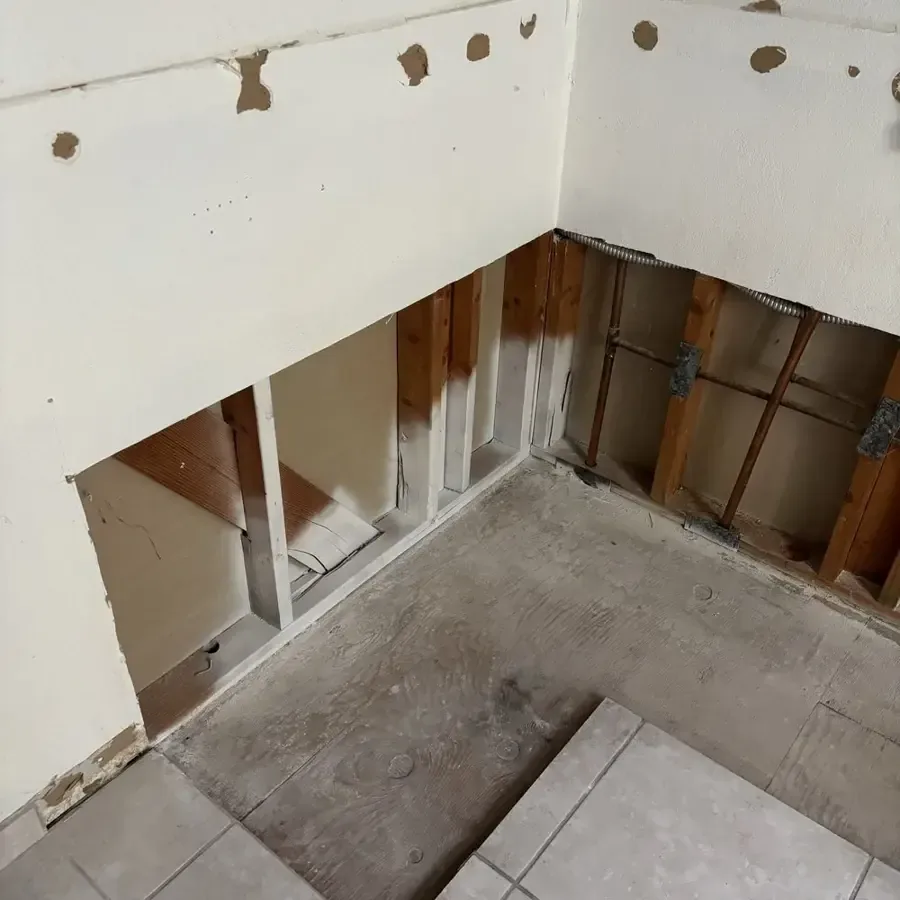
Reduce exposure while the damage is assessed
- 1
Keep the wet area separate
Children, pets and visitors should stay away from affected floors. Water near electrical equipment or a sagging ceiling makes the room unsuitable for ordinary household access.
- 2
Identify a safe shutoff
A reachable supply valve can limit an active plumbing leak. Anyone who would need to cross water or touch wet equipment should leave isolation to qualified help.
- 3
Record the first visible signs
Photographs from a dry location can show the original stain, standing water and damaged possessions. Note discovery time and any fixture that was running beforehand.
- 4
Explain the path of water
A useful service request identifies the starting room, affected floor levels and source status. Mention sewage, outside water or any blocked access before equipment arrives.
Cleanup matched to the water damage
Different water problems leave different cleanup work behind. Select the source, affected room or drying need below for practical details about containment, material assessment and the next stage of recovery.
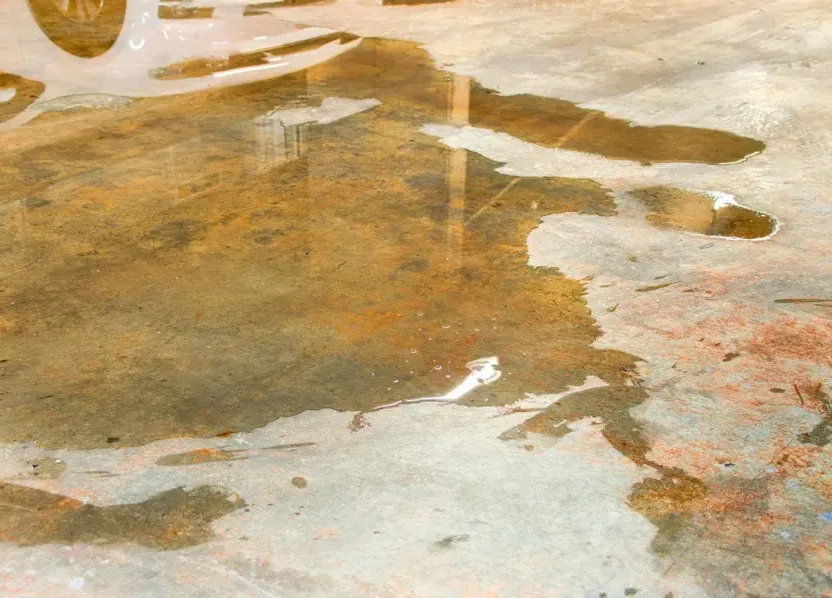 Slab Leak Water DamageDamp flooring over concrete needs source tracing and an assessment beneath the visible finish.Investigate moisture over concrete
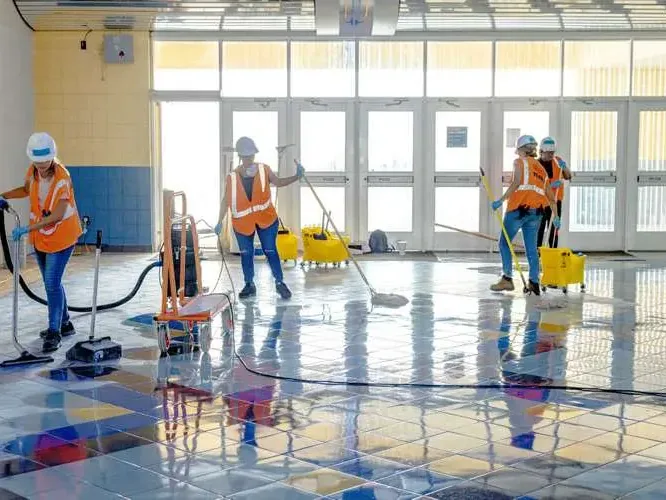
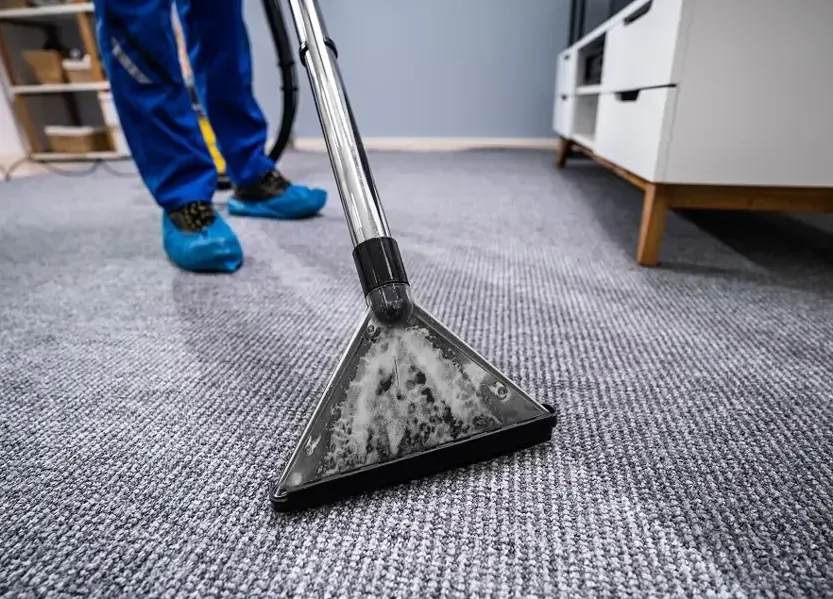 Water Extraction and RemovalStanding water removal opens access for checking soaked floor layers and adjoining room edges.Remove the pooled water
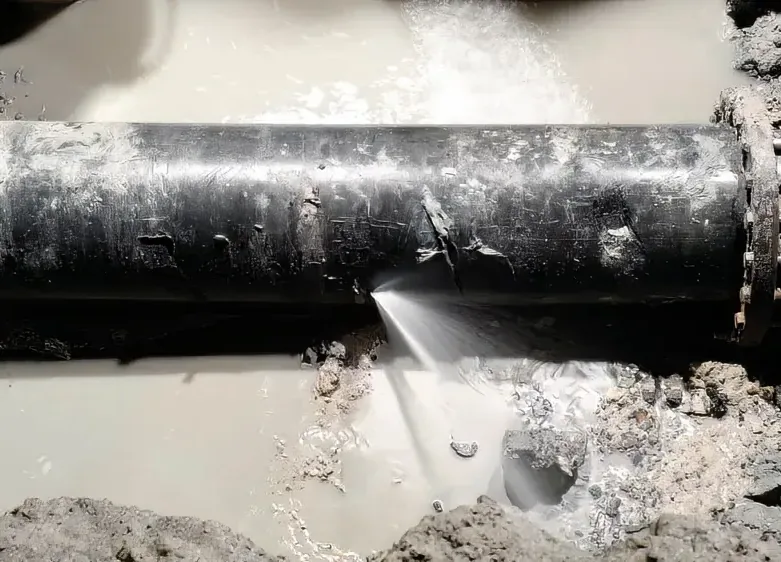 Pinhole Leak Water DamageA tiny pipe opening can leave a much larger wet area hidden behind the wall.Trace the hidden spray
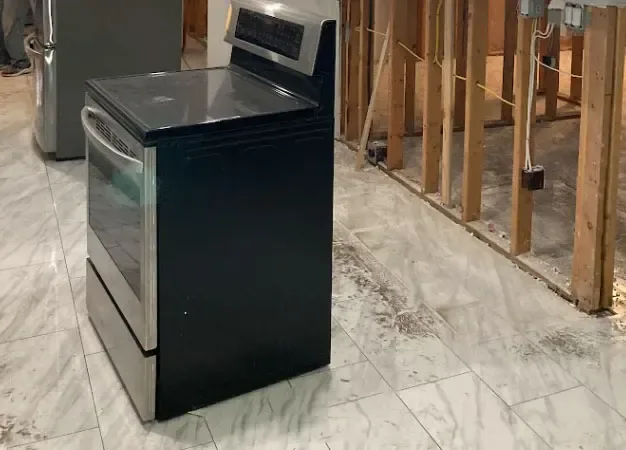 Burst Pipe Water DamageA sudden supply release requires shutoff coordination and tracking water beyond the first soaked room.Assess the sudden release
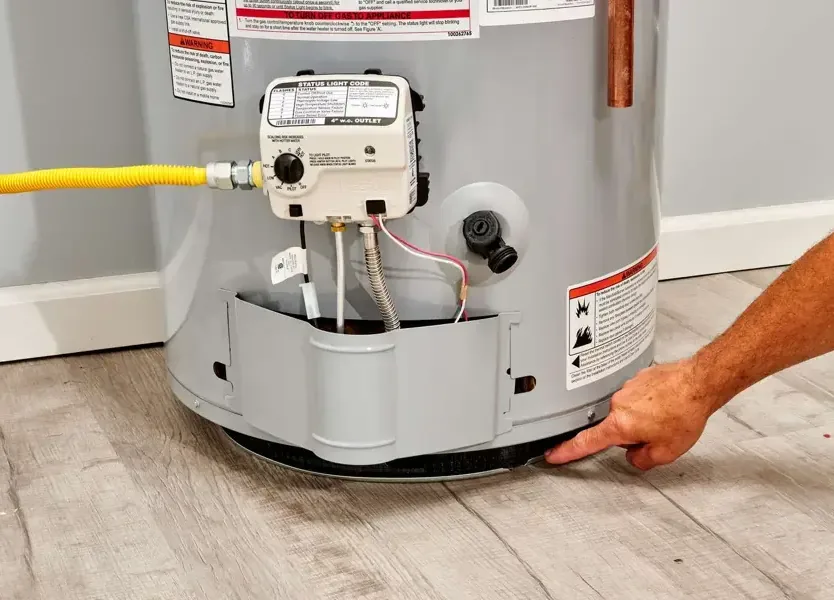 Water Heater Leak CleanupWater around the heater can travel beneath nearby partitions and reach stored household belongings.Check the heater surroundings
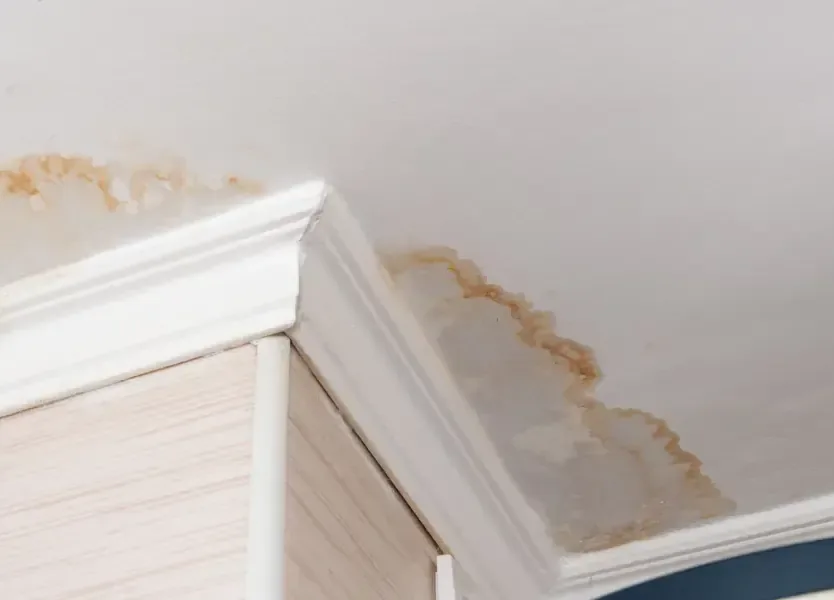 Ceiling Leak Water DamageOverhead stains need inspection above the finish before a drying plan addresses the affected room.Examine overhead wetting
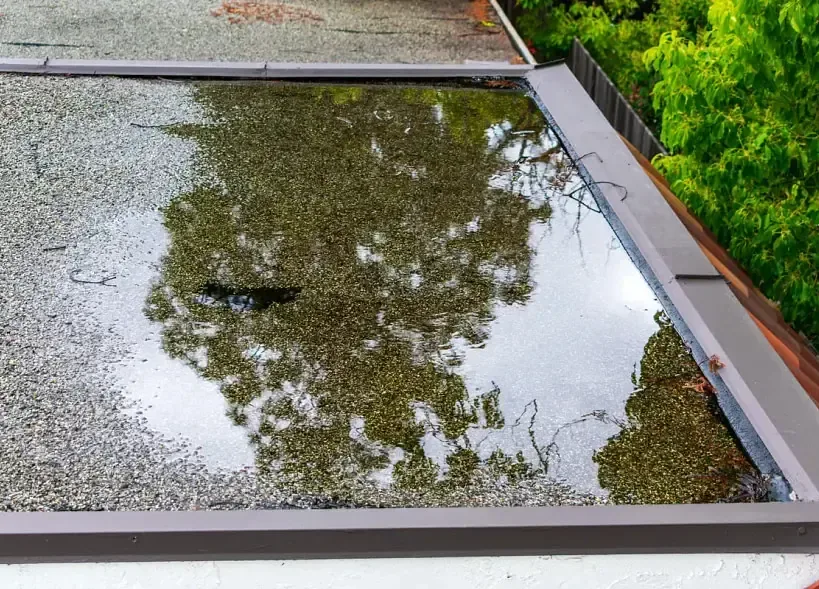 Roof Leak Water DamageRain entering overhead can wet insulation, ceiling materials and the upper sections of interior walls.Follow the rain entry
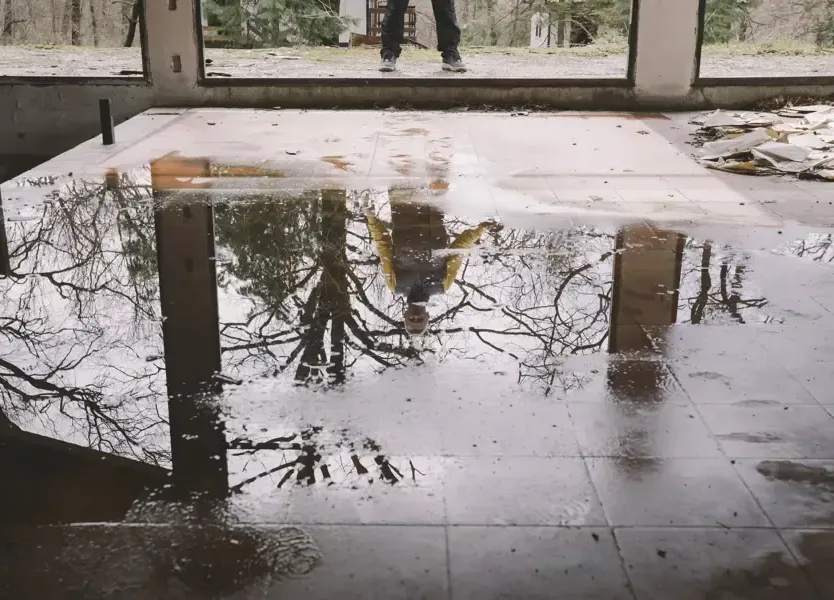 Storm Flood CleanupOutside water brings sediment and contamination concerns that change extraction, cleaning and disposal decisions.Plan sediment cleanup
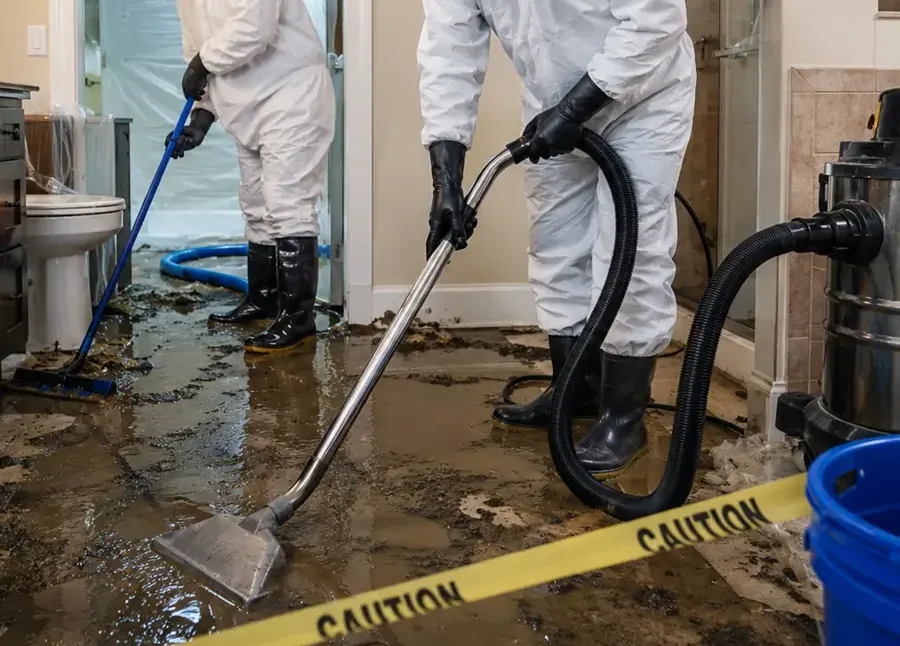 Sewage Backup CleanupWastewater requires controlled access, careful removal of affected materials and cleaning before structural drying.Control contaminated surfaces
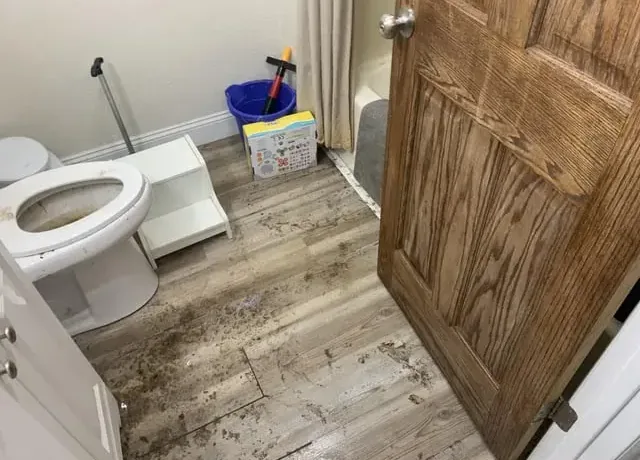 Toilet Overflow CleanupBathroom spills call for source identification and checks around the toilet base and doorway.Evaluate the bathroom spill
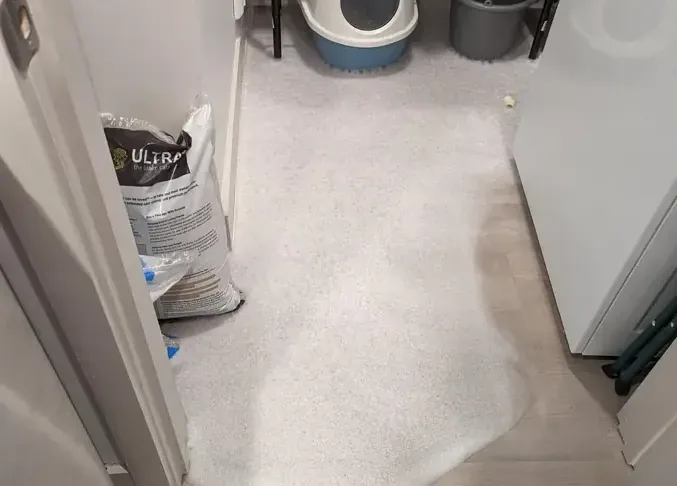 Appliance Leak Water DamageLaundry and kitchen leaks can disappear beneath cabinets even after the exposed floor looks dry.Look beneath appliance bays
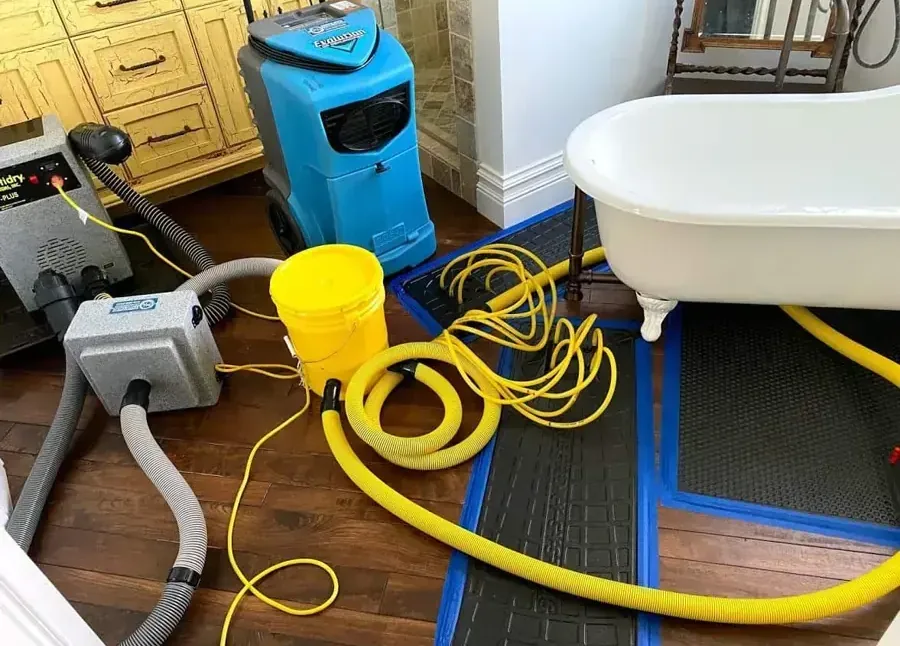 Shower Pan Leak Water DamageRepeated shower leakage may wet adjacent framing and the ceiling underneath an upstairs bathroom.Investigate the shower assembly
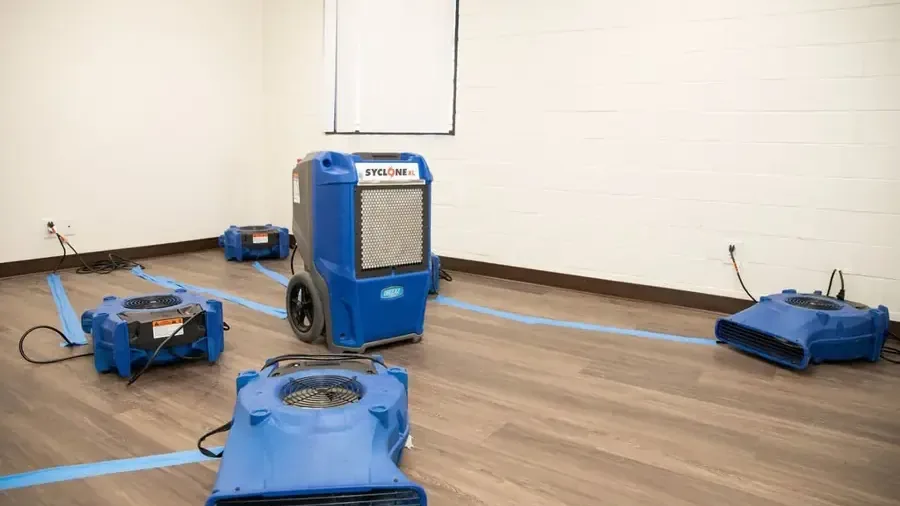
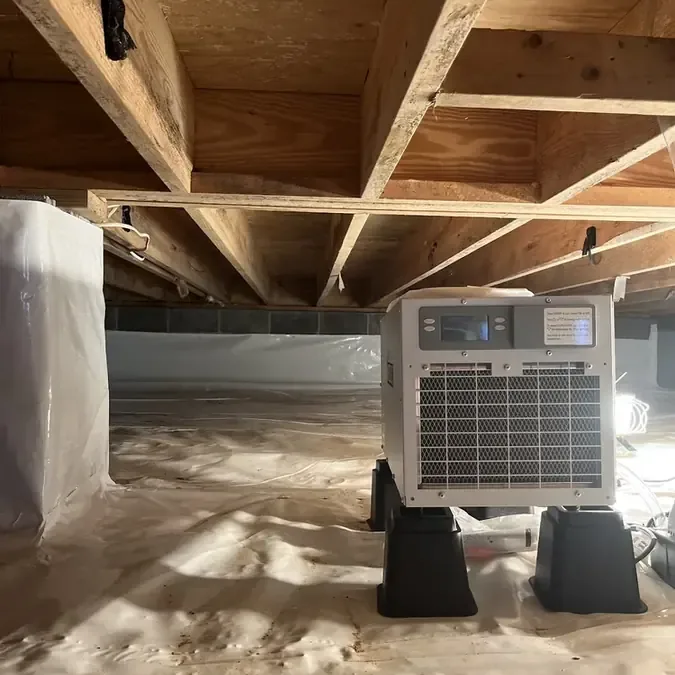
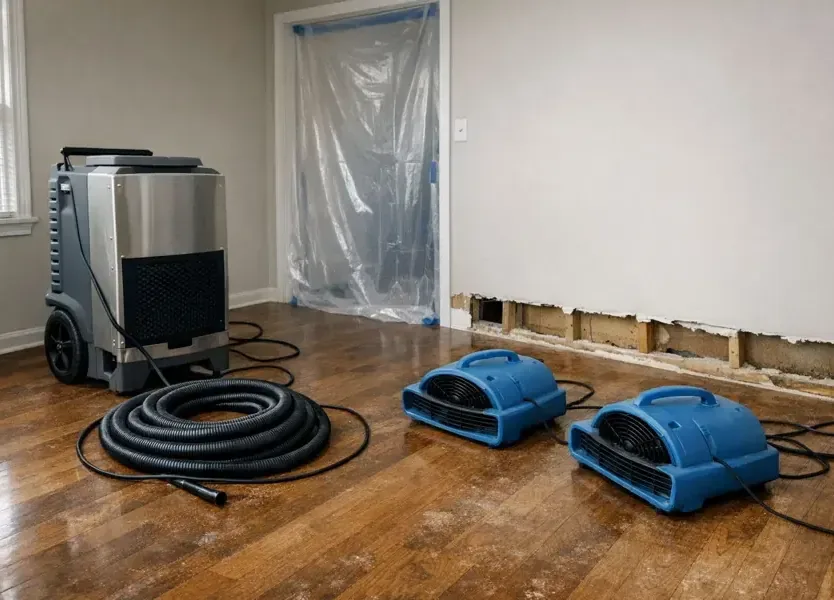 Structural Drying and DehumidificationMoisture readings help determine equipment placement and whether concealed building materials are drying successfully.Track moisture removal
 Frozen Pipe Water DamageA thawing supply pipe can release water into cavities before a puddle becomes visible.Find thaw related damage
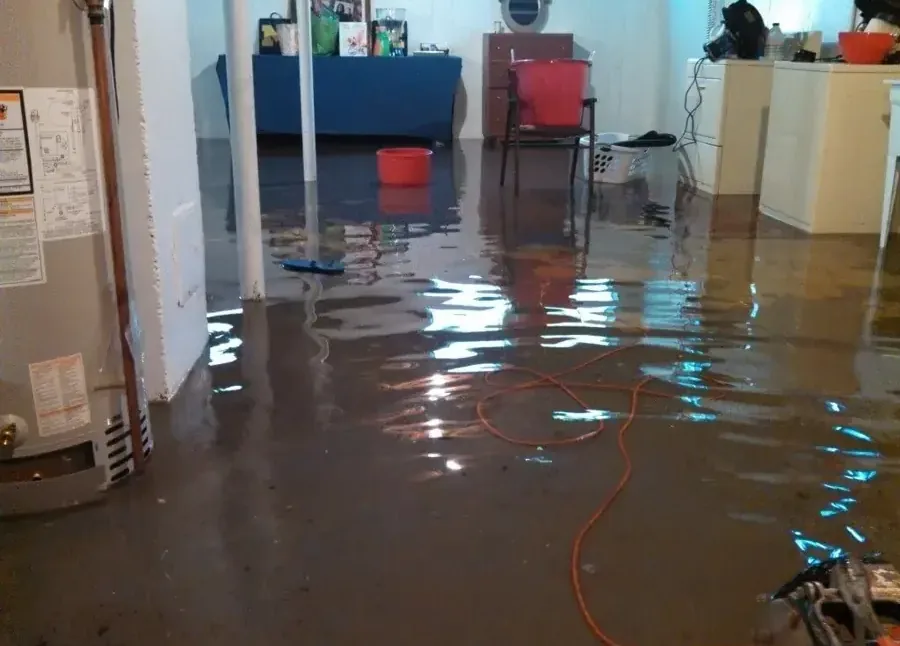 Basement Water RemovalLower rooms need safe entry, controlled water recovery and inspection of wall bases and flooring.Recover the lower room
What does Braintree water damage cleanup cost?
A preliminary budget depends on the source, affected area and access beneath finishes. Braintree cleanup estimates should explain extraction, cleaning, removal and drying separately so the scope can be compared with the actual rooms and materials involved.
These planning ranges are not a property quote. A written assessment should identify the wet materials, proposed work and reasons for any later scope change.
Limited room involvement
$1,000 to $2,500
Several connected areas
$2,500 to $7,500
Extensive building wetting
$7,500 to $15,000+
The source matters before equipment starts
Supply water release
An isolated plumbing leak may allow more materials to remain when they are intact and accessible. The assessment still needs to follow moisture beneath the visible surface.
Explore removal optionsAppliance discharge
Wash water and drain leakage require attention to residues and the surfaces they touched. Cabinet cavities may need opening before drying can reach all affected layers.
Inspect appliance surroundingsWastewater intrusion
Sewage changes handling and disposal decisions. Restrict access and arrange controlled removal, cleaning and drying of the affected building rather than circulating air through contaminated materials.
Explore sewage containmentDetails that make the work understandable
A useful restoration record explains the condition of the building at each stage. Photographs, moisture observations and written scope changes help an owner follow the job without relying on the appearance of the floor alone.
What belongs in the job record
Initial conditions
The first entry identifies where water was found, the reported source and any access concern. Photographs include adjoining dry areas when those provide a useful comparison for later work.
Recovery work
Extraction notes describe the rooms treated and the floor layers reached. The record separates exposed surface water from moisture that remains inside assemblies and still needs attention.
Removal decisions
Each discarded building material should have a reason attached, such as contamination, loss of integrity or blocked drying access. Images preserve its condition before removal changes the room.
Drying observations
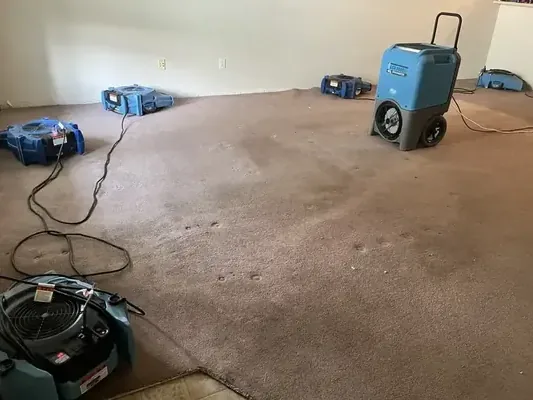
Equipment placement and repeat measurements show the course of drying. Persistent wet areas are identified by location so changes address the problem instead of extending an unexplained equipment rental.
Completion details
The closing record identifies retained materials, final observations and any separate work still required. An owner can then distinguish finished mitigation from later plumbing, roofing or finish replacement tasks.

A room assessment follows the water
Cleanup reaches beyond the most obvious puddle. Floor edges, wall cavities and attached cabinets can retain moisture after surface water disappears. The work plan identifies those areas, records their condition and explains which materials can remain during drying.
Water path
Inspection connects the visible leak with adjacent materials, including layers beneath flooring and the spaces where walls meet the subfloor.
Practical containment
Equipment and work areas are arranged to limit tracking, protect dry belongings and keep the household informed about restricted rooms.
Material decisions
Saturated finishes receive individual attention so removal decisions account for water quality, physical damage and access needed to reach concealed wetting.
Progress records
Repeat readings show how retained materials respond to drying and identify sections that need a different approach before equipment leaves.
Document damage before conditions change
Coverage questions belong with the policy provider. A clear record of discovery, source control, damaged belongings and mitigation work supports that conversation.
- 1Photograph the leak location from a safe dry position.
- 2Record when the damage was first discovered.
- 3Save invoices for source control and cleanup.
- 4List belongings affected in each separate room.
- 5Keep written explanations of changes to the work.
What assessment and cleanup can reveal
Describe the property and affected room
Places and roads around town
Town ZIP codes
Nearby service pages
A useful location description speeds coordination
Requests can identify a property near Thayer Public Library, Pond Meadow Park or another familiar location, followed by the room where the water first appeared.
The booking conversation should also cover building access, stairs, occupied rooms and the safest equipment route. The complete property details can be supplied privately during scheduling.
(888) 480-6221Describe the property accessBraintree, MA
[email protected]
Flooding and sewer notices deserve separate attention
Braintree has documented coastal storm flooding and public sewer overflow events. Those situations call for different cleanup decisions from an indoor supply leak, especially when outside water or wastewater reaches building materials.

A nor'easter flooded Smith Beach and Watson Park. Reporting also showed water on Edgehill Road near Vinedale Road, while police closed part of Howard Street during the storm.
A sanitary sewer manhole overflow on Jay Street affected the Monatiquot River. Municipal notification provided the event details and advice about avoiding affected waterbodies after the discharge stopped.
- Public system alerts The Braintree Water and Sewer Department offers water main break and sanitary sewer overflow alerts for residents monitoring public infrastructure problems.
- Stormwater handling The municipal stormwater program requires clean stormwater discharges. Extracted indoor wastewater needs an appropriate disposal route selected for its actual condition.
- Wet electrical equipment BELD is the municipal electric utility. Water around outlets or service equipment calls for qualified electrical assessment before entry or equipment use.
- Altered building finishes Interior alterations and roofing projects appear among permit requirements. The Building Division provides online permitting for owners arranging later building work.
- Concealed moisture A surface stain can be smaller than the wet material behind it. Measurements around adjacent cavities help establish the extent of damage.
Questions about recovering a wet property
Describe the damage in plain words
The first conversation can start with the affected room, visible water and whether the source continues.
(888) 480-6221Talk through the room conditions01What information helps at the first contact?
The room, visible water depth, likely source and whether water is still entering are useful starting points. Mention electrical concerns, ceiling movement or sewage before discussing access. Photographs can follow once someone can take them without entering a hazardous area.
02Does a dry floor mean cleanup is finished?
Surface appearance tells only part of the story. Water can remain beneath flooring, in wall insulation or behind cabinetry after exposed surfaces improve. Completion depends on the condition and moisture of retained building materials, supported by readings taken at appropriate locations.
03Can belongings stay in the affected room?
That depends on contamination, available dry space and the work needed around them. Movable items may be relocated or elevated when safe. Heavy furniture and wet electrical devices should stay undisturbed until the response team can assess handling and protect the access route.
04Who handles a leaking pipe itself?
Plumbing source control and water damage mitigation are separate tasks that need coordination. A plumber can address the failed pipe or fitting while restoration personnel assess the water path, recover standing water and plan the drying of affected finishes and structural materials.
05Where are public sewer updates available?
The Braintree Water and Sewer Department provides sanitary sewer overflow alerts. An owner dealing with an indoor backup should also describe the fixtures involved and stop using affected drains. A public notice and an individual property's plumbing assessment serve different practical purposes.
06Will every wet wall need to be opened?
No single removal rule suits every room. Water quality, insulation, finish condition and access determine whether an assembly can dry effectively. The scope should explain why a section can remain or why opening it is necessary to reach trapped moisture and damaged layers.
07How should a possible insurance claim begin?
The policy provider can explain reporting requirements and coverage. An owner can preserve photographs, discovery notes and mitigation invoices while that conversation takes place. A written room inventory helps keep building damage and affected household belongings clear as the record develops.
08What happens after a storm affects access?
Access should follow current restrictions and the condition of the building. The March 2018 storm included a Howard Street closure between Quincy Avenue and Shaw Street. A cleanup appointment needs a safe route for people and equipment before recovery can begin inside.
09Is repainting enough for a ceiling stain?
A stain can remain after drying, but repainting alone does not address the source or any retained moisture. The area above the ceiling should be assessed first. Finish work follows once the leak is controlled and the affected ceiling assembly is ready.
Give the wet area a clear recovery plan
Start with the source, affected rooms and access concerns. An organized assessment can turn visible water damage into a defined cleanup and drying scope.