Braintree Shower Pan Leak Water Damage
A shower leak can leave the bathroom surface looking ordinary while nearby trim or a lower ceiling becomes damp. Braintree assessment follows those repeated symptoms into the shower surroundings and defines the affected building materials.
(888) 480-6221Discuss moisture beside the shower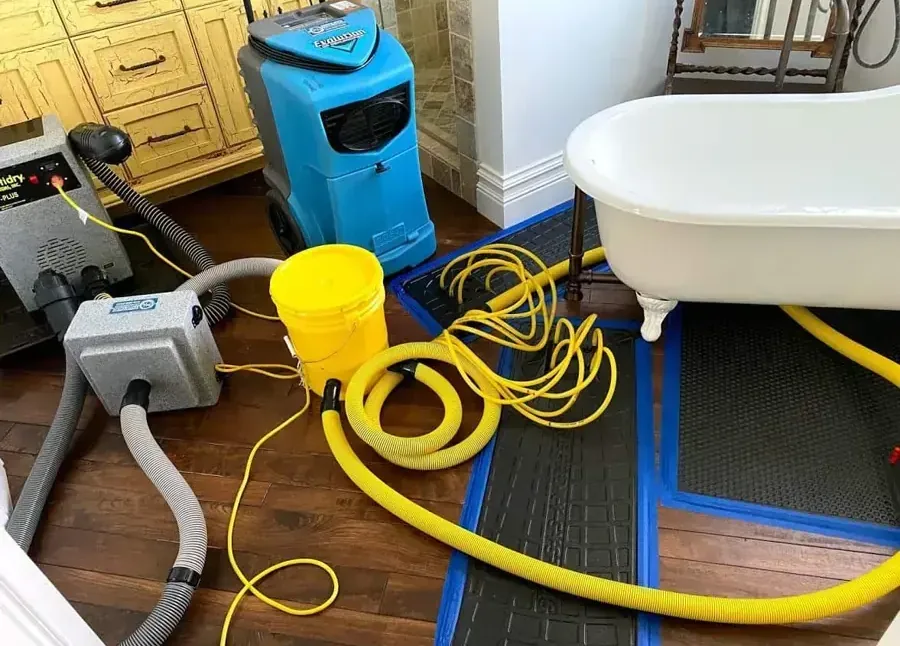
First steps for shower pan leak water damage in Braintree
- 1
Keep the affected shower unused
Repeated shower use can continue wetting concealed materials. Pause use and describe when symptoms return so source investigation can be organized without deliberately adding more water.
- 2
Map the visible recurring symptoms
List damp trim, stained lower ceilings and changes beside the enclosure. Include whether those areas improve between uses, since the sequence helps focus the assessment.
- 3
Leave tile and fixtures undisturbed
Access decisions should be coordinated with source diagnosis. Removing random finishes can complicate the inspection and may fail to expose the components that actually need drying.
- 4
Plan room separation for access
The assessment should identify a practical work boundary if opening becomes necessary. Move reachable dry belongings outside that boundary while leaving fixed bathroom components for coordinated handling.
How shower pan leak water damage work is done in Braintree
A stain that darkens after shower use gives the inspection a useful sequence to investigate. It does not show the entire wet assembly. Water can affect a curb, travel into the neighboring wall or appear in the room below before the bathroom itself looks damaged. Source diagnosis should establish the actual leak path, while restoration assessment records the condition of building materials exposed around that path.
What does shower pan leak water damage cost in Braintree, MA?
Shower pan leak mitigation costs in Braintree depend on concealed access, neighboring material damage and any lower ceiling involvement. Estimates should separate drying and selective removal from the work that corrects the shower assembly.
Localized adjacent wetting
$1,200 to $2,500
Wall and floor involvement
$2,500 to $5,500
Extended concealed damage
$5,500 to $9,000+
Ranges are typical, not a quote: category of water, square footage, material class and how fast drying started move the number most. Run the water damage cost calculator for a closer range.
The shower pan leak water damage process in four steps
The drying plan follows the materials, water category and access conditions recorded during inspection. Technicians compare repeat measurements with an unaffected reference and adjust equipment when moisture stops falling.
Step 1 Connect symptoms with shower activity
Inspection records recurring marks and moisture around the bathroom, then coordinates those findings with the person investigating the shower's leak source.
Step 2 Define access to affected layers
The proposed opening plan explains which finishes or cavities need attention and how that access supports both damage assessment and treatment of retained components.
Step 3 Treat wet surrounding building materials
Selective removal and controlled drying address the framing, floor layers or lower ceiling involved, with each component evaluated according to its condition and accessibility.
Step 4 Provide a clear closure record
The final material observations and source status are documented so later bathroom work can proceed with an understandable account of what was treated and what remains.
Use the symptom history to focus inspection
At an interior near Sunset Lake, the first visible symptom may be damp trim outside the shower enclosure. A property near Pond Meadow Park may instead show a mark below an upper bathroom. In South Braintree, the individual room layout still governs access. The inspection connects reported shower use with visible changes and measurements, then identifies where concealed layers need closer attention.
- Note whether dampness returns after each shower use.
- Describe stains in the room below the bathroom.
- Check nearby cabinet bases from accessible dry surfaces.
- Avoid repeated water testing before source assessment is arranged.
Make access serve both diagnosis and drying
A tile surface may hide several layers that require separate evaluation. Opening the assembly should have a defined purpose: reaching the failed area, removing damaged material or exposing wet components for effective drying. The owner should understand how source work and mitigation access relate before sections of the bathroom or lower ceiling are removed.
Braintree requires permits for interior alterations and offers online permitting through the Building Division. If the planned followup work alters the bathroom assembly, that project can be discussed with the department while the cleanup record documents the existing water damage.
Keep moisture checks tied to retained materials
After the shower source receives attention, retained framing and subflooring may still need controlled drying. Ceiling damage assessment can be included when symptoms appear downstairs. The scope should name the affected components and identify monitoring points so a fading stain does not become the only sign used to judge progress.
- Explain damaged layer removal before work expands.
- Preserve safe separation from the opened bathroom area.
- Check connected wall and floor edges during drying.
- Record the material condition before surfaces are concealed again.
The final handoff should connect source findings, mitigation work and remaining finish tasks. That gives the owner a clear basis for the next bathroom trade rather than leaving hidden wetting behind newly completed surfaces.
Shower pan leak water damage across Braintree and nearby towns
Shower leak assessment begins with the symptom history and the bathroom's position in the building. Describe adjacent damp finishes, lower ceiling marks and available room access when coordinating the inspection and any separate source service.
The same service nearby: shower pan leak water damage in Stoughton, Brockton, Westwood.
Related water damage services in Braintree
Shower Pan Leak Water Damage questions in Braintree, MA
Still dealing with it?
Recurring damp trim or a ceiling mark after shower use can start a focused conversation about concealed moisture and source access.
(888) 480-6221Explain the recurring shower symptoms01Does a stain after shower use identify a failed pan?
It identifies a useful timing pattern, but the leak source still needs diagnosis. The assessment should connect that investigation with moisture in adjacent walls, floors or the ceiling below.
02Can a shower leak affect another room?
Water can move through concealed building layers and appear beyond the enclosure. Nearby trim, shared walls and a lower ceiling may need inspection alongside the visible bathroom symptoms.
03Should the shower be tested repeatedly by the owner?
Leave water testing to source assessment. Repeated use can extend wetting while the concealed path remains unresolved and make an already affected assembly harder to recover.
04Will tile removal be necessary for drying?
Access depends on the wet layers and their condition. The scope should explain why any opening is needed and how it allows damaged materials or retained components to be addressed.
05How do permit questions fit the followup work?
Braintree lists interior alterations among permit requirements. Planned changes to the bathroom assembly can be discussed with the Building Division as separate work beyond the damage assessment.
06What should happen before the wall is closed?
The source status and retained material condition should be documented. Closing work needs a clear account of drying observations and any remaining preparation within the affected assembly.
Bring hidden shower damage into a clear work scope
Assessment connects the leak investigation with affected building layers, making selective access and drying understandable before the bathroom or lower ceiling is closed again.