Structural Drying and Dehumidification in Stoughton, MA
A room can feel dry while its floor layers and wall cavities still hold water. The drying team measures those materials, controls evaporation and records progress against an appropriate dry reference.
(888) 480-6221Assess the remaining structural moisture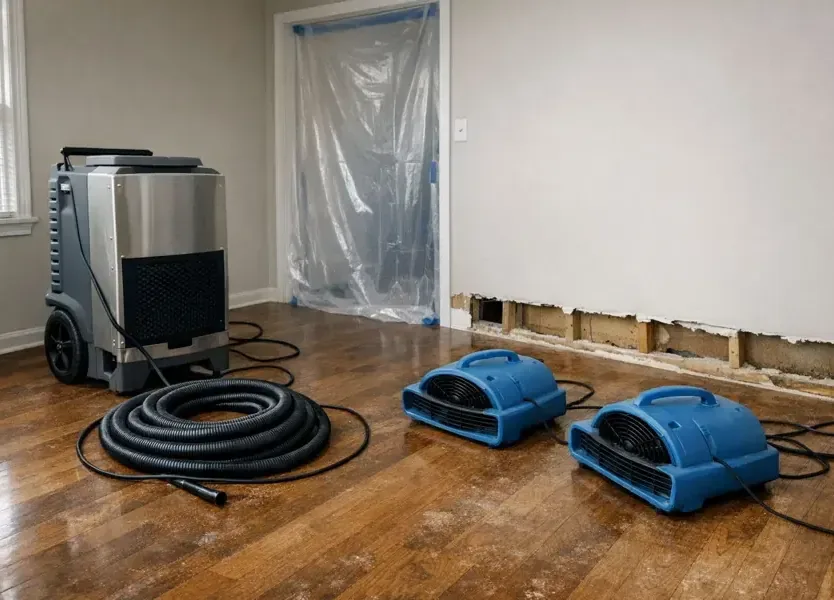
First steps for structural drying and dehumidification in Stoughton
- 1
Keep equipment conditions stable
Avoid changing machine settings or repeatedly opening the drying area without discussing it with the team. Unrecorded changes make progress harder to interpret.
- 2
Report continuing water
Tell the drying team if fresh dampness, dripping or renewed staining appears. Equipment cannot compensate for an uncontrolled source that keeps rewetting the structure.
- 3
Protect measurement locations
Leave marked reading points accessible and avoid covering wet floor edges with stored items. Consistent access allows meaningful comparisons from one visit to the next.
- 4
Discuss access restrictions
Mention rooms that must remain occupied, sensitive contents and electrical limits. The plan needs to account for safe use of the property during drying.
How structural drying and dehumidification work is done in Stoughton
Structural drying addresses absorbed moisture after source control and water recovery. The initial map identifies wet materials, their access conditions and a suitable unaffected comparison. Technicians then size and place equipment for the evaporation load. The purpose is a documented material endpoint, not simply a warmer room, lower humidity number or set number of equipment days.
What does structural drying and dehumidification cost in Stoughton, MA?
Structural drying commonly ranges from $1,000 to $5,000 after extraction, with dense or extensive assemblies costing more. Equipment quantity, monitoring, access and the material response determine the scope rather than a fixed calendar package.
Small drying chamber
$1,000 to $2,000
Multiple material types
$2,000 to $5,000
Dense or extensive assembly
$5,000 to $9,000+
Ranges are typical, not a quote: category of water, square footage, material class and how fast drying started move the number most. Run the Stoughton water damage cost calculator for a closer range.
The structural drying and dehumidification process in four steps
The drying plan follows the materials, water category and access conditions recorded during inspection. Technicians compare repeat measurements with an unaffected reference and adjust equipment when moisture stops falling.
Step 1 Establish the baseline
The technician maps wet materials and selects appropriate dry references before equipment placement, preserving the starting point for every later progress comparison.
Step 2 Set the drying environment
Airflow and dehumidification match the accessible evaporation load, with equipment positioned to reach wet surfaces while maintaining safe routes through the property.
Step 3 Review the trend
Daily readings show whether materials are improving and whether source control, access or equipment placement needs another adjustment to reach concealed moisture.
Step 4 Document the endpoint
The final comparison explains which materials achieved the drying goal and records any separate condition that still requires attention before finishes close the assembly.
Different layers need different measurements
Wood, wallboard and dense flooring release moisture at different rates. A finish may limit evaporation from the layer beneath it, and a cabinet can block airflow around a wet wall base. Technicians select instruments and access points for the assembly, then repeat readings consistently. A thermal image identifies a pattern that needs investigation; it does not independently measure every hidden layer.
- Record initial readings before the equipment changes room conditions.
- Choose a dry reference that meaningfully compares with the wet material.
- Check floor transitions and concealed cavity edges.
- Investigate readings that plateau instead of assuming more days will solve them.
A drying plan for the building actually inspected
Structures near Halloran Park, Stoughton Public Library and School Street may contain different materials and alterations. At each affected property, the assessor identifies foundation surfaces, wall layers and accessible cavities, then records which materials retain moisture. The assessment records the actual construction and avoids applying one drying setup to every property.
The Department of Energy provides information about household moisture and building performance. EPA water information supplies wider water-quality context. The IICRC S500 framework informs the drying process, while the field record explains the choices at this loss.
What an equipment change should accomplish
Air movers promote evaporation at wet surfaces. Dehumidifiers remove moisture released into the air so it does not simply circulate within the room. Dense or restricted assemblies may need specialty methods and more access. Technicians adjust the plan when readings show that the current setup is not reaching the wet layer effectively.
- Keep daily material readings with humidity and temperature observations.
- Document any change in equipment position, quantity or operating conditions.
- Record why material removal or another source check became necessary.
- Retain the final comparison that supports equipment removal.
The resulting drying record helps explain equipment time and the condition of retained construction. It also separates drying completion from later decisions about replacement finishes.
Structural drying and dehumidification across Stoughton and nearby communities
The restoration team serves ZIP 02072, including Pleasant Street, Lincoln Street, Union Street and the surrounding town. Crews assess the actual water source and wet materials at each property before choosing extraction and drying equipment.
Nearby coverage reaches Brockton, Easton, Braintree, Mansfield, Westwood.
Related water damage services in Stoughton
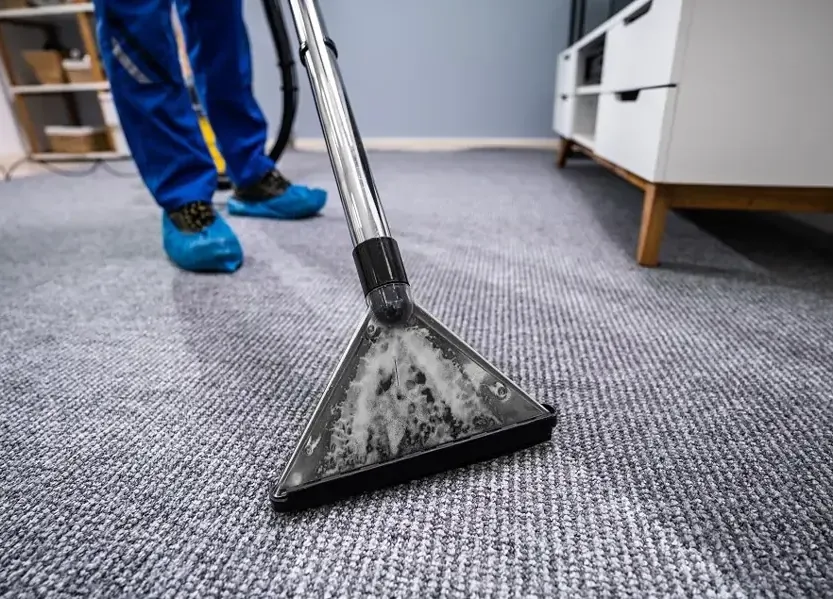
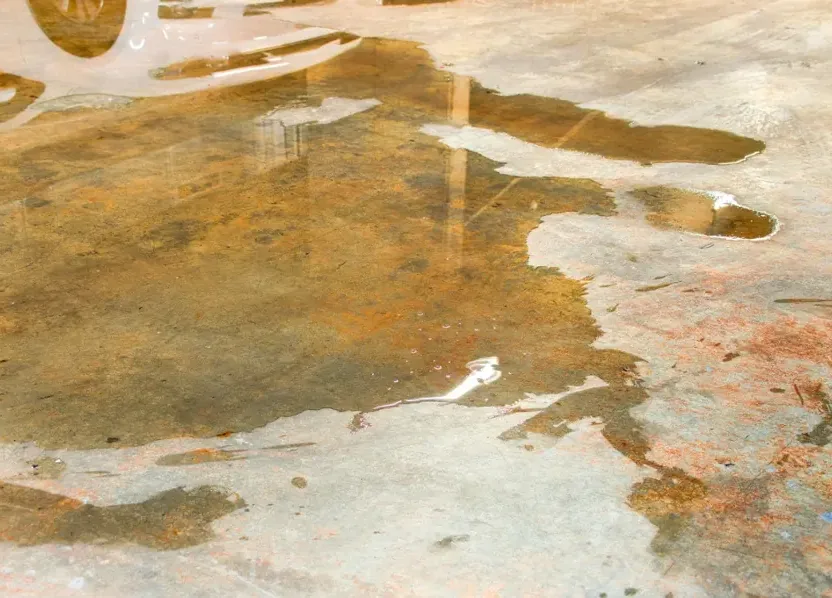
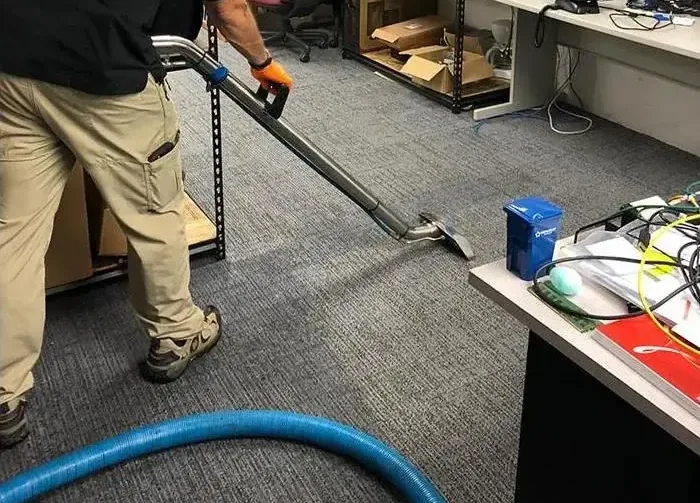
Structural Drying and Dehumidification questions in Stoughton, MA
Still dealing with it?
Dry-looking surfaces may still cover wet layers. Describe the material, source status and any existing equipment before the assessment.
(888) 480-6221Discuss the drying measurements01Does low room humidity mean the walls are dry?
No. Air conditions and material moisture answer different questions. A dehumidifier can lower humidity while water remains within a wall or beneath a finish.
02Why use an unaffected reference?
A suitable reference helps establish a meaningful drying goal for the material and building conditions. A generic number alone may not describe the assembly being assessed.
03Can equipment leave after three days?
A time estimate is only a planning aid. The drying team uses repeat material measurements to decide whether the structure has reached its documented endpoint.
04What happens if readings stop improving?
The crew checks source control, evaporation access and equipment performance. A stalled area may need a different setup or selective access rather than more time with the same arrangement.
05Are daily records useful for insurance?
They explain the starting condition, progress and reasons for equipment use. The insurer still evaluates coverage and payment under the policy independently of the drying record.
06Can remaining moisture receive an after-hours assessment?
The response team provides 24/7 dispatch for water damage. Describe whether the source is controlled, what remains wet and any equipment or access concern.
Finish drying with evidence from the materials
The drying team follows repeat readings through the affected assembly and records the comparison that supports ending equipment use.