Sewage Backup Cleanup in Stoughton, MA
Sewage is Category 3 water from the start. The cleanup team separates the affected space, removes contaminated porous materials and cleans retained surfaces before drying, while a plumbing professional addresses the backup source.
(888) 480-6221Contain contaminated drain water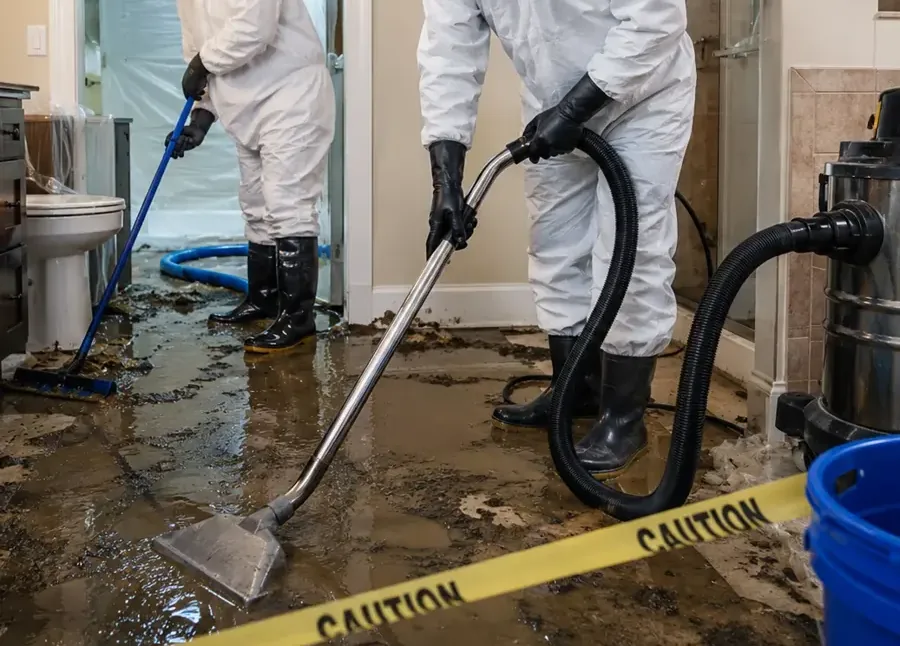
First steps for sewage backup cleanup in Stoughton
- 1
Stop fixture use
Avoid flushing toilets or running connected fixtures while the backup remains unresolved. Further discharge can enlarge the contaminated area even after the visible overflow stops.
- 2
Separate the affected room
Keep people and animals out and avoid carrying footwear through the sewage. Do not place household fans where they can disturb contaminated water or residue.
- 3
Avoid drain chemicals
Do not mix cleaners or pour chemicals into a backed-up fixture. The plumbing assessment needs a clear account of anything already added to the system.
- 4
Report the exposure
Describe which drains overflowed, where water traveled and whether anyone entered the area. Safe access and contamination determine the first cleanup steps.
How sewage backup cleanup work is done in Stoughton
A sewage backup requires more than water recovery and air movers. The contaminated area needs separation from occupied rooms, and the drain problem needs source control before fixtures return to use. The cleanup crew evaluates how far the water reached beneath finishes and into wall bases. The water category, material absorption and extent of contact guide the decision to remove or retain each affected layer.
What does sewage backup cleanup cost in Stoughton, MA?
Sewage backup cleanup typically costs $2,000 to $8,000, with extensive contaminated material loss costing more. Containment, disposal, wall access and cleaning add work beyond extraction, while drain source work remains a separate scope.
Contained drain overflow
$2,000 to $3,500
Several affected surfaces
$3,500 to $8,000
Broad contaminated loss
$8,000 to $15,000+
Ranges are typical, not a quote: category of water, square footage, material class and how fast drying started move the number most. Run the Stoughton water damage cost calculator for a closer range.
The sewage backup cleanup process in four steps
The drying plan follows the materials, water category and access conditions recorded during inspection. Technicians compare repeat measurements with an unaffected reference and adjust equipment when moisture stops falling.
Step 1 Define the contaminated boundary
The assessor traces sewage contact and possible wicking, then plans protective equipment, containment and a route that separates cleanup from occupied space.
Step 2 Recover and remove
The crew collects sewage and removes unsuitable porous materials beyond the visible water mark where necessary, documenting the original condition and disposal scope.
Step 3 Clean retained construction
Accessible surfaces receive appropriate cleaning and any specified antimicrobial treatment at its labeled dwell time before the drying phase begins.
Step 4 Measure remaining moisture
Drying technicians monitor the retained structure and record the material endpoint, while the source professional verifies the drain problem before normal fixture use resumes.
Protective measures and material decisions
Technicians select protective equipment for the exposure, including gloves, protective clothing, eye protection and appropriate respiratory protection where the assessment requires it. Controlled entry and disposal routes limit tracking. Porous materials touched by sewage require removal, including affected layers above the visible water mark where wicking has carried contamination.
- Keep occupants, pets and clean belongings outside the work area.
- Remove contaminated carpet, pad and other unsuitable absorbent finishes.
- Inspect wall bases and concealed voids beyond the obvious puddle.
- Bag and move removed material through a controlled route.
Drain assessment and responsibility for source work
A backup on Plain Street, School Street or Grove Street still needs examination of the actual drain and fixtures. The source assessment identifies the affected drain section, while the owner confirms responsibility for work on that section. A plumbing professional identifies the obstruction or failure, and the owner confirms public-system questions with the relevant department rather than assuming responsibility from the cleanup location.
OSHA provides workplace safety information, while EPA water information addresses water quality and contamination. Cleanup decisions follow the exposure at the building, not a claim that every local sewer has the same material or failure pattern.
Cleaning precedes structural drying
The crew removes gross contamination and cleans accessible retained surfaces. Where the scope calls for an EPA-registered antimicrobial, technicians follow its label, including dilution, application conditions and dwell time. A product cannot make contaminated absorbent material suitable simply by coating its surface. Drying begins on retained construction after appropriate cleanup.
- Record the original sewage boundary and affected contents.
- Document porous-material removal and cleaning procedures.
- Track equipment settings and repeat moisture readings.
- Keep the backup-source findings with the insurance record.
Sewer-backup coverage may depend on policy provisions or endorsements. The property owner should check those terms directly while retaining the documented cleanup scope.
Sewage backup cleanup across Stoughton and nearby communities
The restoration team serves ZIP 02072, including Pleasant Street, Lincoln Street, Union Street and the surrounding town. Crews assess the actual water source and wet materials at each property before choosing extraction and drying equipment.
Nearby coverage reaches Brockton, Easton, Braintree, Mansfield, Westwood.
Related water damage services in Stoughton
Sewage Backup Cleanup questions in Stoughton, MA
Still dealing with it?
A drain backup needs containment and source control before normal use resumes. Describe every fixture and room affected.
(888) 480-6221Discuss the sewage boundary01Is sewage always Category 3?
Sewage starts as Category 3 water because of its contamination. A small amount or a diluted appearance does not turn it into a clean-water loss.
02Can bleach save contaminated carpet?
A surface chemical treatment does not make sewage-soaked carpet and pad appropriate for ordinary drying. The crew should explain removal and controlled disposal of affected absorbent materials.
03Why remove material above the water mark?
Porous layers can wick contaminated water above the visible level. The assessment follows actual contact and absorption rather than cutting only at the obvious puddle boundary.
04Should household fans run in the room?
Occupants should leave equipment decisions to the cleanup assessment. Air movement before containment and cleaning can disturb contaminated residue and spread exposure into other spaces.
05Who pays for a sewer backup?
Coverage depends on the policy, endorsements and cause. The insurer decides payment; the cleanup record documents exposure, removal, cleaning and drying without promising coverage.
06Can a backup be assessed after business hours?
The response team provides 24/7 sewage-loss dispatch. Stop fixture use and describe continuing overflow, affected rooms and access hazards before anyone enters the contaminated area.
Remove contamination before drying the retained structure
The cleanup scope follows sewage contact through visible and concealed materials, with cleaning records and measured drying for the construction that remains.