Pinhole Leak Water Damage in Stoughton, MA
A small supply leak can keep wetting a closed cavity between uses of a room. Restoration technicians trace the damage, document affected materials and establish drying access after plumbing source control.
(888) 480-6221Assess the concealed leak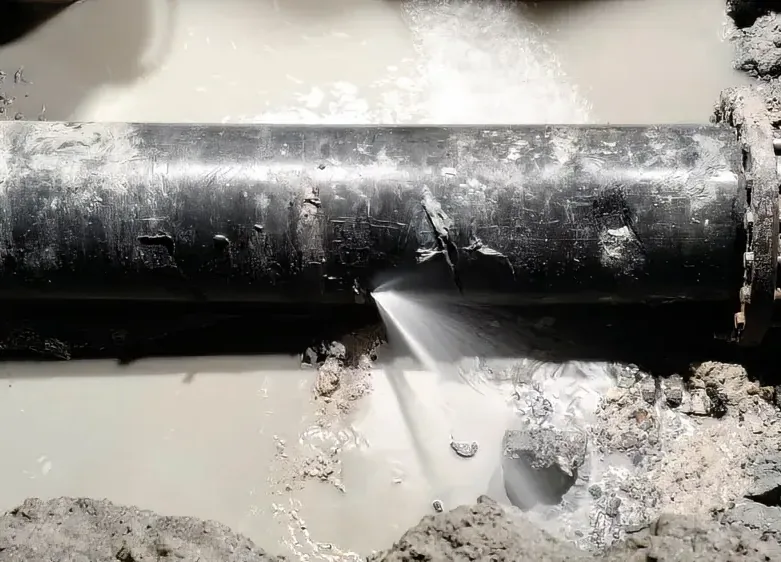
First steps for pinhole leak water damage in Stoughton
- 1
Pause the water safely
A safely accessible supply shutoff can stop further wetting. Occupants should avoid opening a suspect wall or reaching past wet electrical fixtures to find the source.
- 2
Mark the visible symptoms
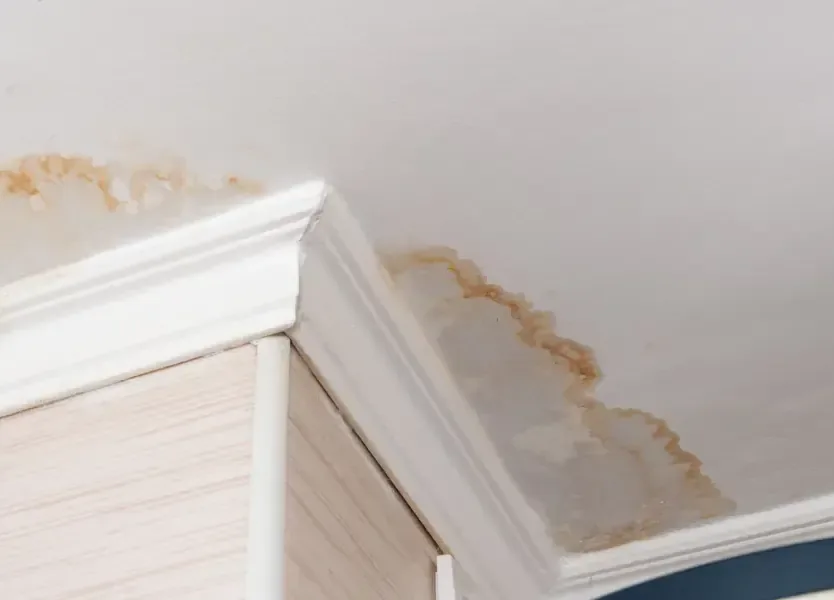
Note staining, softened paint and damp trim without pressing on weakened material. Photographs help preserve the original condition for the plumber and restoration assessor.
- 3
Check adjoining rooms visually
Look from safe, dry areas for related stains on the opposite wall or floor below. Do not assume that a single visible mark defines the entire loss.
- 4
Explain the discovery history
Describe when the stain appeared and whether the water supply remains on. Those observations help the team plan access and moisture checks without inventing a leak duration.
How pinhole leak water damage work is done in Stoughton
A fine spray inside a wall may leave only a stain at first. The important question is how much of the assembly has absorbed water, including insulation, framing and the back of the finish. A plumber determines the failed supply component. The restoration assessment follows the resulting moisture and records material condition before any opening alters the evidence.
What does pinhole leak water damage cost in Stoughton, MA?
Pinhole leak damage cleanup commonly falls between $1,000 and $5,000. Several wet cavities, deteriorated finishes or restricted cabinet access can push the scope higher; source repair and final replacement work require separate pricing.
One accessible cavity
$1,000 to $2,000
Wall and floor spread
$2,000 to $5,000
Multiple concealed areas
$5,000 to $8,500+
Ranges are typical, not a quote: category of water, square footage, material class and how fast drying started move the number most. Run the Stoughton water damage cost calculator for a closer range.
The pinhole leak water damage process in four steps
The drying plan follows the materials, water category and access conditions recorded during inspection. Technicians compare repeat measurements with an unaffected reference and adjust equipment when moisture stops falling.
Step 1 Locate the damage boundary
The assessor maps the stain, the opposite wall face and nearby floor materials, then distinguishes the visible mark from the larger moisture pattern.
Step 2 Coordinate source control
A plumber evaluates the failed supply component while the restoration crew records resulting damage and plans the least disruptive effective drying access.
Step 3 Expose and dry affected layers
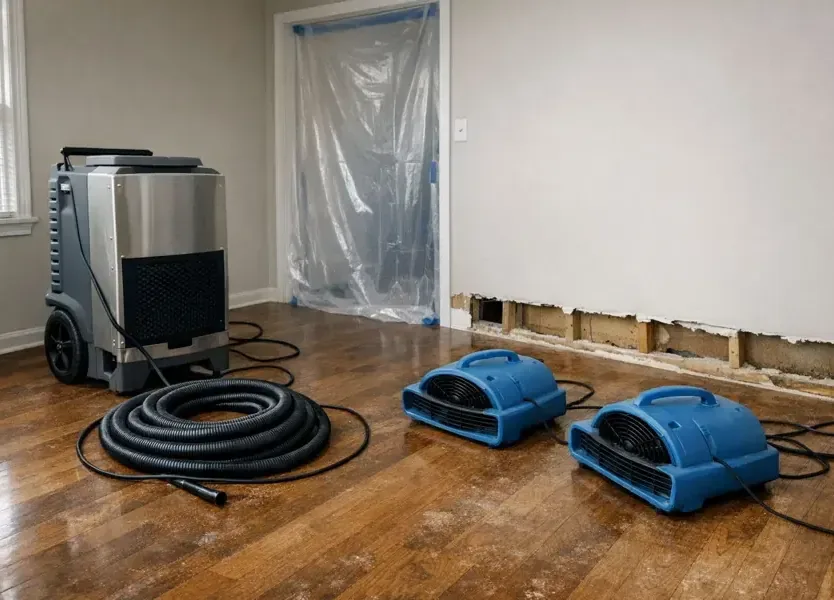
Technicians remove unsuitable wet material where necessary and direct controlled airflow through the accessible assembly while dehumidifiers manage the released moisture.
Step 4 Confirm cavity progress
Repeat readings document how hidden materials respond, with additional investigation when moisture plateaus instead of reaching the established dry reference.
Why a small supply opening can affect a large cavity
Water follows pipes, framing edges and fasteners before it reaches a visible surface. The stain may sit below the source or at the edge of the room. Technicians compare moisture readings around that mark, then check the opposite wall face and the floor below. A thermal image helps focus an inspection but needs confirmation with material measurements.
- Inspect both sides of an affected partition when access permits.
- Check cabinet backs and nearby trim where slow moisture can collect.
- Separate stained but sound materials from softened or deteriorated finishes.
- Document the wet cavity before selective removal creates a drying opening.
Assessing an individual pipe rather than a town-wide pattern
The Water Department serves the town with supply supplemented by an MWRA connection. For a pinhole release on School Street, Plain Street or Prospect Street, source work begins with the actual pipe and fitting. The plumbing professional identifies the opening and the affected pipe material. The restoration crew maps the moisture beyond that point, including wet wall cavities and nearby floor edges.
The EPA WaterSense program offers information on leak awareness. The Ready.gov preparation material supports planning for a household water emergency. Neither replaces examination of the failed component or the wet construction surrounding it.
Opening enough space for a documented dry-out
Closing a wall immediately after a pipe fix can leave absorbed water inside. The drying crew determines whether existing openings provide adequate evaporation or whether affected material requires removal. Air movement and dehumidification support drying, while repeated readings show whether hidden moisture is falling. Technicians recheck the source if a cavity stays wet despite an appropriate drying setup.
- Retain the initial source observations and photographs of the damaged area.
- Record material readings before and after equipment adjustments.
- Keep plumbing charges distinct from the mitigation scope.
- Ask the insurer how the policy treats gradual leakage and resulting damage.
A small opening in a pipe does not mean a small drying project. Access restrictions and the period before discovery often matter more than the apparent size of the leak.
Pinhole leak water damage across Stoughton and nearby communities
The restoration team serves ZIP 02072, including Pleasant Street, Lincoln Street, Union Street and the surrounding town. Crews assess the actual water source and wet materials at each property before choosing extraction and drying equipment.
Nearby coverage reaches Brockton, Easton, Braintree, Mansfield, Westwood.
Related water damage services in Stoughton
Pinhole Leak Water Damage questions in Stoughton, MA
Still dealing with it?
A stain can be the last visible part of a hidden water path. Describe the wall, room and first signs of wetting.
(888) 480-6221Discuss hidden wall moisture01Does a pinhole leak always involve copper?
The page addresses water damage associated with a small supply opening, but an inspection must identify the actual failed material. The restoration crew should not infer pipe composition from a stain alone.
02Can a small stain hide wet insulation?
Yes. Water can spread inside a closed cavity before reaching the finished face. Material readings and careful access help determine whether insulation and adjacent framing are affected.
03Should the wall close as soon as the pipe is fixed?
The wet assembly still needs a drying assessment. Source control stops new water, while measured drying addresses moisture already absorbed into materials behind the finish.
04Does a higher bill prove this type of leak?
A change in use or a meter issue can also affect the bill. A plumber checks the supply and fixtures; the damage assessment measures actual wet materials rather than relying on billing alone.
05What insurance issue matters with slow leaks?
Policies may treat gradual leakage differently from sudden damage. The owner provides accurate discovery details and asks the insurer about the applicable policy terms. Moisture records and the drying scope document the work for that review.
06Can concealed moisture be assessed after hours?
The response team provides 24/7 dispatch for active water damage. Describe continuing leakage, affected rooms and access hazards so the team can assess the urgency and next steps.
A tiny leak still needs a complete moisture map
The drying team checks the affected cavity and adjoining finishes, then records drying progress after the source is controlled.