Slab Leak Water Damage in Stoughton, MA
A wet floor over concrete needs more than a surface cleanup. The restoration crew maps moisture beneath finishes, extracts accessible water and dries affected materials after the leaking supply has been isolated.
(888) 480-6221Check the wet concrete floor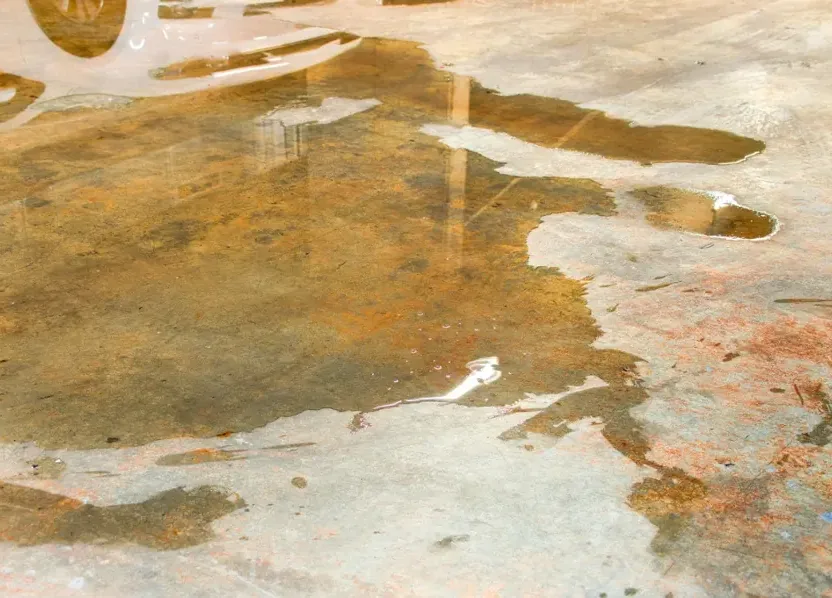
First steps for slab leak water damage in Stoughton
- 1
Avoid the wet circuit
Occupants keep clear of outlets and equipment near the wet floor. No one should move a plugged-in appliance through water or enter a room with an electrical concern.
- 2
Isolate an accessible valve
The main supply can be closed from a dry, safe position. A plumber checks the suspected buried leak before any attempt to reopen the water supply.
- 3
Preserve floor evidence
Photographs should show lifting edges, damp cabinet bases and the water boundary. Leave unstable finishes alone so the assessment can identify the full affected assembly.
- 4
Describe hidden spread
Mention warmth, running-water sounds and adjacent wet rooms during the first discussion. The restoration team uses those observations to plan moisture checks, not to diagnose from a phone call.
How slab leak water damage work is done in Stoughton
A slab leak describes a supply problem beneath or within concrete, not every damp floor. The inspection first separates plumbing leakage from surface entry and other moisture sources. A plumber locates and addresses the failed pipe; the mitigation crew documents the resulting water damage and determines which finishes obstruct drying. The moisture map follows wet flooring into adjoining rooms rather than stopping at the visible puddle.
What does slab leak water damage cost in Stoughton, MA?
Slab leak extraction and drying commonly ranges from $1,500 to $6,000. Restricted access beneath flooring, dense concrete, the affected area and the time before source isolation can increase the scope; plumbing and replacement finishes are separate decisions.
Small accessible loss
$1,500 to $2,500
Water beneath several finishes
$2,500 to $6,000
Extensive concealed spread
$6,000 to $10,000+
Ranges are typical, not a quote: category of water, square footage, material class and how fast drying started move the number most. Run the Stoughton water damage cost calculator for a closer range.
The slab leak water damage process in four steps
The drying plan follows the materials, water category and access conditions recorded during inspection. Technicians compare repeat measurements with an unaffected reference and adjust equipment when moisture stops falling.
Step 1 Trace the damage
The assessor records the visible water path and compares readings across the floor, cabinets and adjoining partitions before selecting access points.
Step 2 Remove accessible water
The extraction crew recovers standing water and identifies damaged finishes that prevent the underlying assembly from drying effectively in place.
Step 3 Control moisture release
Airflow and dehumidification support evaporation from exposed materials, with specialty equipment considered when dense flooring retains water below the surface.
Step 4 Verify separate materials
Final readings compare concrete and surrounding materials with suitable references, producing a completion record that explains why the equipment can leave.
Finding the wet layers beneath finished flooring
Concrete can retain moisture below a finish that already feels dry. Adhesive, underlayment and the underside of cabinets may restrict evaporation, while wall bases draw water away from the original opening. The crew checks those transitions before deciding whether material can remain. A thermal pattern is an inspection lead, insufficient to identify a leaking pipe by itself.
- Compare the affected floor with an appropriate dry reference in the same building.
- Record swollen trim, lifting finish edges and moisture at partition bases.
- Check adjacent cabinets and thresholds where water can leave the original room.
- Document each opening before removal changes the appearance of the damage.
Supply interruptions and floor moisture assessment
The public main break on Pleasant Street affected access between Lincoln Street and Union Street in June 2023. For indoor slab wetting, the assessor checks private supply plumbing, the wet perimeter and affected floor layers. Homes reached from Prospect Street still need their own source assessment. Neither a road name nor the age of a town proves that a particular house has pipes embedded in concrete.
The town Water Department handles public-system matters, while the property assessment traces the actual indoor water path. The EPA WaterSense information explains efficient water use and leak awareness; Ready.gov covers preparation for water-related emergencies.
Drying concrete and preserving the damage record
Once source control is established, extraction removes accessible water and the drying team manages humidity around the exposed assembly. Dense concrete can release moisture more slowly than surrounding trim. Technicians track separate material readings and adjust the equipment when progress stalls. Covering the floor before those checks finish can trap moisture beneath a new finish.
- Keep the source-control record separate from extraction and drying charges.
- Photograph wet finishes and the edge of the affected area before removal.
- Retain daily readings that explain additional equipment time.
- Ask the insurer how the policy treats access work and resulting water damage.
Slab leak water damage across Stoughton and nearby communities
The restoration team serves ZIP 02072, including Pleasant Street, Lincoln Street, Union Street and the surrounding town. Crews assess the actual water source and wet materials at each property before choosing extraction and drying equipment.
Nearby coverage reaches Brockton, Easton, Braintree, Mansfield, Westwood.
Related water damage services in Stoughton
Slab Leak Water Damage questions in Stoughton, MA
Still dealing with it?
Wet flooring can conceal a larger area beneath the finish. Describe where the dampness begins and which rooms it reaches.
(888) 480-6221Discuss floor moisture01Does a warm patch prove a slab leak?
No. Warmth can justify investigation but does not identify the source on its own. A plumber evaluates the supply, while the restoration team measures the extent of water damage around the suspected area.
02Can tile stay during drying?
Sometimes, but the decision depends on adhesion, trapped moisture and the layers beneath it. Technicians assess whether the assembly can dry through available surfaces before recommending selective removal or specialty drying.
03Why is the wall wet when the leak is in the floor?
Water can move under partitions and wick into porous wall materials. A moisture map checks adjoining wall bases and cabinets, rather than treating the visible floor patch as the entire affected area.
04Does insurance pay for the failed pipe?
Policy treatment can differ for the pipe, access work and resulting water damage. The owner should ask the insurer directly and retain separate documentation of source control, material removal and drying.
05How long does concrete drying take?
Dense concrete and covered layers can require more time than a small exposed surface. The drying team bases progress on repeat material readings, room conditions and the suitability of the dry reference.
06Is 24/7 help available for spreading slab water?
The response team provides 24/7 dispatch for active water damage. The first discussion covers source isolation, affected rooms and safe access before extraction needs and availability can be assessed.
Slab water needs a source check and a drying record
The mitigation team follows moisture through concrete, finishes and wall bases, then measures progress until the materials meet their drying goal.