Shower Pan Leak Water Damage in Westwood
A damp edge outside the shower may return after each use. Westwood shower pan leak cleanup pairs source inspection with assessment of nearby walls, floor layers and concealed materials that repeated water escape has reached.
(888) 480-6221Discuss recurring shower wetting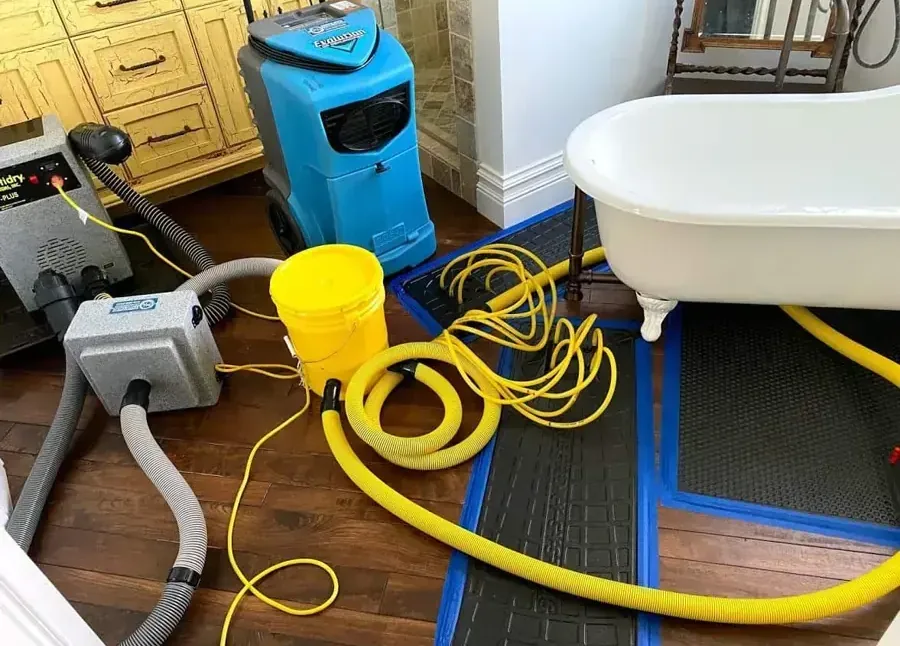
First steps for shower pan leak water damage in Westwood
- 1
Pause use of the shower
Further use can repeat the wetting while the source remains unresolved. The affected fixture should receive inspection before routine bathing adds more water to neighboring walls or floor layers.
- 2
Write down the recurring pattern
Note when dampness appears and where it dries last to help the assessment. Include changes visible outside the bathroom or in the room beneath it.
- 3
Avoid sealing over wet edges
Fresh surface sealant or replacement trim can conceal retained moisture. Source findings and the condition of underlying materials should be assessed before the affected finish is covered again.
- 4
Identify adjoining enclosed spaces
A closet, vanity or adjacent room may hide the back of the wet assembly. Mention these connections so moisture checks include surfaces outside the obvious shower enclosure.
How shower pan leak water damage work is done in Westwood
A bathroom that becomes damp after shower use needs the source identified before its finishes are covered again. Dedham-Westwood Water District lists dripping or puddling after a shower is turned off as a shower fixture leak warning. Source inspection must distinguish the pan, fixtures, drainage and other possible escape points. The restoration task then addresses the wet materials outside the intended shower area, including concealed connections that repeated use may have affected.
What does shower pan leak water damage cost in Westwood, MA?
Shower pan leak cleanup costs in Westwood reflect concealed spread, access behind finishes and the condition of adjoining floor layers. The scope should separate source correction from material removal, drying and any later bathroom finish replacement.
Localized adjacent wetting
$1,200 to $2,500
Wall and floor involvement
$2,500 to $5,500
Extended concealed damage
$5,500 to $9,000+
Ranges are typical, not a quote: category of water, square footage, material class and how fast drying started move the number most. Run the water damage cost calculator for a closer range.
The shower pan leak water damage process in four steps
The drying plan follows the materials, water category and access conditions recorded during inspection. Technicians compare repeat measurements with an unaffected reference and adjust equipment when moisture stops falling.
Step 1 Connect use history with source testing
Recurring wet areas and component testing establish source status before cleanup tasks are defined for surrounding walls, floors and adjoining spaces.
Step 2 Assess concealed assembly contact
Checks follow moisture into accessible backing, framing and floor layers. Photographs document damaged surfaces revealed as the assembly becomes accessible.
Step 3 Treat the wet perimeter
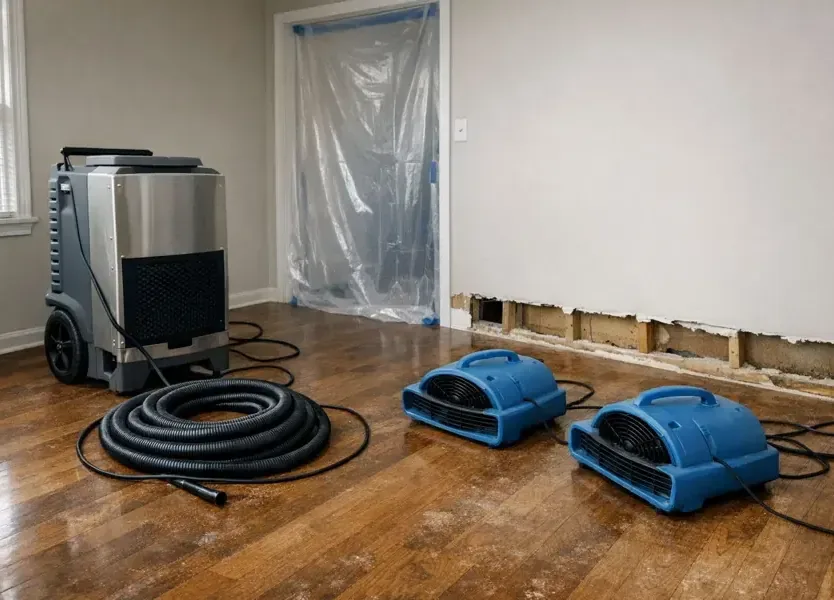
Unsuitable materials receive a clear handling decision, while retained surfaces are exposed sufficiently for drying. Equipment placement focuses on the wet assembly rather than the bathroom's open center.
Step 4 Assess readiness for finish work
Repeated observations track retained layers. Completion notes separate drying results from source confirmation and finish replacement needed before the shower returns to use.
Describe the pattern without repeating the leak
The caller can explain when water appeared, where it first became visible and whether the room below developed a mark. Continuing to use the shower just to demonstrate the problem can add moisture to the assembly. Testing should be coordinated with source assessment and the condition of the affected space. A dry interval between uses can hide surface evidence while lower layers remain wet.
Inspect the neighboring room as part of the assembly
A shared wall, vanity base or floor edge can receive water escaping from the shower. If access exposes wet framing or damaged backing, those findings belong in the cleanup scope. Removal should explain both the material condition and the access needed. Sound retained surfaces need a drying arrangement that reaches them instead of relying on open bathroom air alone.
- Locate recurring damp trim beyond the shower opening.
- Check adjoining closet or room surfaces sharing the wet wall.
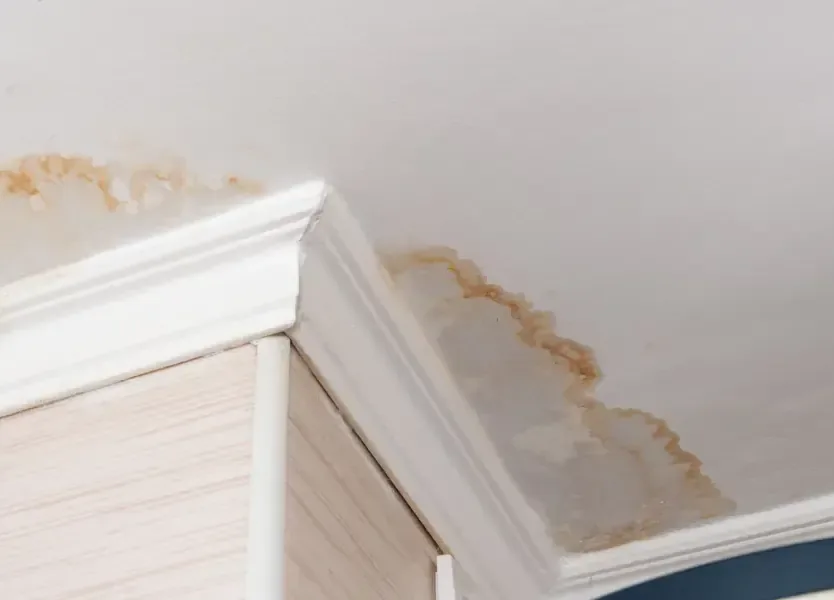
- Record ceiling changes below the bathroom where visible.
- Keep source test findings with photographs of exposed layers.
Plan a controlled return to bathroom use
Islington, the area near Westwood High School and Washington Street offer useful references for arranging property access. Within the building, the shower's relationship to other rooms determines the inspection route. A concealed corner behind a cabinet can matter more to the scope than the size of the tiled shower itself.
The ceiling leak service addresses resulting overhead damage in a room below. Before finish replacement, drying observations should account for the retained wall and floor layers. The closing discussion distinguishes source correction, moisture recovery and any separate rebuilding so normal shower use resumes only after the relevant work has been addressed.
Shower pan leak water damage across Westwood and nearby towns
Shower related water assessments cover local homes and other occupied properties. Describe the bathroom level, adjoining rooms and access restrictions so the inspection can follow moisture beyond the visible wet edge of the enclosure.
The same service nearby: shower pan leak water damage in Stoughton, Braintree, Mansfield.
Related water damage services in Westwood
Shower Pan Leak Water Damage questions in Westwood, MA
Still dealing with it?
Repeated shower wetting can reach hidden room connections. Describe the recurring damp area and any changes visible beyond the bathroom itself.
(888) 480-6221Explain the recurring shower leak01Does water outside the shower prove the pan failed?
Source testing needs to distinguish the pan from fixtures, drainage and other escape points. The moisture assessment then follows the materials affected by the identified release.
02Can the shower stay in use during assessment?
Continued use may repeat the leak. The source problem should receive attention before ordinary use resumes and adds more water to adjoining materials.
03Why inspect an adjacent closet?
A shared wall can carry moisture into concealed backing or trim. The reverse side of the assembly may reveal spread that is less visible inside the bathroom.
04Will surface sealant complete the cleanup?
Covering a joint does not address retained water in the surrounding assembly. Source correction and material drying need separate evaluation before new finishes conceal the affected layers.
05What if the room below has a stain?
That ceiling belongs in the water damage assessment. Its condition, cavity materials and any contents beneath the drip may require treatment alongside the bathroom itself.
06How is finish replacement coordinated?
The drying record should explain retained material condition and remaining moisture concerns. Replacement work follows appropriate source correction and recovery of the layers that will be enclosed again.
Assess the layers outside the shower enclosure
A coordinated inspection can establish the source, identify damaged materials and plan drying before bathroom finishes are replaced over the affected assembly.