Braintree Commercial Water Damage
A business water loss affects access, stock and the rooms needed for daily operations. Braintree commercial cleanup organizes the affected area, coordinates source attention and defines recovery tasks around the building's actual use and condition.
(888) 480-6221Discuss a wet business interior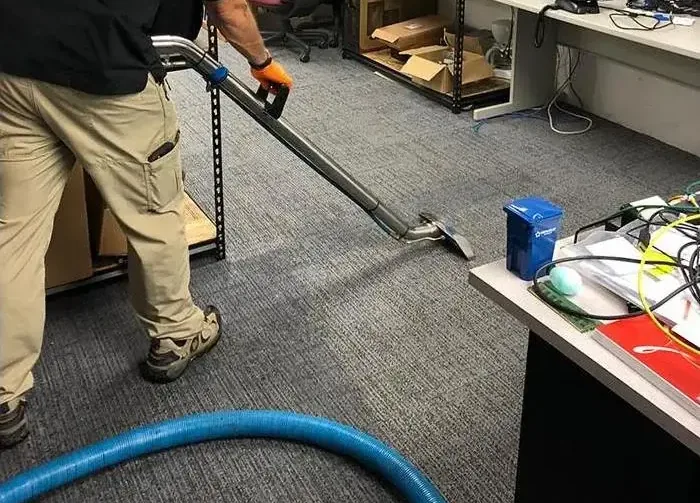
First steps for commercial water damage in Braintree
- 1
Name the property contact
A manager or designated contact can coordinate access, source service and work updates. Clear responsibility helps prevent conflicting instructions while affected rooms and recovery routes are being established.
- 2
Separate staff from wet areas
Keep employees and visitors off affected flooring and away from wet electrical devices. Temporary circulation decisions should follow the initial assessment rather than improvised paths through the damage.
- 3
Record building and stock conditions
Accessible photographs and inventories should distinguish wet merchandise or equipment from ceilings, walls and floors. That separation makes disposal decisions and later scope discussions easier to track.
- 4
Describe operational access needs
Explain shared entrances, occupied workspaces and any scheduled source service. The recovery plan can then address practical equipment placement and material handling alongside the building's ongoing use.
How commercial water damage work is done in Braintree
A wet business interior needs a recovery plan that people can follow. Staff should know which rooms are restricted, where equipment will travel and who receives updates when the scope changes. The initial assessment should distinguish building materials from stock, records and equipment so each receives appropriate handling. A defined contact at the property can coordinate source service, access and documentation without conflicting instructions reaching the work area.
What does commercial water damage cost in Braintree, MA?
Commercial water damage costs in Braintree depend on affected work areas, contents handling and access for extraction and drying. A useful estimate identifies operational separation, disposal and material treatment, with changes explained through the observed building conditions.
Small business interior
$3,000 to $5,000
Several work areas
$5,000 to $15,000
Complex commercial loss
$15,000 to $30,000+
Ranges are typical, not a quote: category of water, square footage, material class and how fast drying started move the number most. Run the water damage cost calculator for a closer range.
The commercial water damage process in four steps
The drying plan follows the materials, water category and access conditions recorded during inspection. Technicians compare repeat measurements with an unaffected reference and adjust equipment when moisture stops falling.
Step 1 Establish the operational work boundary
Inspection identifies wet spaces, source status and essential access, then establishes a contact for updates and decisions affecting the occupied premises.
Step 2 Organize recovery and contents handling
Extraction routes and material movement are planned around the building layout, with affected inventory documented separately and disposal arranged for the actual water and materials involved.
Step 3 Treat retained commercial interior components
Cleaning, selective access and drying address the observed condition of walls and floor layers while equipment placement respects the defined separation between work and occupied areas.
Step 4 Provide an actionable premises handoff
The closing record identifies completed treatment, final observations and any continuing restrictions or finish tasks so the business can coordinate its next steps using clear property information.
Make circulation part of the damage assessment
A workplace near Braintree station may need careful management of a shared entrance. Around Weymouth Landing/East Braintree station, an occupied interior can have its own access constraints. A property near Quincy Avenue may require another arrangement entirely. Inspection should establish the actual paths used by staff and visitors, then separate those paths from wet flooring, hoses and material removal.
- Identify essential passages and rooms currently occupied.
- Record affected stock separately from damaged building finishes.
- Describe shared services or access requiring manager coordination.
- Keep wet electrical equipment outside ordinary staff handling.
Plan water handling before equipment mobilizes
The Braintree stormwater program explicitly includes businesses and industrial facilities in its requirement to discharge only clean stormwater. Recovery planning should therefore establish disposal appropriate to extracted interior water. A convenient outdoor drain is not a complete disposal plan. The water source and condition belong in the scope alongside the route for moving equipment through the premises.
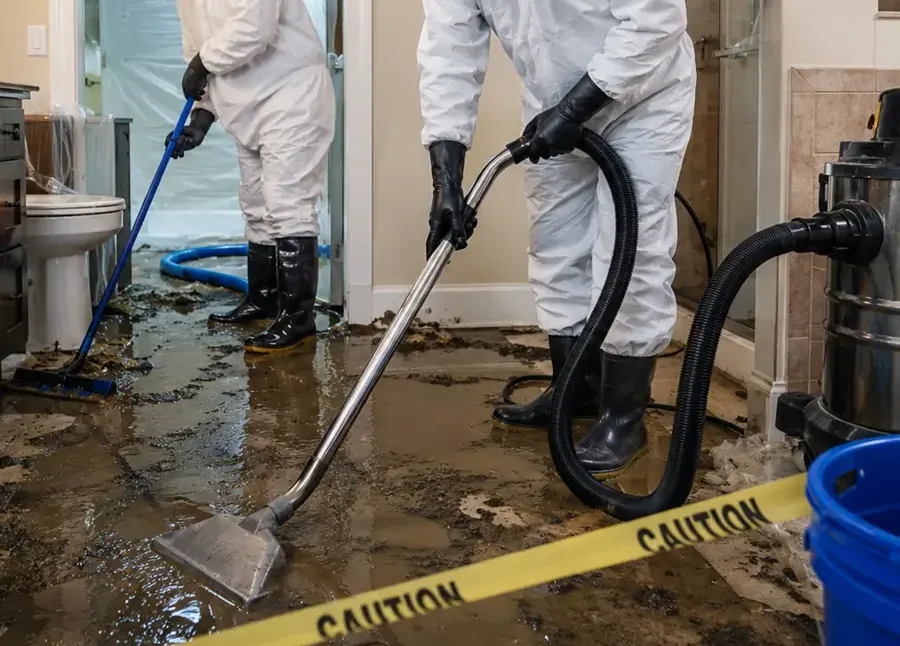
Water extraction for affected rooms can be organized by accessible work areas. Cleaning and porous material decisions follow the type of water involved, while retained finishes receive their own moisture assessment after standing liquid is recovered.
Coordinate drying with the building's practical use
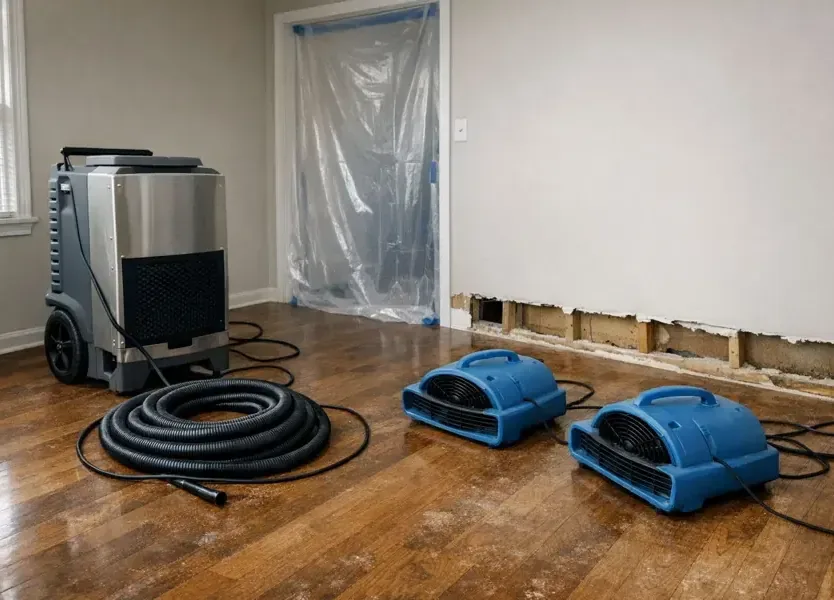
Equipment placement should account for drying access and the safe circulation defined at the start. Persistent wet areas behind partitions or fixed furnishings may require selective opening, with the reason and operational effect explained to the site contact. The record should identify which areas remain restricted and why as the building moves through treatment.
- Track drying observations by room and material.
- Explain scope changes before additional space is affected.
- Keep equipment instructions available to authorized site personnel.
- Separate mitigation completion from later finish replacement.
The business needs a usable handoff describing treated areas, remaining work and documented material conditions. That account supports the next operational decisions without promising that every room can remain open during recovery.
Commercial water damage across Braintree and nearby towns
Commercial cleanup starts with the property's affected rooms and operational access needs. Scheduling should identify the site contact, source status and shared passages so assessment and equipment movement can be coordinated across the premises.
The same service nearby: commercial water damage in Stoughton, Brockton, Westwood.
Related water damage services in Braintree
Commercial Water Damage questions in Braintree, MA
Still dealing with it?
Describe the business space, wet materials and access needs so the assessment can connect building recovery with practical decisions about occupied areas.
(888) 480-6221Explain the affected workspaces01Can business activity continue during cleanup?
That depends on damage, safe access and separation from the work. The assessment should identify usable areas and restrictions before staff or visitors resume activity near affected rooms.
02Who should communicate with the cleanup team?
A designated property contact can coordinate access, source work and scope changes. A consistent contact helps keep operational decisions aligned with the condition and treatment of the building.
03Are inventory and building damage recorded together?
Both need documentation, but separate records are useful. Stock, equipment and records have different handling decisions from wet floors, walls and ceilings within the proposed mitigation scope.
04How does the stormwater program affect recovery?
The town requires businesses to discharge only clean stormwater. Extracted interior water needs an appropriate disposal route based on its condition, established before the recovery equipment begins operating.
05Why might a dry looking workspace stay restricted?
Hidden wetting, active equipment or unfinished material handling can still affect access. Restrictions should have a clear explanation tied to the remaining work and the building's observed condition.
06What should the final business handoff contain?
The record should identify treated spaces, retained material observations and outstanding tasks. Any remaining source work, access restriction or finish replacement should be clear to the designated property contact.
Organize commercial recovery around a clear property scope
A designated contact, defined work area and documented material treatment help the business coordinate extraction and drying while understanding restrictions and the tasks that remain.