Commercial Water Damage in Westwood
A business water loss changes access, stock handling and room use at once. Commercial water damage cleanup in Westwood defines the affected work area and organizes recovery around safety, material conditions and the property's operating needs.
(888) 480-6221Discuss the affected business space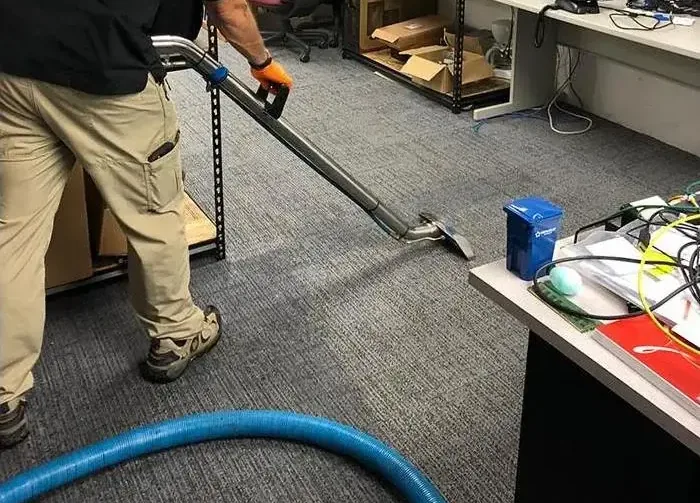
First steps for commercial water damage in Westwood
- 1
Name the property decision contact
A contact for access, source information and scope decisions helps coordinate cleanup across tenants, managers and others involved in the affected premises. Identify that person before the assessment.
- 2
Restrict the affected work area
Staff and visitors should remain outside spaces with unsafe water, electrical concerns or damaged finishes. Usable room boundaries need an assessment based on conditions rather than the normal business layout.
- 3
Document stock and equipment contact
List the items touched by water and photograph their original condition when safe. Planned handling can protect the loss record while making wet flooring and wall edges accessible for inspection.
- 4
Describe essential access needs
Managers can identify occupied spaces, shared corridors and delivery paths. The cleanup plan can then evaluate safe separation and equipment movement around those access needs.
How commercial water damage work is done in Westwood
University Station contains restaurants, shops and condos, making it a useful local setting for discussing water damage across different interior uses. A commercial loss needs the same attention to source and wet materials as any other building, together with clear coordination around occupants, stock and shared access. The assessment should establish who can approve work and how the affected area connects to spaces that may remain usable during recovery.
What does commercial water damage cost in Westwood, MA?
Commercial water cleanup costs in Westwood depend on affected work areas, contents handling and the materials needing access or drying. The estimate should itemize those tasks and distinguish source repair or replacement finishes from the interior recovery scope.
Small business interior
$3,000 to $5,000
Several work areas
$5,000 to $15,000
Complex commercial loss
$15,000 to $30,000+
Ranges are typical, not a quote: category of water, square footage, material class and how fast drying started move the number most. Run the water damage cost calculator for a closer range.
The commercial water damage process in four steps
The drying plan follows the materials, water category and access conditions recorded during inspection. Technicians compare repeat measurements with an unaffected reference and adjust equipment when moisture stops falling.
Step 1 Coordinate the initial property assessment
Decision contacts, source status and affected room boundaries establish the assessment, including staff access, shared areas and equipment or contents exposed to the release.
Step 2 Organize recovery and contents handling
The work route supports water removal and documented contents movement. Newly exposed surfaces beneath equipment receive inspection for concealed wetting.
Step 3 Treat and dry the retained materials
Condition determines removal or cleaning. Retained surfaces receive directed drying, with equipment access and monitoring needs explained to the property contact.
Step 4 Document progress for the next decision
The drying record identifies completed work and retained material conditions. Remaining source tasks and finish replacement are distinguished before management evaluates ordinary use of the space.
Define an operational boundary from actual conditions
Water may reach an office floor, storage space or customer area differently. Contamination, electrical concerns and damaged finishes determine the safe boundary. Managers coordinate opening plans with the inspection findings and the rooms still requiring controlled access. Managers can identify important equipment and contents while the inspection records what the water touched. Shared walls, doorways and continuous flooring may extend the scope beyond the room where the source first appeared.
Coordinate source control with property responsibilities
Dedham-Westwood Water District assigns customers responsibility for plumbing on private property and the service pipe from the shutoff valve to the building. Its emergency indoor leak instruction points to the inside valve near the meter. Building contacts should share source findings and access information so the cleanup plan can distinguish ongoing leakage from retained water before arranging extraction and material treatment.
- Identify the property contact responsible for access and work decisions.
- Describe stock, furnishings and equipment within the wet boundary.
- Record shared corridors or rooms needed for safe movement.
- Keep source repair findings with the commercial cleanup documentation.
Make the drying plan understandable to occupants
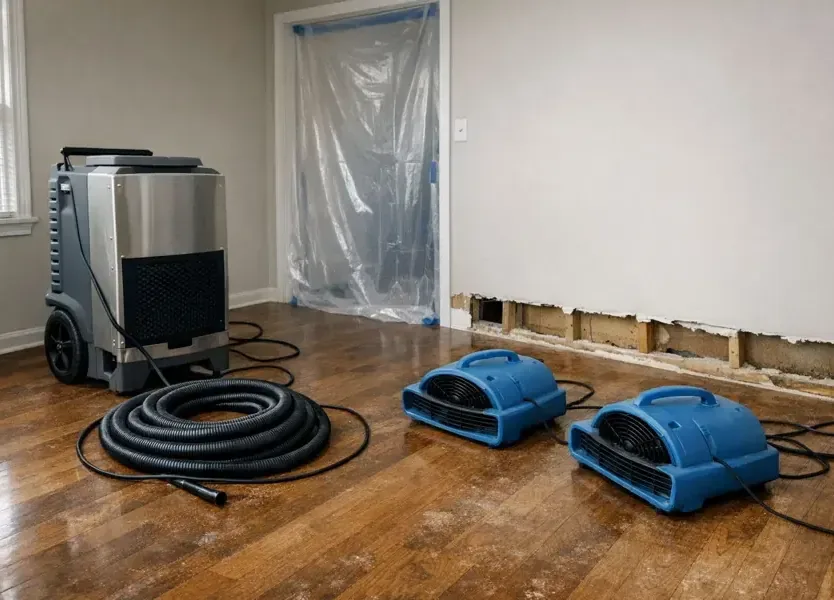
Washington Street and Islington station provide other recognizable references when discussing a business location. Within the premises, a clear equipment layout helps explain where people can move and which surfaces must remain accessible. Contents handling should preserve the damage record while making room for inspection beneath affected items.
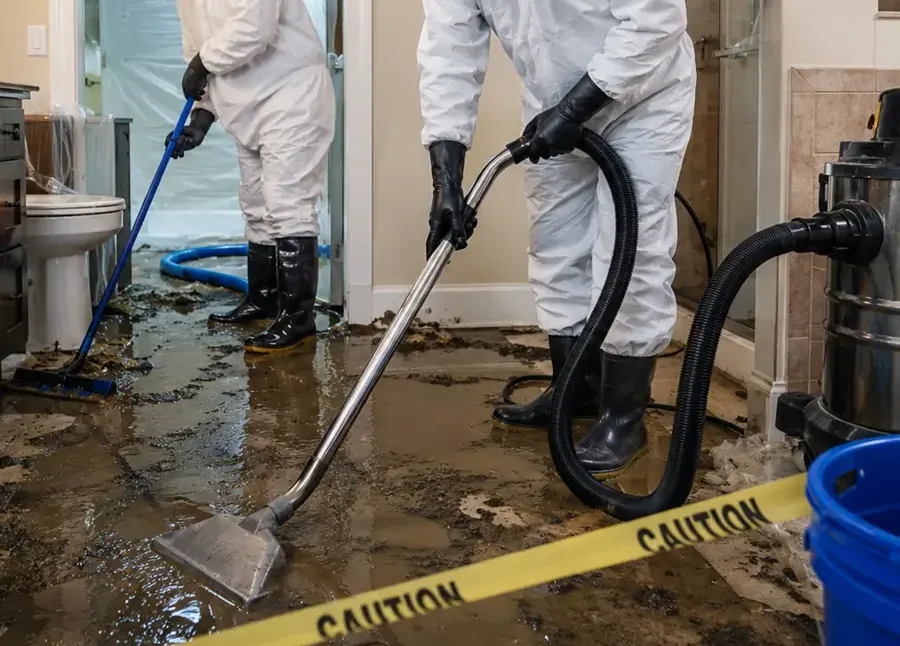
The water extraction service addresses liquid recovery before retained materials receive drying. Followup observations should connect to the original room map and identify any newly exposed wet layers. Completion notes can then distinguish recovered space from areas awaiting separate source work or finish replacement, giving the responsible manager a practical basis for the next occupancy decision.
Commercial water damage across Westwood and nearby towns
Commercial assessments cover local shops, offices and other business interiors, including the University Station area. Provide the property contact, affected rooms and access requirements so recovery can be organized around the actual premises.
The same service nearby: commercial water damage in Stoughton, Braintree, Mansfield.
Related water damage services in Westwood
Commercial Water Damage questions in Westwood, MA
Still dealing with it?
A business water loss needs clear room boundaries and decision contacts. Describe the affected operations, access needs and source status before planning recovery.
(888) 480-6221Assess the business water loss01Can part of the premises stay occupied?
The assessment determines usable boundaries from safety, contamination and access conditions. Shared routes and affected systems must be considered before any area is kept in normal use.
02Who should coordinate the cleanup conversation?
A property contact able to explain access and approve scope decisions helps organize the work. Source findings and tenant concerns should reach that contact clearly.
03Does stock movement belong in the scope?
Affected stock and furnishings may obstruct wet surfaces or need separate handling. Documentation before movement preserves their condition while allowing inspection underneath and behind them.
04Can work follow normal business access routes?
That depends on contamination and equipment needs. The assessment should establish routes that protect occupants and unaffected areas while allowing controlled movement through the cleanup space.
05What supports the business loss record?
Room photographs, source findings, itemized tasks and drying observations explain the physical damage and work performed. Coverage decisions remain with the insurer under the applicable policy.
06When is a room ready for normal use?
The responsible parties need the completed cleanup record and any remaining task information. Drying results, safety conditions and replacement work all inform the occupancy decision.
Organize cleanup around the affected work areas
A property assessment can connect contents handling, extraction and drying with a documented scope that managers can use for the next recovery decisions.