Sewage Backup Cleanup in Westwood
Wastewater emerging from a drain needs a controlled work area before cleanup begins. Sewage backup cleanup in Westwood separates contaminated surfaces from usable rooms and organizes removal, cleaning and drying around the actual spill.
(888) 480-6221Discuss the drain waste spill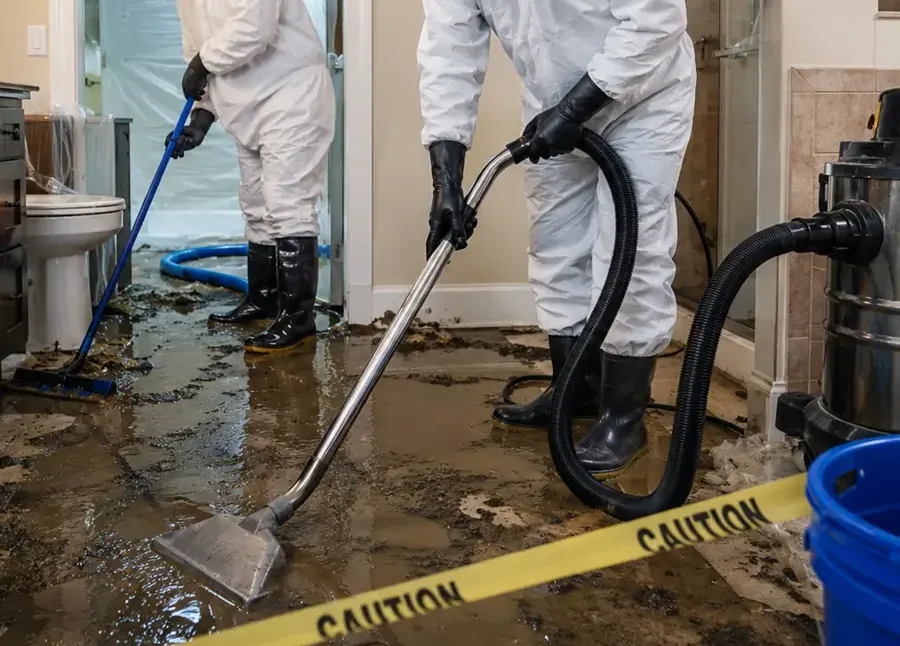
First steps for sewage backup cleanup in Westwood
- 1
Restrict room access
People and pets should remain outside the affected space. Avoid walking through wastewater or moving contaminated belongings into ordinary living areas before a handling route has been established.
- 2
Stop using affected fixtures
Additional discharge can enlarge the spill. The drainage problem needs appropriate attention, with source findings shared during the cleanup assessment so continuing backup remains part of the work plan.
- 3
Describe contact and movement
Mention rooms the waste reached and any traffic through them after discovery. This helps the assessment consider tracked residue beyond the deepest or most visible pool around the drain.
- 4
Keep a safe condition record
Photos from outside the affected room preserve the original condition. Leave contaminated porous items in place until their removal route is established.
How sewage backup cleanup work is done in Westwood
A sewage backup can affect more than the floor around the drain. Splashing, movement through doorways and contact with belongings can extend the contaminated area. The response begins by restricting entry and identifying the waste path before anyone moves items through clean rooms. Source correction is needed to address the backing drain, while interior cleanup deals with the residue and affected materials already inside.
What does sewage backup cleanup cost in Westwood, MA?
Sewage backup cleanup costs in Westwood depend on contamination spread, porous material removal and access for thorough cleaning. The estimate should describe those tasks separately from correcting the drain and replacing removed interior finishes.
Contained drain overflow
$2,000 to $3,500
Several affected surfaces
$3,500 to $8,000
Broad contaminated loss
$8,000 to $15,000+
Ranges are typical, not a quote: category of water, square footage, material class and how fast drying started move the number most. Run the water damage cost calculator for a closer range.
The sewage backup cleanup process in four steps
The drying plan follows the materials, water category and access conditions recorded during inspection. Technicians compare repeat measurements with an unaffected reference and adjust equipment when moisture stops falling.
Step 1 Establish the contamination boundary
The assessment follows wastewater and possible tracking into connected spaces, identifying safe access and the surfaces or belongings requiring controlled handling before any removal begins.
Step 2 Coordinate drainage and waste recovery
The source condition is reviewed with the drainage findings. Escaped waste and liquid are recovered through an organized work route that protects unaffected interior areas.
Step 3 Remove unsuitable material and clean
Contaminated porous finishes receive retention or removal decisions. Exposed suitable surfaces are cleaned with access to corners, cavities and edges reached by the original spill.
Step 4 Measure remaining moisture after cleaning
Drying follows cleaning of retained materials. Completion notes identify discarded finishes, treated surfaces, source status and any unfinished drainage or replacement tasks.
Separate the drain problem from the spill
Drain service findings help establish whether another discharge could occur. Occupants should avoid using affected fixtures until the drainage problem receives attention. The local water district identifies Westwood Sewer Department as the contact for sewer billing questions. Billing matters and an indoor sewage loss have different purposes; the cleanup assessment focuses on safe access, contamination boundaries and treatment of the damaged interior.
Give porous materials a specific handling decision
Carpet, cushion and other absorbent finishes can retain contaminated water within their layers. An apparently cleaner surface after wiping does not address everything beneath it. The scope should identify what requires removal, how affected contents will be handled and which surfaces can remain for cleaning. Opened edges and cavities may reveal additional contact that changes the initial boundary.
- Record the drain or fixture where wastewater emerged.
- Identify any paths used through the affected room after discovery.
- Separate contents touched by sewage from untouched belongings.
- Plan removal routes that avoid spreading residue into usable spaces.
Clean the exposed area before final drying
Whether the caller describes an Islington property, a space near University Station or an interior along Washington Street, the room conditions determine the handling plan. A small drain area with absorbent finishes may require more material work than its size suggests. Safe access and the surfaces contacted by sewage remain the central considerations.
After waste recovery and unsuitable material removal, cleaning can reach retained surfaces. Drying then addresses moisture remaining in those materials. The related toilet overflow cleanup page explains how the source of a bathroom spill affects its scope. A useful completion record describes contamination handling and moisture recovery separately, alongside any drain work still needed to restore normal use.
Sewage backup cleanup across Westwood and nearby towns
Interior sewage cleanup assessments cover local residential and business spaces. Provide the affected floor, fixture location and access route so contamination handling can be planned around the actual room layout and occupants.
The same service nearby: sewage backup cleanup in Stoughton, Braintree, Mansfield.
Related water damage services in Westwood
Sewage Backup Cleanup questions in Westwood, MA
Still dealing with it?
A backed drain needs a defined cleanup boundary. Describe where wastewater emerged and which surfaces or belongings it reached inside.
(888) 480-6221Describe the sewage affected space01Can occupants walk through a sewage spill?
The affected room should remain restricted. Traffic can carry contamination into other areas, and the work boundary should be established before belongings or equipment move through it.
02Does clearing the drain finish the job?
Drain correction addresses the source. Waste, contaminated finishes and retained moisture inside the building still need their own removal, cleaning and drying assessment.
03What happens to wet carpet?
Contaminated absorbent layers need a specific handling decision. The assessment considers the carpet, cushion and underlying surfaces rather than relying on the appearance of the top layer.
04Is the sewer department the billing contact?
The water district names Westwood Sewer Department for sewer billing questions. An indoor sewage cleanup assessment separately addresses the spill and affected building materials.
05Should air movers run before cleanup?
Airflow should follow the contamination handling plan. Waste removal, unsuitable material decisions and cleaning come before arranging drying equipment around the retained assembly.
06What should the closing record include?
The record should identify waste recovery, discarded materials, cleaning and moisture observations, along with the status of drain correction and any remaining replacement work.
Organize safe recovery after a drain backup
The next assessment can connect source status with controlled waste removal, material decisions and the cleaning required before retained surfaces receive drying.