Mansfield Sewage Backup Cleanup
A sewage backup changes how a wet room must be entered and handled. Mansfield cleanup separates the contaminated area, assesses contacted materials and coordinates the work with the source correction needed at the affected drain.
(888) 480-6221Report the contaminated area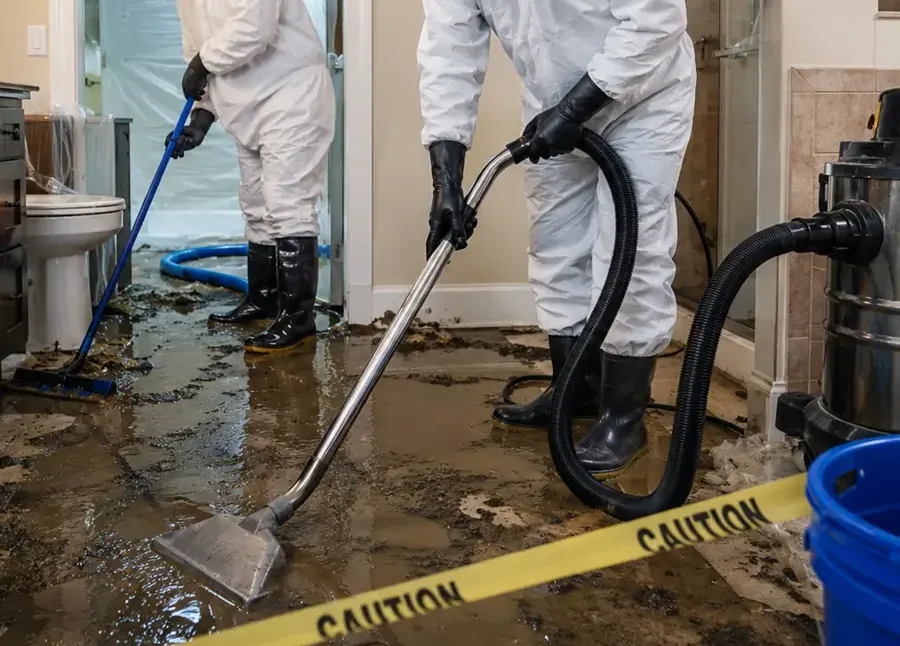
First steps for sewage backup cleanup in Mansfield
- 1
Separate occupants from the spill
Close access to the contaminated room where possible and keep pets away. Avoid walking through sewage or touching affected contents while the extent of contact remains unassessed.
- 2
Reduce further drain use
If fixture use appears to worsen the backup, leave those fixtures unused and arrange source attention. Cleanup planning needs to know whether contaminated water is still entering the space.
- 3
Leave wet belongings in place
Photograph affected contents from a clean location. The assessment should establish handling routes and disposal or cleaning decisions before wet items are carried into otherwise unaffected rooms.
- 4
Coordinate property access
Notify the property contact about contaminated rooms in managed or shared housing. Inspection needs authorized entry and a work route separated from residents and unaffected spaces.
How sewage backup cleanup work is done in Mansfield
A backed-up drain can contaminate floor edges and belongings as water spreads beyond the fixture. The first cleanup boundary should account for contact and splashing, not only the pool still visible. Mansfield participates with Foxborough and Norton in the MFN Regional Wastewater District. Within an affected building, drain source work and cleanup of contacted materials need clearly identified scopes so each part of the loss receives attention.
What does sewage backup cleanup cost in Mansfield, MA?
Sewage cleanup costs in Mansfield reflect contaminated surface area, porous material removal and controlled handling needs. The estimate should explain recovery, cleaning and drying tasks, with drain source correction identified separately from the affected room cleanup.
Contained drain overflow
$2,000 to $3,500
Several affected surfaces
$3,500 to $8,000
Broad contaminated loss
$8,000 to $15,000+
Ranges are typical, not a quote: category of water, square footage, material class and how fast drying started move the number most. Run the water damage cost calculator for a closer range.
The sewage backup cleanup process in four steps
The drying plan follows the materials, water category and access conditions recorded during inspection. Technicians compare repeat measurements with an unaffected reference and adjust equipment when moisture stops falling.
Step 1 Establish contact and access limits
Inspection maps sewage contact and establishes a suitable work route. Access restrictions separate occupants from contaminated surfaces and the movement of removed materials.
Step 2 Recover and remove affected material
Contaminated water and materials receive controlled handling according to their exposure and condition, while the record distinguishes removed finishes from surfaces retained for suitable cleaning.
Step 3 Clean the retained contact surfaces
Cleaning addresses the exposed affected area before drying airflow begins, with attention to corners, lower assemblies and places previously concealed by wet contents or finishes.
Step 4 Evaluate moisture and remaining source work
The final phase tracks damp retained materials and records drain status, distinguishing completed cleanup from tasks still needed before the room receives replacement finishes.
Keep the contaminated route contained
Foot traffic, moved belongings and unsuitable airflow can carry contamination into other rooms. The assessment should identify where people can remain and how removed materials will leave the property. In occupied housing, that separation needs to be understandable to residents as well as anyone performing the cleanup, with access restrictions explained before work begins.
- Keep children and pets outside the affected room.
- Avoid using fixtures that may worsen the active backup.
- Do not carry wet contents through unaffected living areas.
- Describe splashed surfaces as well as standing drain water.
Assess the surfaces that sewage contacted
Absorbent finishes and washable surfaces require different decisions after exposure. The cleanup plan should state which materials need removal and which can receive suitable cleaning. Wet wall bases, cabinet interiors and contents resting on the floor deserve inspection because they can extend the affected boundary beyond the center of the visible spill.
At Cedar Court and Bicentennial Court, managed housing access may require coordination with the property contact. The inspection follows the actual contaminated space and any adjoining wet assembly, with resident movement separated from the work and material handling route.
Return to material moisture after cleaning
Once contaminated water recovery and the necessary removal and cleaning are complete, the retained assembly can be evaluated for structural drying. Moisture readings then track the floor and lower wall materials that remain. Closing notes should distinguish cleaning completed, drying condition and any unresolved drain issue before the space receives replacement finishes or ordinary use.
- Record the contaminated boundary before visible water is removed.
- Identify items handled separately from the building finishes.
- Keep drain findings available during the cleanup period.
- Reassess access restrictions when the work condition changes.
Sewage backup cleanup across Mansfield and nearby towns
Sewage cleanup serves Mansfield properties, including Cedar Court and Bicentennial Court. Planning considers the contaminated boundary, resident access and the drain source status so recovery, removal and cleaning can proceed in a controlled sequence.
The same service nearby: sewage backup cleanup in Stoughton, Easton, Brockton.
Related water damage services in Mansfield
Sewage Backup Cleanup questions in Mansfield, MA
Still dealing with it?
A drain backup needs a defined contact boundary and a clear plan for handling contaminated materials inside the occupied building.
(888) 480-6221Describe the sewage contact01Should household fans run after a sewage spill?
Airflow should wait for contamination assessment and appropriate controls. Moving air across untreated sewage or affected materials can spread the problem beyond the original room.
02Is a small drain overflow still different from clean water?
Sewage contact requires controlled handling even when the visible pool is limited. The inspection should include splashes, absorbent finishes and nearby belongings that touched the water.
03Will every wet item be discarded?
Decisions depend on material, contamination and condition. The scope should explain which contents or finishes require removal and which surfaces may receive appropriate cleaning.
04Does wastewater treatment resolve an indoor backup?
Regional treatment and an affected building's drain problem need separate attention. Source findings should be recorded alongside the cleanup of sewage that entered the occupied space.
05Can residents use the adjoining room?
Access depends on the contact boundary and work route. The assessment should identify which areas remain separate and explain restrictions during removal, cleaning and drying.
06What happens after contaminated materials are removed?
Retained surfaces receive suitable cleaning, followed by moisture assessment and drying where needed. The closing record should also state whether the drain source issue remains unresolved.
Separate the spill from the living space
Provide the drain location, affected rooms and current inflow status so cleanup can be scoped around controlled access, material removal and suitable cleaning.