Sewage Backup Cleanup in Brockton
Wastewater escaping a drain calls for a controlled work area before cleanup begins. The response separates contaminated contact, coordinates drain correction and determines which surfaces can remain for cleaning and subsequent drying.
(888) 480-6221Discuss the drain backup area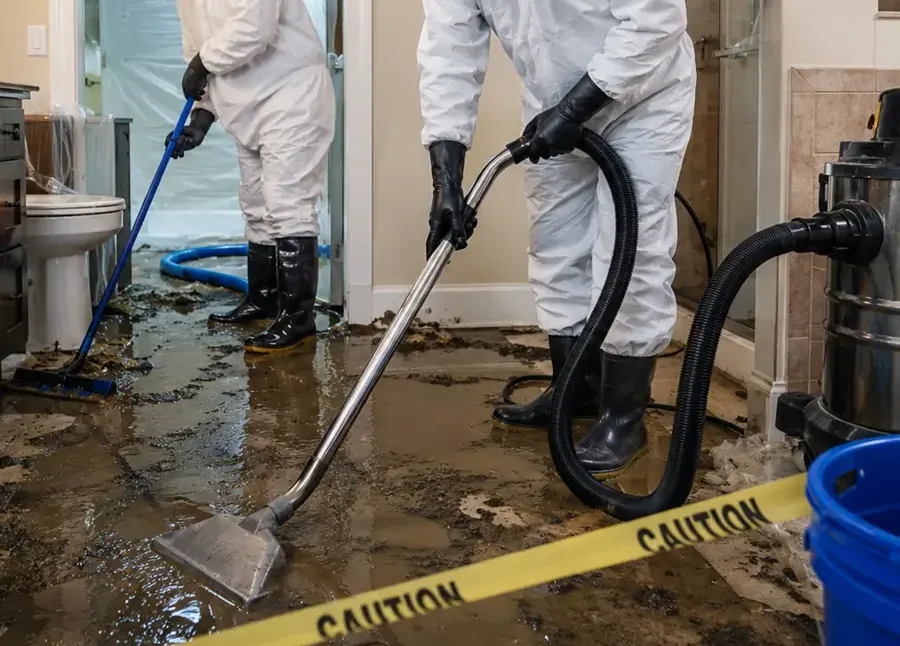
First steps for sewage backup cleanup in Brockton
- 1
Close the area to occupants
Keep people and pets away from wastewater and wet belongings. A dry doorway description is enough to explain the visible footprint without tracking contamination into other occupied rooms.
- 2
Limit fixture use
Avoid adding water through fixtures associated with the backup until a qualified professional evaluates the drainage problem. Mention whether wastewater rises again when nearby plumbing is used.
- 3
Leave contaminated contents in place
Belongings should be documented before controlled handling. Moving them through a clean hallway can extend the affected area and make both contents decisions and surface cleaning more complicated.
- 4
Describe all contact paths
Mention footsteps, moved furniture or water crossing a doorway after the overflow. The cleanup assessment needs to consider those routes alongside the original drain opening and standing wastewater.
How sewage backup cleanup work is done in Brockton
A drain backup can leave only a shallow wet area and still require careful handling. At a Campello property, the initial boundary should include surfaces touched by the wastewater, nearby wet contents and any path used after the overflow. Footwear and moved belongings can extend that contact. Cleanup therefore starts by limiting access and establishing a controlled route before equipment or affected materials travel through the building.
What does sewage backup cleanup cost in Brockton, MA?
Sewage cleanup in Brockton varies with contaminated contact, porous material removal and the access needed for cleaning. Estimates should distinguish wastewater recovery, disposal and retained material drying from drain correction and any replacement finishes.
Contained drain overflow
$2,000 to $3,500
Several affected surfaces
$3,500 to $8,000
Broad contaminated loss
$8,000 to $15,000+
Ranges are typical, not a quote: category of water, square footage, material class and how fast drying started move the number most. Run the water damage cost calculator for a closer range.
The sewage backup cleanup process in four steps
The drying plan follows the materials, water category and access conditions recorded during inspection. Technicians compare repeat measurements with an unaffected reference and adjust equipment when moisture stops falling.
Step 1 Set the contact boundary
The assessment identifies wastewater spread, affected contents and tracked routes, then establishes access restrictions and a controlled work path around the occupied parts of the property.
Step 2 Coordinate source and recovery
Drain evaluation is linked with wastewater removal so the cleanup plan accounts for the risk of renewed entry and the status of affected fixture use.
Step 3 Remove and clean deliberately
Unsuitable porous materials are addressed through controlled handling, while retained surfaces receive cleaning appropriate to the contact and condition recorded during the initial assessment.
Step 4 Document retained material recovery
After cleaning, drying measurements track the remaining wet assembly and the final record separates completed cleanup from outstanding drainage correction or interior finish replacement needs.
Coordinate the drain problem with interior recovery
A qualified plumbing or drain professional evaluates the blockage and any corrective work. The restoration scope addresses the wastewater and materials inside the property. For a Montello caller, useful details include the opening where water appeared, fixtures in use and whether the backup continues. Occupants should avoid repeated flushing or other use that could add more wastewater to the affected area.
Drain correction and cleanup need clear coordination. A room can be emptied while the original problem remains capable of producing another overflow. The work record should state the source status and any restriction affecting use of nearby fixtures during the recovery process.
Make contact boundaries visible
Sewage is treated as Category 3 water. Affected porous finishes can require removal, while retained surfaces need appropriate cleaning before drying. The scope should explain those decisions rather than grouping every item under a general pumping description.
- Keep children and pets outside the affected room.
- Record contaminated belongings without carrying them into clean areas.
- Identify floor seams and wall bases reached by wastewater.
- Plan a controlled route for removed finishes and debris.
Restore a usable room through measured stages
In Cary Hill, access planning should account for shared entrances and occupied adjoining rooms at the actual property. The cleanup boundary may differ from the original puddle because contact and concealed wetting extend past the visible edge. Retained surfaces should be cleaned before equipment begins the drying phase.
Material drying then follows the wet assembly with recorded checks. Completion notes should identify what was removed, what was cleaned and which retained layers were assessed. Remaining drain repairs and finish replacement belong in a separate handoff so the room's recovery status is clear.
Sewage backup cleanup across Brockton and nearby towns
Sewage affected interior cleanup serves Brockton locations including Campello, Montello and Cary Hill. Details about shared entrances, fixture use and tracked contact help establish an appropriate work boundary and controlled removal route.
The same service nearby: sewage backup cleanup in Stoughton, Easton, Braintree.
Related water damage services in Brockton
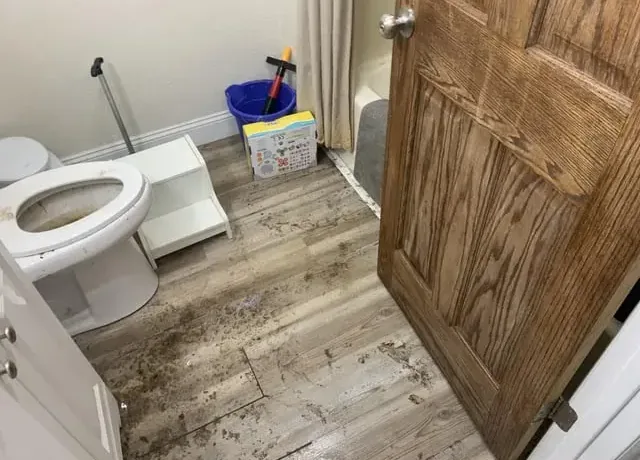
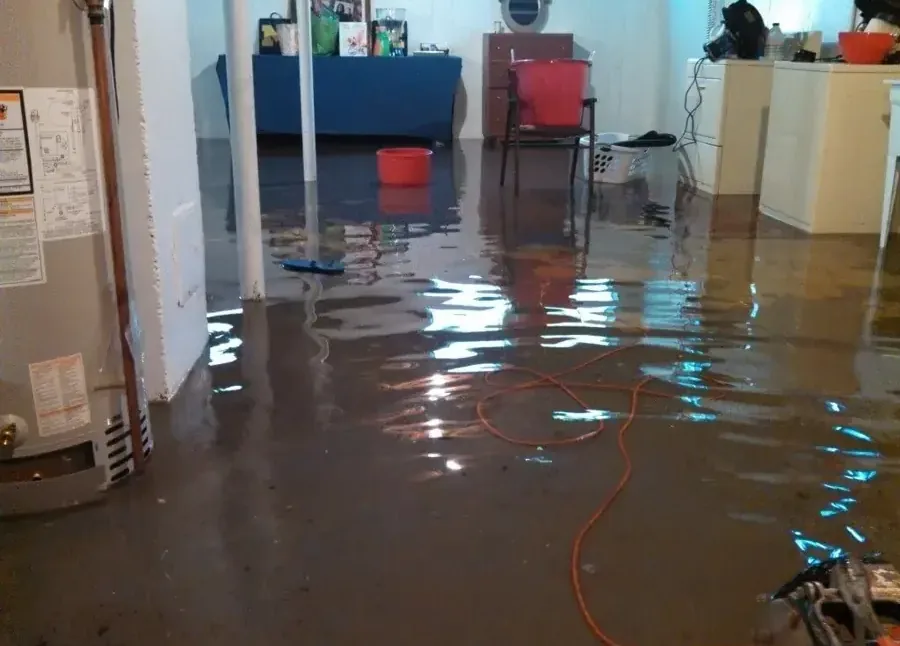
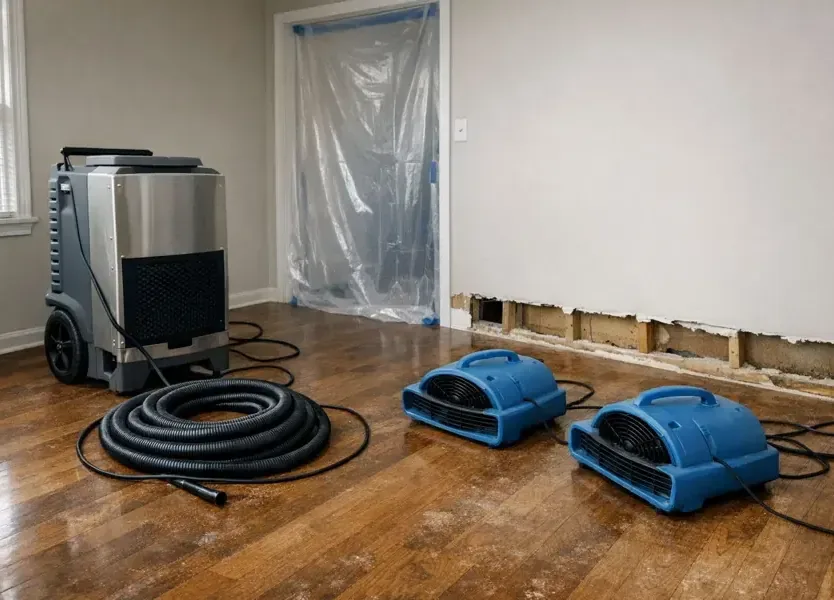
Sewage Backup Cleanup questions in Brockton, MA
Still dealing with it?
Wastewater at a drain needs a contact boundary and a cleanup plan before belongings or equipment move through the building.
(888) 480-6221Review the wastewater footprint01Can a small backup need controlled cleanup?
Yes. The amount of visible water does not eliminate sewage contact. Surfaces, belongings and tracked routes need assessment even when the original drain overflow covers a limited floor area.
02Should nearby fixtures still be used?
Use that adds wastewater can worsen a continuing backup. A qualified drainage professional should evaluate the source and explain any restrictions while the affected interior is being assessed and recovered.
03Is drying enough for contaminated carpet?
Drying does not remove sewage contamination from porous material. The assessment should address removal and handling decisions before retained surfaces are cleaned and any remaining wet structure enters drying.
04Why include a hallway that looks dry?
Footwear or moved contents may carry wastewater beyond the puddle. The contact history helps establish which surfaces need assessment, even if they no longer show visible moisture at the time of inspection.
05Who determines the drainage repair?
A qualified plumbing or drain professional evaluates the cause and corrective work. Restoration handles affected interior materials, with the two scopes coordinated so renewed wastewater does not interrupt cleanup.
06What should the completion record distinguish?
Useful notes separate material removal, retained surface cleaning and drying checks. Drain correction and replacement finishes should remain clearly identified so the owner understands which recovery tasks are complete.
Keep sewage recovery organized around the affected area
Describe the opening, continuing fixture use and any tracked routes so assessment can address both visible water and the surfaces it contacted.