Easton Sewage Backup Cleanup
A backed-up drain changes how the entire wet area must be handled. Access restriction, source attention and a clear boundary for contaminated materials come before ordinary room cleanup or the placement of drying equipment.
(888) 480-6221Assess the backed-up drain area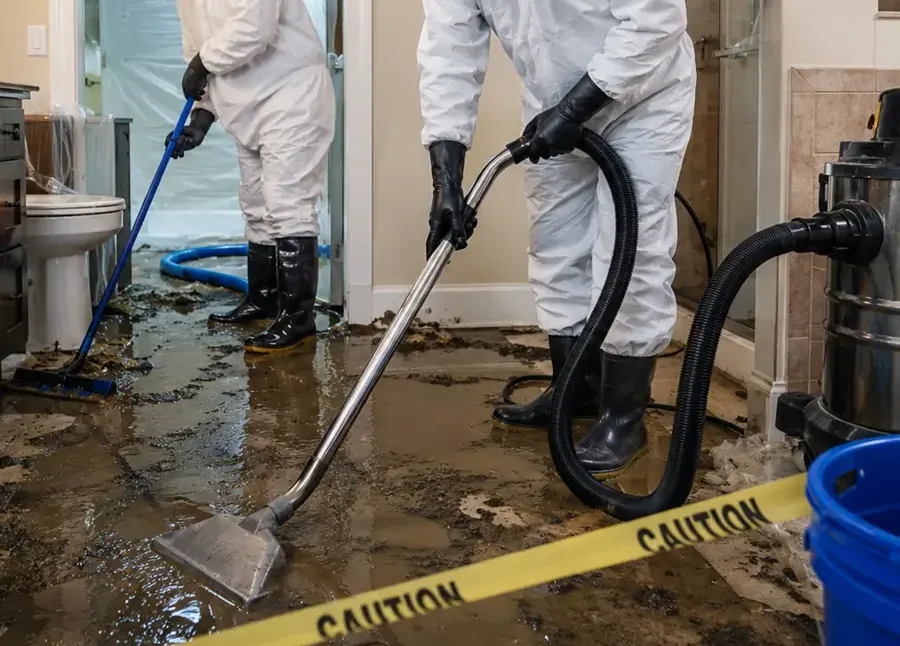
First steps for sewage backup cleanup in Easton
- 1
Close the affected area to traffic
Keep occupants and pets out of the room. Avoid carrying wet belongings through clean spaces until the contamination boundary and handling route have been established for cleanup.
- 2
Stop using connected fixtures
Report which fixtures were operating when the backup appeared. Continued use can add water to an unresolved drain problem and enlarge the affected area before source attention.
- 3
Record the overflow from outside
Photographs from a clean position can capture the drain, wet surfaces and stored contents. Do not enter the spill just to obtain a closer view of damage.
- 4
Request coordinated drain attention
The cause of the backup needs appropriate plumbing assessment alongside restoration. Explain whether overflow continues so the cleanup plan accounts for the risk of another release.
How sewage backup cleanup work is done in Easton
A drain backup is not just standing water with an unpleasant appearance. It changes the decisions about room access, affected belongings and porous building materials. In Easton, the first cleanup description should identify the overflowing fixture and the farthest visible spread. Occupants should avoid crossing the affected area, because residue can travel on footwear or moved items into rooms that were never touched by the original overflow.
What does sewage backup cleanup cost in Easton, MA?
Sewage cleanup costs in Easton reflect contamination, affected porous materials and access for cleaning. A contained drain spill has different removal and treatment needs from residue beneath finishes across several connected interior spaces.
Contained drain overflow
$2,000 to $3,500
Several affected surfaces
$3,500 to $8,000
Broad contaminated loss
$8,000 to $15,000+
Ranges are typical, not a quote: category of water, square footage, material class and how fast drying started move the number most. Run the water damage cost calculator for a closer range.
The sewage backup cleanup process in four steps
The drying plan follows the materials, water category and access conditions recorded during inspection. Technicians compare repeat measurements with an unaffected reference and adjust equipment when moisture stops falling.
Step 1 Establish the affected and clean areas
The assessment identifies the overflow fixture, current drain condition and contamination boundary, then organizes access to keep ordinary building traffic outside the cleanup space.
Step 2 Recover water and handle damaged materials
Removal follows the condition of each affected finish, with contaminated porous items and building layers separated from surfaces suitable for treatment and retention.
Step 3 Expose and clean contacted surfaces
Necessary access allows treatment behind coverings and at floor edges. Cleaning decisions precede the final drying arrangement for the remaining building materials.
Step 4 Document treatment and remaining moisture
Closing records explain material disposition, cleaned surfaces and drying findings while identifying any unresolved source work or replacement finishes that need separate attention.
Define a boundary around the actual contamination
For a property in Daley Corner, the inspection may begin at a floor drain and continue toward nearby walls. In Eastondale or Alger's Corner, the relevant details likewise concern the fixture, room layout and wet surfaces. No assumption about the property's drain arrangement replaces inspection of where the backup appeared and what it contacted.
- Carpet edges can conceal contaminated backing and pad.
- Stored cartons can absorb overflow at the floor surface.
- Trim joints may allow residue behind a finished wall face.
- Foot traffic can extend contamination beyond the initial wet boundary.
Coordinate drain attention and material handling
An unresolved drain problem can cause another overflow during cleanup. Appropriate source service should establish the backup condition while restoration defines the affected materials. Porous finishes that cannot be retained need controlled removal, and equipment routes should avoid spreading residue through occupied areas.
A toilet overflow may need the same careful distinction between a supply spill and water from the bowl. The actual source and contact history determine handling, not the fixture name alone.
Make cleaned access the basis for drying
Water recovery exposes the remaining cleaning needs; it does not complete them. Accessible retained surfaces need treatment before the drying plan can address absorbed moisture. Openings may be necessary where contamination reached behind coverings. The final assessment should describe material removal, treated surfaces and the status of remaining wet assemblies. A fresh appearance or reduced odor is not a substitute for a documented cleanup sequence that follows the actual contaminated area from discovery through completion.
Sewage backup cleanup across Easton and nearby towns
Easton sewage cleanup requests can identify Daley Corner, Eastondale or Alger's Corner, then describe the affected fixture and access. The actual overflow boundary determines room handling, material treatment and the restoration sequence.
The same service nearby: sewage backup cleanup in Stoughton, Mansfield, Brockton.
Related water damage services in Easton
Sewage Backup Cleanup questions in Easton, MA
Still dealing with it?
Describe the overflowing drain and surfaces reached by the spill while keeping household traffic outside the affected area.
(888) 480-6221Discuss contaminated room cleanup01Can occupants use the room after mopping?
Surface mopping does not address contamination inside porous finishes or hidden joints. The room needs an assessment of affected materials and cleaning access before ordinary use resumes.
02Should other fixtures continue to be used?
A connected fixture can add water to a backed-up drain. The source condition should be assessed before normal use resumes, especially while overflow is still occurring.
03Does the odor define the affected area?
The boundary comes from where contaminated water traveled and what it contacted. Inspection of surfaces and contents is more useful than relying on odor alone.
04Why remove some porous materials?
Contaminated water can penetrate their thickness or backing. The cleanup assessment identifies materials that cannot be retained and explains the access needed to treat the remaining assembly.
05Is drying enough after water recovery?
Drying addresses moisture, while cleaning and material removal address contamination. The plan must account for both before affected surfaces can be considered ready for later finishing.
06What should the cleanup documentation include?
It should identify the source fixture, affected boundary, removed materials and treated surfaces. Drying findings and outstanding drain work complete the record of the restoration sequence.
Address the backup and its spread
Request an assessment that separates drain source work from contamination removal, surface treatment and drying of the retained building materials.