Easton Storm Flood Cleanup
Water entering from outside can leave sediment beneath furniture and inside floor joints. Flood cleanup starts by assessing safe entry and water condition, then separates contaminated materials from surfaces that can be cleaned and dried.
(888) 480-6221Assess stormwater inside the building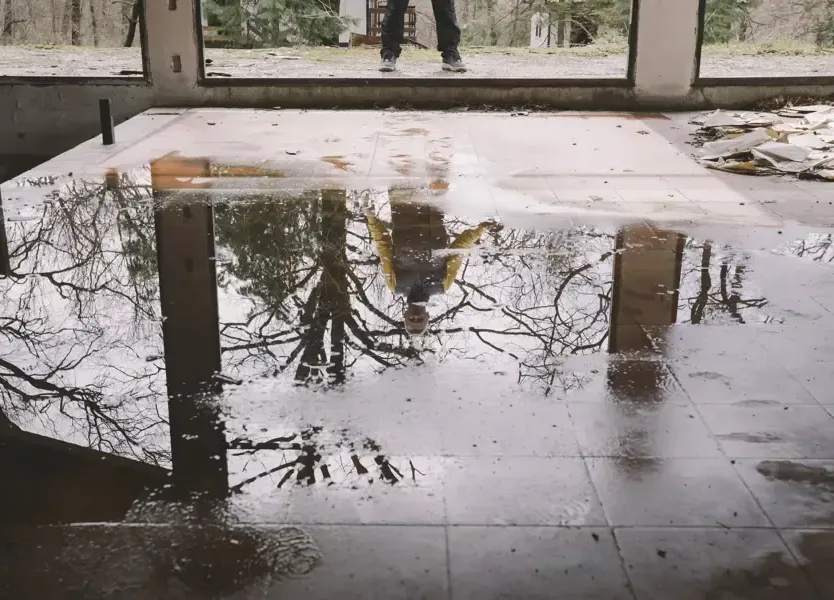
First steps for storm flood cleanup in Easton
- 1
Keep occupants outside flooded rooms
Do not cross water near electrical equipment or enter a space with uncertain structural conditions. The access assessment comes before efforts to save contents or start removal.
- 2
Identify whether entry continues
Report the point where water appears to enter and whether its level is rising or falling. Continuing outside water can change the safe extraction approach.
- 3
Photograph marks from dry access
Record sediment, water marks and wet belongings without moving through the affected area. These images help explain the original extent before cleanup changes the room.
- 4
Separate unaffected household traffic
Keep children, pets and ordinary foot traffic away from the wet area. Avoid carrying muddy items through clean rooms while the handling plan is established.
How storm flood cleanup work is done in Easton
Easton's waterways belong to the Taunton River Watershed, and Hockomock Swamp provides natural flood control for the region. When outside water reaches a building, the cleanup decision starts at the entry point and the materials it contacted. A muddy floor needs more than pumping: sediment can remain at wall bottoms, beneath coverings and around stored belongings after the visible water has receded.
What does storm flood cleanup cost in Easton, MA?
Storm flood cleanup in Easton depends on contamination, sediment and the extent of soaked finishes. Cleaning access and porous material removal can influence the scope as much as the amount of water initially present.
Limited outside entry
$3,000 to $5,000
Several contaminated rooms
$5,000 to $10,000
Extensive flood damage
$10,000 to $20,000+
Ranges are typical, not a quote: category of water, square footage, material class and how fast drying started move the number most. Run the water damage cost calculator for a closer range.
The storm flood cleanup process in four steps
The drying plan follows the materials, water category and access conditions recorded during inspection. Technicians compare repeat measurements with an unaffected reference and adjust equipment when moisture stops falling.
Step 1 Assess entry and the indoor boundary
The inspection records ongoing water conditions, safe access and the surfaces reached by outside water, establishing a boundary before removal starts.
Step 2 Remove water with controlled handling
Recovery and disposal arrangements account for sediment and contamination while keeping equipment routes and material movement away from unaffected portions of the building.
Step 3 Clean accessible retained surfaces
Necessary openings expose residue beneath finishes, and the treatment plan identifies which porous materials leave the property and which surfaces can remain for drying.
Step 4 Verify remaining moisture and work status
Readings track the retained assemblies after cleaning. Closing notes identify completed treatment and any unfinished entry correction or later replacement work for the owner.
Understand the water that entered the room
Leach Pond lies within Borderland State Park, while the Hockomock Swamp system includes ponds, streams and several wetland habitats. These water settings form part of the town's landscape. Inside a flooded property, inspection documents the actual water condition, depth marks and route through the rooms to determine the removal and cleaning work.
- Deposited sediment identifies surfaces requiring access and cleaning.
- Soaked porous coverings need assessment before any retention decision.
- Water near powered equipment changes the safe entry plan.
- Continued outside entry affects when removal can proceed effectively.
Clean the assembly rather than its visible face
Contaminated water can reach the back of trim and the underside of floor finishes. Those surfaces may require opening or removal to allow treatment. The plan should distinguish material that can be cleaned from material that must leave the building, with handling arranged to avoid carrying residue through unaffected rooms.
Lower-level water removal may be part of the job when the flood collects below the main floor. Safe extraction needs to account for the entry conditions and the building's condition before equipment begins moving water.
Dry only after the cleaning needs are defined
Air movement alone does not remove deposited dirt or address contaminated porous material. Once removal and cleaning decisions are established, retained assemblies can receive controlled drying. Progress checks then follow the remaining wet surfaces and concealed edges. The closing record should describe the affected boundary, material disposition and drying findings so the owner understands what was treated and which areas still await later work.
Storm flood cleanup across Easton and nearby towns
Storm cleanup assessment in Easton focuses on the affected building and its current entry conditions. A precise location, safe approach and description of sediment help establish the next steps for indoor restoration.
The same service nearby: storm flood cleanup in Stoughton, Mansfield, Brockton.
Related water damage services in Easton
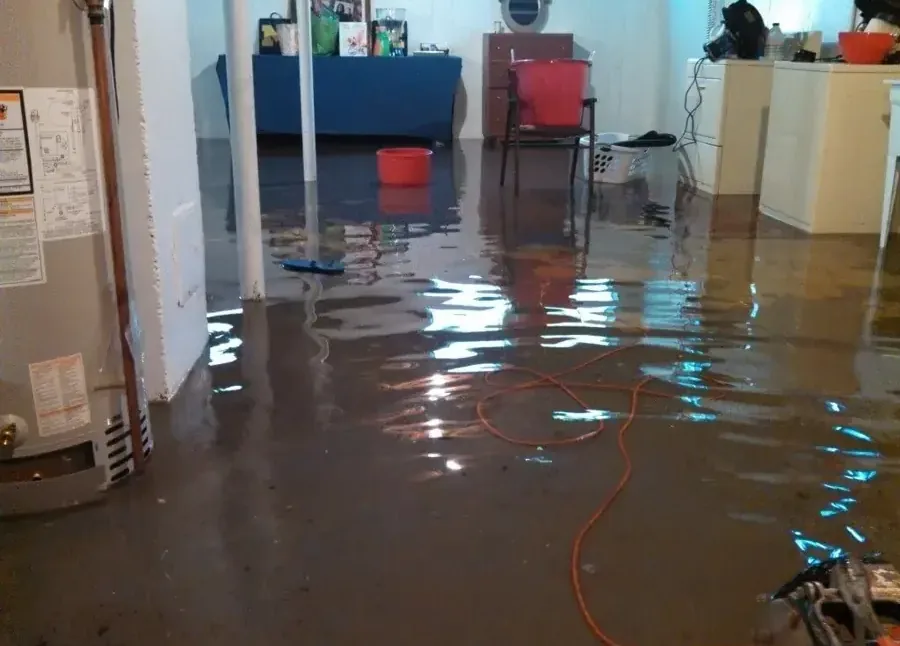
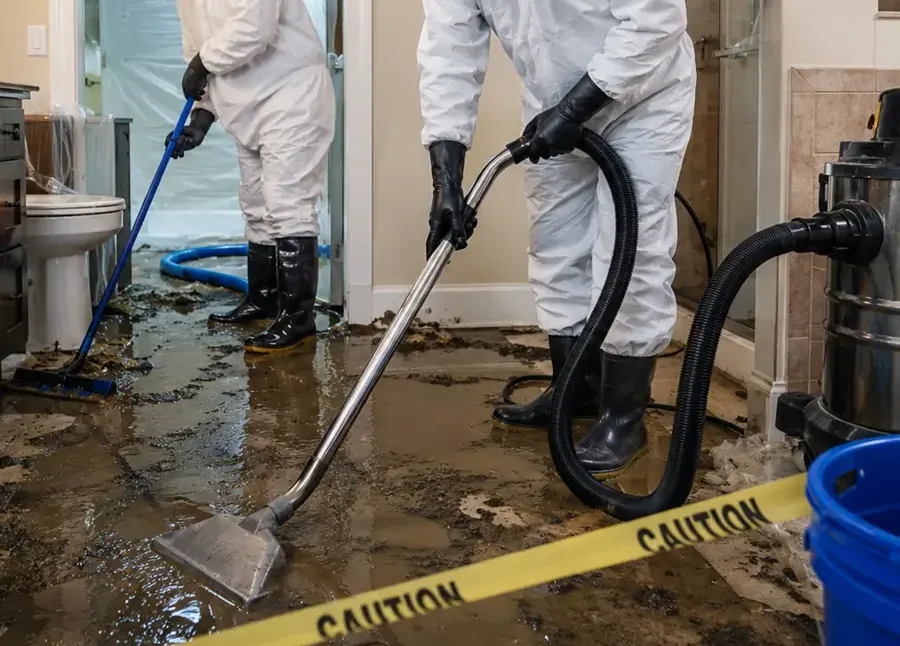
Storm Flood Cleanup questions in Easton, MA
Still dealing with it?
Report the entry point, sediment and rooms reached by outside water so the cleanup assessment can define safe access.
(888) 480-6221Discuss the indoor flood conditions01Is clear floodwater safe to walk through?
Clear-looking water still needs assessment for contamination and electrical hazards. Occupants should remain outside the affected room until a safe approach and appropriate handling have been established.
02Does pumping remove the entire flood impact?
No. Sediment and absorbed water can remain after pumping. The cleanup scope also needs material assessment, accessible surface cleaning and drying of the retained building layers.
03Why might floor coverings need removal?
Outside water can carry residue beneath them or saturate porous backing. Removal decisions depend on contamination and whether the underlying assembly can be accessed and treated effectively.
04Can household traffic spread residue?
Footwear and moved contents can carry sediment into clean spaces. Restricting traffic and organizing the handling route helps keep the affected area contained during cleanup.
05Should fans start before cleaning?
Equipment placement should follow an assessment of contaminated materials and residue. Drying does not replace cleaning or removal of porous finishes that cannot be retained.
06What details help describe the flood?
The entry point, visible water marks, continuing flow and affected rooms are useful. Photos taken safely preserve those conditions before removal and cleaning alter the scene.
Plan beyond pumping out the water
Arrange a assessment of affected finishes, cleaning access and retained materials so the storm cleanup includes what remains after the water recedes.