Storm Flood Cleanup in Mansfield
Outside water can leave sediment and contamination across rooms that looked unaffected earlier. Mansfield flood cleanup starts with safe entry, the actual water route and material handling decisions before the affected space moves toward drying.
(888) 480-6221Describe the flood entry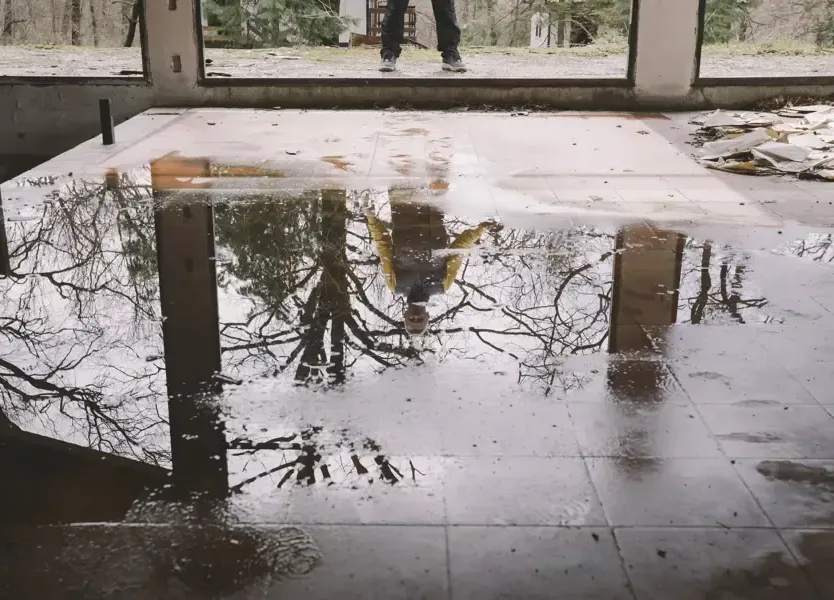
First steps for storm flood cleanup in Mansfield
- 1
Wait for safe entry
Keep people and pets outside flooded rooms until electrical and structural hazards have been assessed and safe entry established.
- 2
Document the water route
From a dry position, record where water entered and the areas it reached. Sediment marks and wet belongings can help preserve the original boundary after the pool recedes.
- 3
Leave contaminated items separated
Leave soaked belongings separated from dry rooms. Assessment should establish a handling route and distinguish contents needing removal from items that may receive appropriate cleaning after exposure.
- 4
Report current site conditions
Describe continuing entry, affected utilities and occupied rooms. These details establish priorities for water recovery, controlled material handling and cleaning before retained assemblies begin drying.
How storm flood cleanup work is done in Mansfield
Muddy water at a doorway tells a different cleanup story from an isolated indoor supply spill. The assessment must establish the entry route, the surfaces contacted and the condition of belongings in that path. Mansfield's Canoe River, Rumford River and Wading River are part of the Taunton River Watershed. At an affected building, the work begins with the water actually present and the rooms it reached.
What does storm flood cleanup cost in Mansfield, MA?
Storm flood cleanup costs in Mansfield depend on contamination, sediment, affected rooms and material removal. The estimate should identify recovery and cleaning needs before the drying scope is set for retained building materials and exposed assemblies.
Limited outside entry
$3,000 to $5,000
Several contaminated rooms
$5,000 to $10,000
Extensive flood damage
$10,000 to $20,000+
Ranges are typical, not a quote: category of water, square footage, material class and how fast drying started move the number most. Run the water damage cost calculator for a closer range.
The storm flood cleanup process in four steps
The drying plan follows the materials, water category and access conditions recorded during inspection. Technicians compare repeat measurements with an unaffected reference and adjust equipment when moisture stops falling.
Step 1 Establish the affected boundary
The assessment records the entry route, water condition and contact surfaces, then identifies safe access for inspecting rooms and handling contaminated materials during cleanup.
Step 2 Recover water and separate contents
Accessible floodwater is removed while belongings and porous finishes receive handling decisions suited to their exposure, condition and location within the affected room.
Step 3 Clean before moving drying air
Removal and surface cleaning address contaminated areas first, creating a suitable starting condition for equipment that will dry the retained exposed building materials.
Step 4 Verify the retained assembly
Readings follow moisture in the materials left after cleaning, and the closing record identifies completed work alongside any continuing entry issue or remaining finish needs.
Control access before disturbing wet materials
Outside water can leave deposits after the visible pool recedes. Walking through the area or carrying soaked items into dry rooms may spread the affected boundary. Inspection should establish a controlled route for equipment and removed materials, while electrical hazards and unstable finishes receive attention before ordinary cleanup activity begins in the flooded space.
- Keep occupants away from water and deposited sediment.
- Photograph the apparent entry point from a safe position.
- Identify belongings that sat in or contacted the floodwater.
- Report ongoing entry before extraction equipment is selected.
Decide what can remain after contact
Material decisions depend on contamination, absorbency and physical condition. A washable hard surface and a saturated layered furnishing require different handling. The cleanup scope should identify what is removed, what receives cleaning and which retained assemblies need further access. This makes the path toward drying clearer than a simple promise to remove all visible water.
The town's stormwater program targets phosphorus and solids in runoff. Sediment inside a property deserves direct attention in the cleanup record, including deposits behind contents and along the lower edges of walls where water collected.
Dry the cleaned and exposed assembly
Once recovery and material handling have addressed the affected space, structural drying can focus on retained building materials. Readings should include the wet perimeter and concealed layers exposed during removal. The record needs to show how cleaning, removal and drying fit together, with any remaining source or access issue stated before finishes are replaced.
- Separate contaminated material movement from dry household circulation.
- Record which surfaces were cleaned before equipment placement.
- Monitor retained wall bases and exposed floor layers.
- Assess new water entry as a change to the scope.
Storm flood cleanup across Mansfield and nearby towns
Flood cleanup is available across Mansfield, including Whiteville and Purdy Corner. The scope follows the property's actual entry route, affected materials and access conditions, with contamination and sediment addressed before retained assemblies receive drying equipment.
The same service nearby: storm flood cleanup in Stoughton, Easton, Brockton.
Related water damage services in Mansfield
Storm Flood Cleanup questions in Mansfield, MA
Still dealing with it?
Outside water entry requires a clear description of the contact surfaces, sediment and belongings affected inside the building.
(888) 480-6221Explain the flood contact areas01Can floodwater be treated like a supply spill?
Outside water needs assessment for contamination and debris. Those conditions change material handling and cleaning decisions before drying equipment is introduced to the affected space.
02Why keep soaked contents inside the affected area?
Uncontrolled movement can carry contamination into dry rooms. The assessment should establish a handling route and appropriate decisions for each item before it is relocated.
03Does clear looking water need assessment?
The entry route and contact history determine how water is assessed, even when it looks clear. Those findings shape handling decisions for surfaces, belongings and absorbent finishes.
04Are river locations used to determine the scope?
The cleanup scope follows actual water entry and observed damage at the building. Room conditions, contamination and material access establish what work the property needs.
05When can drying equipment begin operating?
Equipment placement follows safe access and appropriate cleaning or removal decisions. The retained materials then need a drying arrangement that addresses moisture without spreading contamination.
06What if water enters again during cleanup?
The changed condition needs a documented reassessment. Renewed entry can affect the cleanup boundary, contamination decisions and the equipment plan for the previously affected rooms.
Plan recovery around the actual outside water entry
Describe the entry route and current room conditions so the assessment can establish safe recovery, controlled material handling and the next drying steps.