Basement Water Removal in Mansfield
A wet basement needs a safe route to the affected floor before recovery can begin. Mansfield basement water removal assesses the source, utilities, stored contents and wall bases to establish a practical extraction and drying sequence.
(888) 480-6221Describe the basement water condition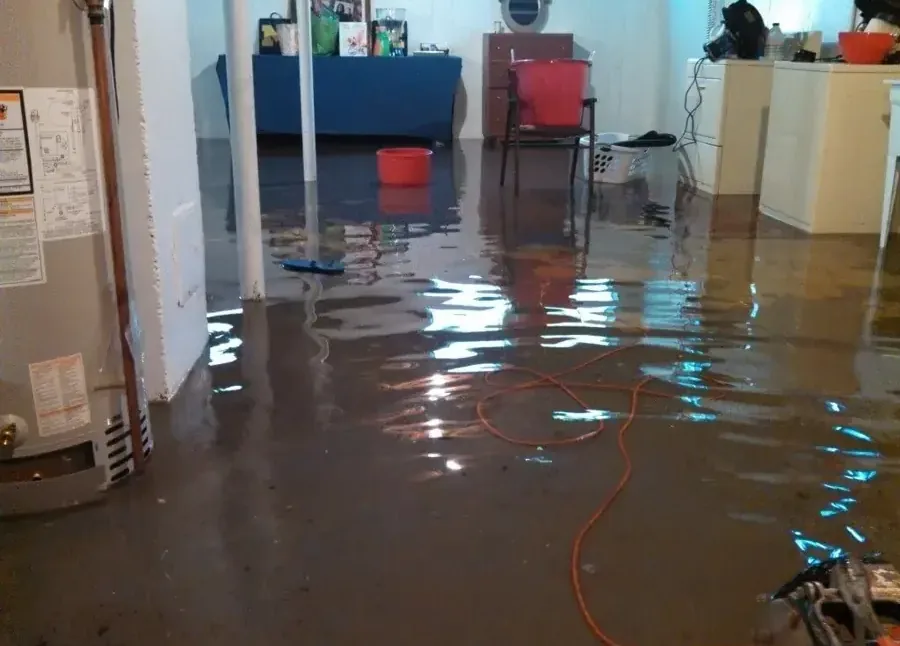
First steps for basement water removal in Mansfield
- 1
Stay above unsafe water
Stay outside a flooded basement while electrical equipment, stair access and other lower level hazards await assessment. Belongings can be evaluated after safe entry is established.
- 2
Describe the lower space
Describe finished walls, stored belongings and utility equipment near the basement water. These conditions influence recovery routes and the material checks needed beyond the open floor.
- 3
Identify ongoing water entry
Mention whether the water level is changing and any suspected source. Continued inflow affects extraction planning and must be addressed before a stable drying scope can be established.
- 4
Keep upper rooms protected
Avoid bringing wet contents upstairs before their condition is assessed. A planned handling route helps separate damp or contaminated belongings from unaffected living areas during the cleanup work.
How basement water removal work is done in Mansfield
Water at the foot of basement stairs can make the usual approach unsafe before the full loss is visible. For an affected basement in Purdy Corner, the assessment begins with entry conditions and the source of the water. The presence of equipment, stored belongings and finished walls changes how recovery can proceed. The scope needs to account for those obstacles while establishing where the water has collected across the lower floor.
What does basement water removal cost in Mansfield, MA?
Basement water removal costs in Mansfield depend on access, water condition, contents and affected finishes. A finished lower level may need material removal and drying beyond extraction, while ongoing entry or difficult equipment routes can change the proposed scope.
Limited lower-level loss
$1,500 to $3,000
Finished basement wetting
$3,000 to $7,500
Complex lower-level flooding
$7,500 to $15,000+
Ranges are typical, not a quote: category of water, square footage, material class and how fast drying started move the number most. Run the water damage cost calculator for a closer range.
The basement water removal process in four steps
The drying plan follows the materials, water category and access conditions recorded during inspection. Technicians compare repeat measurements with an unaffected reference and adjust equipment when moisture stops falling.
Step 1 Assess the lower level approach
Inspection establishes safe stair and utility access, identifies continuing water entry and maps the surfaces needing recovery or further material assessment.
Step 2 Recover water and manage stored items
Extraction proceeds with a defined equipment route, while contents receive separate handling decisions that preserve access to floor edges and avoid spreading moisture into dry upper rooms.
Step 3 Inspect the exposed lower assemblies
After extraction, checks behind contents and along wall bases identify retained moisture and the openings needed for cleaning or effective drying of the exposed assembly.
Step 4 Record the condition after drying
Closing notes document retained material readings, source status and remaining finish work before the lower space returns to use.
Establish access without crossing hazards
Electrical equipment and wet utility areas need appropriate assessment before entry or operation. A homeowner should not descend into standing water to reach switches or retrieve belongings. The cleanup plan should identify a safe equipment route, the condition of the stairs and how recovered water or removed materials will be handled without affecting dry upper rooms.
- Describe visible water from a safe position above the area.
- Report utilities or equipment located near the affected floor.
- Identify any continuing source or new water entering below.
- Keep occupants away from uncertain lower level access.
Separate contents from the building assembly
Stored boxes and furnishings can hide wet wall edges and restrict equipment placement. Their condition needs assessment before movement, particularly when the water source involves contamination. Once access is available, inspection should include lower wall finishes, floor layers and concealed areas behind contents. Those materials can need further attention after the open floor has been cleared.
In Whiteville and Robinsonville, a service request for an affected basement should describe its actual finishes and storage arrangement. Specific information about wall coverings and stored contents helps the assessor decide which areas need attention first and where equipment can enter.
Follow removal with lower assembly drying
Water extraction removes recoverable water, while subsequent readings locate moisture left in the wall bases and flooring. Necessary cleaning and removal decisions come before equipment begins drying retained materials. The final record should explain the lower level condition, the source status and any access or finish work that remains after recovery.
- Check behind moved contents for previously concealed wet surfaces.
- Record the floor and lower wall moisture boundary.
- Explain any removal needed to reach retained framing.
- Reassess continued inflow before considering the recovery phase complete.
Basement water removal across Mansfield and nearby towns
Basement water removal serves affected properties in Purdy Corner, Whiteville and Robinsonville. Planning follows the actual lower level construction, access route and source condition, with attention to stored contents and moisture retained along the bottom of walls.
The same service nearby: basement water removal in Stoughton, Easton, Brockton.
Related water damage services in Mansfield
Basement Water Removal questions in Mansfield, MA
Still dealing with it?
Basement recovery begins with safe access and a clear picture of the water, utilities and belongings at the lower level.
(888) 480-6221Discuss the lower level loss01Is it safe to enter a wet basement?
Entry depends on electrical, structural and other conditions. Standing water near utilities or an uncertain stair approach needs appropriate assessment before a homeowner enters the lower level.
02Does pumping out water complete the work?
Recovery removes accessible water, but lower wall finishes and floor layers may remain damp. Material checks establish the cleaning, removal and drying needed after the pool is gone.
03Should stored boxes be moved upstairs?
Their condition and the water source need assessment first. Unplanned movement can carry dampness or contamination into dry living spaces and hide the original affected boundary.
04What changes when basement walls are finished?
Finished layers can restrict access to wet framing and wall bases. The scope should explain necessary openings and how retained material will receive effective drying attention.
05Can drying start while water keeps entering?
Continuing entry changes the scope and can undermine progress. The source status needs attention alongside protective recovery work before the drying plan can be treated as stable.
06What details help plan a basement inspection?
The stair route, utility locations, finishes and stored contents are useful. Information about ongoing entry also helps identify which conditions need attention before equipment reaches the affected floor.
Establish a workable route to the basement water
Describe the stairs, affected finishes and current water entry so the assessment can plan recovery, contents handling and drying of the lower assemblies that remain wet.