Easton Basement Water Removal
A flooded basement needs an access assessment before anyone crosses the water. Removal planning considers the entry source, current conditions and affected contents, then follows moisture into wall bottoms, floor layers and enclosed storage spaces.
(888) 480-6221Assess the wet lower level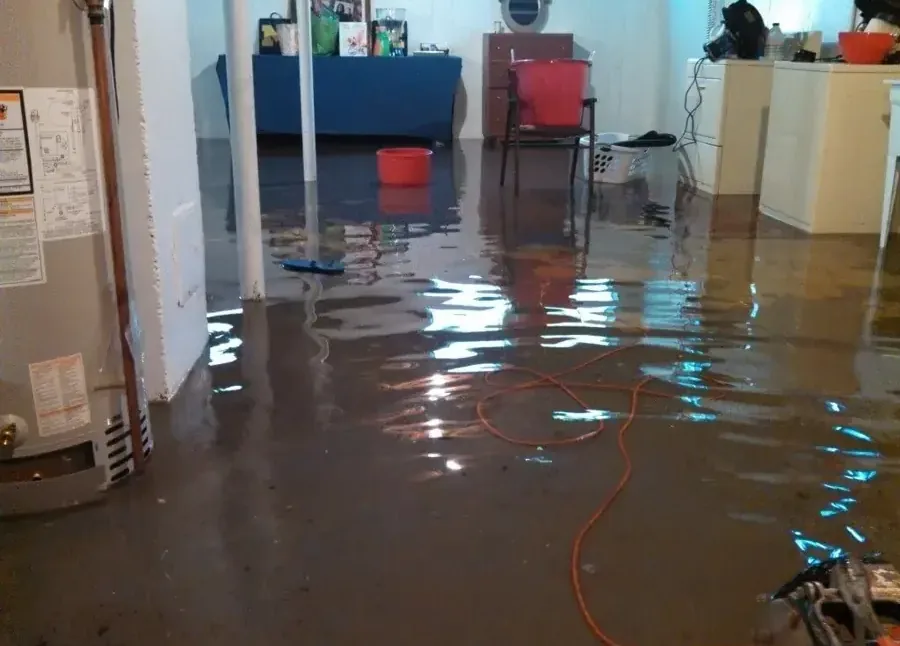
First steps for basement water removal in Easton
- 1
Stay at a dry access point
Avoid descending into water around electrical equipment or uncertain building conditions. A safe approach must be established before occupants move stored contents or attempt removal in the basement.
- 2
Describe the present entry condition
Report whether water appears to come from a pipe, drain or outdoors and whether the level is changing. These observations help determine the recovery assessment's starting point.
- 3
Identify finished and storage areas
Mention carpet, wall coverings, equipment and boxed belongings affected by the water. Their arrangement can hide the full boundary and change the access needed for cleanup.
- 4
Capture the original lower-level view
Photograph water and marks from a safe position. Include the stair landing and doorway views so the record shows how separate basement spaces connect.
How basement water removal work is done in Easton
The view from the basement stairs may show only part of the wet area. Water can extend behind stored boxes, beneath finished flooring and into separate rooms beyond the landing. An Easton basement assessment begins with safe access and the reported source. A pipe release, drain overflow and outside entry need different handling decisions, even when each leaves a similar-looking pool across the lower-level floor.
What does basement water removal cost in Easton, MA?
Basement cleanup costs in Easton depend on safe access, water condition and the finishes reached below the main floor. A simple open area needs a different scope from contamination beneath flooring and behind several finished wall sections.
Limited lower-level loss
$1,500 to $3,000
Finished basement wetting
$3,000 to $7,500
Complex lower-level flooding
$7,500 to $15,000+
Ranges are typical, not a quote: category of water, square footage, material class and how fast drying started move the number most. Run the water damage cost calculator for a closer range.
The basement water removal process in four steps
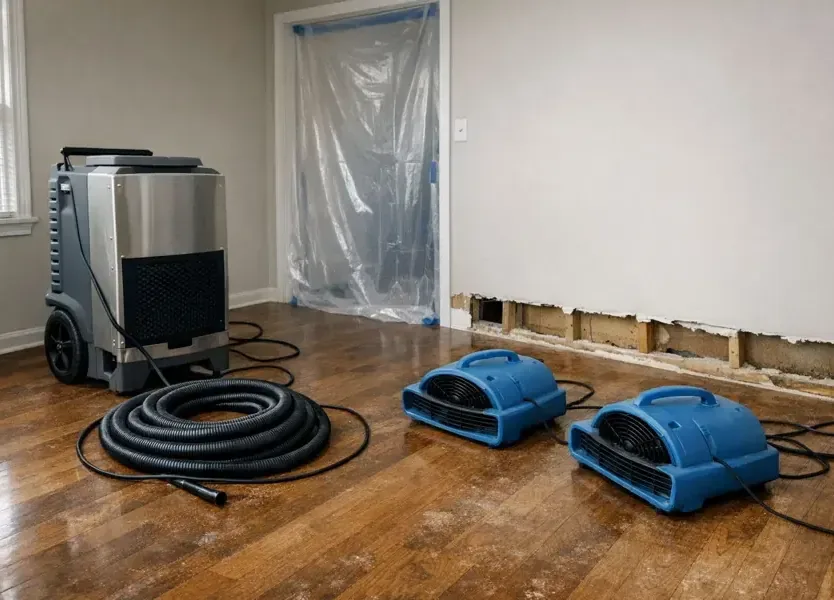
The drying plan follows the materials, water category and access conditions recorded during inspection. Technicians compare repeat measurements with an unaffected reference and adjust equipment when moisture stops falling.
Step 1 Assess the approach and water source
The initial assessment identifies safe entry, ongoing inflow and the condition of water around equipment and contents before a suitable recovery sequence is established.
Step 2 Recover water across the accessible basement
Removal follows the room arrangement and current conditions, with attention to separate spaces and corners that cannot be seen from the stair landing alone.
Step 3 Expose affected edges and cleaning needs
Contents handling and selected openings reveal wet wall bases and floor layers, allowing material decisions and surface treatment to reflect the full lower-level boundary.
Step 4 Dry retained materials and record completion
Equipment and measurements follow the remaining assemblies, while closing documentation distinguishes completed restoration from outstanding entry correction, contents decisions or later replacement finishes.
Understand entry before choosing the removal sequence
Hockomock Swamp Wildlife Management Area occupies part of southeastern Easton, and Wheaton Farm Conservation Area lies in the southwest. Borderland State Park occupies part of the northwest. At the affected property, the inspection records where basement water actually enters, whether it continues and what equipment or building conditions affect a safe approach to recovery.
- Water near electrical equipment requires restricted entry and assessment.
- Continuing inflow can change the timing and method of recovery.
- Drain contamination affects contents handling and cleaning decisions.
- Finished wall bottoms can conceal moisture behind intact paint.
Reach the edges hidden by storage and finishes
Removing pooled water makes the remaining damage easier to see. Stored contents may need controlled movement to expose corners and wall bases. Carpet, pad and other porous materials require assessment according to the water condition and their physical state. A narrow wet strip along a finished wall can indicate a larger affected cavity behind it.
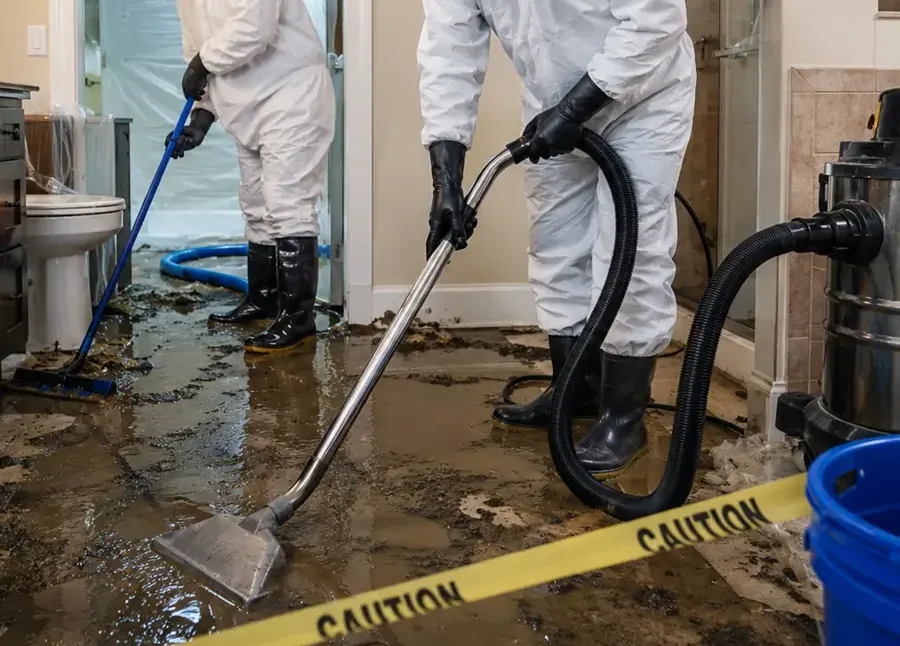
When outside water leaves sediment, storm flood cleanup addresses the additional material and surface treatment needs. Pumping alone does not remove residue from beneath coverings.
Complete the lower-level drying assessment
Retained wall sections, framing and floor layers need an appropriate drying path after accessible water is recovered. The plan should explain any necessary openings and the equipment arrangement around remaining contents. Progress checks then focus on the materials that stay in the building. Final notes identify completed cleanup, closing moisture findings and any unresolved entry or finish work, giving the owner a clear account of what remains before storage or ordinary room use resumes.
Basement water removal across Easton and nearby towns
Basement assessment in Easton begins with the actual property access and source conditions. Details about the lower-level layout, wet finishes and stored belongings help organize water recovery and the material assessment that follows.
The same service nearby: basement water removal in Stoughton, Mansfield, Brockton.
Related water damage services in Easton
Basement Water Removal questions in Easton, MA
Still dealing with it?
Describe the basement entry point, water condition and affected storage or finishes so the assessment can establish a safe recovery approach.
(888) 480-6221Discuss the basement water conditions01Should occupants enter to switch off wet equipment?
Water around electrical equipment requires a safe assessment. Occupants should remain at a dry access point and avoid touching controls or crossing the flooded area.
02Does every basement pool come from outside?
No. Pipes and drains can also release water below the main floor. The source and water condition should be established before recovery and cleaning decisions are made.
03Why inspect behind basement storage?
Boxes and furniture can conceal wet corners and wall bottoms. Safe access to those surfaces helps define the full affected boundary after open floor water is removed.
04Can finished walls stay closed after extraction?
Their condition and hidden moisture determine access needs. Wall bottoms may require inspection or selective opening to provide a drying path for layers behind the visible finish.
05Is pumping enough when sediment remains?
Sediment requires cleaning access and material assessment. Water removal exposes that work but does not replace treatment of contacted surfaces or disposal decisions for affected porous layers.
06When can stored items return to the room?
The affected surfaces should complete the necessary cleaning and drying first. The closing assessment identifies treated areas and any remaining work before contents are put back against them.
Make the lower-level cleanup complete
Request water removal with a assessment of concealed wall bottoms, floor layers and cleaning needs, followed by a clear account of remaining drying and source work.