Storm Flood Cleanup in Brockton
Water entering from outdoors brings a different cleanup problem from a contained supply spill. Recovery begins with safe access and water condition, followed by sediment removal, material decisions and drying of the retained structure.
(888) 480-6221Discuss outside water entry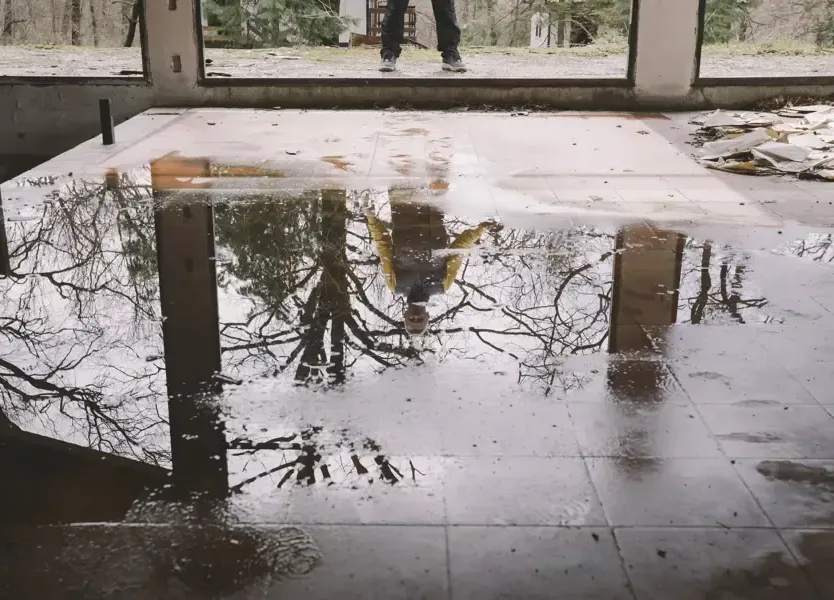
First steps for storm flood cleanup in Brockton
- 1
Avoid unassessed floodwater
Stay outside affected rooms until electrical conditions, unstable materials and contamination are evaluated. A doorway photograph is preferable to walking through floodwater to inspect belongings.
- 2
Describe the outdoor entry
Describe where water appeared and whether entry continues. The doorway, opening and affected level help focus recovery planning while occupants remain outside unsafe areas.
- 3
Keep clean routes separate
Do not carry muddy contents through unaffected living areas. The work plan should identify a removal path and a place for documented materials before recovery changes the room.
- 4
Record the affected contents
Photos and a written list can preserve the condition of furniture and stored belongings. Disposal and handling decisions should be coordinated before items are moved out of the property.
How storm flood cleanup work is done in Brockton
Muddy water across a threshold changes more than the appearance of a room. Sediment can settle beneath furniture and in floor joints, while porous finishes absorb water that needs careful handling. For a Brockton property, the cleanup assessment starts with the actual entry and current building condition. It then follows contact through the room so extraction, removal and cleaning address the affected surfaces in an organized sequence.
What does storm flood cleanup cost in Brockton, MA?
Storm flood cleanup costs in Brockton reflect contamination, sediment, affected materials and access. The scope should distinguish recovery and cleaning from retained material drying, with disposal needs and later finish replacement described clearly for assessment.
Limited outside entry
$3,000 to $5,000
Several contaminated rooms
$5,000 to $10,000
Extensive flood damage
$10,000 to $20,000+
Ranges are typical, not a quote: category of water, square footage, material class and how fast drying started move the number most. Run the water damage cost calculator for a closer range.
The storm flood cleanup process in four steps
The drying plan follows the materials, water category and access conditions recorded during inspection. Technicians compare repeat measurements with an unaffected reference and adjust equipment when moisture stops falling.
Step 1 Assess entry and access
The initial assessment identifies the water route, current hazards and usable entrance before defining the affected work area and the movement of recovery equipment.
Step 2 Recover water and debris
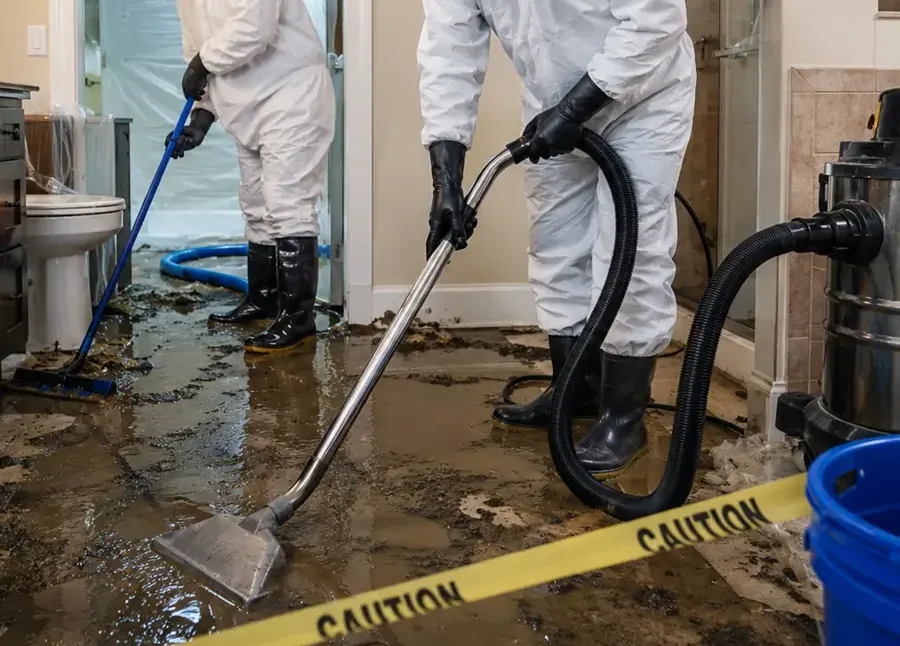
Standing liquid and deposited sediment are addressed with handling suited to their condition, while the contents record preserves what was affected before materials leave.
Step 3 Clean retained interior surfaces
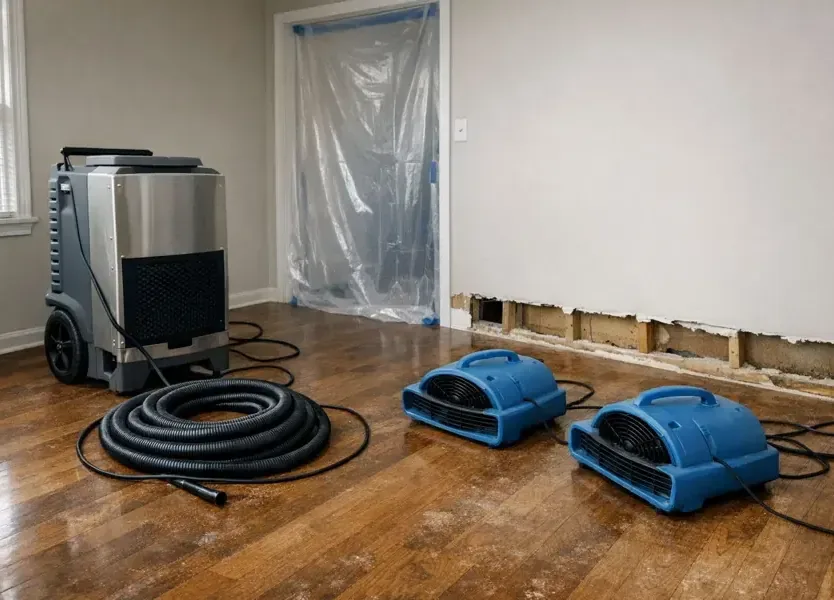
Removal decisions expose the surfaces that can remain, allowing cleaning and condition checks before drying equipment is arranged around the retained building materials.
Step 4 Track the retained assembly
Material observations document drying progress and readiness for subsequent work, with remaining entry concerns and finish replacement kept distinct in the final project notes.
Start with the building's entry route
The Salisbury Plain River lies along the urban area, and Waldo Lake is within D.W. Field Park. At an affected building, the inspection records where outside water arrived and which interior levels it reached. Montello callers can describe wet doorways, visible sediment and whether water remains active from a safe position outside the affected space.
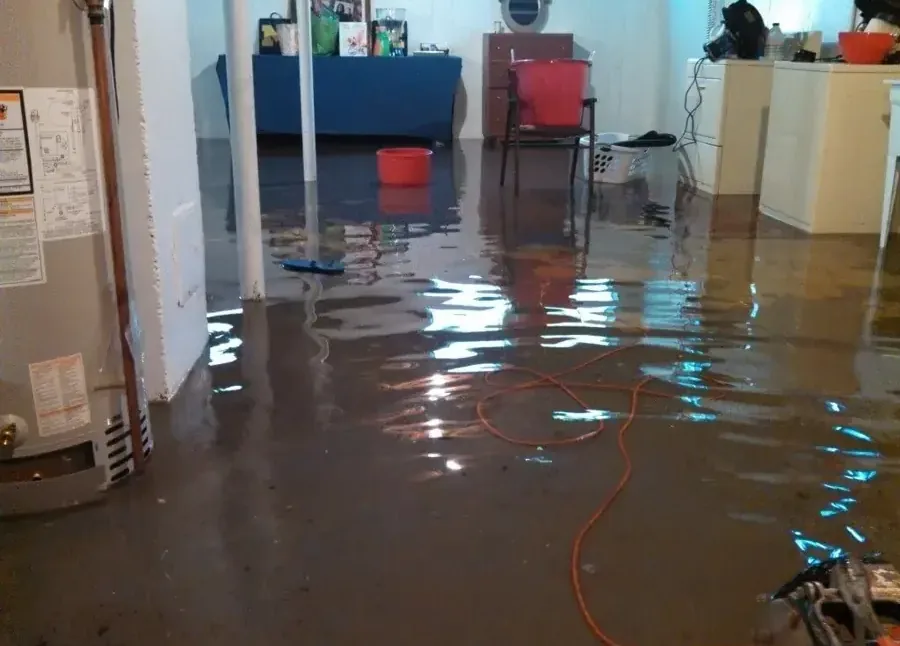
Electrical condition, overhead damage and contaminated contact need evaluation before occupants walk through a flooded room. A dry access route should be preserved for assessment and recovery. Belongings moved across that route can carry water and sediment into areas that were previously unaffected.
Sort materials by contact and condition
Outside water cleanup is more than a pumping task. Affected porous materials may need removal, while retained surfaces require cleaning appropriate to their condition. The scope should explain each decision and record contents before disposal or relocation.
- Photograph sediment marks and wet contents from safe footing.
- Identify floor layers that trap water underneath.
- Keep removed materials separate from clean occupied spaces.
- Check wall bases beyond the visible standing water.
Dry what remains after controlled cleaning
In Campello, the room layout and available entrances determine how equipment and removed materials can move through the property. Once recoverable water and affected debris are addressed, cleaned retained materials can be assessed for structural moisture removal. Their condition should be measured rather than judged only by the absence of mud.
The project record should preserve the entry description, material decisions and progress checks. That gives the owner a usable distinction between flood cleanup, remaining repairs and any measures needed to address recurring entry. Finishes should return only after the retained assembly's condition has been reviewed.
Storm flood cleanup across Brockton and nearby towns
Storm water interior cleanup covers Brockton, including Montello and Campello. Useful first details are the entry location, affected rooms, remaining standing water and whether a dry route into the building is available.
The same service nearby: storm flood cleanup in Stoughton, Easton, Braintree.
Related water damage services in Brockton
Storm Flood Cleanup questions in Brockton, MA
Still dealing with it?
Outside water, deposited mud and soaked contents need an assessment that establishes safe access before the room is disturbed.
(888) 480-6221Discuss the flood entry01Is outside water treated like a supply leak?
Outside entry can carry sediment and contaminants. Its handling and material decisions need to reflect that condition before affected surfaces are considered suitable for cleaning, retention and subsequent drying.
02Can a household fan begin the cleanup?
Equipment should follow assessment of contamination and electrical safety. Unplanned airflow can disturb contaminated material, and drying alone does not remove sediment or address affected porous finishes.
03Should wet belongings be discarded immediately?
The contents condition should be documented safely before disposal decisions. Handling requirements and any insurer documentation needs can then be addressed without losing the record of affected items.
04Why check walls when water stayed shallow?
Wall bases and concealed floor edges can absorb or trap water beyond the visible pool. Their condition helps determine access and removal needs even after the open floor has cleared.
05Does nearby water geography determine the work?
The cleanup scope follows the entry observed at the property, water contact and affected materials. The assessment records those conditions before setting recovery, cleaning and drying tasks for the interior.
06What remains after sediment is removed?
Retained surfaces still need appropriate cleaning and moisture assessment. Drying progress should be recorded before replacement finishes conceal the assembly, with any continuing water entry addressed as a separate concern.
Organize recovery after water arrives from outdoors
Describing the entry point, affected level and visible sediment helps define controlled removal, cleaning and the drying needs of retained interior materials.