Braintree Storm Flood Cleanup
Floodwater brings more than a wet floor into a building. Braintree storm cleanup considers access, sediment and affected porous materials before choosing extraction methods and preparing retained surfaces for cleaning and drying.
(888) 480-6221Discuss outside water entry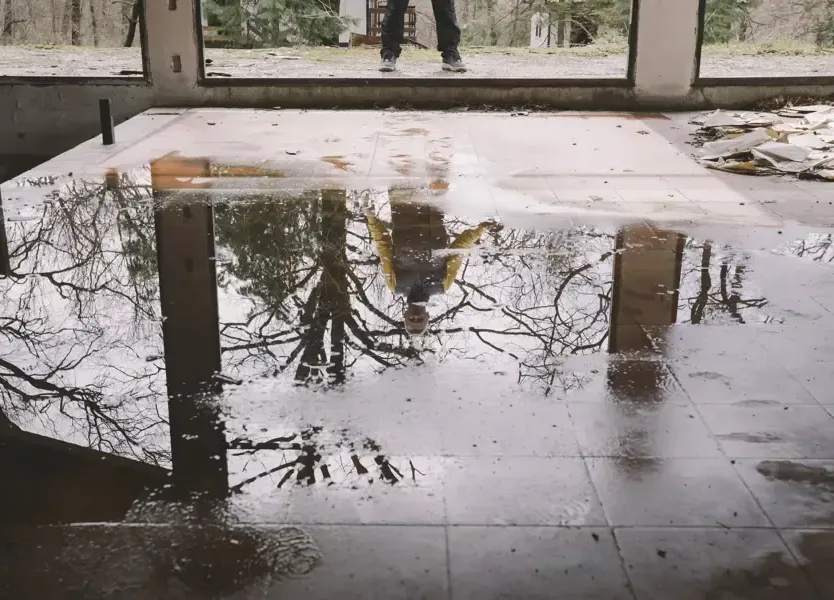
First steps for storm flood cleanup in Braintree
- 1
Wait for safe access
Current restrictions and the condition of the approach determine entry. Avoid walking or driving through floodwater to reach the property or recover possessions from inside.
- 2
Keep wet belongings separated
Items contacted by outside water should stay away from unaffected rooms. Their condition and handling need assessment before they are moved through clean household space.
- 3
Document accessible water marks
Photograph sediment, affected thresholds and visible damage from safe positions. Those details help establish the original water boundary before cleanup removes the marks.
- 4
Describe ongoing intrusion
Explain whether water is still entering and identify the affected building level. The recovery plan needs that information before equipment placement and disposal arrangements are established.
How storm flood cleanup work is done in Braintree
The March 2, 2018 nor'easter flooded the Smith Beach area and affected Watson Park. Reporting showed water on Edgehill Road near Vinedale Road, and police closed Howard Street between Quincy Avenue and Shaw Street. For a property facing outside water today, the first useful details are present access, whether entry continues and which indoor surfaces have been reached. Recovery starts only when the building and approach can be assessed safely.
What does storm flood cleanup cost in Braintree, MA?
Storm flood cleanup in Braintree is priced around contamination, sediment, damaged materials and safe equipment access. The estimate should explain removal and cleaning alongside extraction, then identify the retained components requiring monitored drying.
Limited outside entry
$3,000 to $5,000
Several contaminated rooms
$5,000 to $10,000
Extensive flood damage
$10,000 to $20,000+
Ranges are typical, not a quote: category of water, square footage, material class and how fast drying started move the number most. Run the water damage cost calculator for a closer range.
The storm flood cleanup process in four steps
The drying plan follows the materials, water category and access conditions recorded during inspection. Technicians compare repeat measurements with an unaffected reference and adjust equipment when moisture stops falling.
Step 1 Establish the recovery perimeter
Assessment defines safe access and surfaces contacted by outside water, then separates affected rooms from dry circulation and storage areas before cleanup begins.
Step 2 Recover liquid and affected materials
Extraction and selective removal address standing water and unsuitable porous finishes, with handling routes arranged to reduce tracking through the rest of the building.
Step 3 Clean the exposed retained structure
Sediment and residues are removed from accessible surfaces intended to remain, preparing those components for a controlled drying environment suited to their condition.
Step 4 Document moisture and remaining work
Measurements and photographs show the progress of retained materials, while the final scope record identifies finish replacement or separate building work still needed.
Keep the outside water boundary visible
A muddy footprint or damp doorway may mark only part of the affected area. Floodwater can pass under floor coverings and contact wall insulation at its base. The inspection should map surfaces exposed to outside water and distinguish them from dry rooms. That separation informs work routes, handling of belongings and protection for the rest of the property.
- Record sediment and visible water marks before cleaning.
- Include closets reached through shared flooring or doorways.
- Keep household traffic away from contaminated wet surfaces.
- Identify safe access for equipment and removed materials.
Removal and cleaning precede ordinary drying
Porous finishes affected by contaminated water may need disposal rather than retention. Decisions should be tied to each material, its condition and the feasibility of cleaning it. Sediment left in a cavity can remain after the surface dries, so extraction alone does not complete the recovery. Cleaning needs access to the surfaces intended to remain.
The town's stormwater program requires clean stormwater discharges. Recovered floodwater and cleanup wastewater therefore need disposal appropriate to their condition. The work plan should establish that handling route before extraction equipment starts moving liquid from the building.
Monitor the cleaned structure through recovery
Once damaged porous materials and residues are addressed, structural drying focuses on retained building components. Air movement belongs within a controlled plan suited to the cleaned work area. Repeat measurements help identify dense materials or concealed edges that need continued attention after the open room begins to look better.
- Track retained framing separately from removed finishes.
- Explain changes when new affected layers are exposed.
- Keep belongings separated until their condition is assessed.
- Record what remains before later building work begins.
A storm cleanup record should connect source conditions, disposal, cleaning and drying. That continuity gives the owner a useful account of the interior recovery after outside water recedes.
Storm flood cleanup across Braintree and nearby towns
Storm cleanup requests in Braintree can reference Smith Beach, Edgehill Road or another familiar location. The scheduling conversation should focus on present access restrictions, affected rooms and whether outside water continues entering.
The same service nearby: storm flood cleanup in Stoughton, Brockton, Westwood.
Related water damage services in Braintree

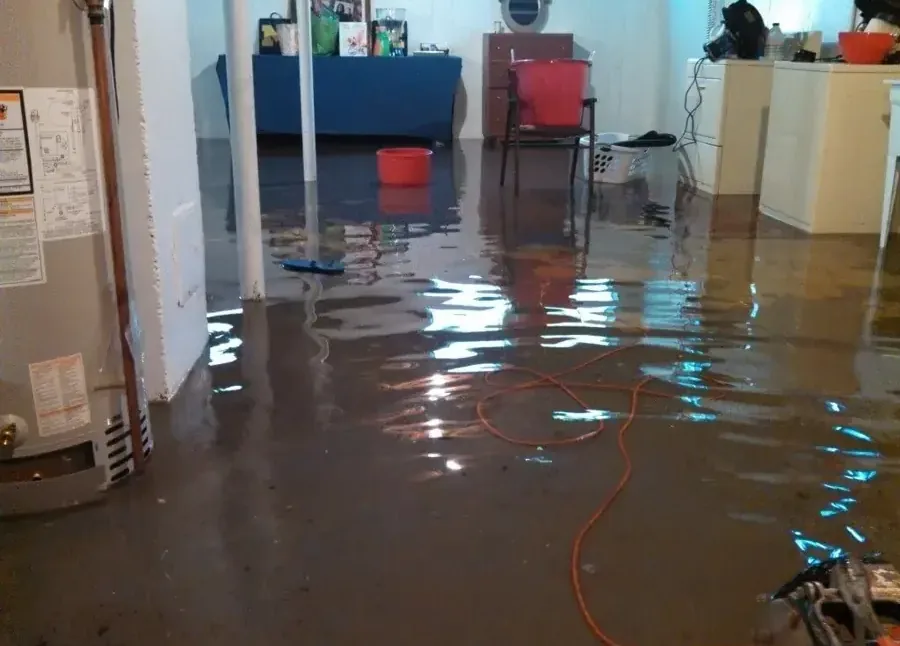
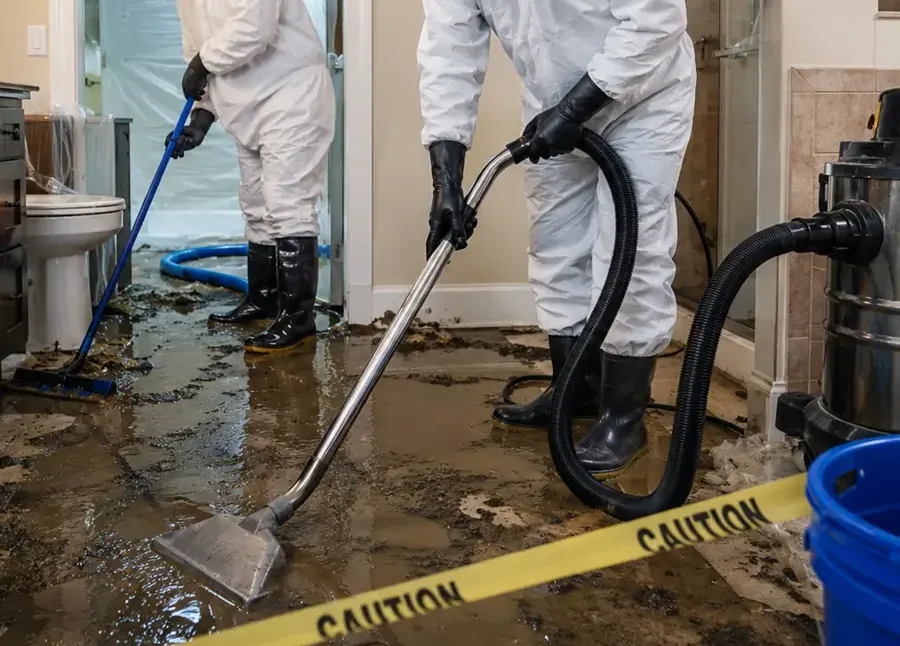
Storm Flood Cleanup questions in Braintree, MA
Still dealing with it?
Explain the current access and the rooms reached by outside water so recovery planning starts with the actual conditions.
(888) 480-6221Report the flood affected rooms01Can outside water be handled like a clean supply spill?
Floodwater can carry sediment and contaminants into the building. Its origin changes material handling and cleaning decisions, even when the visible water does not appear especially dirty.
02Should fans run as soon as water recedes?
Air movement should follow assessment of contamination and affected materials. Cleaning and removal may be necessary before drying equipment circulates air through the exposed work area.
03What if a road or entrance remains blocked?
Cleanup coordination needs a safe approach and building access. Current restrictions should be respected, and any blocked route should be described before equipment is scheduled for the property.
04Can upholstered belongings return after they feel dry?
Items contacted by outside water need individual assessment for contamination and condition. A dry surface alone is insufficient for deciding whether an affected household item can return.
05Why remove material behind a flood mark?
Water can enter floor layers and wall cavities beyond the visible mark. Selective access allows assessment, residue removal and drying of retained components that the finished face conceals.
06What records help after the flood cleanup?
Photographs, material disposal notes and moisture observations explain the scope. They should distinguish completed mitigation from later replacement work or any unresolved source and access issue.
Create an orderly path through storm recovery
A defined perimeter, appropriate water handling and documented treatment of retained materials help the property progress from outside intrusion to a clear interior recovery plan.