Braintree Water Extraction and Removal
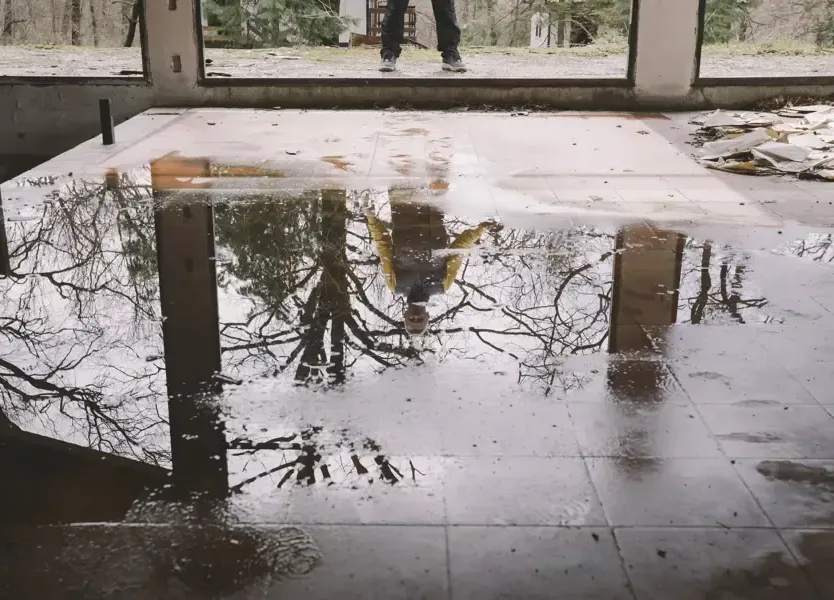
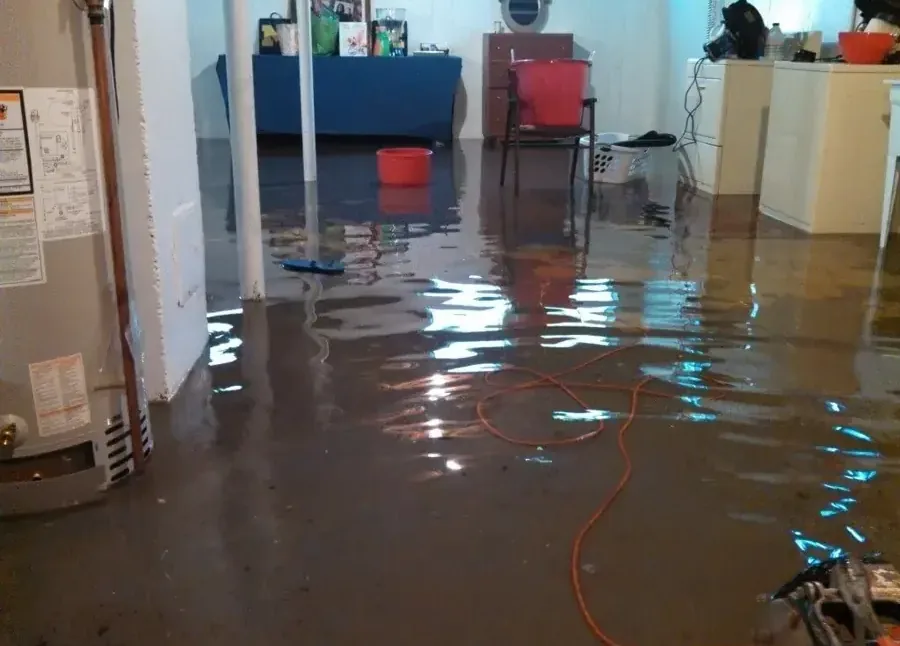
A water covered room can hide slippery transitions and wet electrical equipment. Extraction in Braintree begins with access and water quality, then removes accessible liquid so the underlying damage can be examined properly.
(888) 480-6221Arrange standing water recovery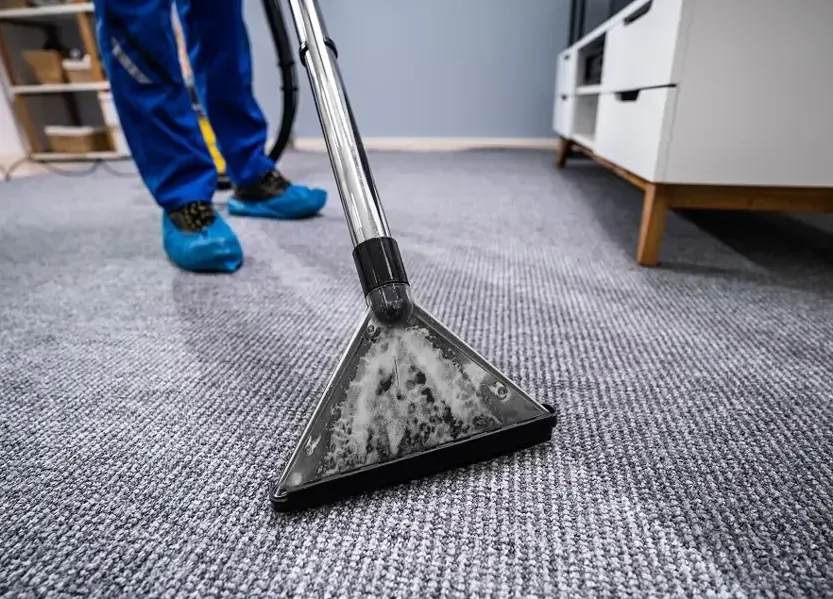
First steps for water extraction and removal in Braintree
- 1
Keep feet out of pooled water
A room with standing water may contain electrical hazards or obscured objects. Maintain a dry approach and prevent household traffic until someone qualified has assessed access.
- 2
Report the source and appearance
Describe whether the water came from a supply fixture, drain or outside entry. Mention discoloration and sediment so equipment and handling decisions start with useful information.
- 3
Protect reachable dry belongings
Items outside the wet area can be moved away from the work route when safe. Leave submerged devices and heavy wet furniture for assessed handling.
- 4
Prepare an access description
Explain the room level, doorway restrictions and stairs during scheduling. Those details help organize hoses, recovery equipment and the transfer of removed water through the property.
How water extraction and removal work is done in Braintree
Water extraction is most useful when it follows a clear recovery sequence. The source must be understood, equipment must reach the room safely and recovered water must have an appropriate disposal route. A household supply leak and outside floodwater leave different work behind. During the March 2, 2018 nor'easter, flooding affected Smith Beach and Watson Park, and water was reported on Edgehill Road near Vinedale Road. That event illustrates why a storm request should include current access conditions.
What does water extraction and removal cost in Braintree, MA?
Water extraction estimates in Braintree depend on accessible liquid, floor coverings, contamination and the route for equipment and recovered water. The price discussion should also identify cleaning or drying beyond extraction so an initially clear floor is not mistaken for completed restoration.
Limited clean-water recovery
$500 to $1,500
Multiple-room extraction
$1,500 to $3,000
Complex water removal
$3,000 to $8,000+
Ranges are typical, not a quote: category of water, square footage, material class and how fast drying started move the number most. Run the water damage cost calculator for a closer range.
The water extraction and removal process in four steps
The drying plan follows the materials, water category and access conditions recorded during inspection. Technicians compare repeat measurements with an unaffected reference and adjust equipment when moisture stops falling.
Step 1 Set recovery boundaries
The initial assessment identifies accessible water, water quality and the rooms that need isolation before tools move into the building.
Step 2 Select surface appropriate equipment
Recovery tools are matched to floor finishes and the amount of pooled liquid, with a practical arrangement for hoses and disposal.
Step 3 Inspect the exposed room
As standing water clears, floor edges and connected materials are assessed for trapped moisture, physical deterioration and residue requiring separate cleaning.
Step 4 Define the remaining moisture work
The handoff record lists materials still wet, explains any removal decisions and establishes where subsequent drying equipment and measurements will be needed.
Choose the recovery method around the room
The depth of pooled water is only part of equipment selection. A carpeted living area, a tile corridor and an unfinished concrete surface each need attention to what lies beneath. Furniture legs, cabinet bases and door thresholds can obstruct the recovery path. The crew should establish where extracted water will go before moving hoses through clean occupied spaces.
- Identify electrical concerns before approaching a wet floor.
- Keep dry rooms separate from the active recovery route.
- Check whether water continues entering during equipment setup.
- Record visible sediment or residue before surfaces are cleaned.
A cleared floor exposes the remaining problem
Once pooled water is removed, the room becomes easier to inspect. Carpet backing, padding and floor joints may still hold substantial moisture. Lower walls can also absorb water at their edges. The inspection should document those conditions rather than use the disappearance of the puddle as the only measure of progress. Contaminated materials may need removal before air movement begins.
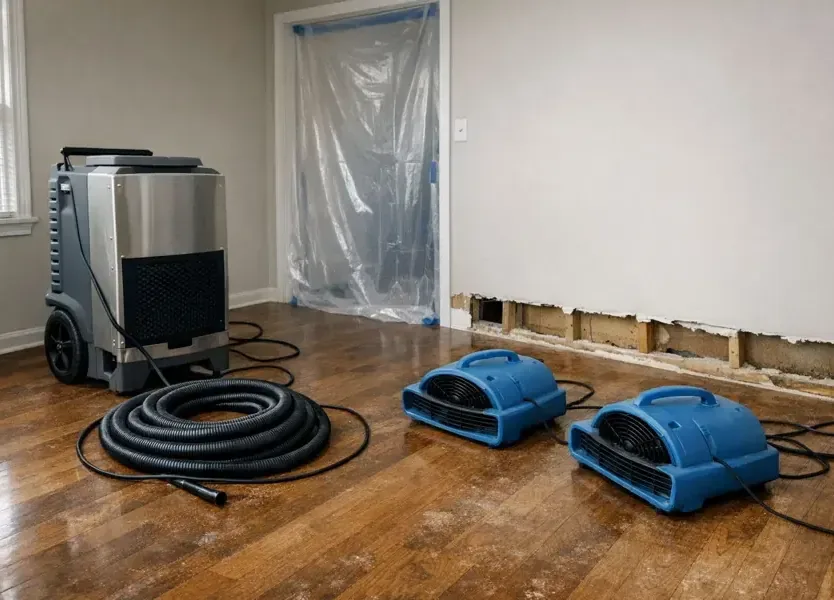
Where moisture remains in retained building components, structural drying provides the next stage. Extraction reduces the liquid load; controlled airflow and dehumidification then address moisture that cannot simply be recovered with a wand or pump.
Keep water handling and access organized
The municipal stormwater program calls for clean stormwater discharges, so extraction planning includes disposal suited to the water being removed. Indoor wastewater should be handled through an appropriate route. Equipment hoses must also be managed around doorways and shared passages so an otherwise dry access path does not become a tripping or tracking problem.
- Explain the rooms reached by extraction equipment.
- Mark areas awaiting cleaning or damaged material removal.
- Identify retained layers that still need moisture monitoring.
- Give the owner a practical description of the next phase.
A recovery record should show what liquid was removed and what remains to be addressed. That distinction makes the handoff to cleaning, controlled drying or separate source work easier to follow.
Water extraction and removal across Braintree and nearby towns
Braintree extraction requests can include homes near Smith Beach, Watson Park and other familiar locations. Scheduling should establish current property access, the affected level and whether the water source remains active.
The same service nearby: water extraction and removal in Stoughton, Brockton, Westwood.
Related water damage services in Braintree
Water Extraction and Removal questions in Braintree, MA
Still dealing with it?
Describe the pooled water, floor finish and route into the room to help establish the right starting point for recovery.
(888) 480-6221Discuss the pooled water01Is extraction the same as drying a room?
Extraction removes accessible liquid. Drying addresses the moisture still inside retained floors, walls and other building components. A room often needs both stages, with measurements identifying the materials that remain wet afterward.
02Can a household vacuum recover the water?
Ordinary household vacuum equipment is unsuitable for standing water. Water quality and electrical conditions also affect safe recovery, so the equipment choice should follow a professional assessment of the affected room.
03Does all wet carpet have to leave?
The water source, carpet condition and layers beneath it determine the decision. Padding and backing may retain moisture or contamination even when the top looks better after an extraction pass.
04What if outside water is still entering?
The access and entry conditions need reassessment before recovery proceeds. Ongoing intrusion can refill an area and change equipment needs, so the request should explain whether water levels are rising or stable.
05Why are adjacent rooms included in the inspection?
Water can cross beneath thresholds and move along the edges of floor coverings. Checking connected rooms helps locate concealed wetting that would otherwise remain after the obvious pooled area has cleared.
06What should an extraction invoice explain?
It should identify the affected spaces and recovery work, with separate descriptions for cleaning, disposal or drying that follows. That breakdown connects the charge to the actual condition of the property.
Move from standing water to a defined recovery scope
Controlled extraction makes the affected surfaces accessible for inspection. The next steps can then address residues, hidden wet layers and the drying needs of retained materials.