Water Extraction in Brockton
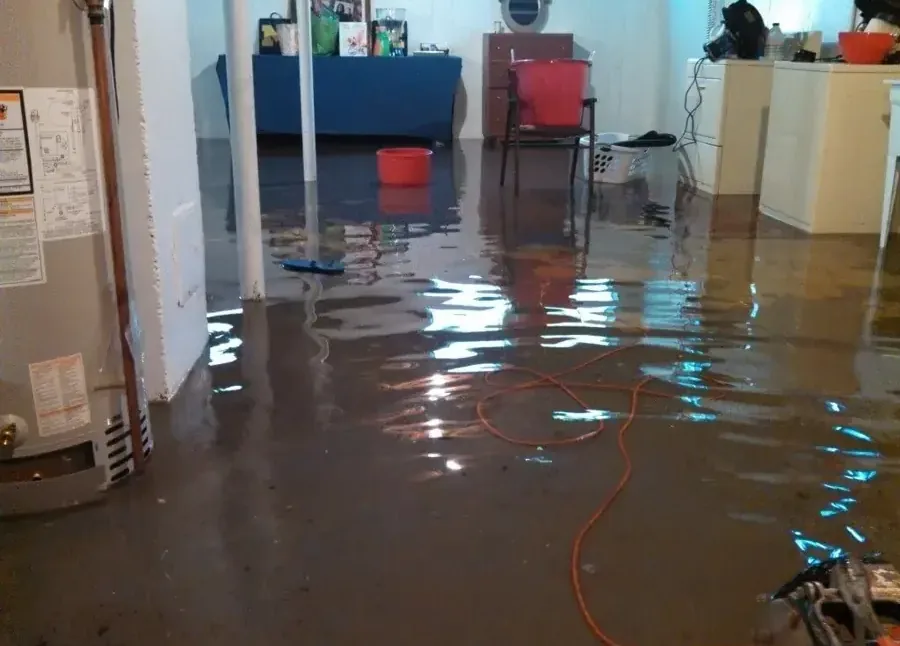
When a room holds standing water, the first task is safe recovery. Extraction addresses the liquid on accessible surfaces while assessment identifies the source, contamination and wet layers that still need attention afterward.
(888) 480-6221Discuss standing water removal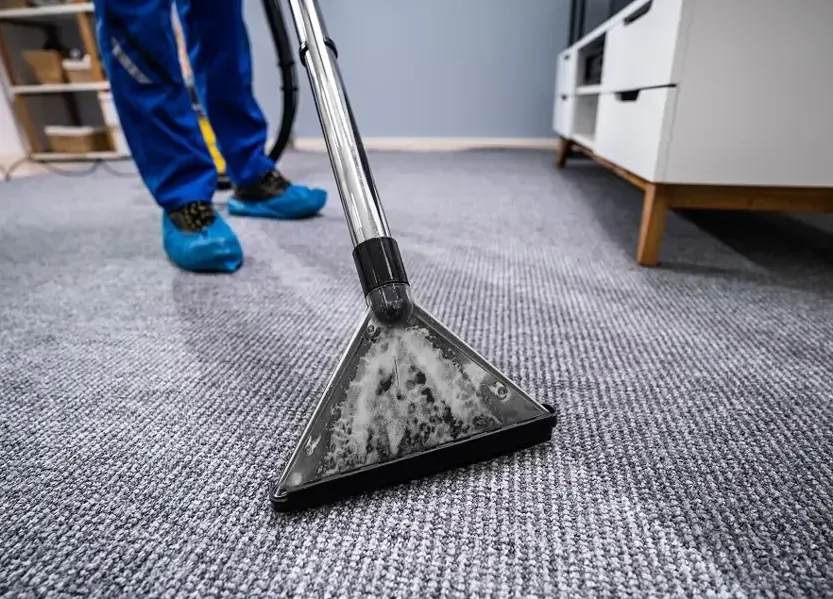
First steps for water extraction and removal in Brockton
- 1
Assess entry from dry footing
A doorway view can reveal standing water without exposing occupants to wet electrical equipment. Rooms with uncertain electrical safety or contaminated entry should remain closed to casual access.
- 2
Report the ongoing flow
Explain whether water is still rising, dripping or spreading. An accessible shutoff may help with a supply release, but outside entry and backups need a different response.
- 3
Identify valuable movable contents
From a safe area, describe furniture, paper records and stored items in contact with water. That information helps prioritize recovery without moving contamination through the building unnecessarily.
- 4
Leave wet layers available
Avoid covering soaked flooring with rugs or replacement finishes. The assessment needs access to edges and adjoining materials after the standing water has been recovered from the room.
How water extraction and removal work is done in Brockton
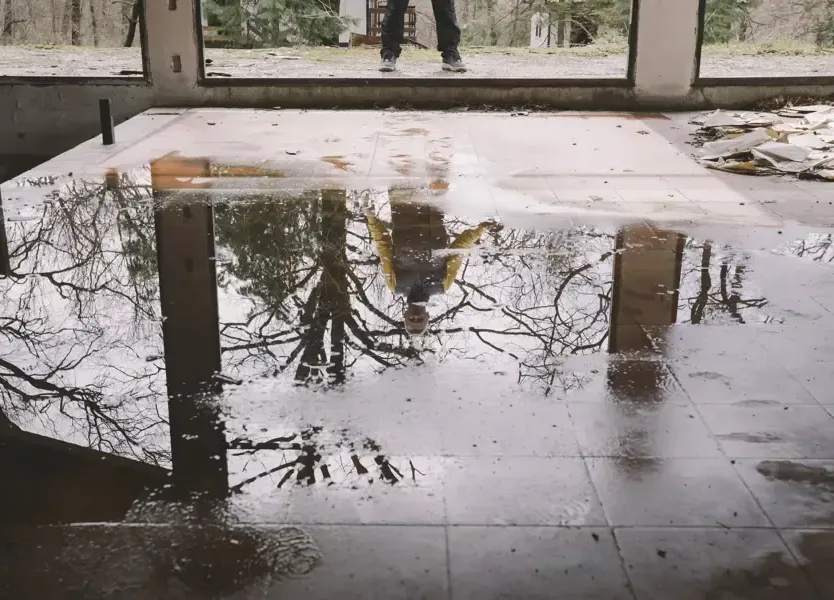
A reflection across the floor makes the water obvious; the less obvious part is what lies below it. Extraction at a Montello property can expose carpet edges, flooring transitions and wall bases that were previously submerged. Those newly accessible areas become the next inspection points. The removal plan begins with the source and the safety of the room, then selects a recovery method suited to the amount of liquid and the surfaces holding it.
What does water extraction and removal cost in Brockton, MA?
Water extraction in Brockton is priced around the recoverable water, surface types, access and contamination. A written estimate should separate initial removal from drying, selective demolition or disposal, so the owner can see what the recovery stage includes and what follows.
Limited clean-water recovery
$500 to $1,500
Multiple-room extraction
$1,500 to $3,000
Complex water removal
$3,000 to $8,000+
Ranges are typical, not a quote: category of water, square footage, material class and how fast drying started move the number most. Run the water damage cost calculator for a closer range.
The water extraction and removal process in four steps
The drying plan follows the materials, water category and access conditions recorded during inspection. Technicians compare repeat measurements with an unaffected reference and adjust equipment when moisture stops falling.
Step 1 Define the recovery area
The initial assessment checks water condition, active entry and access before choosing equipment and establishing boundaries around the affected interior surfaces.
Step 2 Remove the accessible liquid
Recovery progresses through the available floor area, with attention to transitions, furniture footprints and any section where standing water remains trapped.
Step 3 Inspect newly exposed edges
Once the floor becomes visible, moisture checks extend into trim, underlayers and adjacent spaces that may have received water beyond the original pool.
Step 4 Set the next drying stage
The record identifies what extraction accomplished and which retained materials still need equipment, access or further assessment before finish work can proceed.
Understand the entry before moving the water
The Salisbury Plain River is part of the city's geography. At an individual building, the relevant starting point is the actual entry: an open supply failure, water arriving from outside or a drain overflow. Each has different handling needs. A caller describing a Campello loss should mention color, debris and any continuing flow without entering an unsafe room to investigate.
- Keep people away from submerged outlets and appliances.
- Identify whether new water is still entering the room.
- Separate clean access routes from contaminated wet areas.
- Describe stairs or tight passages that affect equipment access.
Use recovery methods suited to the surface
A hard floor puddle and soaked carpet do not release water in the same way. Recovery may involve pumping deeper accumulations and extracting residual water from accessible finishes. Carpet backing and padding need separate assessment because a drier surface can hide a saturated layer. Heavy furniture and fixed cabinets can also divide a room into areas with different access needs.
In Cary Hill, the work plan should describe the property's own layout and obstructions. Moving contents from an affected area requires care: wet furniture legs and contaminated items can carry damage into a previously dry space. Documentation before movement preserves where each item was found.
Know what comes after the puddle disappears
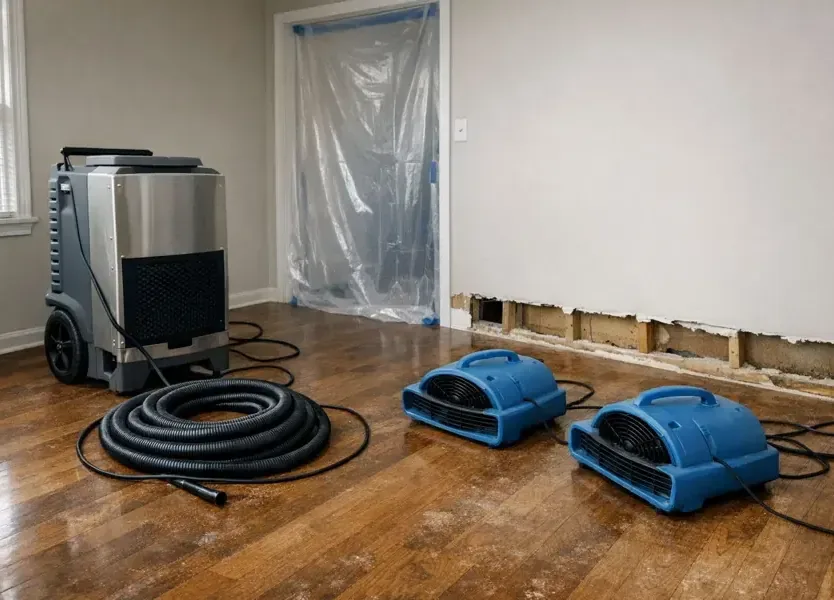
Extraction is followed by moisture mapping and targeted material drying. Wall bases, subflooring and adjoining rooms deserve attention even when the visible water stayed in one area. Material readings help identify where opening an assembly or changing equipment placement is necessary.
The completion record should distinguish liquid recovery from the remaining drying phase. That separation gives the owner a practical explanation of why equipment may stay after the room stops looking flooded, and why replacement finishes should wait for the underlying moisture condition to be checked.
Water extraction and removal across Brockton and nearby towns
Water recovery is available for affected interiors across Brockton, including Montello and Campello. A Cary Hill property description should identify the entrance, affected floor and any obstacles between equipment access and the water.
The same service nearby: water extraction and removal in Stoughton, Easton, Braintree.
Related water damage services in Brockton
Water Extraction and Removal questions in Brockton, MA
Still dealing with it?
Standing water, soaked carpet and puddles beneath furniture each need a recovery plan suited to the surface and entry source.
(888) 480-6221Describe the pooled water01Is pumping always necessary?
The recovery method depends on water depth and access. Shallow accumulations may need extraction equipment, while deeper standing water can require pumping before remaining surface moisture is addressed across the affected floor.
02Does wet carpet dry after extraction alone?
Extraction removes recoverable liquid but may leave moisture in backing, padding and the subfloor. Those layers need assessment before a decision about retention, further access and controlled drying can be made.
03Can furniture stay in the room?
Some contents can remain protected in an unaffected area; others obstruct recovery or have wet components themselves. The plan should identify which items need movement and how their original condition will be documented.
04What changes when the water came from outside?
Outside water can introduce sediment and contaminants. That changes protection, handling and disposal decisions. The cleanup scope should identify those needs before assuming affected porous materials can simply be extracted and dried.
05Why inspect rooms without puddles?
Water can pass beneath finishes and through wall openings without pooling visibly. Checking adjoining spaces helps locate that spread while access is available, reducing the chance of leaving an unnoticed wet layer behind.
06When can flooring work begin?
The underlying assembly needs an appropriate moisture assessment after recovery and drying. The installation trade should review its material requirements against the documented condition before covering the area with a new floor finish.
Get the room ready for a closer assessment
Calling with the affected level, floor type and any access restriction helps organize the removal stage and the material checks that follow it.