Easton Water Extraction and Removal
A puddle crossing a threshold changes the cleanup boundary with every adjoining surface it reaches. Extraction begins with safe access, then recovers water from open floors, carpet and the edges where moisture collects.
(888) 480-6221Arrange standing water removal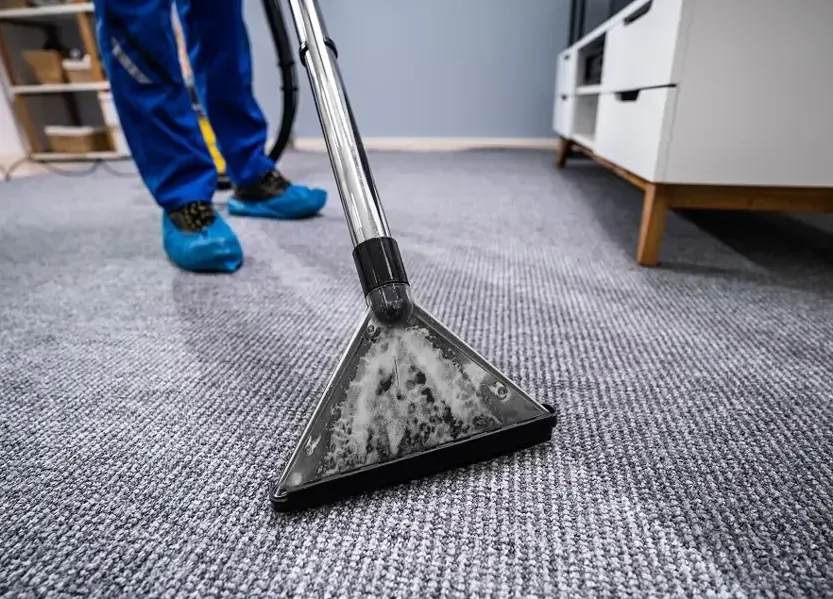
First steps for water extraction and removal in Easton
- 1
Remain on a dry approach
Avoid walking into standing water around outlets, cords or appliances. A safe route for assessment should be established before occupants attempt to move furnishings across the room.
- 2
Limit additional incoming water
Report whether the source remains active. If a known supply shutoff is safely accessible, stopping the release can prevent extraction from becoming a repeated recovery of new water.
- 3
Identify soaked contents
List rugs, stored boxes and furniture touching the wet surface. Their position can conceal water and may affect the order in which the room is cleared.
- 4
Preserve an initial view
Take photographs from outside the wet area. Show thresholds and adjoining rooms as well as the deepest visible water so the original spread is documented.
How water extraction and removal work is done in Easton
The first pass of an extraction wand can make a room look dramatically better, but appearance is only part of the job. Water may remain beneath carpet or at the joint between flooring and a wall. For a property in North Easton or South Easton, a useful request describes the affected room, the water source and whether the puddle is still growing. That information determines how removal can begin safely.
What does water extraction and removal cost in Easton, MA?
Water extraction in Easton varies with the surface, access and volume that can be recovered. Contamination and water concealed beneath finishes can add handling needs. The assessment should distinguish immediate recovery from the drying or material removal that follows.
Limited clean-water recovery
$500 to $1,500
Multiple-room extraction
$1,500 to $3,000
Complex water removal
$3,000 to $8,000+
Ranges are typical, not a quote: category of water, square footage, material class and how fast drying started move the number most. Run the water damage cost calculator for a closer range.
The water extraction and removal process in four steps
The drying plan follows the materials, water category and access conditions recorded during inspection. Technicians compare repeat measurements with an unaffected reference and adjust equipment when moisture stops falling.
Step 1 Evaluate entry and water condition
The first assessment identifies electrical concerns, the likely source and the route equipment can take without spreading water into unaffected parts of the building.
Step 2 Recover liquid from accessible surfaces
Suitable extraction equipment removes standing water in a planned sequence, with attention to the finish and the spaces beneath movable contents.
Step 3 Recheck covered edges and transitions
A perimeter inspection looks for remaining water beside walls, under accessible coverings and across doorways before the recovery equipment leaves the room.
Step 4 Set out the next drying work
Notes identify retained wet materials and the treatment they need, connecting the extraction result to a specific plan for continuing restoration.
Choose recovery methods for the actual surface
An open hard floor, saturated carpet and water beneath a cabinet require different handling. The assessor checks how water can be reached without damaging retained materials or carrying contamination into another room. Furniture position also matters because covered edges may hold water that is missed during an initial sweep across the middle of the floor.
- Open floor areas allow direct recovery of pooled water.
- Carpet inspection includes the backing and the pad beneath.
- Thresholds reveal whether the spill continued into another room.
- Cabinet recesses need access before concealed water can be removed.
Define what extraction can accomplish
Recovery removes liquid that equipment can reach. It does not by itself establish that a wall, subfloor or other porous material has dried. After the standing water is gone, remaining moisture needs its own assessment. Structural drying addresses that stage through controlled conditions and repeated checks of the materials that remain in place.
The water source matters throughout this sequence. A drain overflow requires different cleaning and removal decisions from a fresh supply spill. The plan should account for those conditions before water is moved across unaffected surfaces or equipment is placed in occupied rooms.
Follow the water past the doorway
At Five Corners, as elsewhere in town, the room layout sets the inspection path. An adjoining closet, a low threshold or the area beneath stored items can extend the loss beyond its obvious center. The closing extraction assessment records where water was recovered and which surfaces still need drying. This gives the owner a clear transition from immediate removal to the next stage of restoration without treating an empty puddle as a finished job.
Water extraction and removal across Easton and nearby towns
Property owners in Easton can describe the affected level and room access when requesting extraction. Around Five Corners, an accurate location and the condition of the water help focus the recovery assessment.
The same service nearby: water extraction and removal in Stoughton, Mansfield, Brockton.
Related water damage services in Easton
Water Extraction and Removal questions in Easton, MA
Still dealing with it?
Describe the standing water, floor covering and doorways it has crossed to help establish the recovery area for assessment.
(888) 480-6221Discuss water across the floor01Does extraction leave carpet completely dry?
No. It removes recoverable water, but the backing, pad or subfloor may remain damp. Those layers need inspection before the carpet can be retained and the remaining drying work established.
02Can removal begin while water still enters?
Source control should be coordinated with removal. Continuing entry can refill the room and change the cleanup boundary, so the active condition must be reported before recovery is planned.
03Why inspect rooms without a visible puddle?
Water can cross a threshold and soak a floor edge without forming another obvious pool. Checking adjoining surfaces helps prevent a hidden wet area from being excluded from the drying plan.
04What if the water came from a drain?
Its condition changes how affected materials and equipment are handled. Access restriction, cleaning and disposal decisions should be made before extraction spreads residue across a larger portion of the property.
05Will furniture have to leave the room?
Some items may need moving or isolation to reach water beneath them. The decision depends on weight, contamination and safe access, with the goal of exposing the complete wet area.
06What follows the final extraction pass?
Material moisture checks establish what remains wet. The next scope may include drying, selective access or removal of damaged layers, supported by records of the rooms and surfaces already treated.
Clear the water and identify what remains
Removal is the beginning of a controlled cleanup. Request an assessment that follows pooled water into room edges and explains the materials still needing attention.