Braintree Basement Water Removal
Water at the bottom of the stairs can conceal electrical hazards and soaked stored belongings. Braintree basement recovery begins with safe access and source conditions, then follows the water into lower wall and floor assemblies.
(888) 480-6221Discuss water in the lower room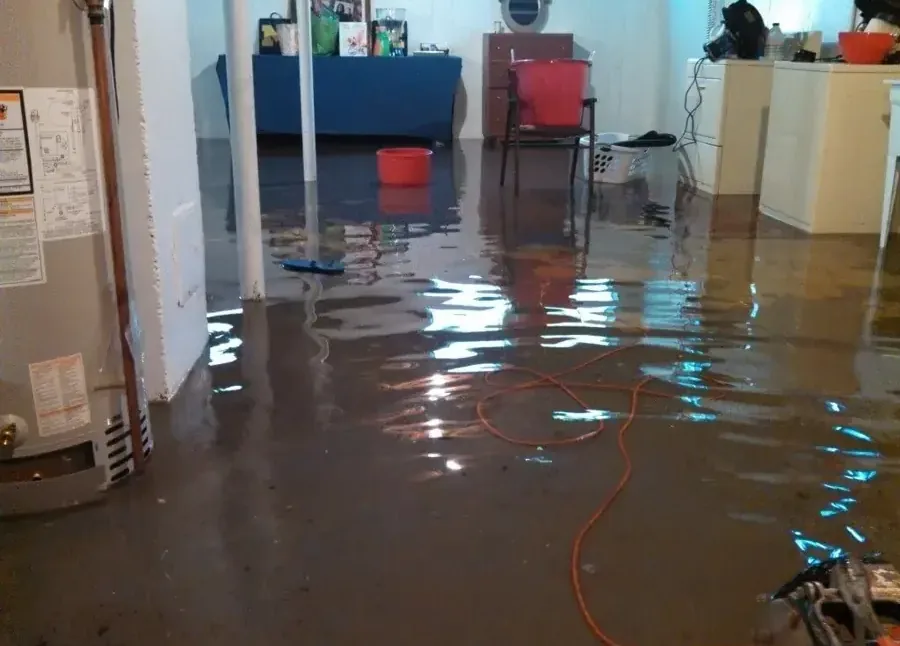
First steps for basement water removal in Braintree
- 1
Stay above an unsafe entry
Do not descend into water to reach electrical equipment or retrieve belongings. Describe what is visible from dry footing and arrange assessment of the stairs and lower space.
- 2
Identify the current water behavior
Report whether the level changes and whether a plumbing source is suspected. Mention sediment or wastewater signs so the recovery plan can account for water quality.
- 3
Describe stored items and access
Large furniture, shelving and boxes affect how equipment reaches the room. A clear description helps organize recovery routes without asking occupants to move saturated items beforehand.
- 4
Keep a record from safe positions
Photograph visible water marks, affected stairs and accessible contents. Preserve those images before extraction and material handling alter the original appearance of the lower room.
How basement water removal work is done in Braintree
A flooded lower room can put the safest walking route and essential equipment in the same wet area. Entry decisions therefore come before moving stored items or starting a household pump. The assessment needs to identify electrical concerns, visible water conditions and whether entry continues. It also needs a practical route for hoses and removed material so recovery below does not spread wet debris through dry rooms above.
What does basement water removal cost in Braintree, MA?
Basement water removal pricing in Braintree depends on safe access, water conditions and the room's finishes. A complete estimate separates pumping or extraction from contents handling, cleaning and the drying of lower walls and floor layers.
Limited lower-level loss
$1,500 to $3,000
Finished basement wetting
$3,000 to $7,500
Complex lower-level flooding
$7,500 to $15,000+
Ranges are typical, not a quote: category of water, square footage, material class and how fast drying started move the number most. Run the water damage cost calculator for a closer range.
The basement water removal process in four steps
The drying plan follows the materials, water category and access conditions recorded during inspection. Technicians compare repeat measurements with an unaffected reference and adjust equipment when moisture stops falling.
Step 1 Plan the descent and recovery route
Assessment establishes safe entry, source conditions and a route for equipment, extracted water and materials requiring removal from the room.
Step 2 Recover liquid with source awareness
Water removal is arranged around ongoing entry and the condition of the water, while visible marks and affected storage are documented before the space changes.
Step 3 Evaluate lower wall and floor assemblies
Once surfaces become accessible, inspection follows perimeter wetting and concealed floor layers, explaining removal or cleaning needed before retained materials can enter the drying phase.
Step 4 Document the condition after active treatment
Repeat observations show how retained components respond, and the owner receives a clear account of completed recovery plus any source correction or finish replacement still required.
Establish the source and current building conditions
The March 2, 2018 nor'easter flooded Smith Beach and Watson Park, with water reported along Edgehill Road near Vinedale Road. A present lower level loss may instead involve plumbing or another entry path. The individual property assessment establishes that source and the room's actual construction, including the finishes and storage that the water has reached.
- Describe whether water is rising, stable or receding.
- Keep occupants away from submerged electrical equipment.
- Identify sewage odor or visible sediment during reporting.
- Explain stair access and any blocked interior doorway.
Inspect the perimeter after liquid recovery
Water often becomes easier to trace once pooled liquid has been removed. The inspection should check wall bases, closets and the layers beneath finished flooring. Storage can hide damp surfaces or hold moisture against them, so contents handling belongs in the recovery scope. Heavy wet items should remain in place until their condition and removal route have been assessed.
Controlled water extraction is followed by cleaning appropriate to the water source. Outside water and wastewater can change disposal and porous material decisions, while retained building components still need a separate drying assessment.
Give retained finishes an accessible drying path
A basement with finished partitions presents different access needs from an open room with exposed framing. Selective removal should be tied to damage, contamination or blocked moisture access. Equipment placement must leave a practical route through the stairs and room while reaching the wettest retained materials identified during inspection.
- Record damaged storage and building finishes separately.
- Check hidden floor edges behind fixed room features.
- Keep measurement points available during the drying phase.
- Explain remaining source or finish work before handoff.
The end of pumping should produce a clearer view of the room, not an assumption that recovery is finished. Cleaning, material assessment and documented drying complete the account of what the lower level needs next.
Basement water removal across Braintree and nearby towns
Basement water removal in Braintree is planned around the individual room and its access. Report the affected level, visible water behavior and stored contents so assessment can establish an appropriate recovery route.
The same service nearby: basement water removal in Stoughton, Brockton, Westwood.
Related water damage services in Braintree
Basement Water Removal questions in Braintree, MA
Still dealing with it?
Water visible from the stairs is enough to begin the conversation. Describe the lower room without entering an area that may be unsafe.
(888) 480-6221Explain the lower room conditions01Should a homeowner go downstairs to unplug equipment?
Avoid entering water to reach electrical devices. The room and electrical conditions need qualified assessment before ordinary access or equipment handling can be considered safe for the affected space.
02Does water removal address the source of entry?
Extraction handles water already in the room. Plumbing or other source work may be needed separately, and the proposed scope should explain how those activities will be coordinated.
03Why inspect walls after the floor is cleared?
Lower wall materials can absorb moisture or conceal wet insulation at their base. Those areas may remain affected after standing water has disappeared from the open floor.
04Can stored boxes remain beside drying equipment?
Their condition and location matter. Wet storage can obstruct airflow and measurement access, so contents handling should be addressed as part of the room's recovery arrangement.
05Does every basement need wall removal?
Construction and material condition determine access. The assessment should explain selective removal where damage, contamination or blocked drying access makes it necessary at the individual property.
06What shows that pumping is only one stage?
After liquid removal, the room still needs assessment of residues, porous materials and retained moisture. The work record should identify those remaining tasks before declaring the mitigation scope complete.
Recover the basement with a clear sequence of work
Safe access and source assessment establish the start, while extraction, material handling and measured drying address what remains after pooled water has left the floor.