Basement Water Removal in Westwood
Water downstairs can surround equipment, storage and finished walls at the same time. Basement water removal in Westwood starts with safe access and source assessment, then follows the wet footprint through lower level materials and contents.
(888) 480-6221Discuss the lower level water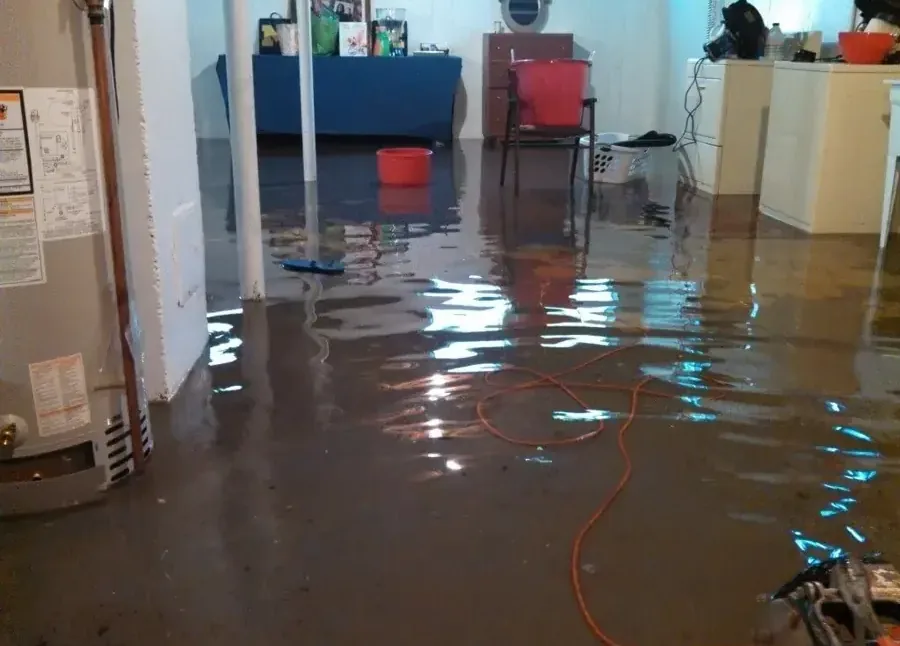
First steps for basement water removal in Westwood
- 1
Assess access from above
A wet stair landing or nearby electrical equipment can prevent safe entry. Describe those conditions before descending into the affected space.
- 2
Explain how water arrived
Mention an observed plumbing release, drain discharge or outside entry. Identifying the likely source helps frame water handling and the precautions needed before equipment and contents move through the space.
- 3
List wet storage and finishes
Boxes, furnishings, floor coverings and wall bottoms can all need different treatment. A description of the contents and finishes helps define the work beyond simply removing the visible pool.
- 4
Keep clean routes available
A clear dry approach to the affected level helps organize removal. Avoid moving dirty wet belongings upstairs before a handling plan separates affected items from usable living spaces.
How basement water removal work is done in Westwood
A wet basement can be difficult to assess from the stair landing. Standing water may conceal floor changes, stored items and electrical concerns. Occupants should avoid descending into an unsafe lower level simply to estimate the depth or find the source. The removal plan begins with access and water condition, then identifies the finishes, equipment surroundings and contents that need attention as the area becomes safely accessible.
What does basement water removal cost in Westwood, MA?
Basement water removal costs in Westwood depend on access, water condition, stored contents and the finishes reached by the loss. The scope should explain recovery and material handling alongside the drying work that remains after the pool clears.
Limited lower-level loss
$1,500 to $3,000
Finished basement wetting
$3,000 to $7,500
Complex lower-level flooding
$7,500 to $15,000+
Ranges are typical, not a quote: category of water, square footage, material class and how fast drying started move the number most. Run the water damage cost calculator for a closer range.
The basement water removal process in four steps
The drying plan follows the materials, water category and access conditions recorded during inspection. Technicians compare repeat measurements with an unaffected reference and adjust equipment when moisture stops falling.
Step 1 Establish safe lower level access
Stairs, powered equipment, footing and water source determine the work route, with wet handling separated from unaffected spaces to protect occupants during removal.
Step 2 Recover the reachable basement water
Liquid removal proceeds around documented contents and building surfaces, with careful handling of affected items as access expands and the concealed floor perimeter becomes visible for inspection.
Step 3 Assess finishes and exposed edges
The cleared area receives moisture and condition checks at floor coverings, wall bottoms and accessible cavities. Unsuitable materials are identified, while retained surfaces receive a suitable drying arrangement.
Step 4 Assess the remaining moisture record
Followup observations track lower level recovery. Closing notes identify contents decisions, completed drying and remaining source or finish work.
Distinguish the source before choosing the cleanup
A supply release, outside entry and a drain backup require different handling decisions. For an emergency indoor leak, Dedham-Westwood Water District directs customers to the inside valve near the meter. That location must be safely reachable. If the valve fails, contacting the district for curb box shutoff is the next source step. Private operation of the curb control is not permitted under the district's instruction.
Plan movement through the lower level
Stairs, narrow openings and stored belongings affect equipment access. A planned route also helps avoid carrying contaminated water or residue into unaffected rooms. In a finished space, inspection should consider floor coverings and wall bottoms. In an unfinished area, stored contents and exposed building surfaces still require individual assessment based on what the water touched.
- Describe the stairway and any alternate safe entrance.
- Identify powered equipment near the visible wet area.
- Record storage items that stood directly on the floor.
- Note adjoining finished rooms connected to the same lower level.
Inspect what remains after water recovery
Islington, Hale and Washington Street are useful local references when arranging an assessment. The work itself follows the basement's actual layout and source conditions. Once accessible water is removed, newly exposed floor edges and wall bases can show moisture that was previously hidden by the standing pool or stored belongings.
The storm flood cleanup service addresses outside water and residue when that is the cause. Retained basement materials then receive a drying plan suited to their condition and exposure. Progress observations should include concealed edges, with contents decisions and any separate source correction explained in the final record before the area returns to ordinary use.
Basement water removal across Westwood and nearby towns
Basement recovery assessments cover properties throughout town, including locations in Islington and near Hale. Explain entry conditions, stored contents and affected finishes so the work can account for the lower level's actual layout.
The same service nearby: basement water removal in Stoughton, Braintree, Mansfield.
Related water damage services in Westwood
Basement Water Removal questions in Westwood, MA
Still dealing with it?
A wet lower level needs safe access before recovery begins. Describe the stairs, equipment nearby and the visible source of water from a dry position.
(888) 480-6221Assess the basement access01Should an occupant enter to locate the valve?
Only safe access should be considered. Standing water near electrical equipment or uncertain footing can make the route unsafe even when the valve location is familiar.
02Does all basement water need the same treatment?
No. Source and contamination affect handling, cleaning and material decisions. An indoor supply release differs from outside floodwater or wastewater emerging from a drain.
03Why are stored belongings part of the scope?
Items on the floor can retain water, obstruct access or carry contamination. Their condition needs documentation and planned handling as the recovery area becomes accessible.
04Can finished walls stay after extraction?
That depends on material condition and access to retained moisture. Wall bottoms and concealed layers require assessment before choosing retention, selective access or removal.
05What if the water is already gone?
Floor coverings, wall edges and belongings may still be wet. Inspection and drying decisions remain necessary even when no standing pool is left to remove.
06How does the cleanup avoid spreading dirt upstairs?
A planned movement route separates affected materials from usable rooms. Contents handling and equipment access should account for the water condition and the building's available entrances.
Plan removal around the basement's actual conditions
The assessment can connect water recovery, contents handling and concealed edge checks with a drying plan for the retained lower level materials.