Braintree Sewage Backup Cleanup
Wastewater across a floor calls for separation from daily household activity. Braintree sewage cleanup defines the contaminated area, coordinates drain source attention and plans controlled removal before retained surfaces are cleaned and dried.
(888) 480-6221Discuss a wastewater intrusion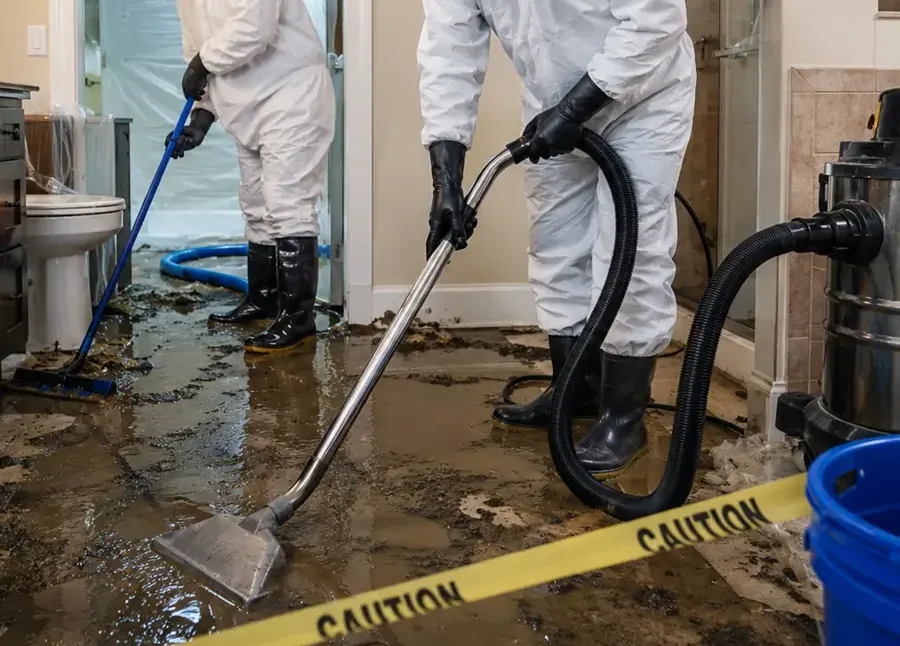
First steps for sewage backup cleanup in Braintree
- 1
Close off the affected room
Limit entry and avoid walking through wastewater. The clean side of the property should remain separate while the extent of contact and safe cleanup access are established.
- 2
Pause use of involved fixtures
Continued drain use can worsen an active backup. Describe the fixtures affected and arrange plumbing assessment rather than repeatedly flushing or testing the drainage system.
- 3
Leave contaminated belongings in place
Moving saturated items through the home can spread contact. Their removal route and suitability for treatment should be planned before they cross into dry occupied rooms.
- 4
Record the visible spread safely
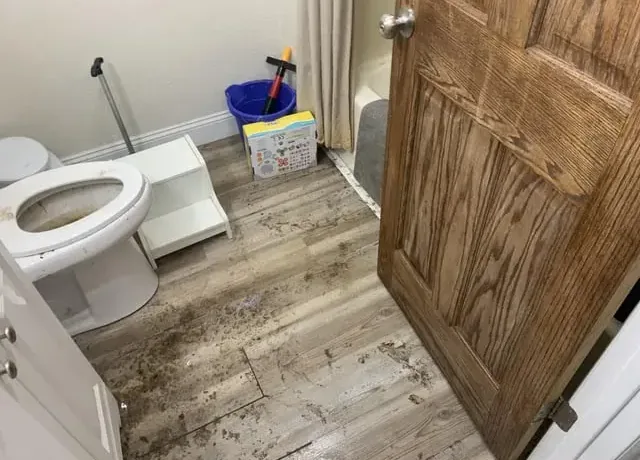
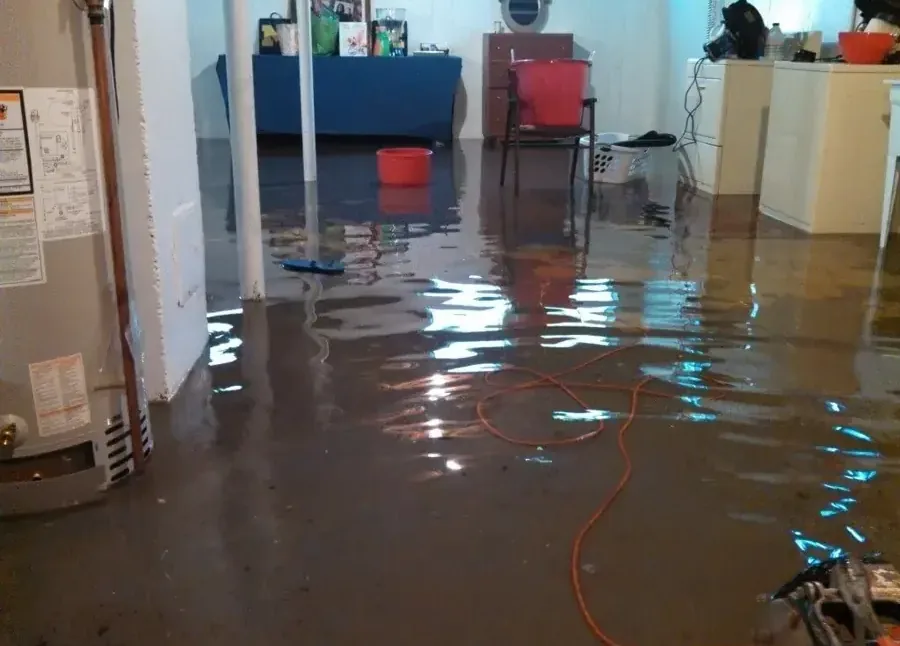
Photographs from outside the wet area can show the drain, floor boundary and affected contents. Include discovery notes and any public notice relevant to the event.
How sewage backup cleanup work is done in Braintree
On July 10, 2025, a sanitary sewer manhole overflow on Jay Street affected the Monatiquot River. Municipal notice described the discharge and advised avoiding affected waterbodies after it stopped. The Braintree Water and Sewer Department also offers sanitary sewer overflow alerts. Inside a property, a backup needs its own drain assessment and a clear boundary around wastewater contact so cleanup can proceed without spreading affected material through occupied rooms.
What does sewage backup cleanup cost in Braintree, MA?
Sewage backup cleanup costs in Braintree depend on contact area, porous material removal and access for cleaning concealed surfaces. The scope should identify disposal, cleaning and subsequent drying separately from the work addressing the drainage source.
Contained drain overflow
$2,000 to $3,500
Several affected surfaces
$3,500 to $8,000
Broad contaminated loss
$8,000 to $15,000+
Ranges are typical, not a quote: category of water, square footage, material class and how fast drying started move the number most. Run the water damage cost calculator for a closer range.
The sewage backup cleanup process in four steps
The drying plan follows the materials, water category and access conditions recorded during inspection. Technicians compare repeat measurements with an unaffected reference and adjust equipment when moisture stops falling.
Step 1 Define wastewater contact boundaries
The assessment identifies affected surfaces and contents, establishes a restricted area and plans entry and removal routes that protect remaining dry household spaces.
Step 2 Coordinate source control and disposal
Drainage findings shape the source plan while unsuitable porous materials and gross contamination are removed through a controlled route suited to the property layout.
Step 3 Clean accessible retained building surfaces
The opened area receives appropriate treatment before drying, with attention to joints and concealed edges where contamination may remain behind a clean looking face.
Step 4 Assess drying and room readiness
Retained components are monitored for moisture and remaining conditions, then the record explains completed mitigation and any separate source or replacement work still outstanding.
Map contact rather than only standing liquid
Wastewater may touch the underside of furniture, absorb into cardboard or cross into another room on footwear. The inspection should account for those contacts as well as the drain where the backup appeared. For a property near Quincy Avenue, the equipment route may pass through a shared hall; the work plan should protect that access from unnecessary tracking.
- Keep children and animals away from affected surfaces.
- Leave saturated porous belongings in the restricted area.
- Describe which drains or fixtures backed up together.
- Record visible spread without entering the contaminated room.
Plan removal around clean and affected zones
Some porous materials cannot be suitably cleaned after sewage exposure and require disposal. The scope should identify those items and explain how they will be moved out. Dry belongings can be protected outside the work boundary, while reusable hard surfaces receive appropriate cleaning after gross contamination is removed. Household fans should not circulate air through untreated wastewater damage.
Drain source work must also establish whether more wastewater can enter. A cleared drain and a cleaned building have different tasks behind them. Toilet overflow cleanup addresses a related situation when the release begins at a bathroom fixture.
Dry the retained structure after cleaning
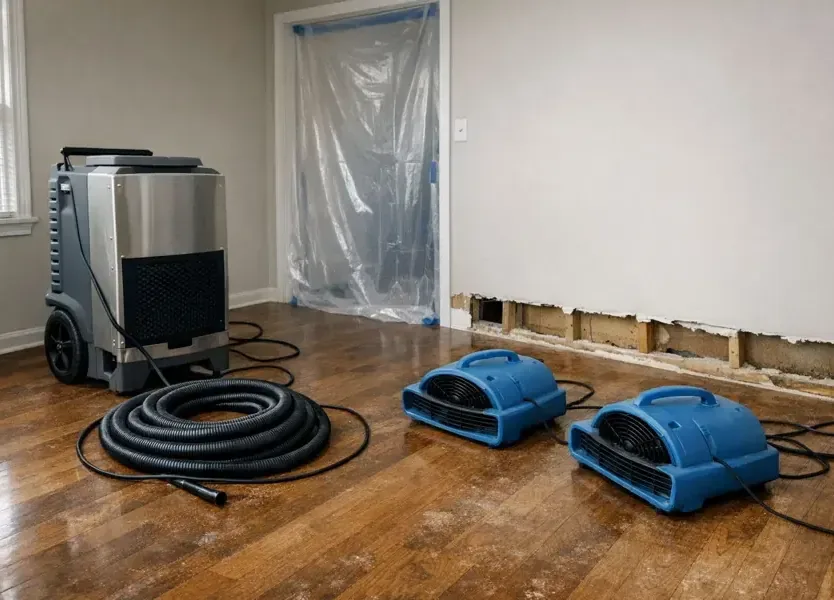
Accessible framing and other retained materials need moisture assessment after contamination handling. Equipment should support drying within the cleaned work area, with checks at edges where water entered concealed layers. Persistent odor deserves reassessment of the source and affected materials rather than being treated as the only completion measure.
- Document removed floor layers and lower wall materials.
- Explain cleaning access behind fixed room features.
- Keep drying observations tied to retained components.
- Identify outstanding drain or finish work at handoff.
The completion record should explain how the affected area was treated and what conditions remain. That gives the owner a practical basis for arranging replacement finishes and returning the room to ordinary use.
Sewage backup cleanup across Braintree and nearby towns
Braintree sewage cleanup coordination starts with the affected fixture, visible spread and drain source status. Property access near Jay Street or other familiar locations helps organize a controlled route into the work area.
The same service nearby: sewage backup cleanup in Stoughton, Brockton, Westwood.
Related water damage services in Braintree
Sewage Backup Cleanup questions in Braintree, MA
Still dealing with it?
Describe the backed up fixture and visible contact area without entering the wastewater so the first assessment can be organized.
(888) 480-6221Explain the sewage contact area01Can a homeowner mop up a sewage backup?
Wastewater contact requires controlled handling beyond ordinary floor cleaning. Restrict access and arrange assessment of porous materials, concealed wetting and the drainage source before household activity resumes.
02Does a municipal overflow notice describe an indoor backup?
Public alerts concern reported sewer events. An individual property still needs its own assessment to identify the indoor source, affected fixtures and surfaces requiring cleanup and drying.
03Should carpet touched by sewage stay in place?
Its condition and contamination require professional assessment, and affected porous layers may need disposal. The scope should explain material decisions and the route for removing them safely.
04Why stop using other drains nearby?
Additional wastewater can worsen the release when drainage remains obstructed. A plumber can assess which fixtures are involved and determine the source control needed before normal use returns.
05Can odor alone establish completion?
Odor is only one observation. Cleanup must account for affected materials, concealed contact and retained moisture, with a documented treatment scope and assessment of the remaining building condition.
06What follows removal and surface cleaning?
Retained wet components need a suitable drying plan and progress checks. The owner should receive a clear explanation of replacement finishes and any unresolved plumbing work before handoff.
Keep recovery organized around a controlled work zone
Separate access, appropriate material handling and documented cleaning give retained components a clear path through drying before the affected room returns to normal household use.