Easton Toilet Overflow Cleanup
Water beside a toilet may come from a supply connection or an overflowing bowl. That distinction shapes cleanup, while the inspection follows the spill around the base, through floor joints and toward the bathroom doorway.
(888) 480-6221Assess the bathroom overflow damage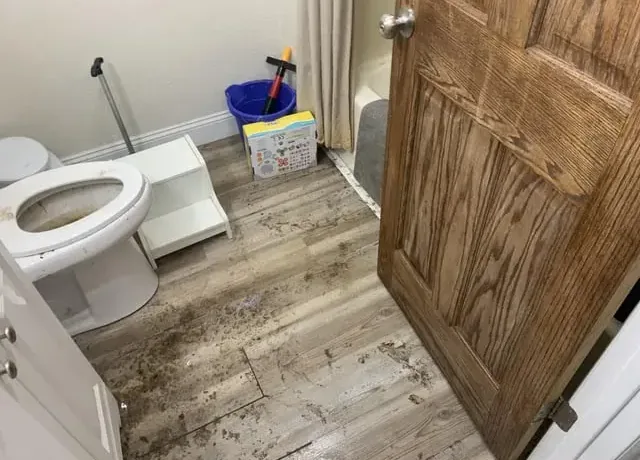
First steps for toilet overflow cleanup in Easton
- 1
Stop adding water to the fixture
Avoid flushing during an unresolved overflow. A known, safely accessible supply control may limit continuing leakage until appropriate fixture attention arrives.
- 2
Keep the spill isolated
Restrict bathroom access when bowl water is involved. Footwear and moved items can carry contamination into the hall, so ordinary traffic should avoid the wet room.
- 3
Observe adjoining and lower rooms
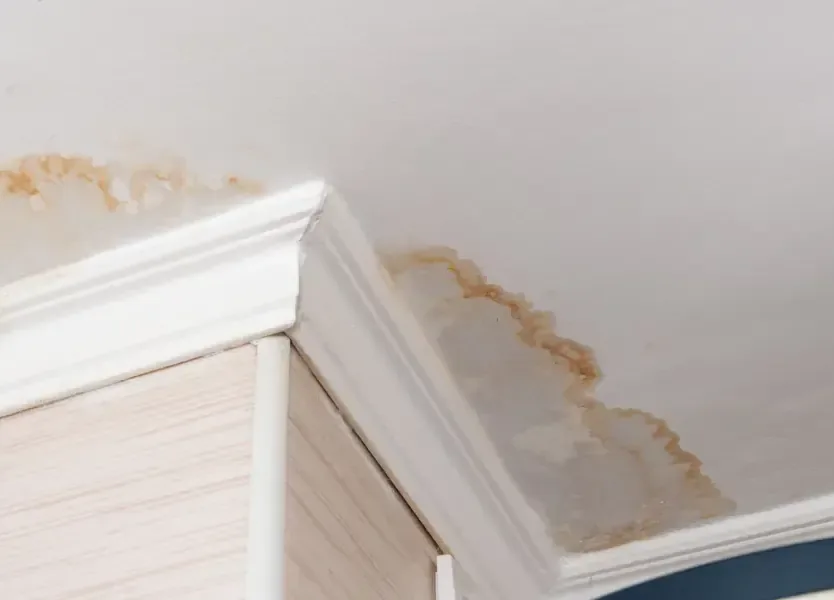
From safe positions, note wet doorway edges or a new ceiling mark below. Those observations help define hidden spread beyond the visible bathroom floor during inspection.
- 4
Describe the first water location
Report whether water came from the bowl, tank or supply connection. A clear source description helps the cleanup assessment select suitable handling before equipment enters the room.
How toilet overflow cleanup work is done in Easton
A bathroom floor can shed visible water quickly while moisture remains around the toilet base and beneath its edges. The source is the first important distinction: a supply connection and bowl overflow call for different handling decisions. For an Easton property, describing where the water appeared helps the assessment begin correctly. The inspection then looks beyond the fixture to understand what the spill reached before it was discovered.
What does toilet overflow cleanup cost in Easton, MA?
Toilet overflow cleanup in Easton depends on the source, bathroom layers and any spread into adjoining rooms. Contamination and moisture beneath flooring can add access and cleaning needs beyond removal of the visible bathroom puddle.
Limited supply-water spill
$700 to $1,500
Bathroom assembly wetting
$1,500 to $3,500
Contaminated wider spread
$3,500 to $6,500+
Ranges are typical, not a quote: category of water, square footage, material class and how fast drying started move the number most. Run the water damage cost calculator for a closer range.
The toilet overflow cleanup process in four steps
The drying plan follows the materials, water category and access conditions recorded during inspection. Technicians compare repeat measurements with an unaffected reference and adjust equipment when moisture stops falling.
Step 1 Clarify the fixture and water condition
The assessor records the reported overflow location and source status, then establishes a safe bathroom approach and the likely handling needs for affected materials.
Step 2 Inspect the perimeter and connected rooms
Moisture checks follow floor seams, trim and doorway transitions, with lower ceiling assessment when the bathroom's position and visible signs indicate water traveled downward.
Step 3 Recover and treat affected bathroom layers
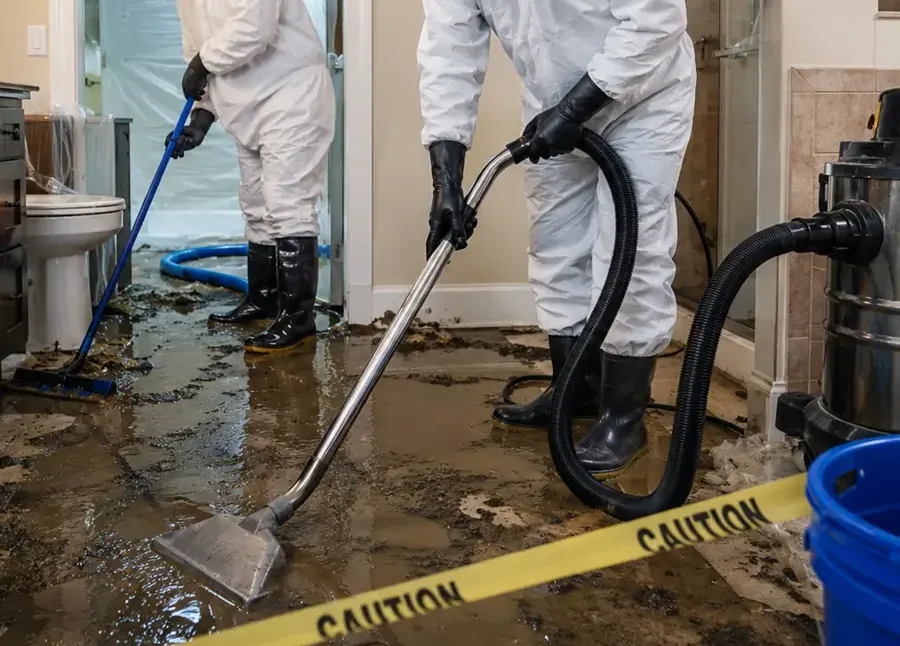
Extraction and cleaning address accessible surfaces while necessary openings expose concealed wet material. Removal decisions account for contamination and the condition of porous finishes.
Step 4 Verify the bathroom's remaining drying needs
Progress readings track retained layers, and the closing record separates completed restoration from fixture correction or later finish replacement needed before normal use.
Follow the bathroom's small openings
In Easton Green, a request may describe water escaping toward the hall. Daley Corner and Five Corners provide other locality references for arranging access. Within the bathroom, joints around flooring, trim and pipe penetrations can provide routes into concealed layers. A room that looks contained at the tile surface can still have moisture beneath it.
- Check doorway transitions for spread into adjoining floor coverings.
- Note wet trim along the wall beside the fixture.
- Report new ceiling marks beneath an upstairs bathroom.
- Identify contents that touched water around the toilet base.
Match cleaning decisions to the water condition
Bowl water can contaminate porous finishes and contents, requiring restricted access and deliberate handling. The cleanup plan should identify which surfaces need treatment and which materials cannot remain. A supply leak still requires assessment of contacted surfaces and the time water has spent inside the assembly.
When the overflow involves drain contamination, sewage cleanup provides the relevant handling approach. Repeated flushing should stop until the fixture's source problem is addressed.
Resolve hidden wetting before the bathroom closes
Extraction removes accessible liquid, then the remaining floor and wall layers need checks. Some areas may require access beneath coverings or around damaged trim. Where water reached a lower ceiling, that assembly belongs in the same restoration assessment. Final notes should show the affected surfaces, cleaning decisions and moisture findings rather than treating a dry tile face as the only completion test. Source correction and finish replacement can then proceed with a clear understanding of the room's condition.
Toilet overflow cleanup across Easton and nearby towns
Easton bathroom cleanup assessments include properties around Daley Corner and Five Corners. The affected fixture, floor level and signs in adjoining rooms help define safe access and the material checks needed after overflow.
The same service nearby: toilet overflow cleanup in Stoughton, Mansfield, Brockton.
Related water damage services in Easton
Toilet Overflow Cleanup questions in Easton, MA
Still dealing with it?
Identify the overflow source and any wet hallway or lower ceiling so the bathroom assessment includes the connected damage.
(888) 480-6221Discuss water around the toilet01Does every toilet spill require the same cleanup?
No. The source and contacted materials matter. Bowl overflow, tank leakage and a supply connection release can create different contamination and access needs for the restoration scope.
02Can dry tile hide moisture below it?
Water may pass through joints or openings and remain beneath the visible surface. Floor edge and adjacent material checks help identify that hidden wetting after extraction.
03Why inspect the ceiling beneath the bathroom?
Water can travel around fixture penetrations and floor openings. A new lower ceiling stain indicates that the assessment should include more than the bathroom's visible surfaces.
04Should another flush test the blockage?
Further flushing can enlarge the overflow. Appropriate fixture attention should resolve the source condition before normal use adds more water to the affected room.
05Can bathroom rugs simply be moved outside?
Their handling depends on contamination and safe access. Moving a soaked item through clean rooms can spread residue, so the cleanup plan should establish an appropriate route.
06What shows the floor is ready for finishing?
The assessment should account for retained layer dryness, cleaning completion and source correction. Measurements beneath and beside the tile show whether the surrounding assembly needs further drying before finishing.
Check beneath the cleared bathroom floor
Arrange cleanup that accounts for water condition, hidden floor moisture and any spread beyond the fixture before normal bathroom use resumes.