Easton Ceiling Leak Water Damage
An expanding ceiling stain raises questions about both the source and the material holding water overhead. Assessment begins with safe room access, then traces moisture above the finish and into adjoining walls.
(888) 480-6221Discuss the overhead water damage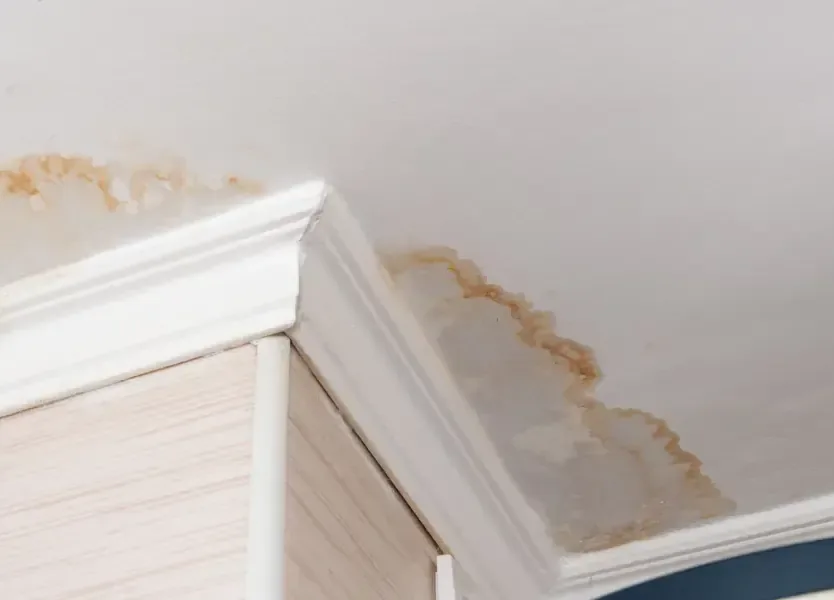
First steps for ceiling leak water damage in Easton
- 1
Keep the room clear below
A bulging or sagging ceiling warrants restricted access. Avoid moving furniture beneath the damaged section until someone qualified to assess the condition establishes a safe approach.
- 2
Report activity above the mark
Mention nearby bathrooms, visible pipe leakage or recent water entry overhead. The assessor uses those details to trace the route from the overhead source to the ceiling stain.
- 3
Protect the first observations
Photographs from a dry doorway can show the mark and any surrounding changes. Retain the discovery time and note whether dripping continues or has stopped.
- 4
Coordinate source and ceiling work
Arrange appropriate attention to the leak while the restoration assessment defines wet materials. The cavity should not be closed simply because the visible dripping has paused.
How ceiling leak water damage work is done in Easton
The edge of a ceiling stain can tell a homeowner that something changed, but it cannot show everything above the paint. Water may be held in insulation or following framing before it reaches the visible mark. In Easton, the initial assessment separates an unsafe overhead condition from a stable area that can be inspected. Occupants should remain outside a room with sagging ceiling material rather than trying to release collected water themselves.
What does ceiling leak water damage cost in Easton, MA?
Ceiling cleanup costs in Easton depend on safe access, damaged overhead materials and moisture above the finish. Adjoining wall involvement or several wet ceiling sections can expand the restoration work beyond the visible stain.
Localized ceiling wetting
$1,000 to $2,000
Ceiling and room damage
$2,000 to $5,000
Several overhead areas
$5,000 to $9,000+
Ranges are typical, not a quote: category of water, square footage, material class and how fast drying started move the number most. Run the water damage cost calculator for a closer range.
The ceiling leak water damage process in four steps
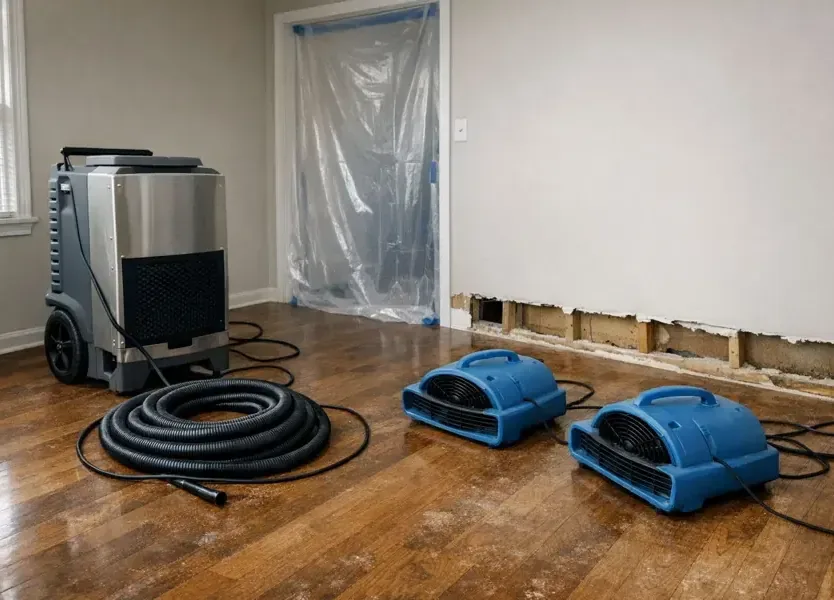
The drying plan follows the materials, water category and access conditions recorded during inspection. Technicians compare repeat measurements with an unaffected reference and adjust equipment when moisture stops falling.
Step 1 Assess overhead condition before entry
The first assessment establishes room access and the visible ceiling condition, then relates the damaged area to the likely source and the spaces above it.
Step 2 Define moisture beyond the paint mark
Checks follow ceiling edges, accessible framing and upper wall junctions so the scope includes hidden wetting rather than only the discolored finish.
Step 3 Create access and controlled drying
Necessary removal opens damaged areas for treatment while retained overhead materials receive drying conditions suited to their arrangement and level of absorbed moisture.
Step 4 Assess the cavity before finish work
Closing measurements and photographs explain which materials completed drying and what replacement work remains before the ceiling can be finished again.
Use the room above to narrow the source
A bathroom, supply pipe or roof space above the mark gives different starting points for source investigation. The inspection considers what is actually present and whether leakage is continuing. A dry ceiling edge can sit next to a much wetter cavity, so measurements and safe access are needed to define the affected area.
- Record whether the mark changes when a fixture operates.
- Note droplets near trim without touching nearby electrical fixtures.
- Photograph the stain boundary from a safe room entrance.
- Identify any visible water on the level above the room.
Separate town location from the overhead problem
Oakes Ames Memorial Hall, The Rockery and Stonehill College are local landmarks that can help place a property request. The ceiling assessment itself follows the specific room layout. A mark near a corner warrants checking the upper wall as well as the flat overhead surface, because moisture may cross the junction between them.
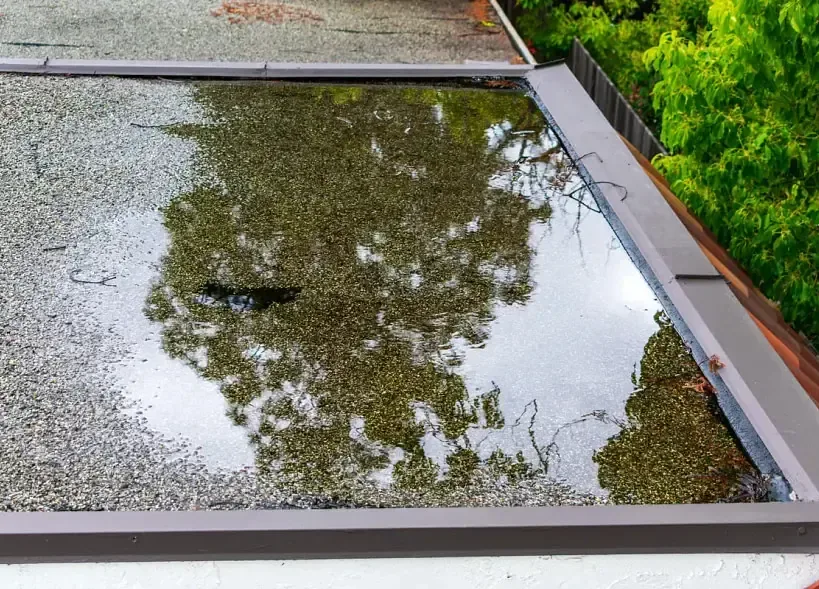
Where water originated from roof entry, roof leak cleanup may form part of the broader restoration scope. Source correction remains essential before an opened ceiling is closed.
Prepare the cavity for a sound closing decision
Damaged ceiling sections may require controlled removal to inspect and dry the remaining assembly. Retained framing and adjoining surfaces then need appropriate airflow and moisture checks. The closing record should identify the materials treated, the locations checked and any finish replacement still required. That sequence gives the owner a clear reason for closing the cavity rather than relying on a stain that has faded or paint that feels dry.
Ceiling leak water damage across Easton and nearby towns
For an Easton ceiling assessment, describe the property location and affected level, then explain any access restrictions. A clear account of sagging, dripping and nearby rooms helps prioritize the overhead inspection safely.
The same service nearby: ceiling leak water damage in Stoughton, Mansfield, Brockton.
Related water damage services in Easton
Ceiling Leak Water Damage questions in Easton, MA
Still dealing with it?
Describe the stain, any sagging and the room above it so safe overhead assessment can start with the right information.
(888) 480-6221Request a ceiling condition assessment01Should a bulging ceiling be punctured?
Occupants should stay clear of unstable overhead material. Safe assessment determines how collected water and damaged sections can be handled without exposing people beneath the ceiling.
02Can the stain sit away from the leak?
Water can follow framing or other surfaces before emerging. The source investigation therefore considers the space above and around the mark rather than just its center.
03Does stopped dripping mean the ceiling is dry?
No. Absorbed water can remain in insulation, framing and ceiling layers. Measurements establish whether drying or access is still needed after the active drip ends.
04Will the upper wall need inspection too?
A ceiling corner can carry moisture into the adjoining wall. Checking that junction helps define the whole affected assembly before drying equipment or removal is planned.
05Can the mark simply be painted over?
Source correction and drying should come first. Paint changes the appearance but leaves wet layers concealed, making an unresolved overhead problem harder to observe.
06What belongs in the closing assessment?
The record should show treated ceiling sections, final material findings and remaining source or finish work. That information supports a clear decision about closing the opened cavity.
Follow the moisture above the mark
An overhead leak needs a plan for source control, safe material access and drying. Arrange a assessment before the damaged finish is covered again.