Easton Roof Leak Water Damage
Rain entering above a room may travel before it becomes visible indoors. Restoration follows the resulting wet insulation, ceiling edges and wall surfaces while roof source work prevents the next rainfall from repeating the damage.
(888) 480-6221Trace the indoor rainwater path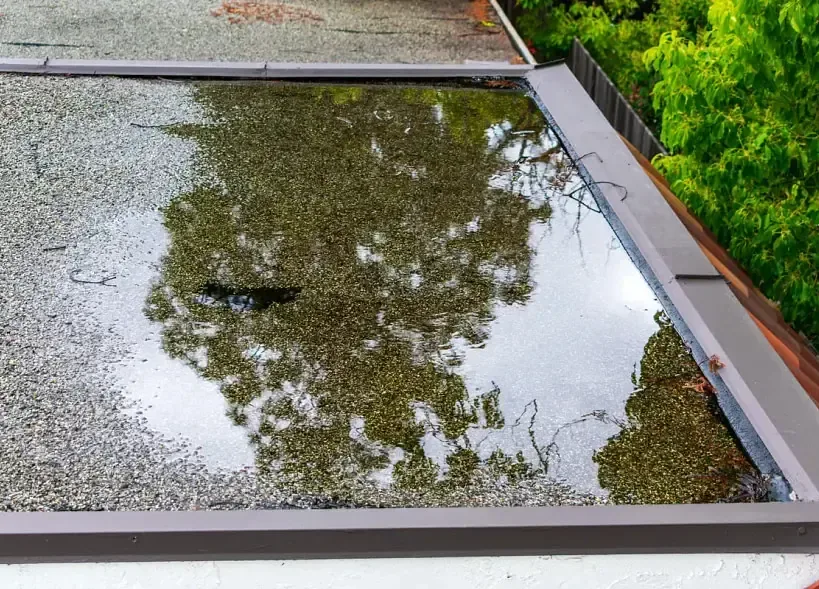
First steps for roof leak water damage in Easton
- 1
Observe from a safe indoor position
Record new stains or drips without climbing onto the roof or entering an uncertain attic space. Keep away from wet fixtures and sagging ceiling areas.
- 2
Note when the mark changes
A simple account of rainfall and visible interior changes can assist source investigation. Photographs should include the ceiling edges and nearby walls as well as the main stain.
- 3
Arrange attention to roof entry
The opening above needs appropriate assessment and correction. Coordinate that work with interior cleanup so a new period of rainfall does not wet materials already being treated.
- 4
Identify contents beneath the leak
Mention furnishings, stored items and room access limitations. Safe relocation may be needed to inspect the floor below or create space for controlled overhead material handling.
How roof leak water damage work is done in Easton
A wet ceiling after rain is an interior symptom of a source above it. The water may have crossed framing, soaked insulation or entered a wall before the stain appeared. For a roof leak in Easton, cleanup needs to trace that indoor route while appropriate roof work addresses the opening. Waiting for the weather to clear can stop the visible drip without resolving the moisture already held inside the building.
What does roof leak water damage cost in Easton, MA?
Roof leak restoration costs in Easton depend on interior access and the materials reached by rainwater. Attic involvement, multiple ceiling areas and concealed wall wetting affect the scope; roof source work should be itemized separately.
Localized interior entry
$1,000 to $2,500
Attic and room wetting
$2,500 to $6,000
Broad overhead loss
$6,000 to $10,000+
Ranges are typical, not a quote: category of water, square footage, material class and how fast drying started move the number most. Run the water damage cost calculator for a closer range.
The roof leak water damage process in four steps
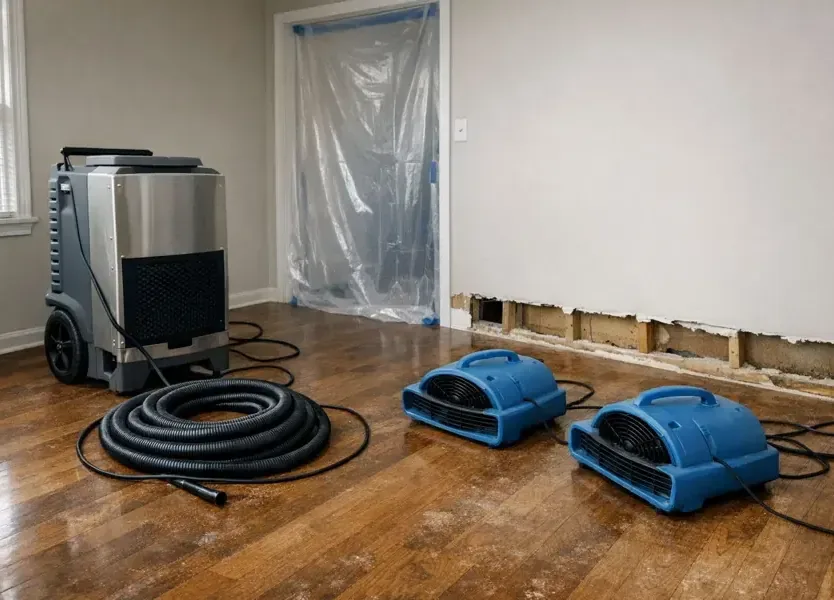
The drying plan follows the materials, water category and access conditions recorded during inspection. Technicians compare repeat measurements with an unaffected reference and adjust equipment when moisture stops falling.
Step 1 Connect the visible stain with access
The assessor examines the affected room and overhead spaces, noting ceiling condition and the locations where water appears during or after rain.
Step 2 Identify the interior materials holding water
Inspection follows accessible framing, insulation and ceiling junctions to define which layers can remain and which require removal for a practical drying path.
Step 3 Dry while source work is coordinated
Equipment treats the retained wet assembly while the status of roof entry is tracked, reducing the risk of closing materials that may receive water again.
Step 4 Document readiness for interior finishing
The closing assessment records the treated overhead areas, drying findings and any unfinished roof or surface work so the next stage has a clear starting point.
Describe the rain pattern and interior change
A Furnace Village property request can begin with the room where staining appeared and whether it changes during rain. In Five Corners or Alger's Corner, the same observations help establish where the interior inspection should start. The assessment then checks the actual overhead access rather than assuming every property has the same roof space or ceiling construction.
- A ceiling seam may reveal water traveling along framing.
- Wet upper wall paint suggests inspection beyond the flat ceiling.
- Accessible insulation can retain moisture after the drip slows.
- Stored attic contents may conceal a section of the water path.
Keep roof correction and interior drying connected
The roof defect requires appropriate source attention. Restoration focuses on absorbed water and damaged finishes inside the building. These tasks should be coordinated so retained materials do not become wet again while equipment is operating. A source status note helps the owner understand whether the interior is ready for closing or still needs protection from further entry.
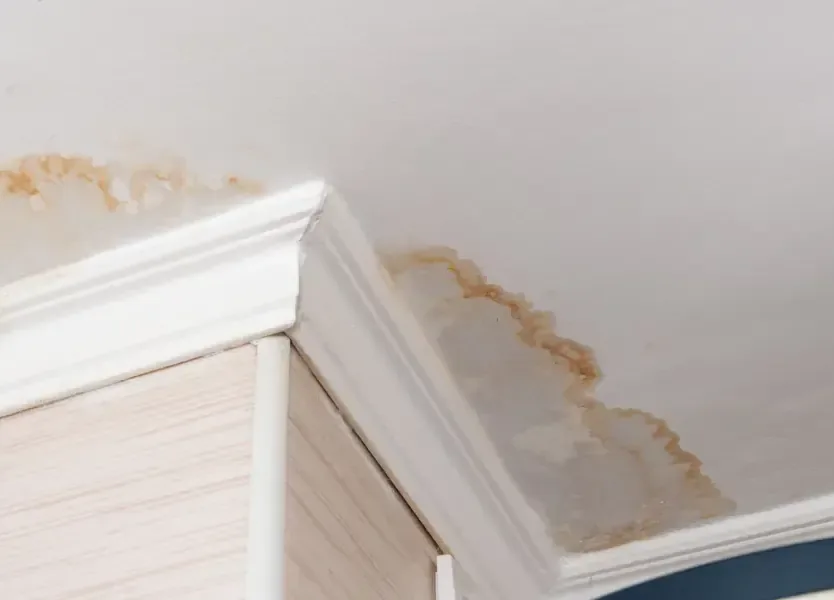
Ceiling water damage assessment is especially relevant when overhead material has softened or sagged. Occupants should avoid unstable areas and leave attic or roof access to an appropriate professional.
Check the concealed layers before finishing
Some wet insulation or damaged finish material may need removal to expose a workable drying surface. Framing and other retained layers are then checked as conditions improve. Overhead pockets need their own moisture checks even after the room below has dried. The final assessment should connect measurements to specific ceiling and wall locations, identify completed drying and describe any remaining roof or finish work before the affected assembly is covered again.
Roof leak water damage across Easton and nearby towns
Easton properties in Furnace Village, Five Corners and Alger's Corner can request interior roof leak assessment. The affected room, overhead access and current source condition help establish the practical cleanup and drying sequence.
The same service nearby: roof leak water damage in Stoughton, Mansfield, Brockton.
Related water damage services in Easton
Roof Leak Water Damage questions in Easton, MA
Still dealing with it?
Describe where rainwater appears indoors and whether the mark changes during rainfall to focus the overhead assessment.
(888) 480-6221Discuss interior roof leak damage01Does clear weather solve the interior problem?
It may stop new rain entry temporarily, but soaked materials can remain wet. Interior assessment establishes what still needs drying while roof work addresses the source.
02Can a roof leak affect an upper wall?
Yes. Water can cross the ceiling junction and enter the wall assembly. Nearby surfaces need checks when their condition suggests a continuation of the overhead path.
03Should occupants climb into a wet attic?
Uncertain footing, wiring and damaged material can make access unsafe. An appropriate assessment should establish access before anyone enters the space to inspect wet layers.
04Is roof work included in interior cleanup?
The estimate should distinguish correction of the roof opening from water recovery and drying indoors. Coordinating both scopes helps prevent the same materials from becoming wet again.
05Must all insulation be removed?
The decision depends on its condition, wet extent and access requirements. Inspection should identify the affected sections and explain which material prevents the surrounding assembly from drying.
06When can ceiling finishing proceed?
Source status and material dryness should both support closure. The final record identifies completed drying and remaining work before an opened ceiling receives replacement finishes.
Resolve moisture after rain entry
Arrange inspection of the ceiling, accessible overhead layers and adjoining walls before the stained surface is refinished.