Roof Leak Water Damage in Brockton
A roof opening can wet several layers before a stain appears inside. Interior recovery traces that route through accessible spaces and coordinates drying with correction of the entry point above the room.
(888) 480-6221Discuss rainwater inside the ceiling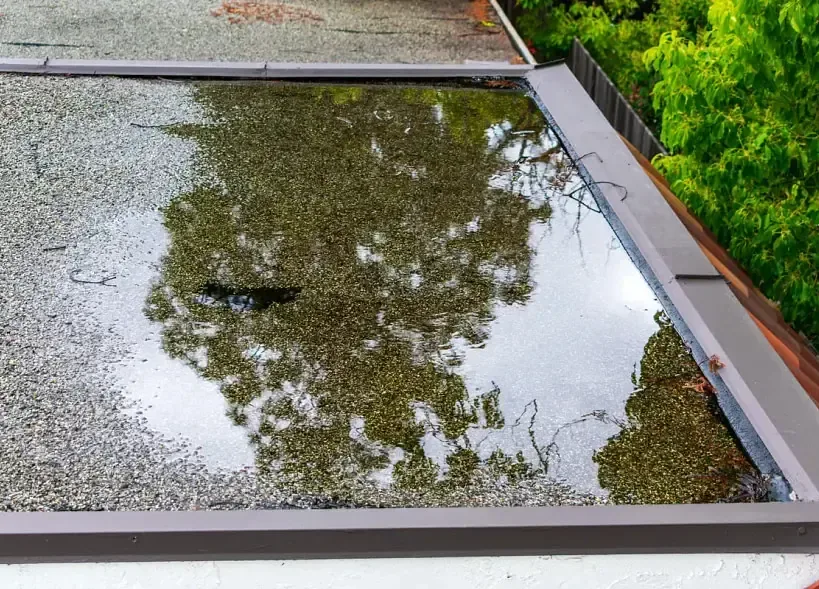
First steps for roof leak water damage in Brockton
- 1
Record the weather connection
Note whether the ceiling changed during rain, after snow or between wet periods. Interior photographs can connect the entry history with the restoration assessment.
- 2
Keep roof access professional
Occupants should not climb onto wet roofing to find an opening. A suitable roof professional can evaluate entry control while interior conditions are assessed from safe accessible areas.
- 3
Move away from overhead hazards
A sagging ceiling or dripping electrical fixture requires a boundary around the room below. Describe the condition without touching the fixture or standing beneath loose wet finishes.
- 4
Identify repeated wet rooms
Mention every room where marks recur, including closets and adjoining ceiling edges. These observations help the assessment trace a shared water route instead of treating each stain as isolated.
How roof leak water damage work is done in Brockton
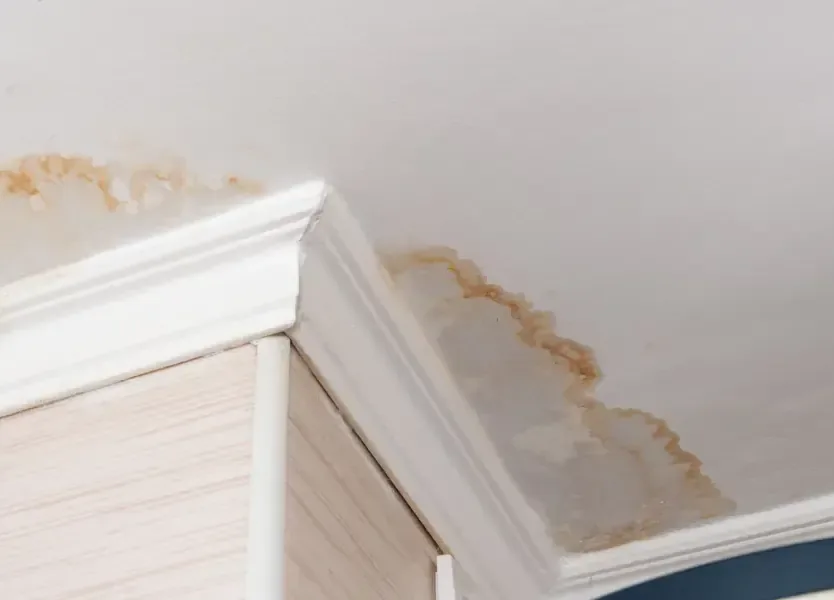
Rainwater may first appear as a ceiling edge that darkens during a storm, then fades between wet periods. At a property in Campello, that pattern is useful information for the roof professional and the interior cleanup assessment. The visible mark is only one stop along the route. Water can cross roof framing, insulation and penetrations before reaching the occupied room, so the restoration scope needs to consider the layers above the stain.
What does roof leak water damage cost in Brockton, MA?
Roof leak interior cleanup in Brockton varies with wet ceiling layers, insulation and access to framing. The restoration estimate should state its drying and removal work separately from roof correction and replacement of damaged interior finishes.
Localized interior entry
$1,000 to $2,500
Attic and room wetting
$2,500 to $6,000
Broad overhead loss
$6,000 to $10,000+
Ranges are typical, not a quote: category of water, square footage, material class and how fast drying started move the number most. Run the water damage cost calculator for a closer range.
The roof leak water damage process in four steps
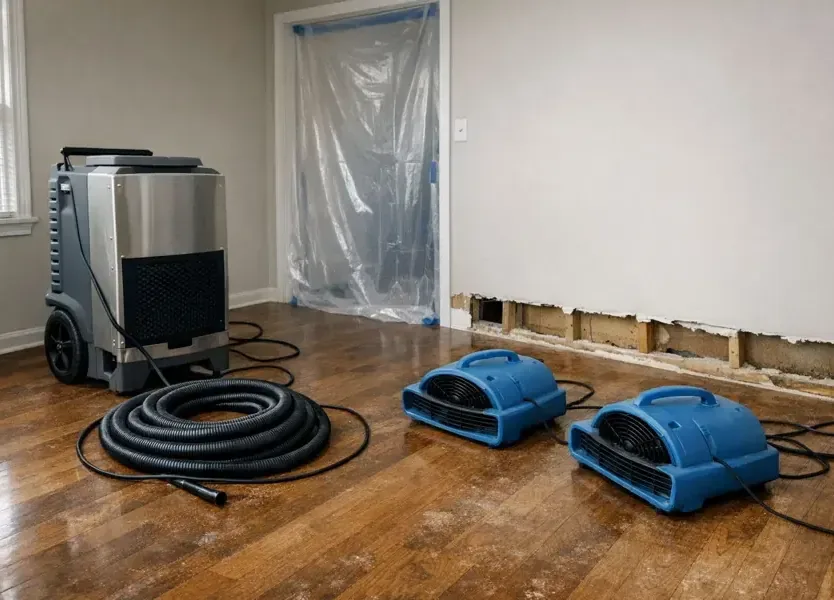
The drying plan follows the materials, water category and access conditions recorded during inspection. Technicians compare repeat measurements with an unaffected reference and adjust equipment when moisture stops falling.
Step 1 Connect the stain to entry history
The assessment records when the interior changed, identifies safe roof space access and coordinates with the trade addressing the exterior opening that admitted water.
Step 2 Inspect the overhead assembly
Ceiling finishes, accessible insulation and framing are considered separately so the scope reflects the layers actually affected along the observed interior water route.
Step 3 Create effective drying access
Damaged or obstructing material is addressed where needed, allowing equipment to reach retained wet surfaces while the occupied room below remains clearly separated from work.
Step 4 Check readiness for finish work
The closing record describes material measurements and any remaining access limits, distinguishing completed interior drying from roof correction and the installation of replacement ceiling finishes.
Bring the entry history to the assessment
Brockton's climate table records winter snowfall. Roof related interior wetting can therefore require attention to weather conditions as well as the location of the symptom. Occupants can describe when the stain changed and whether water appeared in another room. Climbing onto the roof or entering an unsafe roof space is not part of that observation task.
For a Montello property, the assessment should identify safe interior access and coordinate with the professional correcting the roof opening. Interior drying can lose progress when another wet period sends water through the same route. The scope needs a clear account of how continuing entry is being addressed.
Separate finish damage from wet layers above
A peeling surface may conceal wet insulation or framing. Any removal should have a defined purpose: eliminating damaged material, exposing retained layers or creating a workable drying path. The room below needs protection before overhead material is disturbed.
- Map ceiling marks across adjoining rooms and closets.
- Inspect accessible framing along the apparent water route.
- Assess insulation condition separately from the visible ceiling finish.
- Keep wet light fixtures outside occupant handling.
Use readings to avoid premature closure
At a Cary Hill property, the drying setup should match the actual accessible space, retained materials and occupied room beneath it. Air movement on the ceiling surface cannot be assumed to reach every wet layer above. Ceiling damage assessment helps define where access is needed.
Material readings taken at consistent points show whether the affected assembly is progressing. If moisture remains concentrated in an enclosed section, the team can reassess access or equipment placement. Final notes should identify the checked layers and distinguish the interior dry out from roof repair and later ceiling finish replacement.
Roof leak water damage across Brockton and nearby towns
Interior roof leak cleanup serves Brockton properties in Campello, Montello and Cary Hill. Descriptions of ceiling changes, repeated wet periods and available roof space access help organize the assessment without occupant roof climbing.
The same service nearby: roof leak water damage in Stoughton, Easton, Braintree.
Related water damage services in Brockton
Roof Leak Water Damage questions in Brockton, MA
Still dealing with it?
Recurring rain marks and wet overhead layers need a coordinated plan for entry control and interior recovery.
(888) 480-6221Describe the rain related stain01Does repainting stop a recurring roof stain?
Paint covers discoloration but does not correct rain entry or dry concealed layers. The opening above and the affected interior assembly need separate assessment before cosmetic work begins.
02Should the attic be entered immediately?
Only safe accessible spaces should be approached. Wet electrical components, unstable surfaces or uncertain footing require qualified assessment before anyone enters to follow the interior water path.
03Can insulation hide continued wetting?
Insulation can conceal framing and complicate access to wet surfaces. Its condition and position should be evaluated when deciding what can remain and how retained materials will dry.
04Why coordinate with the roof professional?
A corrected entry point helps prevent repeated wetting during recovery. Sharing the interior symptom pattern also helps connect exterior work with the rooms and assemblies requiring cleanup below.
05Are all ceiling stains part of one leak?
An assessment should trace the observed patterns and source information. Separate marks may connect through an overhead route, but the actual affected areas need inspection before the scope is set.
06What supports the final drying decision?
Recorded material checks should show the condition of retained layers before closure. The handoff should identify any area that remains inaccessible and separate drying completion from cosmetic finish replacement.
Restore the layers beneath the roof opening
The weather pattern, affected rooms and safe access points help shape removal and drying while a roof professional addresses the source.