Easton Frozen Pipe Water Damage
A frozen pipe may begin releasing water when flow returns, leaving damage in a space that seemed quiet earlier. Cleanup needs the thaw history, rupture location and a check of every connected surface reached by the release.
(888) 480-6221Assess the thaw-related water spread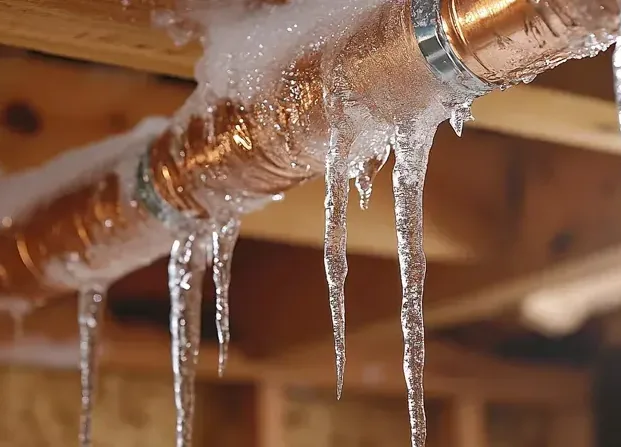
First steps for frozen pipe water damage in Easton
- 1
Report the return of water flow
Note when a fixture stopped flowing and when leakage first appeared. The thaw sequence helps connect the reported pipe problem with the rooms now showing water damage.
- 2
Keep away from unsafe thawing methods
Do not apply open flame or improvised heat to a suspected frozen section. Appropriate pipe attention should establish a safe source correction while occupants avoid wet electrical areas.
- 3
Limit another supply release
A safely accessible and correctly identified shutoff may limit new water. Report whether the supply is closed so the restoration assessment understands the present condition of the source.
- 4
Identify lower and adjoining damage
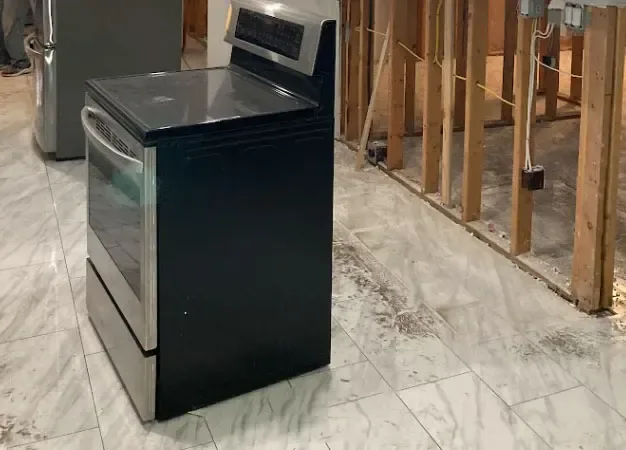
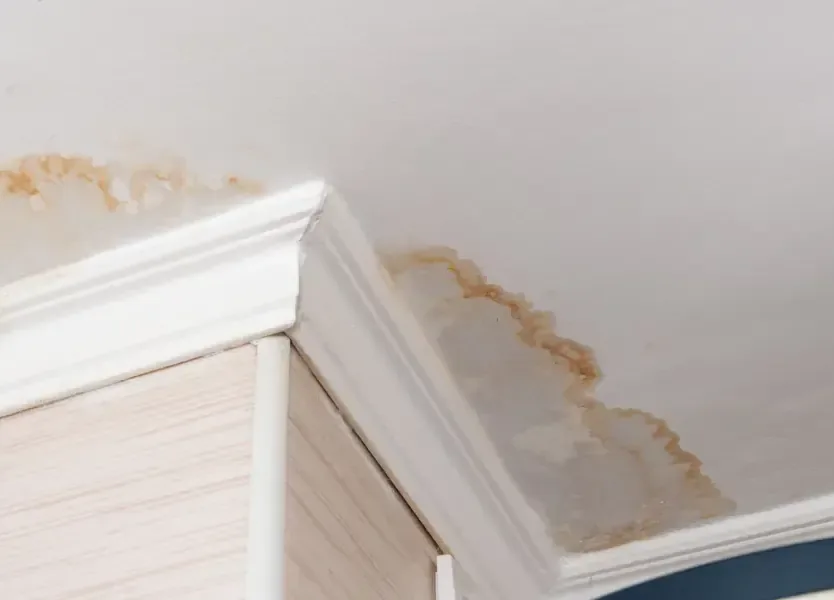
Describe ceiling marks, wet wall bases and flooring beyond the pipe location. These observations help trace concealed travel before extraction and drying equipment are placed in the building.
How frozen pipe water damage work is done in Easton
A pipe that stopped delivering water can become an active release point as it thaws. The first sign indoors may arrive later, when water reaches a ceiling edge or spills from a wall cavity. Frozen pipe cleanup in Easton starts with the reported sequence: when flow changed, when water appeared and whether the supply is now controlled. Those details help connect the suspected rupture with the building materials that absorbed its release.
What does frozen pipe water damage cost in Easton, MA?
Frozen pipe cleanup costs in Easton depend on the water released during thawing and the assemblies it reached. Concealed access, lower-level spread and several wet cavities can expand restoration beyond correction of the original pipe rupture.
Single contained release
$1,500 to $3,000
Concealed cavity spread
$3,000 to $7,000
Several thaw-related losses
$7,000 to $12,000+
Ranges are typical, not a quote: category of water, square footage, material class and how fast drying started move the number most. Run the water damage cost calculator for a closer range.
The frozen pipe water damage process in four steps
The drying plan follows the materials, water category and access conditions recorded during inspection. Technicians compare repeat measurements with an unaffected reference and adjust equipment when moisture stops falling.
Step 1 Assess the source history and current control
The assessment records the reported thaw sequence, pipe findings and supply status before connecting those details with the visible wet surfaces in the property.
Step 2 Map water beyond the source opening
Inspection follows accessible cavities, adjacent floors and lower ceilings to define the cleanup boundary, including areas that became wet after flow returned to the affected pipe.
Step 3 Recover water and establish workable drying
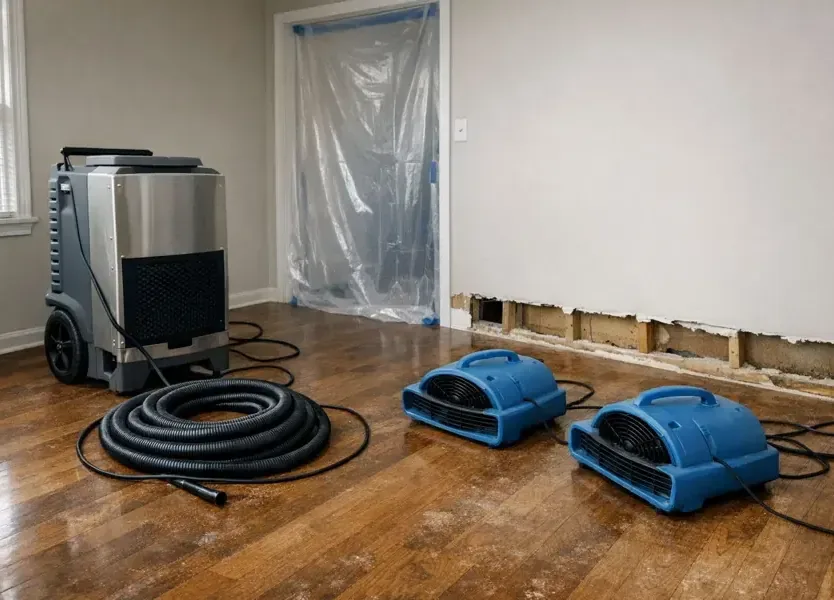
Extraction reduces accessible liquid, while necessary openings and equipment placement create a drying path for retained materials under the room conditions present during the work.
Step 4 Verify material progress before cavity closure
Repeated checks establish drying response, and the final assessment identifies completed restoration separately from any remaining source, insulation or finish work around the opened assembly.
Trace the release rather than the cold spot
A property in Alger's Corner may show water below the reported pipe location, while a Furnace Village or Eastondale request may describe damp flooring beside an enclosed chase. The inspection follows the actual wet route in each building. The spot where a pipe froze and the area needing restoration can differ because water travels through openings and across connected surfaces.
- Note any new dripping after normal water flow returned.
- Describe wet surfaces in rooms adjoining the pipe location.
- Check visible lower ceilings from a safe position outside damage.
- Report whether more than one fixture showed interrupted flow.
Coordinate pipe attention before closing cavities
Appropriate plumbing assessment establishes the rupture condition and addresses the source. Occupants should not use an open flame or improvised heating around the pipe. Restoration focuses on recovering released water and identifying wet building layers. If the source remains unresolved, reopening the supply can add another release to areas already being treated.
Burst pipe cleanup covers the water pathway when a rupture affects connected rooms. The drying boundary should reflect those rooms rather than stop at the place where pipe access was made.
Dry the affected assembly with usable conditions
Retained materials need both access and suitable room conditions to release absorbed moisture. An enclosed or cold cavity may require an adjusted approach compared with an exposed surface in an occupied room. Progress measurements show whether the chosen setup is working. The closing record should distinguish completed drying from remaining pipe, insulation or finish work, allowing the owner to understand what must happen before the cavity is enclosed and the affected rooms return to ordinary use.
Frozen pipe water damage across Easton and nearby towns
Easton properties in Alger's Corner, Furnace Village and Eastondale can request assessment after a reported frozen pipe release. The thaw history, source location and affected rooms help establish the inspection and drying sequence.
The same service nearby: frozen pipe water damage in Stoughton, Mansfield, Brockton.
Related water damage services in Easton
Frozen Pipe Water Damage questions in Easton, MA
Still dealing with it?
Describe interrupted flow, the first new drip and present supply status so the assessment can follow the thaw-related release.
(888) 480-6221Discuss damage after the thaw01Can leakage appear after the cold period ends?
A damaged pipe may release water as flow returns during thawing. The timing of new drips helps source assessment connect the rupture with affected building materials.
02Should a pipe be thawed with a flame?
Open flame is unsafe around a suspected frozen pipe and surrounding building materials. Appropriate plumbing attention should establish a safe approach to the source condition.
03Does one visible rupture define all the damage?
The water may travel into adjoining cavities and lower rooms. Inspection follows that spread rather than assuming the source opening represents the entire wet area.
04Why ask whether the supply was reopened?
Restored flow can add new water through an unresolved rupture. Current supply status helps the assessment understand whether cleanup faces a continuing release or residual absorbed moisture.
05Can a cold cavity need different drying treatment?
Room conditions affect how retained materials release water. Measurements help determine whether access or equipment arrangements need adjustment for the particular wet cavity being treated.
06What should be checked before the wall closes?
Source status and retained material dryness both matter. The closing record should identify completed drying and any remaining pipe, insulation or finish work before enclosure.
Address the water left by the rupture
Arrange a assessment of wet cavities and connected rooms, with source coordination and material readings supporting the final drying decision.