Frozen Pipe Water Damage in Brockton
Reduced flow during cold weather can precede water appearing as a damaged pipe thaws. Recovery needs source evaluation, safe access and checks around concealed spaces that may have received water before the release became visible.
(888) 480-6221Discuss water appearing after a thaw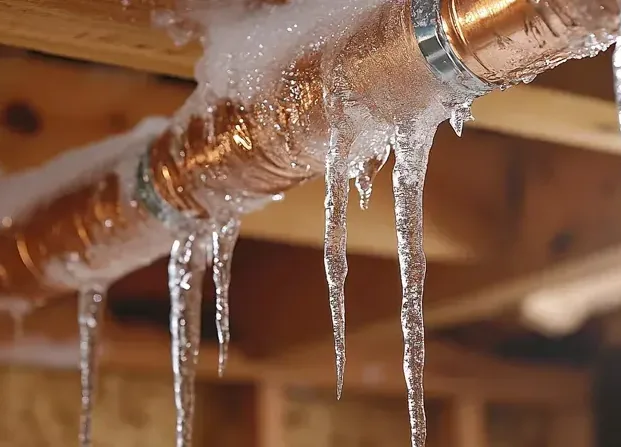
First steps for frozen pipe water damage in Brockton
- 1
Report the cold weather sequence
Describe the flow change, first visible water and changing building conditions. That sequence helps source evaluation and the search for concealed wet materials after a thaw.
- 2
Leave pipe heating to professionals
Improvised heating can create additional hazards around a damaged supply. The appropriate plumbing professional should establish safe handling, source control and repair before the affected section returns to normal use.
- 3
Watch adjacent spaces safely
From dry footing, note new floor dampness or ceiling changes beyond the first symptom. Water emerging from a concealed cavity may affect another room before the original source becomes accessible.
- 4
Preserve the repair findings
Keep the failed location, discovery photos and shutoff details together. Restoration notes can then connect openings and drying checks to the release rather than the room appearance.
How frozen pipe water damage work is done in Brockton
A pipe can show reduced flow before any water damage is visible in the room. When a damaged section thaws, the release may enter a cavity first and appear at a floor edge later. For a Brockton property, the sequence matters: when flow changed, when moisture appeared and whether a shutoff stopped further water. Those observations help a plumbing professional evaluate the failure while restoration traces its effect on surrounding materials.
What does frozen pipe water damage cost in Brockton, MA?
Frozen pipe water damage cleanup in Brockton depends on concealed spread, affected levels and drying access. The restoration estimate should identify recovery and material work separately from pipe repair and any improvements intended to reduce future cold exposure.
Single contained release
$1,500 to $3,000
Concealed cavity spread
$3,000 to $7,000
Several thaw-related losses
$7,000 to $12,000+
Ranges are typical, not a quote: category of water, square footage, material class and how fast drying started move the number most. Run the water damage cost calculator for a closer range.
The frozen pipe water damage process in four steps
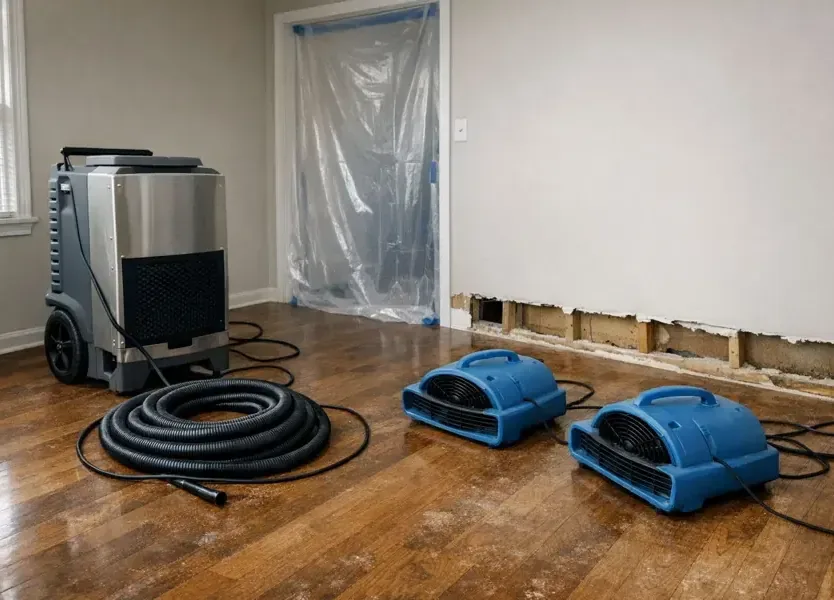
The drying plan follows the materials, water category and access conditions recorded during inspection. Technicians compare repeat measurements with an unaffected reference and adjust equipment when moisture stops falling.
Step 1 Connect flow loss with water damage
The assessment records the cold exposure history, reported supply changes and visible release, then coordinates with the plumbing professional responsible for source control and correction.
Step 2 Map the concealed spread
Inspection follows wet edges, adjoining cavities and any lower ceiling symptoms so the work boundary reflects where the released water traveled before becoming visible to occupants.
Step 3 Recover and expose affected layers
Liquid removal and selective access create a practical drying path, with material condition determining what remains and which damaged finishes need removal around the concealed release.
Step 4 Confirm recovery before closing access
Documented readings show the ending condition of retained materials, while the handoff separates completed drying from plumbing correction, future cold protection work and replacement of removed interior finishes.
Use the winter history without guessing the assembly
The January mean daily minimum in the city's climate table is 20.6 degrees Fahrenheit. At a Montello property, the actual pipe location and exposure still need direct evaluation. Occupants should avoid improvised heating and keep away from wet electrical components. The appropriate professional can determine safe handling and correction of the affected supply section.
A Campello caller can describe a cupboard, exterior facing room or other accessible location where symptoms appeared without dismantling the assembly. Notes about changing flow and later dripping help connect the event with the inspection area. The cleanup plan should remain tied to the materials actually found wet.
Trace the release as the building warms
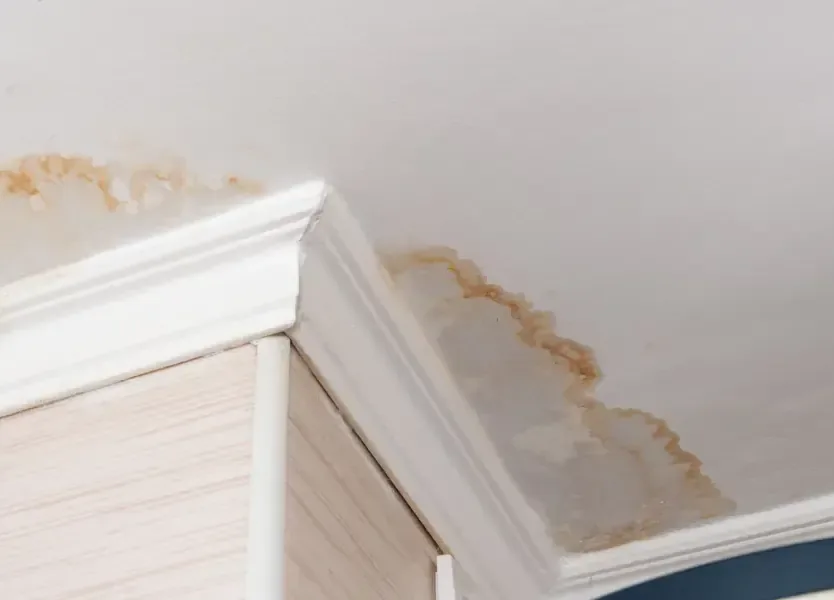
Water from a concealed split can travel along framing and penetrations. The assessment should check surrounding rooms and any space below the source, including areas where only a ceiling mark appears. Each newly visible symptom may indicate another section that needs access.
- Record the timing of reduced flow and visible water.
- Check wall bases from safe accessible positions.
- Report new ceiling changes beneath the suspected failure.
- Keep source repair notes with the damage photographs.
Keep recovery separate from future cold protection
In Cary Hill, a property specific plan should address the current wet assembly before finishes return. Burst pipe recovery and material drying can involve extraction, selective openings and equipment directed toward retained layers. Pipe correction and measures to reduce future cold exposure belong with the appropriate trade.
Repeated moisture observations show whether the affected materials are drying after the release stops. The completion record should distinguish those results from the plumbing work and any remaining finish replacement. A room that warms up has not necessarily lost the moisture held inside its walls or floor layers.
Frozen pipe water damage across Brockton and nearby towns
Thaw related interior water damage assessments cover Brockton properties in Montello, Campello and Cary Hill. Details about flow changes, shutoff actions and new symptoms across rooms help define the affected area for restoration.
The same service nearby: frozen pipe water damage in Stoughton, Easton, Braintree.
Related water damage services in Brockton
Frozen Pipe Water Damage questions in Brockton, MA
Still dealing with it?
Water appearing after reduced winter flow needs a clear source history and inspection of nearby concealed materials before the area is closed.
(888) 480-6221Review the thaw related release01Can leakage begin after water flow returns?
A damaged section may release water as it thaws. New dampness after a period of reduced flow should be reported for source evaluation and inspection of nearby concealed building materials.
02Should a pipe be heated with improvised equipment?
The appropriate professional should determine safe handling of the affected supply. Improvised heating around a damaged pipe can add hazards and should not replace evaluation of the failure and surrounding conditions.
03Why record the order of symptoms?
The sequence of reduced flow, changing conditions and visible wetting helps connect source evaluation with the damage assessment. It can also identify rooms that need inspection beyond the first visible puddle.
04Can a lower ceiling become wet later?
Water can travel through a cavity before appearing below. New staining, dripping or sagging should be reported, with occupants kept clear of wet electrical fixtures and unstable overhead finishes.
05Does warming the room dry the assembly?
Concealed layers need direct moisture assessment even after room temperatures rise. Retained materials require an effective drying path and repeat measurements that show progress once the source is controlled.
06Is future pipe protection part of cleanup?
Plumbing correction and cold exposure improvements need the appropriate trade. Restoration addresses the current wet materials, with the handoff distinguishing those tasks from drying completion and later interior finish replacement.
Follow the water left by a cold exposed pipe
Describe the flow change, first wet room and any lower ceiling symptoms to help coordinate plumbing correction with interior recovery and drying.