Burst Pipe Water Damage in Brockton
A broken supply pipe can send water through a room before its route is obvious. Recovery begins with a safe shutoff, checks across connected spaces and an organized plan for wet contents and finishes.
(888) 480-6221Discuss the burst pipe spill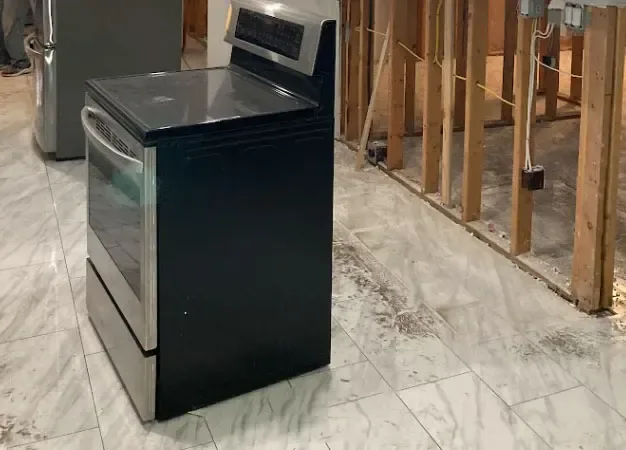
First steps for burst pipe water damage in Brockton
- 1
Use a safe shutoff
An accessible valve reached from a dry position may stop the supply release. Occupants should not cross standing water or handle wet electrical equipment to reach a suspected control.
- 2
Account for other rooms
Check from safe doorways for water beyond the source room and ceiling changes below it. Mention all affected levels when arranging an assessment, including rooms that show only stains.
- 3
Protect undamaged access
Keep dry hallways available for movement and equipment. Wet contents should not be dragged through unaffected rooms before their condition and any contamination concern have been assessed and documented.
- 4
Save the repair information
Keep the plumber's description of the failed section with discovery photographs. The cleanup record can then connect the source, affected assemblies and drying work without merging separate repair responsibilities.
How burst pipe water damage work is done in Brockton
The sound of rushing water and a spreading puddle can make the broken pipe seem like the whole problem. Once the release stops, the task becomes tracing its reach. At a Campello property, water may have crossed a doorway, entered a wall base or found a penetration to the room below. Each route needs attention before contents move and the first extraction pass removes the visible clues from the floor.
What does burst pipe water damage cost in Brockton, MA?
Burst pipe cleanup costs in Brockton rise with the number of affected rooms, concealed layers and access needs. The estimate should identify extraction, material removal and drying separately, with plumbing correction and later finish work clearly distinguished.
Contained room release
$1,500 to $3,000
Several wet rooms
$3,000 to $7,500
Multiple-level spread
$7,500 to $12,000+
Ranges are typical, not a quote: category of water, square footage, material class and how fast drying started move the number most. Run the water damage cost calculator for a closer range.
The burst pipe water damage process in four steps
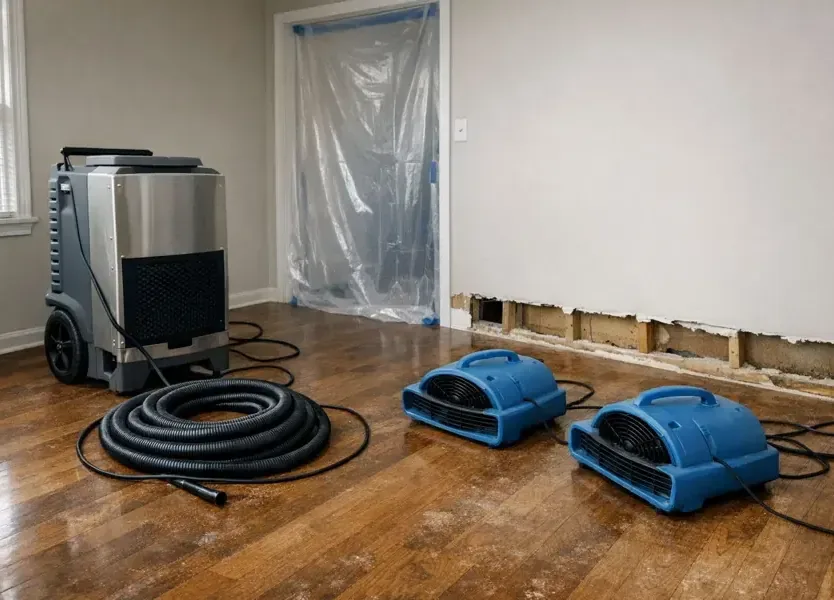
The drying plan follows the materials, water category and access conditions recorded during inspection. Technicians compare repeat measurements with an unaffected reference and adjust equipment when moisture stops falling.
Step 1 Establish the release footprint
Initial notes connect the failed supply location with wet rooms, affected belongings and any overhead changes on the level below the original event.
Step 2 Recover pooled water
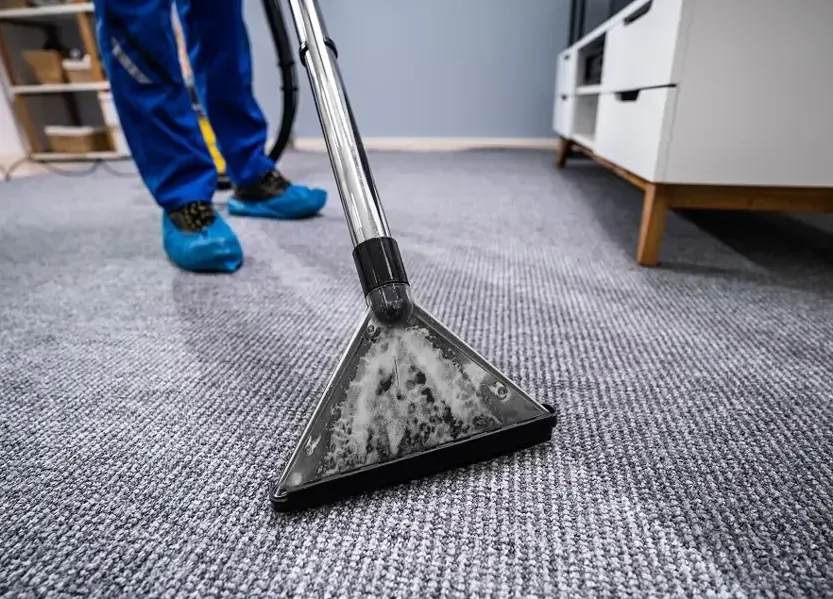
Extraction opens the floor area for closer inspection while contents handling and protected access routes keep the work organized around the occupied property.
Step 3 Reach trapped moisture
The assessment identifies wall bases, underlayers and cavities that need selective openings or directed drying beyond the surfaces cleared during the recovery stage.
Step 4 Verify retained material progress
Recorded readings track each important assembly until completion decisions can be explained, with remaining plumbing or finish tasks identified separately in the handoff documentation.
Separate the release from other entry sources
The Salisbury Plain River runs through the urban area, but a burst supply pipe has its own identifiable source and water path. The assessment should record the failed location, reported discovery time and shutoff action. Those details establish the starting point for checking surrounding assemblies and help distinguish the plumbing repair from the cleanup that remains afterward.
- Describe whether the release continued after discovery.
- Identify wet rooms above and below the pipe location.
- Keep electrical equipment beyond the wet area untouched.
- Record soaked furniture before safe movement or removal.
Recover water without losing the room record
In Montello, a room sketch can connect the original release with floor transitions and affected wall sections. Recovering standing water improves access, but it should not erase the written description of where water was found. Soft furnishings, stored belongings and fixed cabinetry may each need separate attention because they interrupt extraction and conceal wet surfaces.
The owner should receive a scope that explains which materials can be retained and which require removal. Swollen finishes, trapped water and contamination affect that decision. Opening a wet assembly needs a clear purpose, such as exposing the underside of a finish or reaching framing that cannot dry through its existing covering.
Test the spaces beyond the obvious puddle
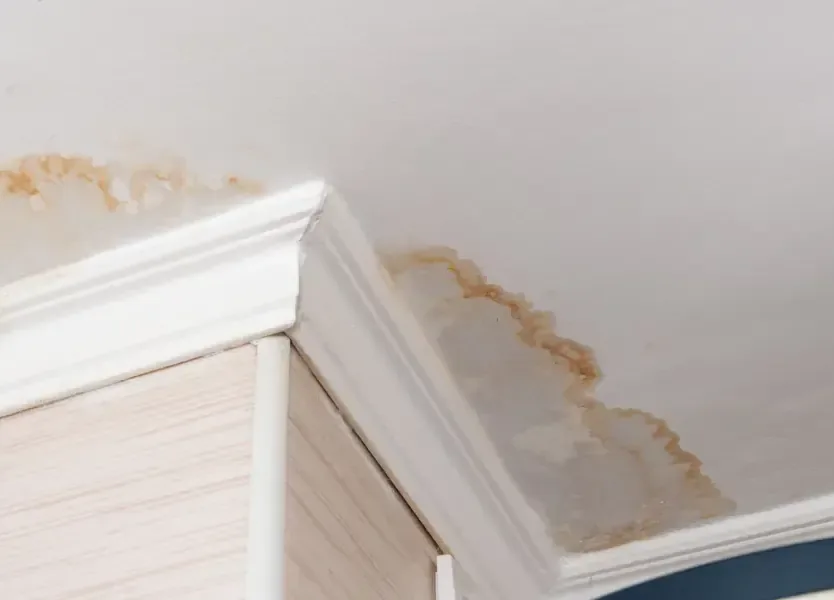
Properties in Cary Hill can be assessed for adjoining room spread and any lower ceiling changes. A wet upper floor may create a separate overhead hazard below, even after the source is controlled. Occupants should avoid sagging areas while safe access is evaluated.
After water removal, the drying plan should name the retained materials and measurement locations. Repeated observations at those points show whether the setup is working. The last cleanup note should distinguish completed drying from pipe repair and finish replacement so each part of recovery has a clear handoff.
Burst pipe water damage across Brockton and nearby towns
Burst pipe water damage assessments cover Brockton interiors in Campello, Montello and Cary Hill. Details about connected rooms, stairs and ceiling changes help establish the full inspection area after a sudden supply release.
The same service nearby: burst pipe water damage in Stoughton, Easton, Braintree.
Related water damage services in Brockton
Burst Pipe Water Damage questions in Brockton, MA
Still dealing with it?
A stopped pipe leaves a separate question: which rooms and concealed materials received water before the supply was controlled?
(888) 480-6221Review the sudden water spread01Should the supply stay off after the leak stops?
A qualified plumbing professional should determine when the affected supply can return to use. A temporary halt in visible flow is not a substitute for evaluation of the failed section and necessary correction.
02Can water reach a room below the pipe?
Openings around pipes and other penetrations can let water move between levels. A ceiling below the release deserves inspection when staining, dripping or sagging appears, with occupants kept clear of unstable overhead materials.
03Why record where furniture was standing?
Furniture can conceal wet flooring and absorb water through legs or fabric. Its original position helps explain the spread and supports an accurate contents record before items are moved for extraction and drying.
04Is all soaked drywall removed?
The decision depends on water condition, material damage and access to the cavity. The scope should explain the affected sections and why retention or removal is appropriate for each part of the wet assembly.
05How does drying follow the extraction stage?
After recoverable liquid is removed, equipment addresses moisture held in retained materials. Readings from walls, floors and other affected layers show whether that work is progressing and whether access or airflow needs adjustment.
06Can a room look recovered before drying ends?
Yes. Clear floors and clean surfaces can conceal moisture within an assembly. Final material checks should support closure and finish replacement, especially where water crossed into another room or the level below.
Organize cleanup after a supply failure
Describe the release location, affected levels and current shutoff status to help focus recovery, access decisions and the material drying plan.