Mansfield Appliance Leak Water Damage
A kitchen or laundry puddle may be the visible end of water moving behind an appliance. Mansfield cleanup checks the hidden floor and cabinet edges, then plans extraction and drying around the affected assembly.
(888) 480-6221Describe the appliance water path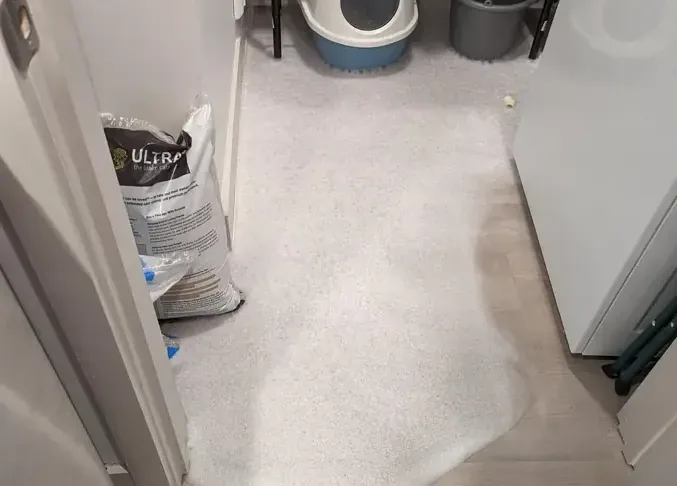
First steps for appliance leak water damage in Mansfield
- 1
Pause appliance use
Leave the appliance unused after a leak is noticed. Avoid operating wet controls or reaching behind equipment through water while the source and electrical conditions remain unassessed.
- 2
Describe the cycle and spill
Mention whether the appliance was filling, draining or idle when water appeared. This history helps identify the release type and the contact surfaces needing cleaning or material evaluation.
- 3
Keep the wet edges visible
Do not cover damp flooring with mats or stored belongings. Accessible cabinet edges and wall bases help the assessor follow the loss beyond the equipment's visible front edge.
- 4
Arrange safe equipment access
Appliance movement may require appropriate help and property permission. The cleanup plan should account for connections, room access and the hidden finishes that need inspection behind the equipment.
How appliance leak water damage work is done in Mansfield
Water appearing in front of an appliance may already have crossed the floor behind it. In Park Court, which includes accessible housing units, the initial discussion should address both the wet materials and the room access needed during cleanup. The assessment follows the appliance release into the floor assembly and nearby cabinetry, with equipment movement coordinated so the inspection can reach concealed edges without creating a new access problem.
What does appliance leak water damage cost in Mansfield, MA?
Appliance leak cleanup costs in Mansfield depend on cabinet involvement, concealed floor layers and water condition. Access behind the equipment can add work when the visible puddle connects to moisture beneath adjoining finishes or inside cabinet bases.
Accessible small leak
$900 to $1,800
Cabinet and floor spread
$1,800 to $4,500
Several concealed areas
$4,500 to $8,000+
Ranges are typical, not a quote: category of water, square footage, material class and how fast drying started move the number most. Run the water damage cost calculator for a closer range.
The appliance leak water damage process in four steps
The drying plan follows the materials, water category and access conditions recorded during inspection. Technicians compare repeat measurements with an unaffected reference and adjust equipment when moisture stops falling.
Step 1 Examine the appliance release
The assessment connects the operating history with the wet area, then checks source status and access conditions before the appliance space receives cleanup equipment.
Step 2 Inspect beyond the equipment face
Moisture checks reach floor seams, cabinet bases and adjacent wall edges, identifying concealed material that may require safe equipment movement or selected openings for access.
Step 3 Treat each affected material
Recovery and cleaning reflect the released water, while removal or drying decisions account for cabinet condition, flooring layers and the ability to reach retained wet material.
Step 4 Recheck before resetting the space
Final readings document concealed edges before the appliance area is closed, with remaining source work and damaged finish replacement identified in the record.
Understand what escaped during use
A release from a supply connection differs from used water escaping during an operating cycle. That history affects contamination and cleaning decisions. The appliance should remain unused while the source is evaluated, and the cleanup record should distinguish equipment correction from the work required on the floor, wall base and cabinet materials already wetted.
- Describe the appliance activity when the leak was noticed.
- Report water appearing beneath nearby cabinets or trim.
- Leave electrical connections alone when the surrounding area is wet.
- Keep photographs of the original puddle and adjoining finishes.
Reach the spaces hidden by equipment
Cabinet bases and flooring beneath appliances can restrict access to retained water. Surface wiping leaves those spaces unexamined. The inspection should establish where the moisture has traveled and whether safe appliance movement or selective finish removal is needed. Each opening should serve a clear purpose, such as checking a damp subfloor or reaching the back of an affected cabinet.
For a loss in East Mansfield or Whiteville, the useful details are the wet room, the appliance position and the materials around it. The service scope is then built around the actual assembly rather than the size of the visible puddle.
Confirm the floor and cabinet condition
After accessible water is recovered, structural drying follows retained moisture in the exposed layers. Cabinet material that has changed shape may require a different decision from sound framing that can dry. The closing record should explain those distinctions and identify any remaining equipment work before the appliance space is returned to ordinary use.
- Check floor seams on both sides of the appliance opening.
- Inspect adjoining wall bases behind any removable trim.
- Record why damaged cabinet material cannot remain in place.
- Recheck concealed edges before equipment is moved back.
Appliance leak water damage across Mansfield and nearby towns
Appliance leak cleanup serves Park Court, East Mansfield and Whiteville. The assessment accounts for equipment access, affected cabinet materials and flooring layers, with attention to occupied room routes and any permissions needed before concealed areas are reached.
The same service nearby: appliance leak water damage in Stoughton, Easton, Brockton.
Related water damage services in Mansfield
Appliance Leak Water Damage questions in Mansfield, MA
Still dealing with it?
An appliance leak deserves a check behind the equipment, where floor seams and cabinet edges can conceal the remaining water.
(888) 480-6221Discuss the hidden appliance spill01Should a leaking appliance be run again to test it?
The appliance should remain unused until its source issue is assessed. Another operating cycle can add water to layers already affected behind cabinets or beneath flooring.
02Why does a small puddle need cabinet checks?
Water can enter cabinet bases through hidden edges and flooring seams. Inspection needs to establish the concealed wet boundary before the loss is treated as a surface spill.
03Is all appliance water handled the same way?
No. Supply water and used operating water can require different cleaning decisions. The release history helps determine suitable handling for the contacted surfaces and belongings.
04Can the appliance be moved during cleanup?
Movement depends on safe access, connections and the equipment involved. The scope should coordinate that work so hidden finishes can be inspected without creating additional hazards.
05Will swollen cabinet material return to its original shape?
Material condition needs assessment separately from moisture content. Drying can remove retained water, but damaged finishes may still require replacement after the cleanup phase is completed.
06What should be checked before equipment is repositioned?
The floor and concealed cabinet edges need documented moisture evaluation. Source status should also be clear so the appliance does not return to use above an unresolved wet assembly.
Reach the wet materials behind the equipment
Describe the appliance activity and adjoining damp finishes so inspection can establish safe access, the water condition and a practical plan for drying.