Mansfield Water Heater Leak Cleanup
Water beside a heater can travel beneath finishes before reaching an open room. Mansfield cleanup follows that hidden spread, establishes safe equipment access and checks the materials left wet after the heater source is controlled.
(888) 480-6221Discuss water beside the heater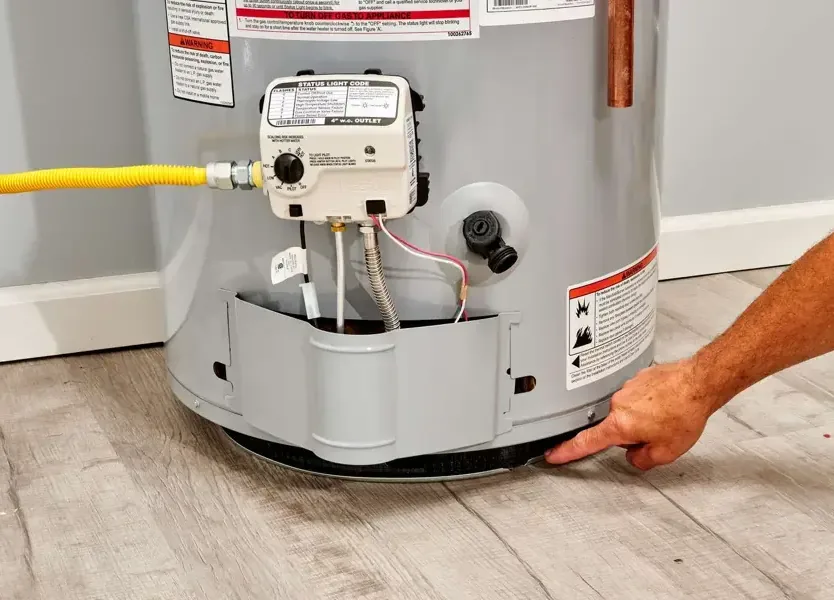
First steps for water heater leak cleanup in Mansfield
- 1
Avoid equipment controls in water
Water near a heater can involve electrical or fuel related hazards. Keep clear of wet controls and leave equipment isolation to appropriate qualified help when safe access is uncertain.
- 2
Report continuing leakage
Note whether the puddle returns after it is noticed. The source status affects which protective cleanup tasks can proceed and what must be addressed before drying is useful.
- 3
Describe neighboring finishes
Mention flooring seams, wet trim or an adjoining room that shows moisture. Those observations help direct the assessment beyond the immediately visible equipment area and its open floor.
- 4
Coordinate room entry
In managed housing, the property contact should arrange access to the affected space. Inspection may require checking surrounding materials while keeping necessary equipment access available for source work.
How water heater leak cleanup work is done in Mansfield
A puddle at the heater base is easy to notice; the moisture beneath neighboring floor finishes is less obvious. The assessment begins by establishing safe access to the equipment area and the status of the leak. In Hawthorne Court, which includes duplex houses managed by the housing authority, access coordination can also matter when the affected space adjoins another occupied area. The cleanup scope follows observed wetting through those materials.
What does water heater leak cleanup cost in Mansfield, MA?
Mansfield heater leak cleanup costs depend on spread beyond the equipment, wet floor layers and access around nearby walls. The estimate should distinguish surrounding material cleanup from work needed to correct or replace the heater itself.
Small equipment-area loss
$800 to $1,800
Water into adjoining rooms
$1,800 to $4,000
Concealed extensive wetting
$4,000 to $7,000+
Ranges are typical, not a quote: category of water, square footage, material class and how fast drying started move the number most. Run the water damage cost calculator for a closer range.
The water heater leak cleanup process in four steps
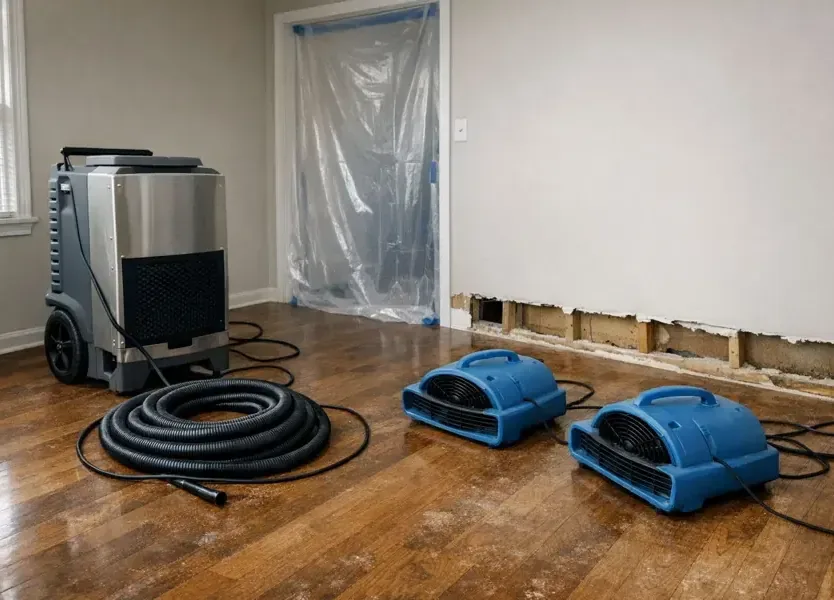
The drying plan follows the materials, water category and access conditions recorded during inspection. Technicians compare repeat measurements with an unaffected reference and adjust equipment when moisture stops falling.
Step 1 Establish safe equipment access
The initial assessment checks the leak status and surrounding hazards, then identifies a practical route for inspecting the wet floor and neighboring finishes.
Step 2 Recover water around the base
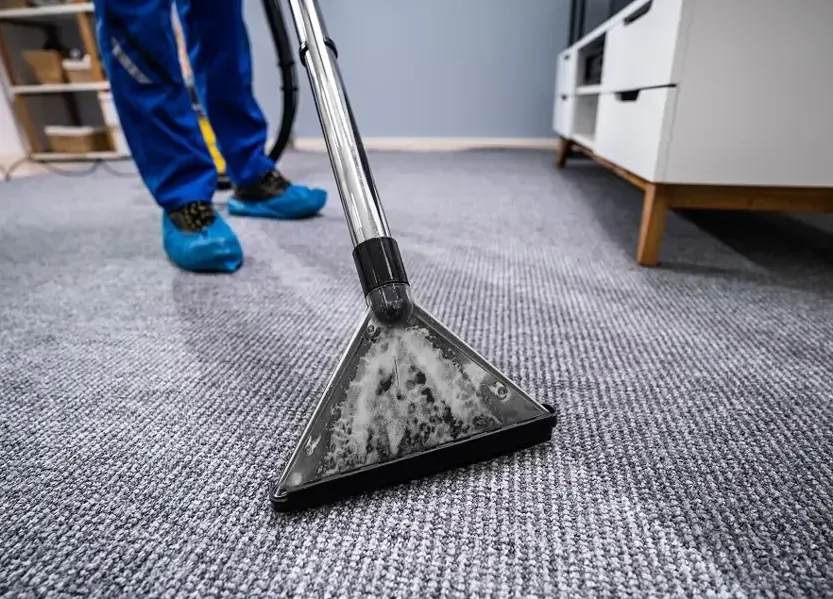
Accessible water is removed from the affected equipment area while nearby belongings and absorbent surfaces receive separate decisions based on their condition and exposure.
Step 3 Reach the concealed spread
Moisture checks determine whether wall bases or flooring layers need selective access before a drying arrangement can address the full retained wet area effectively.
Step 4 Record the surrounding condition
Closing notes describe material readings and outstanding equipment or finish tasks, giving the property owner a clear distinction between completed cleanup and other remaining work.
Resolve the equipment issue and the water damage
A heater that has stopped releasing water can leave absorbent finishes wet around its base. Equipment inspection and source correction need appropriate qualified personnel. The cleanup assessment then addresses the floor, nearby trim and any stored belongings that contacted water, with clear separation between work on the heater and work on the surrounding building.
- Keep the equipment approach clear only where access is safe.
- Report whether water continues appearing around the heater base.
- Identify nearby rooms with damp flooring or discolored trim.
- Save source work details alongside photographs of the wet area.
Check what lies beneath the puddle
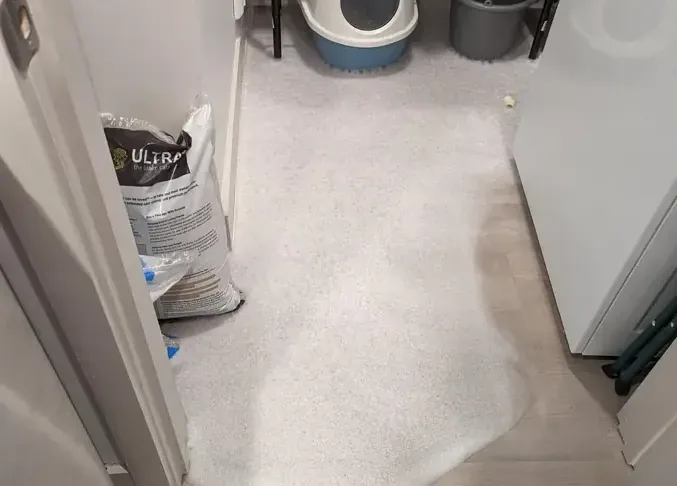
Flooring seams can admit water to underlying layers, and a wall base can absorb it beyond the equipment enclosure. Simply wiping the visible floor leaves those areas unassessed. Moisture readings establish where access is needed and whether selected finishes must be lifted so retained material can dry. The method depends on the assembly encountered at the property.
For a heater loss in Ginty Corner or Purdy Corner, the initial description should include the floor covering and any adjoining wet space. The floor covering, neighboring walls and equipment placement establish where readings are needed and which wet layers require access before drying can proceed effectively.
Prepare the area for continued drying
Structural drying begins with the materials that remain after extraction and necessary removal. Equipment should have a usable airflow path while preserving safe access to the heater area. Progress readings then show whether moisture is declining or whether another concealed section needs investigation before the floor and wall finishes are closed again.
- Document the wet boundary beyond the equipment footprint.
- Keep drying routes separate from ordinary household movement.
- Recheck wall bases adjoining the affected flooring.
- Record source completion before finishing the equipment enclosure.
Water heater leak cleanup across Mansfield and nearby towns
Heater leak cleanup includes Hawthorne Court, Ginty Corner and Purdy Corner. Assessment focuses on safe equipment access and the actual path into surrounding finishes, with coordination for occupied or managed spaces when entry permissions are needed.
The same service nearby: water heater leak cleanup in Stoughton, Easton, Brockton.
Related water damage services in Mansfield
Water Heater Leak Cleanup questions in Mansfield, MA
Still dealing with it?
Water beside a heater deserves attention to the floor layers and neighboring finishes beyond the first visible puddle.
(888) 480-6221Explain the heater area loss01Does a heater puddle require checking other rooms?
It can. Water may pass beneath finishes into adjoining areas, so the inspection should follow damp edges and floor transitions beyond the immediate equipment footprint.
02Is heater replacement included in cleanup?
Equipment correction and water damage cleanup need separate scopes. The cleanup assessment concerns the wet building materials and belongings around the heater after source status is established.
03Can a wet equipment closet be entered?
Access depends on electrical, fuel and other conditions around the heater. A homeowner should stay outside an uncertain wet area until appropriate qualified personnel establish a safe approach.
04Why check the wall behind the heater?
Wall bases can absorb water from the floor, including behind equipment where wetting is hard to see. Readings help establish whether that concealed material needs drying access.
05What happens to nearby stored belongings?
Each item needs assessment for material condition and water contact. Handling decisions should keep wet contents from carrying moisture into dry rooms or blocking the equipment access route.
06What marks completion of the drying work?
The retained floor and wall materials need documented moisture evaluation. The closing record should also identify any unresolved heater work or finish replacement before the area is enclosed.
Assess the materials around the leaking heater
Describe the source status, room access and nearby wet surfaces to help establish a practical scope for extraction and continued drying.