Easton Water Heater Leak Cleanup
Water at a heater's base can slip beneath stored items or into the next room. Cleanup examines that spread while equipment safety and correction of the leaking source are handled as separate priorities.
(888) 480-6221Assess water around the tank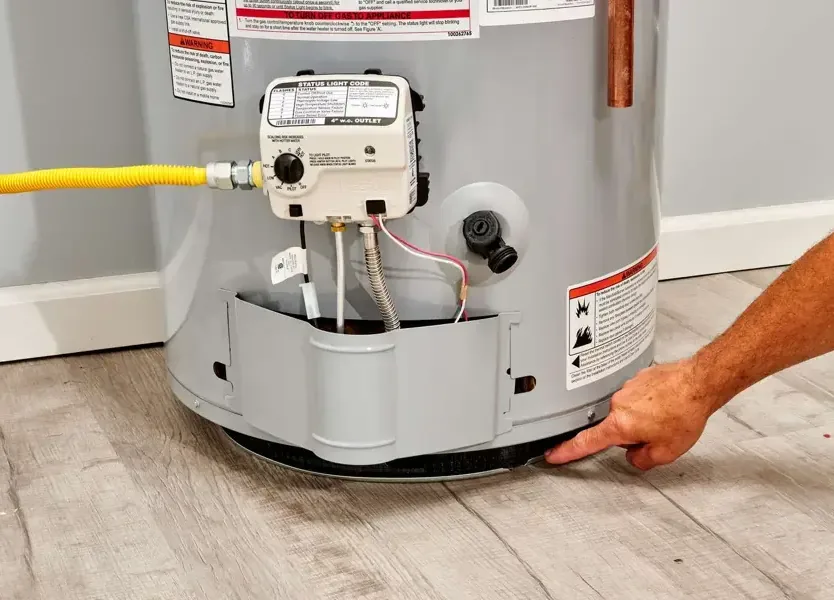
First steps for water heater leak cleanup in Easton
- 1
Stay clear of wet controls
Avoid touching the heater or nearby powered equipment while water is present. A safe equipment condition must be established before the surrounding space is used for cleanup access.
- 2
Describe where the puddle extends
Report whether water stays beside the tank or reaches walls, storage and doorways. That description helps the assessor anticipate the room surfaces that need inspection.
- 3
Arrange source attention
The heater and its connections need appropriate service to stop further release. Restoration work should be coordinated with that visit so water does not return to treated surfaces.
- 4
Record affected stored items
Photograph wet boxes and furnishings from a safe location. Their placement may explain concealed runoff and help separate contents handling from work on the building materials.
How water heater leak cleanup work is done in Easton
A puddle around a water heater often competes for space with stored household items and other equipment. Those obstructions can hide where the water went. North Easton uses ZIP 02356, while South Easton uses 02375; a cleanup request should also identify the actual room and access conditions. Whether the unit sits in a closet or a larger utility space, the assessment follows the wet floor beyond the outline of the tank.
What does water heater leak cleanup cost in Easton, MA?
Water heater cleanup in Easton is shaped by room access and water absorbed beyond the tank. The restoration ranges cover affected building materials; heater servicing or replacement should be distinguished from extraction and drying charges.
Small equipment-area loss
$800 to $1,800
Water into adjoining rooms
$1,800 to $4,000
Concealed extensive wetting
$4,000 to $7,000+
Ranges are typical, not a quote: category of water, square footage, material class and how fast drying started move the number most. Run the water damage cost calculator for a closer range.
The water heater leak cleanup process in four steps
The drying plan follows the materials, water category and access conditions recorded during inspection. Technicians compare repeat measurements with an unaffected reference and adjust equipment when moisture stops falling.
Step 1 Confirm access around the heater
The assessment identifies the safe working area, equipment concerns and surrounding contents before the restoration work is organized around the affected floor and walls.
Step 2 Trace runoff beyond the tank
Moisture checks include platform edges, nearby trim and doorway transitions so concealed spread is included before accessible water is removed from the room.
Step 3 Dry the surrounding retained materials
The treatment focuses on wet building layers, using equipment placement and access appropriate to the utility space while keeping heater service needs clearly separate.
Step 4 Assess the room after source correction
Closing documentation records the condition of floor and wall materials and identifies any remaining equipment or finish work before ordinary use resumes.
Keep equipment handling separate from cleanup
A leaking heater may involve hot water and nearby electrical or fuel connections. Occupants should avoid operating wet controls or moving the unit. Appropriate equipment service establishes a safe condition and addresses the source. Restoration then deals with the water absorbed by floor layers, the platform and adjoining walls rather than attempting to substitute drying for equipment correction.
- Stored boxes can conceal the edge of the puddle.
- Platform coverings may hold water against supporting material.
- A nearby doorway can allow runoff into another room.
- Wall trim may swell after prolonged contact with water.
Look beneath what surrounds the tank
In Furnace Village, a request can begin with the equipment room's location and the first visible wet surface. Once access is safe, inspection checks beneath movable contents and along floor transitions. A narrow wet strip beside the heater may continue beneath a finish, making moisture measurements more useful than the apparent size of the puddle.
Water removal clears accessible liquid before the remaining damp layers are assessed. The retained materials may need directed airflow, dehumidification or selective opening to create a workable drying path.
Finish with a clear division of remaining work
The closing assessment should identify the condition of the surrounding building materials and any equipment work still outstanding. A replacement heater does not remove moisture left in its surroundings. Photographs and final readings help establish which floor and wall sections completed drying and which finishes need later attention, keeping the equipment decision distinct from the restoration result.
Water heater leak cleanup across Easton and nearby towns
Easton cleanup requests can identify Furnace Village or another locality, then describe the heater's room and access. Details about wet storage, platforms and adjoining doorways help focus the assessment on surrounding building materials.
The same service nearby: water heater leak cleanup in Stoughton, Mansfield, Brockton.
Related water damage services in Easton
Water Heater Leak Cleanup questions in Easton, MA
Still dealing with it?
Describe the heater room, nearby storage and the farthest visible water mark when requesting an assessment of the affected materials.
(888) 480-6221Discuss tank area water damage01Should a leaking heater be moved immediately?
Moving the unit can involve hazardous connections and hot water. Appropriate equipment service should establish a safe approach before cleanup requires access beneath or around the heater.
02Can the tank replacement leave damage behind?
Yes. Water absorbed by nearby flooring or walls remains after equipment replacement. Those materials need a separate moisture assessment and drying plan based on their condition.
03Why inspect outside the utility closet?
A doorway can let water reach adjoining floor coverings. The inspection follows that route so a small equipment space does not limit the cleanup boundary prematurely.
04Do stored boxes affect the drying plan?
They can hide water and block access to floor edges. Contents handling should expose the affected surfaces safely before equipment is positioned for the remaining drying.
05What if only the platform looks wet?
Its covering and supporting layers still need assessment. Water may be trapped beneath a visible surface, so the plan should explain whether access or removal is necessary.
06Does the cleanup price include a new heater?
The restoration estimate should distinguish water recovery and building drying from equipment work. Any heater replacement belongs in a clearly identified separate scope for the owner.
Address moisture beyond the heater
Arrange a cleanup assessment that includes platform edges, adjoining walls and any rooms reached by runoff from the equipment area.