Mansfield Pinhole Leak Water Damage
A faint stain can develop while a small supply leak wets the cavity behind it. Mansfield cleanup examines the hidden pathway, the source status and the finishes that need access for drying.
(888) 480-6221Discuss a recurring wall stain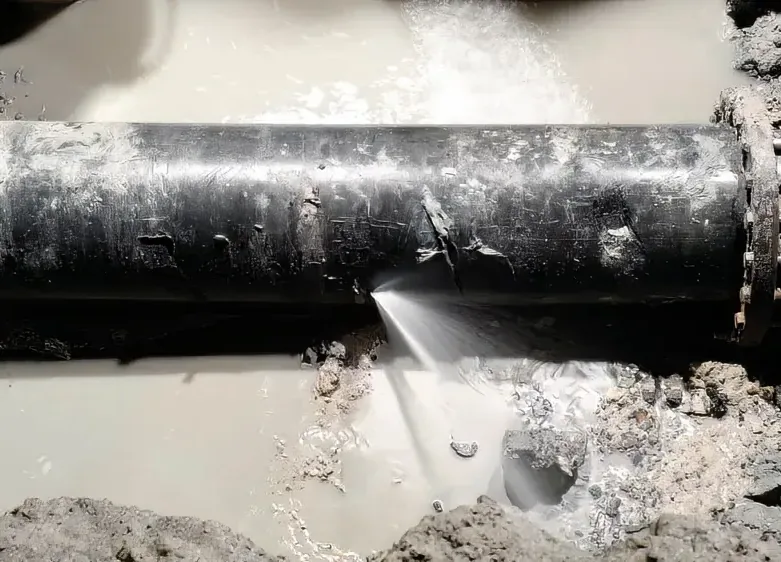
First steps for pinhole leak water damage in Mansfield
- 1
Track the visible clue
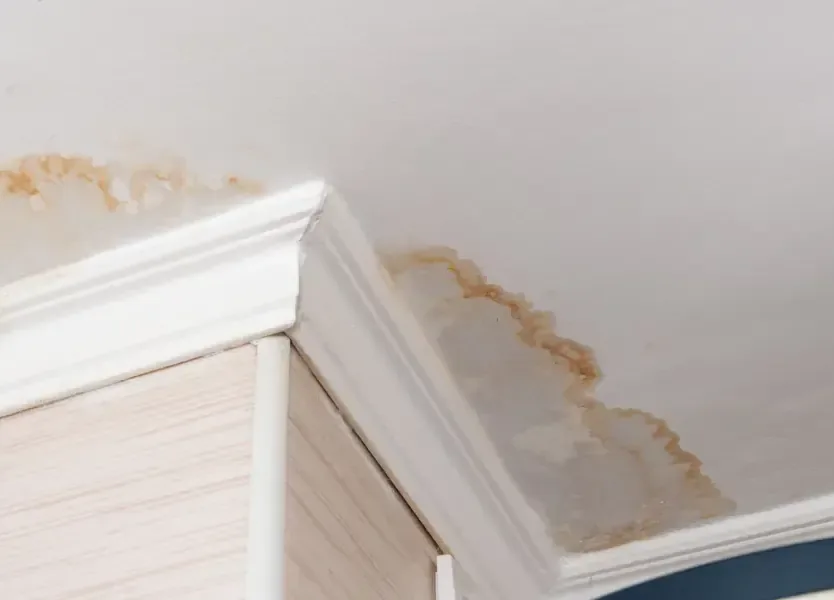
Note the room and the surface where discoloration first appeared. A photograph of its edges helps preserve the starting condition before inspection changes the appearance of the wall.
- 2
Arrange source evaluation
A suspected supply leak needs assessment at the pipe. Safely controlling the water source limits continued wetting while the damaged wall and floor receive their own cleanup evaluation.
- 3
Avoid concealing the mark
Leave the stained area visible instead of painting or covering it. Access to neighboring trim and flooring lets the assessor check beyond the most noticeable part of the damage.
- 4
Keep source details available
Any findings from pipe work should accompany the cleanup discussion. The leak location and completion status help the drying assessment connect damp materials with the release that caused them.
How pinhole leak water damage work is done in Mansfield
A narrow discolored mark on a wall may draw attention to a much less visible problem inside the cavity. In East Mansfield, a suspected pinhole release should be traced through the affected building instead of judged by the size of the stain. The pipe opening and the damaged finishes are separate parts of the loss. Once the source is controlled, the wall, insulation and adjoining floor still need evaluation for moisture left behind.
What does pinhole leak water damage cost in Mansfield, MA?
Pinhole leak cleanup in Mansfield depends on cavity access, affected layers and spread into adjoining finishes. A small pipe defect can still require substantial drying when water has reached hidden wall and floor materials.
One accessible cavity
$1,000 to $2,000
Wall and floor spread
$2,000 to $5,000
Multiple concealed areas
$5,000 to $8,500+
Ranges are typical, not a quote: category of water, square footage, material class and how fast drying started move the number most. Run the water damage cost calculator for a closer range.
The pinhole leak water damage process in four steps
The drying plan follows the materials, water category and access conditions recorded during inspection. Technicians compare repeat measurements with an unaffected reference and adjust equipment when moisture stops falling.
Step 1 Connect stain and source
Inspection examines the visible mark alongside the pipe findings, then checks nearby finishes for moisture that extends beyond the reported damage location.
Step 2 Define the cavity boundary
Material readings and necessary access establish which wall sections, insulation and adjacent floor layers need attention before a removal or drying scope is agreed.
Step 3 Address retained wall moisture
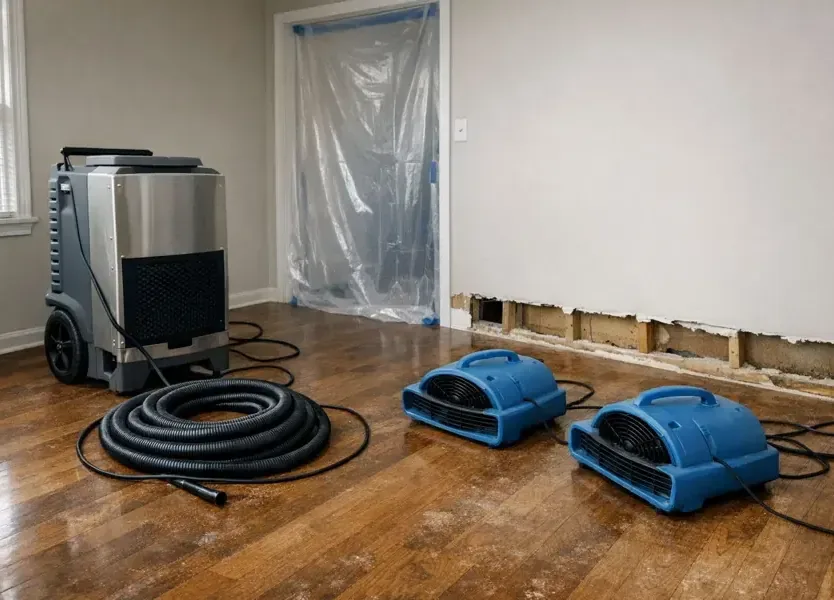
Accessible water is recovered and the affected assembly receives a drying setup matched to its layers, with checks for damp sections beyond the opening.
Step 4 Assess before finish closure
The closing assessment records moisture conditions and source status so exposed areas can be evaluated for the next finish step with a clear work history.
Start with the pattern of change
Useful observations include when the mark appeared, whether it grew and which nearby surfaces became damp. These details help focus inspection without substituting for material readings. A small opening can release water toward framing or the back of a wall, leaving the room side with little visible change until absorbent materials have already taken up moisture.
- Photograph the stain before moving furniture or opening finishes.
- Identify any source inspection already performed on the affected pipe.
- Check the floor edge below the stained wall section.
- Record renewed wetting after the supply has been isolated.
Give concealed material a drying route
The purpose of a wall opening is to reach a wet assembly, not simply to remove a discolored patch. Access decisions should consider insulation, framing and moisture at the base of the cavity. Damaged finishes may need removal, while materials capable of drying can remain under observation when airflow and moisture removal can reach them effectively.
At a home in Whiteville, inspection might begin with a damp wall base; in Ginty Corner, the reported clue might be flooring beside a cabinet. The actual condition determines the path of investigation and the limits of the work.
Keep the leak and drying records together
A source correction record explains what stopped the release. The structural drying record explains what happened to the materials it wetted. Keeping both available makes recurring moisture easier to evaluate and gives the next finish decision a clear starting point. The final moisture readings show whether the concealed assembly has reached the drying goal before primer, paint or other finishes are applied.
- Label the cavity locations inspected during the drying work.
- Retain readings from the floor and neighboring wall surfaces.
- Describe material removed to make the affected framing accessible.
- Confirm remaining source questions before closing the exposed area.
Pinhole leak water damage across Mansfield and nearby towns
Pinhole leak damage assessment includes East Mansfield, Whiteville and Ginty Corner. The work follows the inspected pipe location and wet assembly, with attention to access behind finishes and the floor surfaces below the reported stain.
The same service nearby: pinhole leak water damage in Stoughton, Easton, Brockton.
Related water damage services in Mansfield
Pinhole Leak Water Damage questions in Mansfield, MA
Still dealing with it?
A small recurring mark deserves a look at the cavity behind it, including the materials below the first visible stain.
(888) 480-6221Discuss the concealed wetting01Can a small stain hide a larger wet area?
Yes. Water may travel behind the finish before reaching the visible surface. Inspection needs to include the cavity and nearby floor instead of using the stain alone as the boundary.
02Does this service replace the damaged pipe?
The cleanup scope concerns water affected materials. Source work needs a separate, clear status so drying is not confused with correcting the pipe opening that allowed the release to continue.
03Should a stained wall be painted immediately?
Covering the mark can hide useful evidence while moisture remains inside the assembly. The source and material condition need evaluation before the surface is prepared for its final finish.
04Will inspection require a large opening?
Opening size depends on the wet area and the access needed. The purpose is to reach affected materials, so removal should follow findings instead of a preset wall section size.
05Why check flooring beside the wall?
Water inside a cavity can reach the bottom of the assembly and move beneath nearby flooring. A dry looking wall face does not describe the condition of those concealed lower layers.
06What if the stain returns after source work?
Renewed discoloration deserves another assessment of the source and retained moisture. The earlier pipe notes and drying readings help distinguish new water entry from materials that remained wet after the repair.
Trace the damage beyond the small pipe opening
Describe the stain, the suspected source and any completed pipe work to establish a focused assessment of the wall and adjoining floor materials.