Mansfield Slab Leak Water Damage
A floor that keeps becoming damp deserves investigation beneath its surface. Slab leak cleanup in Mansfield follows the moisture through the actual floor assembly and establishes what needs extraction, exposure and measured drying.
(888) 480-6221Discuss damp flooring below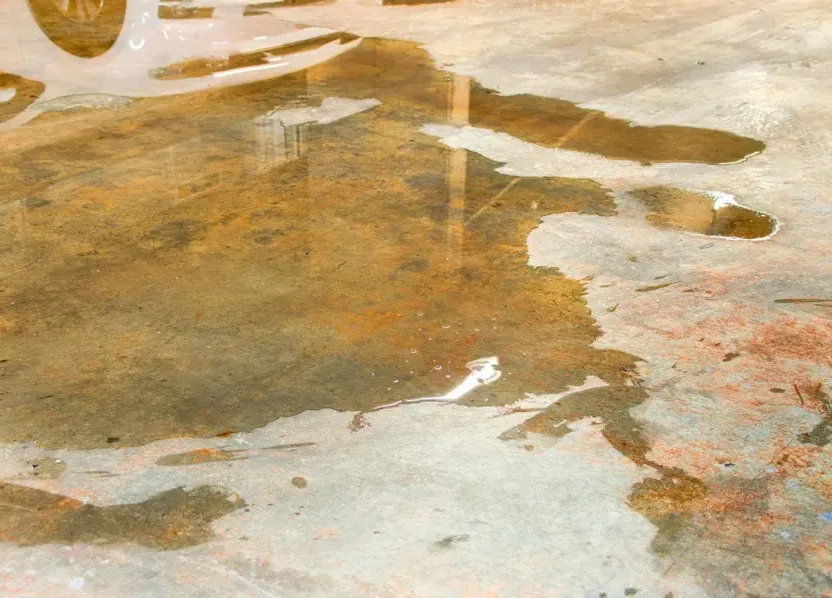
First steps for slab leak water damage in Mansfield
- 1
Limit the active release
A safely accessible supply shutoff can reduce continuing wetting. If reaching it requires crossing standing water or an electrical hazard, keep the area closed until qualified help establishes safe access.
- 2
Leave finishes visible
Avoid laying rugs or stored items over the damp patch. Uncovered seams and wall edges help the assessor understand the apparent spread before materials are moved or opened.
- 3
Describe the source work
Keep details of any pipe inspection or correction available. The location of that work helps connect the original release with wet layers that may extend beyond the access opening.
- 4
Protect the inspection route
Clear movable belongings from a dry approach when safe. Access to thresholds and nearby walls allows moisture checks to reach the perimeter instead of stopping at the visible puddle.
How slab leak water damage work is done in Mansfield
A damp flooring seam can be the first visible clue that water has reached the space beneath a covering. At a property in Ginty Corner, inspection should first establish the floor construction and the location of the stopped leak. A slab beneath the affected room requires different access decisions from an exposed wood assembly. The cleanup plan follows that construction, including moisture at thresholds and wall edges where the visible wet patch may end.
What does slab leak water damage cost in Mansfield, MA?
Mansfield slab leak cleanup may involve lifting finishes, extracting accessible water and drying the exposed floor assembly. Cost changes with concealed spread, the number of affected layers and the access required to evaluate moisture beneath retained materials.
Small accessible loss
$1,500 to $2,500
Water beneath several finishes
$2,500 to $6,000
Extensive concealed spread
$6,000 to $10,000+
Ranges are typical, not a quote: category of water, square footage, material class and how fast drying started move the number most. Run the water damage cost calculator for a closer range.
The slab leak water damage process in four steps
The drying plan follows the materials, water category and access conditions recorded during inspection. Technicians compare repeat measurements with an unaffected reference and adjust equipment when moisture stops falling.
Step 1 Identify the construction
The assessor identifies the floor layers and checks the leak's status, then maps visible and concealed wetting around the affected room.
Step 2 Expose the necessary surfaces
Material removal follows documented conditions, creating access to damp layers while separating damaged coverings from finishes that can remain during the work.
Step 3 Dry the retained assembly
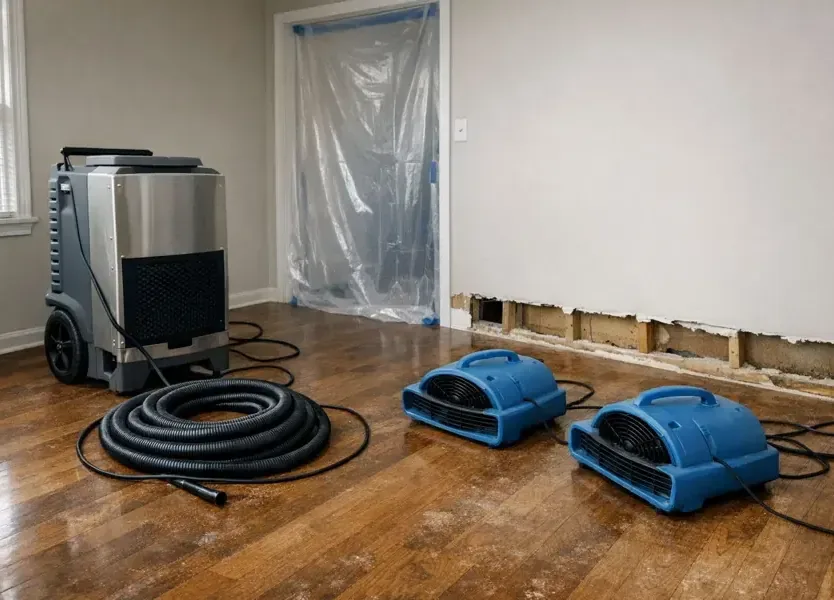
Extraction and drying equipment address the exposed substrate and neighboring materials, with placement adjusted when readings reveal moisture remaining beyond the initial boundary.
Step 4 Document the floor condition
Completion notes describe tested locations, retained materials and outstanding finish work so the next contractor can evaluate the exposed assembly before covering it.
Separate pipe work from the wet assembly
The person correcting the source and the team handling damaged materials need a shared understanding of the wet area. Opening a floor to reach a pipe can expose only part of the loss. Inspection still needs to follow moisture beneath adjoining finishes and identify surfaces that remained wet after the supply was isolated.
- Record the location and status of the repaired source.
- Check floor seams and transitions beyond the obvious damp patch.
- Inspect wall bases for moisture rising into absorbent finishes.
- Compare the affected layers with suitable unaffected material nearby.
Plan openings around a useful drying path
Floor coverings can restrict evaporation from a wet slab. The choice to lift material should consider its condition, the water involved and whether the retained layers can be reached. Random openings leave uncertainty about the rest of the assembly. A documented removal boundary makes the purpose of each exposed area clear and helps protect finishes that remain serviceable.
Whiteville and Purdy Corner are also within the town's service area. For each address, access to the wet room and the type of floor covering matter more to the cleanup sequence than the neighborhood label.
Measure before a new covering hides the floor
After water extraction, the remaining issue is moisture held in the building materials. Drying equipment needs a path to those materials, and follow-up readings should identify any stubborn section. Replacement flooring should follow an assessment of the substrate's condition so the work does not conceal a damp layer beneath a clean new surface.
- Maintain a record of the locations checked during drying.
- Keep the exposed work area clear for inspection and equipment.
- Report renewed dampness instead of covering it with furniture.
- Separate source completion from readiness for the final floor finish.
Slab leak water damage across Mansfield and nearby towns
Slab leak damage assessments cover Ginty Corner, Whiteville and Purdy Corner. Service planning considers the actual floor assembly, any completed pipe work and access to adjacent wet materials before the cleanup scope is set.
The same service nearby: slab leak water damage in Stoughton, Easton, Brockton.
Related water damage services in Mansfield
Slab Leak Water Damage questions in Mansfield, MA
Still dealing with it?
A recurring damp seam or wet wall base deserves an assessment of the layers hidden beneath the finished floor.
(888) 480-6221Explain the damp floor01Does every damp floor mean a slab leak?
No. Moisture may come from several sources, so the assessment needs to establish the water pathway and floor construction before connecting the damage with a pipe beneath a slab.
02Will all flooring need to be removed?
Removal depends on the condition and accessibility of the wet layers. Some material may remain, while damaged coverings or layers blocking an effective drying path may need to be lifted.
03Can the wall be wet beside the floor?
Absorbent wall finishes can take up water at their base. Inspection should include that edge and nearby trim, even when the most noticeable problem is a damp flooring seam.
04Is pipe correction the end of cleanup?
Stopping the source prevents more water entering, but retained moisture can remain beneath coverings. Separate material checks establish which portions of the room still require extraction or monitored drying.
05What makes a small wet patch complicated?
The visible patch may connect to moisture under adjacent finishes. Layer thickness, limited access and the condition of adhesives or wall bases can expand the work beyond the exposed surface.
06When can replacement flooring be considered?
The substrate needs appropriate moisture evaluation before a new covering is installed. The closing record should explain tested materials and any remaining concerns that could affect the next finish decision.
Establish a drying path beneath the finish
Describe the affected flooring, the source status and any opened areas so the inspection can concentrate on the assembly that still holds water.