Roof Leak Water Damage in Westwood
Rainwater may travel above a ceiling before appearing inside an occupied room. Roof leak cleanup in Westwood follows that interior route, evaluates wet layers and coordinates drying with correction of the exterior entry point.
(888) 480-6221Discuss rainwater inside the room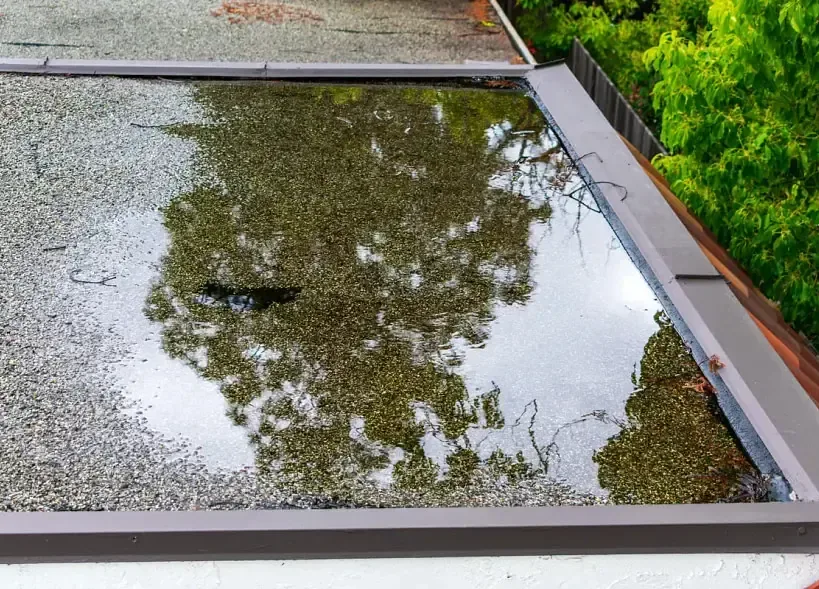
First steps for roof leak water damage in Westwood
- 1
Record the rain connection
Note when the interior mark appeared and whether dripping increased during rainfall. Photographs from a safe room position help preserve those changes for the source and cleanup assessments.
- 2
Stay out of unsafe overhead spaces
Wet attic materials and weakened ceilings can create difficult access conditions. Occupants should leave those areas undisturbed until the inspection establishes a safe route and work boundary.
- 3
Coordinate exterior source attention
The entry point needs appropriate correction while the interior loss is evaluated. Keep any roof findings available so the drying scope reflects whether additional water may still enter.
- 4
Identify contents beneath the entry
Describe affected furniture, floor finishes and stored belongings below the drip. These items may need separate handling even when the visible overhead stain appears limited in size.
How roof leak water damage work is done in Westwood
A mark that appears during rain offers useful timing information, but the inspection still needs to follow the water to its source. Above the ceiling, water can move along materials before dropping into the room. Roof leak cleanup records that interior route and the layers it touched. Exterior entry correction and interior moisture recovery should remain coordinated so a new rain event does not interrupt drying or wet newly exposed surfaces.
What does roof leak water damage cost in Westwood, MA?
Roof leak cleanup costs in Westwood vary with attic access, wet insulation and spread through ceiling or wall layers. The written estimate should distinguish interior removal and drying from exterior roof correction and subsequent finish replacement.
Localized interior entry
$1,000 to $2,500
Attic and room wetting
$2,500 to $6,000
Broad overhead loss
$6,000 to $10,000+
Ranges are typical, not a quote: category of water, square footage, material class and how fast drying started move the number most. Run the water damage cost calculator for a closer range.
The roof leak water damage process in four steps
The drying plan follows the materials, water category and access conditions recorded during inspection. Technicians compare repeat measurements with an unaffected reference and adjust equipment when moisture stops falling.
Step 1 Connect timing with inspection
The discovery history and observed entry path help establish the source investigation, while initial photographs record interior damage before handling changes the affected space.
Step 2 Evaluate overhead access and layers
The assessment considers attic access, insulation condition and ceiling integrity, identifying the openings or removals needed to reach wet materials safely and effectively.
Step 3 Treat the interior water path
Cleanup addresses exposed wet layers and any contents or flooring beneath the entry, with drying arranged around suitable materials retained inside the building.
Step 4 Assess progress alongside source correction
Later readings establish the interior drying response. The job record keeps roof work status and replacement finish needs visible so each part of recovery has a clear handoff.
Establish the source before treating the stain
The district's household leak checklist also identifies ceiling dripping as a plumbing warning sign. The investigation therefore considers the actual source above the wet area, using the discovery history and physical inspection. A caller can describe whether the mark changed during rain and whether fixtures were in use, leaving the source determination to the inspection rather than the stain's location alone.
Inspect the layers between roof and room
Attic access, insulation and overhead material condition influence the work. Wet insulation can conceal framing and retain water against adjacent surfaces. Some layers need removal to expose the wet assembly, while suitable retained materials receive a drying approach matched to their position. Occupants should avoid entering an unsafe attic or standing beneath softened ceiling finishes during this assessment.
- Record when rain and interior dripping occurred together.
- Identify accessible attic openings without entering a damaged space.
- Note staining at wall tops as well as ceiling surfaces.
- Keep roof correction details with the interior cleanup record.
Carry the inspection into the occupied room
Properties around Hale, Islington and Colburn School can use those local references when discussing access. Inside each building, the water route determines the cleanup boundary. A drip onto upholstered furniture or flooring adds a separate material decision even if the overhead source occupies a small area. Contents should be photographed before safe relocation exposes the surfaces beneath them.
Where overhead finishes are involved, ceiling water cleanup provides the related interior focus. Followup readings should establish how retained materials respond once entry is controlled. The final scope can then distinguish completed drying from the roof work and replacement interior finishes required to return the affected space to ordinary use.
Roof leak water damage across Westwood and nearby towns
Interior roof water cleanup serves town homes and business properties. References such as Hale and Colburn School help establish location, while attic access and the affected room layout shape the actual work.
The same service nearby: roof leak water damage in Stoughton, Braintree, Mansfield.
Related water damage services in Westwood
Roof Leak Water Damage questions in Westwood, MA
Still dealing with it?
Rainwater can leave a hidden overhead trail. Describe the first interior mark and any change seen during rainfall.
(888) 480-6221Trace the rainwater entry01Does a rain related stain identify the roof opening?
The timing helps the investigation, but water can travel above the ceiling. Inspection needs to trace the route rather than assume the entry sits directly over the stain.
02Can wet insulation stay in place?
Its condition and access to surrounding materials determine handling. The assessment should explain whether retention supports effective drying or whether removal is needed to expose the assembly.
03Is exterior roof work included?
Roof correction should be clearly identified in the scope or coordinated separately. Interior cleanup covers the materials and contents reached by water after it entered the building.
04Should an occupant enter the attic?
Unsafe or wet overhead spaces should remain undisturbed. The inspection establishes suitable access, especially where weakened ceilings or affected electrical components may be present.
05Why inspect furniture under the stain?
Drips can soak fabric and other contents while the ceiling remains the most visible damage. Those items need their own condition assessment and handling decision.
06What closes the interior drying phase?
Material readings and physical observations should show progress in the affected layers. The record also identifies any remaining roof correction or finish replacement needed after moisture recovery.
Plan recovery for the interior roof water path
A coordinated assessment can address wet insulation, ceiling layers and affected room contents while the exterior source receives appropriate attention.