Appliance Leak Water Damage in Westwood
A dishwasher, washer or refrigerator leak can spread behind equipment before reaching open flooring. Appliance leak cleanup in Westwood checks those concealed spaces and organizes water removal around the finishes and contents actually affected.
(888) 480-6221Discuss water behind the appliance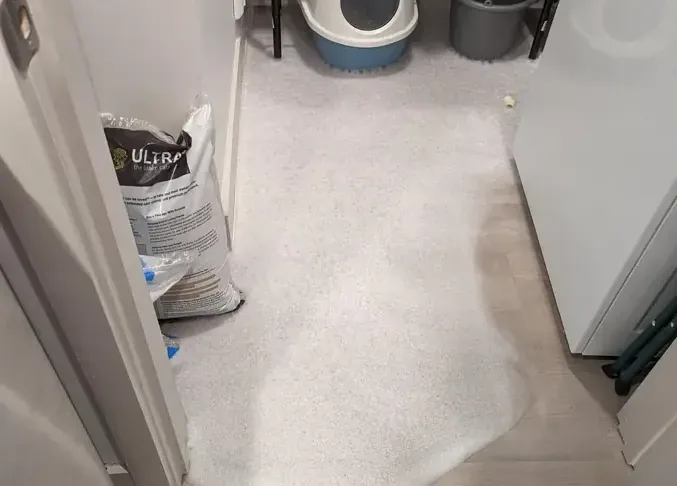
First steps for appliance leak water damage in Westwood
- 1
Pause use of the appliance
Continuing a cycle can release more water. Safe source isolation and equipment service should be arranged without reaching through pooled water or disturbing powered components in the affected area.
- 2
Record the operating history
Note whether the leak appeared during filling, use or an idle period. The appliance type and visible release location help the assessment connect source findings with the interior damage.
- 3
Avoid dragging heavy equipment
Heavy appliance movement can expose unsafe connections. Planned access protects surrounding floors while allowing inspection behind the equipment.
- 4
Describe cabinet and room connections
Mention adjoining toe spaces, floor seams and nearby rooms with continuous finishes. Those features can conceal retained water beyond the puddle in front of the appliance itself.
How appliance leak water damage work is done in Westwood
Water appearing in front of an appliance can be the end of a route beneath it. A connection behind a washer or a hidden dishwasher area may release water into surfaces that receive little ordinary attention. Dedham-Westwood Water District lists dishwasher and washing machine connection drips or puddles as warning signs, and includes refrigerator ice and water dispensers among appliances to inspect. Cleanup follows the resulting wet footprint beyond the visible opening.
What does appliance leak water damage cost in Westwood, MA?
Appliance leak cleanup costs in Westwood depend on equipment access, cabinet involvement and water beneath adjoining floor layers. The estimate should distinguish appliance service from extraction, material handling and drying throughout the resulting wet footprint.
Accessible small leak
$900 to $1,800
Cabinet and floor spread
$1,800 to $4,500
Several concealed areas
$4,500 to $8,000+
Ranges are typical, not a quote: category of water, square footage, material class and how fast drying started move the number most. Run the water damage cost calculator for a closer range.
The appliance leak water damage process in four steps
The drying plan follows the materials, water category and access conditions recorded during inspection. Technicians compare repeat measurements with an unaffected reference and adjust equipment when moisture stops falling.
Step 1 Assess appliance and source conditions
Equipment history and service findings establish safe access before inspection follows water into cabinetry and floor layers.
Step 2 Expose the hidden wet footprint
Planned movement or selective access reveals surfaces beneath equipment and behind trim, with documentation of material condition before treatment changes the affected kitchen or laundry area.
Step 3 Extract and handle damaged layers
Accessible water is recovered and unsuitable finishes are addressed. Retained cabinets, floors and wall edges receive a drying arrangement that can reach their wet surfaces effectively.
Step 4 Compare material readings through drying
Followup observations show whether the concealed areas are responding. The completion record keeps appliance correction and replacement finishes separate from the moisture recovery achieved within the surrounding assembly.
Identify what the appliance was doing
The appliance type and operating stage help explain the water involved. A supply release, a drainage problem and water escaping during a cycle can leave different residues and material conditions. Occupants should stop using the affected equipment and avoid moving a heavy unit across a wet floor. Safe appliance access belongs in the work plan, especially where powered components or tight cabinet openings complicate movement.
Look beneath the cabinet and floor edges
Toe spaces and floor transitions can hide water from ordinary wiping. The assessment should explain whether the appliance needs safe movement, whether trim blocks access and which adjoining layers remain wet. A finish that looks intact may still cover retained moisture. Cabinet material condition, contamination and access determine the appropriate handling decisions rather than the size of the visible puddle alone.
- Document the appliance and the first visible wet area together.
- Note whether water appeared during use or while equipment was idle.
- Identify cabinets and adjoining rooms connected by continuous flooring.
- Keep appliance service findings available for the restoration assessment.
Arrange drying around the exposed materials
In University Station's mixed use setting, along Washington Street or within Islington, the interior layout determines how equipment can be reached. Describe a narrow laundry space, enclosed kitchen opening or nearby occupied area when arranging assessment. Those details help plan access while protecting usable surfaces around the water loss.
After extraction, retained cabinetry and flooring may need targeted airflow and moisture checks. The structural drying page explains the role of those measurements. Completion records should identify the appliance source status alongside the condition of surrounding materials, including any separate replacement work needed after cleanup has exposed the damaged layers.
Appliance leak water damage across Westwood and nearby towns
Appliance water assessments cover kitchens, laundry rooms and other local interiors. Explain the equipment position and nearby cabinets so access and material checks can account for the concealed spaces surrounding the original release.
The same service nearby: appliance leak water damage in Stoughton, Braintree, Mansfield.
Related water damage services in Westwood
Appliance Leak Water Damage questions in Westwood, MA
Still dealing with it?
A puddle in front of equipment may hide wet layers behind it. Describe the appliance and its surrounding cabinets or flooring.
(888) 480-6221Assess the appliance water path01Which appliances appear on the utility checklist?
The district highlights dishwasher and washing machine water connections, along with refrigerator ice and water dispensers. Visible drips or puddles deserve a source and surrounding material inspection.
02Can a leak spread under cabinets?
Yes. Toe spaces and continuous flooring can conceal the route. Inspection needs access to those edges before the drying scope can be considered complete.
03Should the appliance be pulled out immediately?
Heavy equipment and connected components require planned movement. Wet electrical conditions or tight access can make an occupant's attempt to reach the source unsafe.
04Does appliance repair dry the surrounding room?
Service work addresses the equipment fault. Flooring, cabinetry and wall materials that received water need their own assessment, handling and drying decisions afterward.
05Why mention the operating cycle?
Knowing when the release appeared helps explain the source and water involved. That history supports the assessment alongside inspection findings and the wet material pattern.
06Can intact cabinet faces hide damage?
Water can reach lower edges and concealed backing while the visible face looks better. Material checks should include accessible hidden surfaces and the floor beneath the cabinet.
Reach the moisture beneath kitchen and laundry equipment
Cleanup planning can connect safe appliance access with concealed surface checks and a drying scope for the materials left wet after the source is corrected.