Easton Shower Pan Leak Water Damage
A shower-area leak may show as damp trim outside the enclosure or a ceiling mark below it. Restoration follows those symptoms into surrounding materials while source assessment determines what must change before the shower returns to use.
(888) 480-6221Assess moisture beyond the shower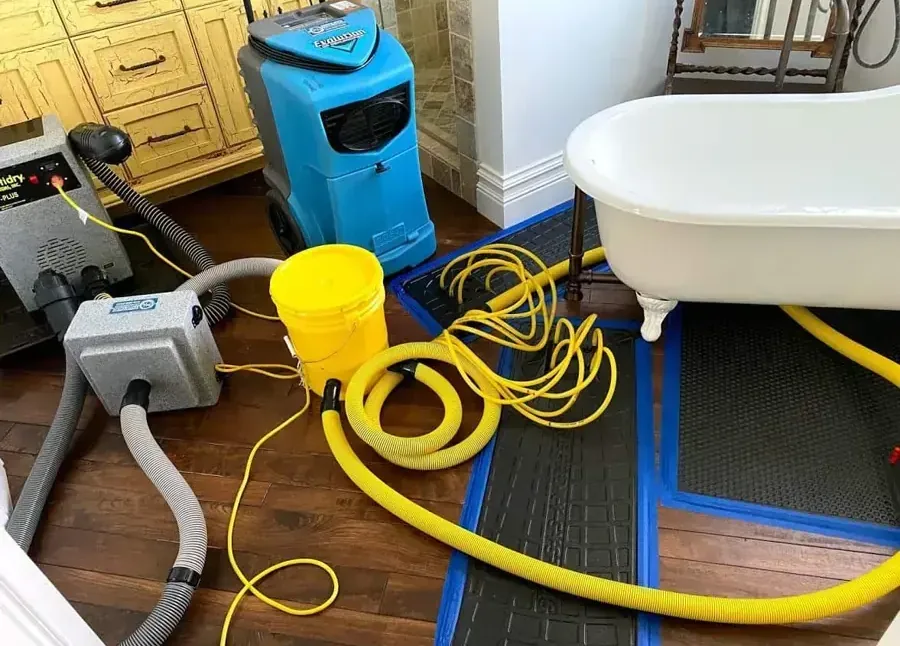
First steps for shower pan leak water damage in Easton
- 1
Pause use of the affected shower
Continued use can add water behind finishes even when the bathroom floor looks dry. Arrange source attention before another shower cycle contributes to the concealed moisture problem.
- 2
Describe the first changed surface
Report damp trim, a floor stain or a ceiling mark below. The location of the earliest visible symptom helps the assessment trace the route through adjoining assemblies.
- 3
Keep adjoining rooms accessible
Where safe, clear lightweight belongings from the affected wall and the room below. Access to both sides of the assembly can help establish the full wet boundary.
- 4
Preserve source and symptom notes
Retain any findings from the shower assessment alongside photographs of damage. Linking the reported defect with the affected materials helps coordinate cleanup and later enclosure work.
How shower pan leak water damage work is done in Easton
A shower can appear tidy while water escapes into the material behind its finished surface. The first visible change may be a swollen trim edge outside the enclosure or discoloration on a ceiling beneath it. Shower leak cleanup in Easton begins with those symptoms and the reported source findings. The restoration assessment then follows the affected materials rather than assuming the wet boundary ends at the tile or shower door.
What does shower pan leak water damage cost in Easton, MA?
Shower leak cleanup costs in Easton depend on access behind finishes and the extent of surrounding wetting. Adjoining wall layers, subfloor involvement and a damaged ceiling below can each add restoration work beyond the enclosure itself.
Localized adjacent wetting
$1,200 to $2,500
Wall and floor involvement
$2,500 to $5,500
Extended concealed damage
$5,500 to $9,000+
Ranges are typical, not a quote: category of water, square footage, material class and how fast drying started move the number most. Run the water damage cost calculator for a closer range.
The shower pan leak water damage process in four steps
The drying plan follows the materials, water category and access conditions recorded during inspection. Technicians compare repeat measurements with an unaffected reference and adjust equipment when moisture stops falling.
Step 1 Assess shower symptoms and source findings
Reported leakage, visible marks and room layout help trace moisture into materials surrounding the enclosure.
Step 2 Check connected wall and floor layers
Measurements and appropriate access follow the enclosure perimeter and any lower ceiling damage, establishing the actual wet boundary before removal or drying is planned.
Step 3 Expose materials that need a drying path
Selected openings provide access to wet layers while damaged material is addressed according to its condition and the requirements for drying what remains.
Step 4 Assess readiness before enclosure finishing
Closing notes connect source correction with moisture findings in retained layers, identifying completed drying and remaining surface work before the affected shower resumes ordinary use.
Connect use patterns with the visible symptom
For an Eastondale property, noting whether a mark changes after shower use can help source investigation. Furnace Village and Daley Corner also provide locality context when arranging access. Inside the room, the important details are the enclosure position, adjoining wall surfaces and any accessible space beneath the floor. Repeated use can continue adding water before the cause is resolved.
- Check trim outside the enclosure for swelling or discoloration.
- Report damp flooring near the shower entrance or adjacent wall.
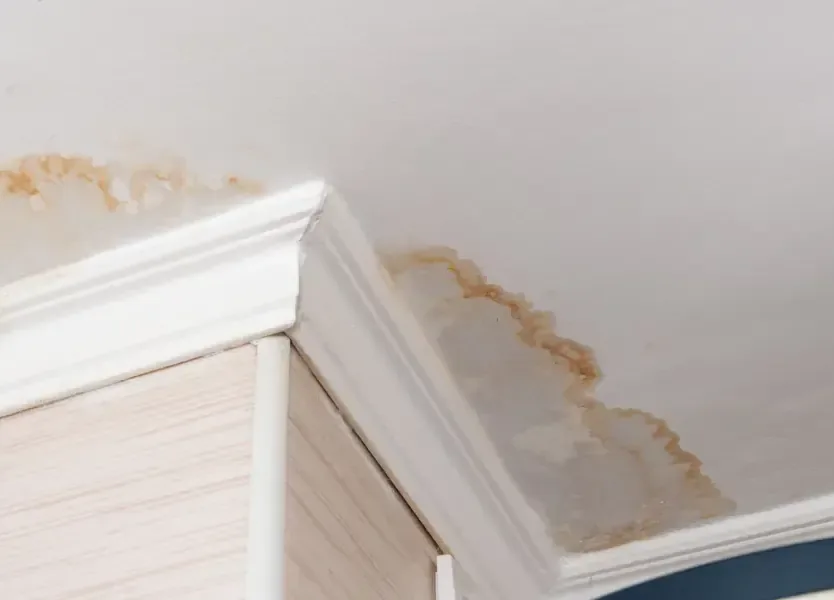
- Note ceiling changes in the room directly beneath the bathroom.
- Keep photographs of symptoms before finishes are opened for access.
Separate source diagnosis from absorbed water
A plumbing or enclosure assessment identifies the defect that allows leakage. Restoration addresses what happened after water left that source. The two scopes should be coordinated so a repaired shower does not conceal wet backing, framing or floor layers. Visible grout condition alone cannot describe the moisture already inside the surrounding assembly.
If the lower room has overhead damage, ceiling leak cleanup can be part of the same assessment. Safe access to those surfaces matters as much as access beside the shower.
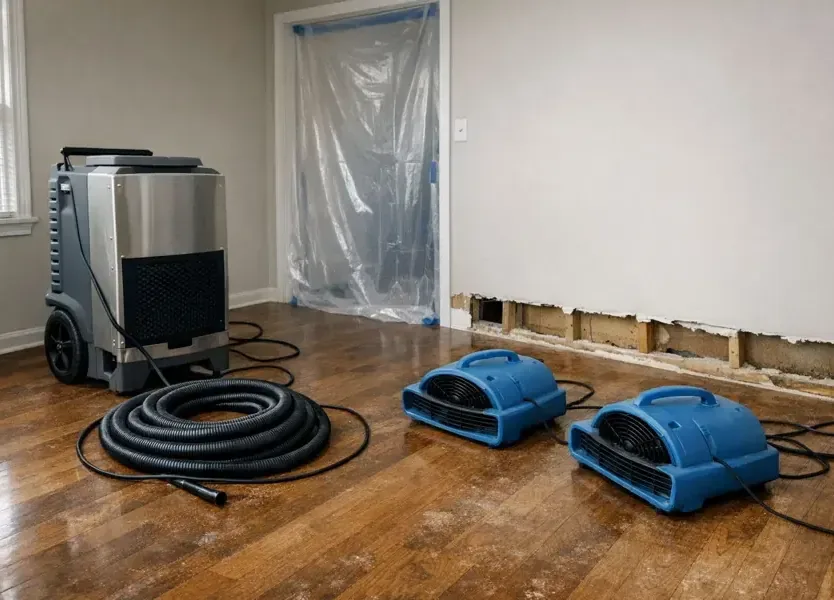
Create a drying path through retained materials
Some coverings may need removal to reveal the extent of wetting or allow damp layers to release moisture. The decision should reflect material condition and practical drying access. Equipment then treats the retained assembly, with checks at the adjacent wall and floor junctions where water collected. The closing assessment should show the source status and material findings together, making clear which areas are ready for later finish work and which still need attention before the enclosure returns to regular use.
Shower pan leak water damage across Easton and nearby towns
Easton shower cleanup assessments can include Eastondale, Furnace Village and Daley Corner properties. The enclosure location, room below and reported source findings help define access to the surrounding materials that need restoration.
The same service nearby: shower pan leak water damage in Stoughton, Mansfield, Brockton.
Related water damage services in Easton
Shower Pan Leak Water Damage questions in Easton, MA
Still dealing with it?
Describe the shower symptom and any marks in adjoining rooms so the assessment follows water beyond the enclosure surface.
(888) 480-6221Discuss concealed shower area moisture01Can the bathroom floor stay dry during leakage?
Water can move behind the enclosure or beneath the floor without making a large surface puddle. Adjacent trim and the room below may reveal the first visible symptoms.
02Should shower use continue while waiting for inspection?
Pausing use limits further water entering the same concealed assembly. Appropriate source assessment should establish the problem before normal use resumes around the affected enclosure.
03Does fresh grout address all the damage?
Surface work does not remove absorbed water from backing, framing or flooring. Source correction and restoration need separate findings before those wet layers are covered again.
04Why might the lower ceiling need access?
Water can collect in that assembly after passing beneath the shower. Its condition and drying needs should be assessed along with the bathroom surfaces above it.
05Can surrounding finishes remain in place?
That depends on damage and the ability of hidden layers to dry. The scope should explain which surfaces can stay and which require opening for access.
06What records support returning the shower to use?
Source findings, treatment notes and closing material readings establish the sequence. They identify completed restoration and any remaining enclosure or finish work needed before normal use resumes.
Dry the assembly before closing it
Request a assessment of wet wall and floor layers, with source coordination and a clear account of the finish work still needed afterward.